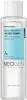
This brightening toner is formulated around Niacinamide and Lactobacillus Ferment to brighten dull-looking skin and strengthen the skin barrier.
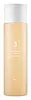
This barrier-repair toner is formulated around Bifida Ferment Lysate and Saccharomyces Ferment Filtrate to strengthen the skin barrier and hydrate skin.

What's inside
What's inside
 Key Ingredients
Benefits
Concerns
Ingredients Side-by-side
Water
Skin ConditioningDipropylene Glycol
Humectant
Glycereth-26
Humectant
1,2-Hexanediol
Skin Conditioning
Niacinamide
Smoothing











Butylene Glycol
Humectant
Glycerin
Humectant
Methyl Gluceth-20
Humectant
Spiraea Ulmaria Extract
AstringentLactococcus/Bean Seed Extract Ferment Filtrate
AntimicrobialLactobacillus/Rice Ferment
Skin Conditioning

Chlorella Ferment
Skin Conditioning
Lactobacillus/Algae Extract Ferment
Skin ProtectingSaccharomyces/Grape Ferment Extract
Skin Conditioning
Lactobacillus/Pumpkin Ferment Extract
Skin ConditioningLactobacillus/Soybean Ferment Extract
Skin ConditioningLactobacillus/Soybean Extract Ferment Filtrate
Skin ConditioningSaccharomyces/Rice Ferment Filtrate
Skin Conditioning
Saccharomyces/Barley Seed Ferment Filtrate
HumectantSaccharomyces/Calcium Ferment
Skin Conditioning
Saccharomyces/Laminaria Saccharina Ferment
Skin Conditioning
Saccharomyces/Potato Extract Ferment Filtrate
Humectant
Lactobacillus/Eriodictyon Californicum Ferment Extract
Skin ConditioningLactobacillus/Water Hyacinth Ferment
Skin ProtectingLactobacillus/Rye Flour Ferment
Skin ConditioningLactobacillus/Hibiscus Sabdariffa Flower Ferment Filtrate
Skin ConditioningLactobacillus/Milk Ferment Filtrate
Skin ConditioningLactobacillus
Skin ConditioningLactobacillus/Acerola Cherry Ferment
Skin ProtectingLactobacillus Ferment
Skin Conditioning
Lactobacillus Ferment Lysate Filtrate
Skin ConditioningLactococcus/Milk Ferment Lysate
Lactococcus Ferment
Skin ConditioningLactococcus Ferment Extract
Skin ConditioningLactococcus Ferment Lysate
Skin Conditioning
Streptococcus Thermophilus Ferment
Humectant
Aureobasidium Pullulans Ferment Filtrate
HumectantBifida Ferment Filtrate
Skin Conditioning
Leuconostoc/Radish Root Ferment Filtrate
Antimicrobial
Lactobacillus/Wasabia Japonica Root Ferment Extract
Antioxidant
Lactobacillus/Punica Granatum Fruit Ferment Extract
Antioxidant
Bacillus/Glutamic Acid Ferment Filtrate
Skin ConditioningBacillus/Rice Bran Extract/Soybean Extract Ferment Filtrate
Antioxidant
Monascus/Rice Ferment
Antioxidant
Saccharomyces/Rice Bran Ferment Filtrate Extract
Skin Conditioning
Saccharomyces/Rice Bran Ferment
Humectant
Lactobacillus/Pear Juice Ferment Filtrate
Skin ConditioningPichia Ferment Lysate Filtrate
HumectantAlteromonas Ferment Extract
Skin Conditioning
Saccharomyces/Coix Lacryma-Jobi Ma-Yuen Seed Ferment Filtrate
Skin Conditioning
Saccharomyces/Soy Protein Ferment
Skin Conditioning
Sphingomonas Ferment Extract
Skin Conditioning
Saccharomyces/Malachite Ferment
Skin Conditioning
Saccharomyces Ferment
Skin Conditioning
Saccharomyces Ferment Filtrate
Humectant
Aspergillus Ferment
Skin ConditioningAspergillus/Glucose/Soybean/Starch Ferment Filtrate
Pelargonium Graveolens Flower Oil
Masking




Sodium Hyaluronate
Humectant
Polyglyceryl-10 Laurate
Skin Conditioning
Cetearyl Alcohol
Emollient



Betaine
Humectant
Acrylates/C10-30 Alkyl Acrylate Crosspolymer
Emulsion StabilisingTromethamine
BufferingPolyquaternium-51
Skin Conditioning
Hydroxyethylcellulose
Emulsion StabilisingAdenosine
Skin Conditioning
Geraniol
Perfuming
Citronellol
Perfuming
Water, Dipropylene Glycol, Glycereth-26, 1,2-Hexanediol, Niacinamide, Butylene Glycol, Glycerin, Methyl Gluceth-20, Spiraea Ulmaria Extract, Lactococcus/Bean Seed Extract Ferment Filtrate, Lactobacillus/Rice Ferment, Chlorella Ferment, Lactobacillus/Algae Extract Ferment, Saccharomyces/Grape Ferment Extract, Lactobacillus/Pumpkin Ferment Extract, Lactobacillus/Soybean Ferment Extract, Lactobacillus/Soybean Extract Ferment Filtrate, Saccharomyces/Rice Ferment Filtrate, Saccharomyces/Barley Seed Ferment Filtrate, Saccharomyces/Calcium Ferment, Saccharomyces/Laminaria Saccharina Ferment, Saccharomyces/Potato Extract Ferment Filtrate, Lactobacillus/Eriodictyon Californicum Ferment Extract, Lactobacillus/Water Hyacinth Ferment, Lactobacillus/Rye Flour Ferment, Lactobacillus/Hibiscus Sabdariffa Flower Ferment Filtrate, Lactobacillus/Milk Ferment Filtrate, Lactobacillus, Lactobacillus/Acerola Cherry Ferment, Lactobacillus Ferment, Lactobacillus Ferment Lysate Filtrate, Lactococcus/Milk Ferment Lysate, Lactococcus Ferment, Lactococcus Ferment Extract, Lactococcus Ferment Lysate, Streptococcus Thermophilus Ferment, Aureobasidium Pullulans Ferment Filtrate, Bifida Ferment Filtrate, Leuconostoc/Radish Root Ferment Filtrate, Lactobacillus/Wasabia Japonica Root Ferment Extract, Lactobacillus/Punica Granatum Fruit Ferment Extract, Bacillus/Glutamic Acid Ferment Filtrate, Bacillus/Rice Bran Extract/Soybean Extract Ferment Filtrate, Monascus/Rice Ferment, Saccharomyces/Rice Bran Ferment Filtrate Extract, Saccharomyces/Rice Bran Ferment, Lactobacillus/Pear Juice Ferment Filtrate, Pichia Ferment Lysate Filtrate, Alteromonas Ferment Extract, Saccharomyces/Coix Lacryma-Jobi Ma-Yuen Seed Ferment Filtrate, Saccharomyces/Soy Protein Ferment, Sphingomonas Ferment Extract, Saccharomyces/Malachite Ferment, Saccharomyces Ferment, Saccharomyces Ferment Filtrate, Aspergillus Ferment, Aspergillus/Glucose/Soybean/Starch Ferment Filtrate, Pelargonium Graveolens Flower Oil, Sodium Hyaluronate, Polyglyceryl-10 Laurate, Cetearyl Alcohol, Betaine, Acrylates/C10-30 Alkyl Acrylate Crosspolymer, Tromethamine, Polyquaternium-51, Hydroxyethylcellulose, Adenosine, Geraniol, Citronellol
Bifida Ferment Lysate
Skin Conditioning
Saccharomyces Ferment Filtrate
Humectant
Betula Alba Juice
AstringentRice Ferment Filtrate
Skin Conditioning
Water
Skin ConditioningAspergillus Ferment
Skin ConditioningPropanediol
Solvent
Polyglyceryl-4 Caprate
Emulsifying1,2-Hexanediol
Skin Conditioning
Glycereth-25 PCA Isostearate
Emulsifying
Camellia Sinensis Leaf Extract
Antimicrobial
Ethylhexylglycerin
Skin Conditioning
Sodium Lactate
Buffering
Sodium Gluconate
Skin ConditioningAllantoin
Skin Conditioning
Lactobacillus
Skin ConditioningDisodium EDTA
Tromethamine
BufferingMentha Piperita Oil
Masking
Gluconolactone
Skin Conditioning
Salicylic Acid
Masking

Panthenol
Skin Conditioning
Capryloyl Salicylic Acid
Exfoliating
Glycolic Acid
Buffering
Butylene Glycol
Humectant
Hyaluronic Acid
Humectant
Hydrolyzed Hyaluronic Acid
Humectant
Sodium Hyaluronate
Humectant
Bifida Ferment Lysate, Saccharomyces Ferment Filtrate, Betula Alba Juice, Rice Ferment Filtrate, Water, Aspergillus Ferment, Propanediol, Polyglyceryl-4 Caprate, 1,2-Hexanediol, Glycereth-25 PCA Isostearate, Camellia Sinensis Leaf Extract, Ethylhexylglycerin, Sodium Lactate, Sodium Gluconate, Allantoin, Lactobacillus, Disodium EDTA, Tromethamine, Mentha Piperita Oil, Gluconolactone, Salicylic Acid, Panthenol, Capryloyl Salicylic Acid, Glycolic Acid, Butylene Glycol, Hyaluronic Acid, Hydrolyzed Hyaluronic Acid, Sodium Hyaluronate
Reviews
Ingredients Explained
These ingredients are found in both products.
Ingredients higher up in an ingredient list are typically present in a larger amount.
1,2-Hexanediol is a synthetic liquid and another multi-functional powerhouse.
It is a:
- Humectant, drawing moisture into the skin
- Emollient, helping to soften skin
- Solvent, dispersing and stabilizing formulas
- Preservative booster, enhancing the antimicrobial activity of other preservatives
Aspergillus Ferment is created when Aspergillus fungi is fermented under controlled conditions. This is the same fungi used to make sake, miso, and soy sauce.
The fungi breaks down to produce a mix of enzymes, amino acids, vitamins, and bioactive compounds during fermentation.
One such compound is kojic acid; kojic acid is widely considered a gentler alternative to hydroquinone. You should know: the amount of kojic acid in Aspergillus Ferment will vary depending on species used and how the fermentation was done.
There's an in-vitro study from 2019 found that ceramide-like compounds from Aspergillus luchuensis helped skin cells turn on the genes related to barrier repair and moisture retention. Just keep in mind this was tested on cells in a lab and not on actual people's faces.
If you're someone who deals with fungal acne (malassezia folliculitis), you might want to instinctively want to skip this ingredient.
That's understandable since it is derived from a fungus. It's worth knowing that Aspergillus and Malassezia are completely different organisms and there's no research suggesting that Aspergillus Ferment feeds or worsens malassezia overgrowth on the skin.
However, if you're actively managing fungal acne, being cautious with any new ingredient is reasonable.
Learn more about Aspergillus FermentButylene Glycol (or BG) is used within cosmetic products for a few different reasons:
Overall, Butylene Glycol is a safe and well-rounded ingredient that works well with other ingredients.
Though this ingredient works well with most skin types, some people with sensitive skin may experience a reaction such as allergic rashes, closed comedones, or itchiness.
Learn more about Butylene GlycolLactobacillus is the INCI name for the live, whole lactic bacteria culture itself and is classified as a skin conditioning agent.
It is the same genus of probiotic that you can find in yogurt or fermented foods and it shows up at low levels naturally on human skin.
This ingredient is more of a microbiome agent rather than an active; it helps rebalance the skin's microbial community.
The bacteria and their metabolites produce lactic acid and other antimicrobial compounds that crowd out the "bad bacteria". Research on Lactobacillus strains shows activity against pathogens and acne-causing bacteria.
One strain, Lactobacillus plantarum, has also been shown to boost collagen synthesis and lower melanin synthesis in lab and clinical observation.
The most eye-catching data comes from acne research, a topical cream with live lactobacilli was well-tolerated and improved skin hydration by 37.3% after 14 days of use and 45.6% after 28 days.
Sources for this ingredient are usually fermented substrates like dairy, soy, or rice.
In general, this is a low-irritation and well-tolerated ingredient that plays nice with most of your routine.
One thing to keep in mind is that live bacteria are hard to keep alive inside of a skincare product. They struggle to survive on the shelf and don't get along with the preservatives that stop products from spoiling.
That's why you'll see ferment and postbiotic forms instead, like Lactobacillus Ferment or Lactobacillus Ferment Lysate.
There isn't a fixed percentage for this ingredient since it is dosed by strain and viable count.
On the fungal acne front: Lactobacillus is a bacterium (not a fungus). The whole culture contains no fatty acids, esters, or oils that Malassezia can feed on so it is considered fungal acne safe.
Learn more about LactobacillusSaccharomyces Ferment Filtrate is the watery, nutrient-rich liquid left over after you ferment a yeast (genus Saccharomyces).
The yeast cells themselves are filtered out so you're getting the "broth" of skin-friendly molecules: amino acids, peptides, minerals, vitamins, organic acids, and beta-glucan.
Evidence-wise, its relatives (like Galactomyces) are the ones with the most published lab work. Keratinocyte studies show these ferments can boost barrier-related markers. This ingredient is generally assumed to behave similarly thanks to its overlapping composition.
This ingredient may not be fungal acne safe because its a fermentation filtrate. The exact composition is batch-variable and can include fatty acids and lipids byproducts.
Learn more about Saccharomyces Ferment FiltrateSodium Hyaluronate is the salt form of hyaluronic acid. It is a long sugar chain that is naturally found in your skin, joints, and connective tissue that maintains hydration and elasticity.
In skincare, it works as a humectant. It pulls water from the environment and deeper layers of skin and binds it to the surface.
Interestingly, the size of the molecule affects its behavior:
Some clinical evidence links low molecular weight versions to improved wrinkle depth, elasticity, anti-inflammatory effects, and barrier repair.
Many serums use a blend of both weights so you can get surface hydration plus longer-lasting and deeper effects.
You'll typically see concentrations between 0.1-2% for this ingredient.
Learn more about Sodium HyaluronateTromethamine (aka THAM) is a synthetic amino acid that shows up in skincare as a helper ingredient.
It functions as a pH adjuster to help neutralize acidic ingredients and set a formula's pH to the right spot.
This matters a lot because a lot of actives (like vitamin C) needs a specific pH to work well and feel comfortable on skin.
Concentration use ranges from 0.1-1.0% depending on the formula.
Learn more about TromethamineWater. It's the most common cosmetic ingredient of all. You'll usually see it at the top of ingredient lists, meaning that it makes up the largest part of the product.
So why is it so popular? Water most often acts as a solvent - this means that it helps dissolve other ingredients into the formulation.
You'll also recognize water as that liquid we all need to stay alive. If you see this, drink a glass of water. Remember to stay hydrated!
Learn more about Water

