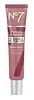
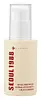
No7 Restore & Renew Multi Action Face & Neck Serum Versus K-Secret Seoul 1988 Serum Retinal Liposome 2% + Black Ginseng
This anti-aging serum is formulated around Gluconolactone and 3-O-Ethyl Ascorbic Acid to soften the look of wrinkles and strengthen the skin barrier.
This anti-aging serum is formulated around Panax Ginseng Root Extract and Niacinamide to soften the look of wrinkles and refine skin texture.


What's inside
What's inside
 Key Ingredients
Benefits
Concerns
Ingredients Side-by-side
Water
Skin ConditioningDimethicone
Emollient

Glycerin
Humectant

Butylene Glycol
Humectant
Aluminum Starch Octenylsuccinate
Absorbent
Isononyl Isononanoate
EmollientGluconolactone
Chelating





Dimethicone Crosspolymer
Emulsion Stabilising
Cetearyl Alcohol
Emollient






Ammonium Acryloyldimethyltaurate/Vp Copolymer
Phenoxyethanol
Preservative
3-O-Ethyl Ascorbic Acid
Skin Conditioning

Pentylene Glycol
Skin Conditioning
Polysorbate 20
Emulsifying
Potassium Hydroxide
BufferingXanthan Gum
EmulsifyingDimethiconol
Emollient
Hibiscus Abelmoschus Extract
MaskingParfum
Masking


Sodium Hyaluronate
Humectant
Retinyl Palmitate
Skin Conditioning

Caprylyl Glycol
Emollient
Propylene Glycol
Humectant
Sorbitan Laurate
Emulsifying
Tocopheryl Acetate
Antioxidant

Hydrolyzed Rice Protein
Skin ConditioningEthylhexylglycerin
Skin ConditioningCarbomer
Emulsion StabilisingSodium Lauroyl Lactylate
Emulsifying3-Aminopropane Sulfonic Acid
SurfactantCalcium Hydroxymethionine
Skin ConditioningPhyllanthus Emblica Fruit Extract
HumectantDipropylene Glycol
HumectantHydroxyethylcellulose
Emulsion StabilisingTetrasodium EDTA
ChelatingT-Butyl Alcohol
Perfuming

Panax Ginseng Root Extract
Emollient
Sophora Angustifolia Root Extract
Skin ConditioningHydroxypropyl Cyclodextrin
MaskingAcetyl Dipeptide-1 Cetyl Ester
Skin Conditioning
Ceramide NP
Skin Conditioning
Morus Alba Leaf Extract
Skin ConditioningSodium Benzoate
Masking
Ceramide AP
Skin Conditioning
Phytosphingosine
Skin Conditioning
Cholesterol
Emollient
Tocopherol
Antioxidant
Palmitoyl Tripeptide-1
Skin Conditioning
Palmitoyl Tetrapeptide-7
Skin Conditioning
Ceramide EOP
Skin Conditioning
Water, Dimethicone, Glycerin, Butylene Glycol, Aluminum Starch Octenylsuccinate, Isononyl Isononanoate, Gluconolactone, Dimethicone Crosspolymer, Cetearyl Alcohol, Ammonium Acryloyldimethyltaurate/Vp Copolymer, Phenoxyethanol, 3-O-Ethyl Ascorbic Acid, Pentylene Glycol, Polysorbate 20, Potassium Hydroxide, Xanthan Gum, Dimethiconol, Hibiscus Abelmoschus Extract, Parfum, Sodium Hyaluronate, Retinyl Palmitate, Caprylyl Glycol, Propylene Glycol, Sorbitan Laurate, Tocopheryl Acetate, Hydrolyzed Rice Protein, Ethylhexylglycerin, Carbomer, Sodium Lauroyl Lactylate, 3-Aminopropane Sulfonic Acid, Calcium Hydroxymethionine, Phyllanthus Emblica Fruit Extract, Dipropylene Glycol, Hydroxyethylcellulose, Tetrasodium EDTA, T-Butyl Alcohol, Panax Ginseng Root Extract, Sophora Angustifolia Root Extract, Hydroxypropyl Cyclodextrin, Acetyl Dipeptide-1 Cetyl Ester, Ceramide NP, Morus Alba Leaf Extract, Sodium Benzoate, Ceramide AP, Phytosphingosine, Cholesterol, Tocopherol, Palmitoyl Tripeptide-1, Palmitoyl Tetrapeptide-7, Ceramide EOP
Panax Ginseng Root Extract
Emollient
Water
Skin ConditioningGlycerin
Humectant
Dipropylene Glycol
HumectantCaprylic/Capric Triglyceride
Masking
1,2-Hexanediol
Skin Conditioning
Niacinamide
Smoothing
Butylene Glycol
Humectant
Methyl Gluceth-20
Humectant
Polyglyceryl-3 Methylglucose Distearate
Emulsifying
Hydrogenated Lecithin
Emulsifying
Sorbitan Stearate
Emulsifying
Ammonium Acryloyldimethyltaurate/Vp Copolymer
Macadamia Ternifolia Seed Oil
Emollient
Carbomer
Emulsion StabilisingTromethamine
BufferingBetaine
Humectant
Tocopherol
Antioxidant
Ethylhexylglycerin
Skin ConditioningHelianthus Annuus Seed Oil
Emollient
Adenosine
Skin Conditioning
Disodium EDTA
ChelatingCholesterol
Emollient
Polyglyceryl-10 Oleate
Skin Conditioning
Brassica Campestris Sterols
EmollientPhytosteryl/Behenyl/Octyldodecyl Lauroyl Glutamate
Skin ConditioningRetinal
Skin Conditioning
Silica
Abrasive
Aluminum/Magnesium Hydroxide Stearate
Emulsion StabilisingPotassium Cetyl Phosphate
EmulsifyingPentaerythrityl Tetra-Di-T-Butyl Hydroxyhydrocinnamate
Antioxidant
Arctium Lappa Root Extract
Skin Conditioning
Cnidium Officinale Root Extract
Skin ConditioningDioscorea Japonica Root Extract
Skin Conditioning
Paeonia Suffruticosa Root Extract
Skin ProtectingRehmannia Chinensis Root Extract
Skin Conditioning3-O-Ethyl Ascorbic Acid
Skin Conditioning
Bakuchiol
Antimicrobial
Sh-Oligopeptide-1
Skin Conditioning
Sh-Oligopeptide-2
Skin Conditioning
Sh-Polypeptide-1
Skin Conditioning
Panax Ginseng Root Extract, Water, Glycerin, Dipropylene Glycol, Caprylic/Capric Triglyceride, 1,2-Hexanediol, Niacinamide, Butylene Glycol, Methyl Gluceth-20, Polyglyceryl-3 Methylglucose Distearate, Hydrogenated Lecithin, Sorbitan Stearate, Ammonium Acryloyldimethyltaurate/Vp Copolymer, Macadamia Ternifolia Seed Oil, Carbomer, Tromethamine, Betaine, Tocopherol, Ethylhexylglycerin, Helianthus Annuus Seed Oil, Adenosine, Disodium EDTA, Cholesterol, Polyglyceryl-10 Oleate, Brassica Campestris Sterols, Phytosteryl/Behenyl/Octyldodecyl Lauroyl Glutamate, Retinal, Silica, Aluminum/Magnesium Hydroxide Stearate, Potassium Cetyl Phosphate, Pentaerythrityl Tetra-Di-T-Butyl Hydroxyhydrocinnamate, Arctium Lappa Root Extract, Cnidium Officinale Root Extract, Dioscorea Japonica Root Extract, Paeonia Suffruticosa Root Extract, Rehmannia Chinensis Root Extract, 3-O-Ethyl Ascorbic Acid, Bakuchiol, Sh-Oligopeptide-1, Sh-Oligopeptide-2, Sh-Polypeptide-1
Reviews
Ingredients Explained
These ingredients are found in both products.
Ingredients higher up in an ingredient list are typically present in a larger amount.
3-O-Ethyl Ascorbic Acid is one of the most popular "stable" vitamin C derivatives in skincare.
Plain ascorbic acid is fantastic but notoriously fragile; it browns, oxidizes, and loses potency fast. So attaching an ethyl group to the third carbon of the molecule gives it some cool perks:
In a formula, it does the 3 classic vitamin C jobs: it acts as an antioxidant, helps brighten skin tone by inhibiting tyrosinase, and supports collagen.
The evidence is reasonably solid for a cosmetic ingredient; Liao and colleagues (2018) showed it's significantly more stable than ascorbic acid while still being effective.
A 2021 study by Zerbinati and colleagues tested a serum with 30% 3-O-ethyl-l-ascorbic acid and 1% lactic acid significantly increased collagen production, reduced UVB-induced DNA damage, and decreased melanin on a reconstructed pigmented skin model.
Typical real world usage sits around 0.5-5% (and 1-2% is common for daily serums).
Amounts up to 30% have been shown to be non-irritating on human skin samples, but two isolated cases reported allergic contact dermatitis so a patch test is sensible if you have reactive skin.
Learn more about 3-O-Ethyl Ascorbic AcidAmmonium Acryloyldimethyltaurate/Vp Copolymer is a synthetically created polymer. It's used as a film-forming agent and used to thicken the consistency of products.
Think of it as a supportive ingredient that helps your gel-creams feel silky, "cloud cream-like", and spread evenly without being greasy.
The Cosmetic Ingredient Review (CIR) Expert Panel evaluated it (along with 22 other acryloyldimethyltaurate polymers) and concluded it's:
Due to its large molecular size, it sits on the surface of skin rather than penetrating it.
Learn more about Ammonium Acryloyldimethyltaurate/Vp CopolymerButylene Glycol (or BG) is used within cosmetic products for a few different reasons:
Overall, Butylene Glycol is a safe and well-rounded ingredient that works well with other ingredients.
Though this ingredient works well with most skin types, some people with sensitive skin may experience a reaction such as allergic rashes, closed comedones, or itchiness.
Learn more about Butylene GlycolCarbomer is a synthetic thickening and gelling agent. It's basically the ingredient that gives a lot of serums, gels, creams, and sunscreens their smooth, non-sticky texture.
Although legally permitted at very high levels, carbomers are normally used at concentrations below 1%.
It also needs to be neutralized to actually thicken, and because it is a large molecule, it doesn't really penetrate the skin barrier.
Allergy-wise, the risk is very low. Clinical studies show carbomers have low potential for skin irritation/sensitization even at concentrations up to 100%.
A 2024 UK study patch-tested 1,302 patients and found true allergy to the parent group of carbomer to be rare with no confirmed relevant reactions.
Learn more about CarbomerCholesterol is a lipid that is naturally found in human skin and is one of the three key components of your skin barrier. In skincare, it is an emollient and barrier-repairing ingredient.
It works by fitting directly into the lipid layers of skin to help restore structure and reduce transepidermal water loss (TEWL).
This is a great ingredient for dry, compromised, or aging skin; our skin starts to produce less cholesterol with age.
Research shows cholesterol works best in combination with ceramides and fatty acids, the other two major components in your skin barrier.
Cholesterol is also a well-establish penetration enhancer and can help other actives absorb more effectively.
Cosmetic-grade cholesterol is usually derived from lanolin but plant and synthetic options also exist. We recommend reaching out to the brand if you have questions about their source of cholesterol.
Learn more about CholesterolDipropylene Glycol is a synthetically created humectant, stabilizer, and solvent.
This ingredient helps:
Dipropylene glycol is technically an alcohol, but it belongs to the glycol family (often considered part of the ‘good’ alcohols). This means it is hydrating and gentle on skin unlike drying solvent alcohols like denatured alcohol.
As a masking agent, Dipropylene Glycol can be used to cover the smell of other ingredients. However, it does not have a scent.
Studies show Dipropylene Glycol is considered safe to use in skincare.
Learn more about Dipropylene GlycolEthylhexylglycerin is created from glycerin. It is a multitasker ingredient that:
The CIR Expert Panel found minimal skin absorption or sensitization of any kind in a safety assessment. Though this ingredient is considered well-tolerated, a small number of cases of allergic dermatitis have been published since 2002. Just be sure to patch test if you are unsure.
Industry-reported use ranges from 8% in rinse-off products and 2% in leave-on formulations.
Learn more about EthylhexylglycerinGlycerin (or glycerol) is a compound naturally found in your skin. It's a powerhouse humectant that pulls water into the stratum corneum.
Topically, glycerin does several things at once:
Your skin makes glycerin on its own (mostly from sebaceous oil breakdown) and shuttles it to your outermost layer of skin, or your epidermis, via aquaporin-3.
Aquaporin-3 is a transporter that is essential for normal skin hydration, elasticity, and repair. Interestingly, mice lacking in AQP3 have dry and less elastic skin that can be fully corrected with glycerin.
This ingredient is non-irritating, plays well with almost every ingredient, and works across all skin types. Typical use is anywhere between 3-10% but can go up to 79% in some leave-on products.
Just know very high concentrations (>40%) can feel tacky in low humidity.
Glycerin is the name for this ingredient in American English. British English uses Glycerol/Glycerine.
Learn more about GlycerinGinseng root is a well-loved ingredient in Asian skincare for good reason. It hydrates the skin, soothes irritation, and helps even out skin tone.
In traditional East Asian medicine, ginseng has been used for centuries both as food and as a healing remedy, and modern research continues to confirm its skin benefits.
One of the standout features of ginseng is its ability to improve blood circulation and oxygen delivery to the skin, bringing a fresh supply of nutrients to support overall skin health. It also has antioxidant and anti-inflammatory properties. This helps to protect your skin against damage from UV exposure, pollution, and daily stress.
Additionally, studies suggest that ginseng may help reduce hyperpigmentation by inhibiting tyrosinase, the enzyme involved in melanin production.
There are different types of ginseng used in skincare, and while they all share core benefits, their potency can vary.
Most products use fresh or white ginseng because it’s more affordable. However, red ginseng, produced by steaming the root, contains higher levels of ginsenosides, which are compounds with proven anti-aging effects. These ginsenosides help reduce the appearance of wrinkles and improve skin elasticity.
Note: All forms of ginseng are listed simply as “Panax ginseng” in ingredient lists. We recommend reaching out to the brand if you have questions about which type of ginseng is used in their ingredients.
For general antioxidant benefits, any ginseng extract will do, but for wrinkle care or firmer skin, red or fermented ginseng is often more effective.
In short, ginseng is a powerhouse ingredient that supports hydration, radiance, and resilience.
Learn more about Panax Ginseng Root ExtractTocopherol is a fat-soluble antioxidant known as Vitamin E.
You'll find this ingredient in the vast majority of skincare (for good reason). It works to neutralize free radicals, or unstable molecules generated by UV exposure, pollution, and other environmental stressors, before they can cause oxidative damage to your skin cells.
Topically applied tocopherol has been shown to protect against UV damage by ramping up the skin's own natural defense enzymes.
It also acts as a skin conditioning agent; some studies show that regular topical use can improve the skin's water-binding capacity over 2-4 weeks.
This ingredient is especially loved for being a team player. When combined with Vitamin C, the photoprotective effect of both ingredients roughly doubles and the combo also helps reduce UV-induced DNA damage.
This ingredient has some brightening potential but it's more of a prevention ingredient than spot-fader. Cell studies show it can slow down melanin production but it's worth noting that it's not the most powerful brightener out there.
In formulations, it also serves as a stabilizer that helps protect other oxidation-prone ingredients from degrading.
Concentrations usually range from 0.1-1% in most leave-on products.
Learn more about TocopherolWater. It's the most common cosmetic ingredient of all. You'll usually see it at the top of ingredient lists, meaning that it makes up the largest part of the product.
So why is it so popular? Water most often acts as a solvent - this means that it helps dissolve other ingredients into the formulation.
You'll also recognize water as that liquid we all need to stay alive. If you see this, drink a glass of water. Remember to stay hydrated!
Learn more about Water

