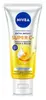
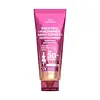
Nivea Extra Bright Super C+ Vitamin Body Serum SPF 50 Versus Luxe Organix Bakuchiol + Niacinamide Nano-Complex Whitening Serum Lotion SPF 50+
This sunscreen offers SPF 50 protection with a lightweight finish.
This hybrid sunscreen covers the full UV range and blocks ~98% of UVB at SPF 50.


What's inside
What's inside
 Key Ingredients
Benefits
Concerns
Ingredients Side-by-side
Myrciaria Dubia Fruit Juice
Antioxidant
Malpighia Glabra Fruit Juice
Skin ConditioningSodium Ascorbyl Phosphate
Antioxidant






Glutathione

Pentylene Glycol
Skin Conditioning
Bisabolol
Antioxidant

Propylene Glycol
Humectant

Sodium Hydroxide
BufferingCitric Acid
Buffering
Carbomer
Emulsion StabilisingHydroxyethylcellulose
Emulsion StabilisingDisodium Phosphate
BufferingSodium Phosphate
BufferingTrisodium EDTA
ChelatingPhenoxyethanol
Preservative
Methylparaben
Preservative

Ethylparaben
Preservative
Sodium Benzoate
Masking
Potassium Sorbate
Preservative
Sodium Polyacrylate
Absorbent
Trideceth-9
EmulsifyingParfum
Masking


Dimethyl Phenylethyl Carbinyl Acetate
Perfuming
Terpineol
Masking
3-Methyl-5-(2,2,3-Trimethyl-3-Cyclopentenyl)Pent-4-En-2-Ol
Perfuming
Myrciaria Dubia Fruit Juice, Malpighia Glabra Fruit Juice, Sodium Ascorbyl Phosphate, Glutathione, Pentylene Glycol, Bisabolol, Propylene Glycol, Sodium Hydroxide, Citric Acid, Carbomer, Hydroxyethylcellulose, Disodium Phosphate, Sodium Phosphate, Trisodium EDTA, Phenoxyethanol, Methylparaben, Ethylparaben, Sodium Benzoate, Potassium Sorbate, Sodium Polyacrylate, Trideceth-9, Parfum, Dimethyl Phenylethyl Carbinyl Acetate, Terpineol, 3-Methyl-5-(2,2,3-Trimethyl-3-Cyclopentenyl)Pent-4-En-2-Ol
Water
Skin ConditioningEthylhexyl Methoxycinnamate
UV Absorber
Propylene Glycol
Humectant
Cyclopentasiloxane
Emollient
Butyl Methoxydibenzoylmethane
UV Absorber
C12-15 Alkyl Benzoate
AntimicrobialGlyceryl Stearate
Emollient
PEG-100 Stearate
Surfactant
Dimethicone
Emollient
Parfum
Masking
Titanium Dioxide
Cosmetic Colorant
Homosalate
Skin Conditioning
Phenoxyethanol
Preservative
Niacinamide
Smoothing


Cetyl Alcohol
Emollient

Methylene Bis-Benzotriazolyl Tetramethylbutylphenol
UV Filter
Acrylates/C10-30 Alkyl Acrylate Crosspolymer
Emulsion StabilisingTriethanolamine
BufferingSodium Polyacrylate
Absorbent
Sodium Stearoyl Glutamate
CleansingBakuchiol
Antimicrobial
Squalane
Emollient
C13-14 Isoparaffin
Emollient
Aluminum Hydroxide
EmollientAllantoin
Skin Conditioning
Ethylhexylglycerin
Skin ConditioningDecyl Glucoside
Cleansing
Ectoin
Skin Conditioning
Phospholipids
Skin Conditioning
Glycerin
Humectant
Bis-Ethylhexyloxyphenol Methoxyphenyl Triazine
UV Absorber
Bis(Tripeptide-1) Copper Acetate
Skin Conditioning
Disodium EDTA
ChelatingLaureth-7
EmulsifyingTriethoxycaprylylsilane
BHT
Antioxidant
CI 19140
Cosmetic ColorantXanthan Gum
EmulsifyingBenzophenone-3
UV Absorber
Butylene Glycol
Humectant
Algin
MaskingPotassium Sorbate
Preservative
Sodium Benzoate
Masking
Caprylyl Glycol
Emollient
Calcium Chloride
AstringentWater, Ethylhexyl Methoxycinnamate, Propylene Glycol, Cyclopentasiloxane, Butyl Methoxydibenzoylmethane, C12-15 Alkyl Benzoate, Glyceryl Stearate, PEG-100 Stearate, Dimethicone, Parfum, Titanium Dioxide, Homosalate, Phenoxyethanol, Niacinamide, Cetyl Alcohol, Methylene Bis-Benzotriazolyl Tetramethylbutylphenol, Acrylates/C10-30 Alkyl Acrylate Crosspolymer, Triethanolamine, Sodium Polyacrylate, Sodium Stearoyl Glutamate, Bakuchiol, Squalane, C13-14 Isoparaffin, Aluminum Hydroxide, Allantoin, Ethylhexylglycerin, Decyl Glucoside, Ectoin, Phospholipids, Glycerin, Bis-Ethylhexyloxyphenol Methoxyphenyl Triazine, Bis(Tripeptide-1) Copper Acetate, Disodium EDTA, Laureth-7, Triethoxycaprylylsilane, BHT, CI 19140, Xanthan Gum, Benzophenone-3, Butylene Glycol, Algin, Potassium Sorbate, Sodium Benzoate, Caprylyl Glycol, Calcium Chloride
Alternatives
Ingredients Explained
These ingredients are found in both products.
Ingredients higher up in an ingredient list are typically present in a larger amount.
Parfum is a catch-all term for an ingredient or more that is used to give a scent to products.
Also called "fragrance", this ingredient can be a blend of hundreds of chemicals or plant oils. This means every product with "fragrance" or "parfum" in the ingredients list is a different mixture.
For instance, Habanolide is a proprietary trade name for a specific aroma chemical. When used as a fragrance ingredient in cosmetics, most aroma chemicals fall under the broad labeling category of “FRAGRANCE” or “PARFUM” according to EU and US regulations.
The term 'parfum' or 'fragrance' is not regulated in many countries. In many cases, it is up to the brand to define this term.
For instance, many brands choose to label themselves as "fragrance-free" because they are not using synthetic fragrances. However, their products may still contain ingredients such as essential oils that are considered a fragrance by INCI standards.
One example is Calendula flower extract. Calendula is an essential oil that still imparts a scent or 'fragrance'.
Depending on the blend, the ingredients in the mixture can cause allergies and sensitivities on the skin. Some ingredients that are known EU allergens include linalool and citronellol.
Parfum can also be used to mask or cover an unpleasant scent.
The bottom line is: not all fragrances/parfum/ingredients are created equally. If you are worried about fragrances, we recommend taking a closer look at an ingredient. And of course, we always recommend speaking with a professional.
Learn more about ParfumPhenoxyethanol is one of the most widely used preservatives in skincare (and for good reason!).
It has a large spectrum of antimicrobial activity and especially effective bacteria, yeast, and mold while only having a weak effect on your skin's natural microbiome.
On a cellular level, it disrupts the cell membranes of microbes by poking holes that make the cell leak. This shuts down the chemical reactions the microbe needs to make energy so it can no longer survive.
Another perk of this ingredient is that it stays functional across a wide pH range (3-10).
You'll often see it paired with boosters like Ethylhexylglycerin; one study showed that a 1:9 ratio of Ethylhexylglycerin to Phenoxyethanol damages bacterial membranes as effectively as doubling the Phenoxyethanol concentration on its own.
Typical use concentrations range from 0.3-1% depending on the formula, and this ingredient is capped at 1% int the EU.
Safety-wise, the fear mongering does not hold up to the evidence. The EU's Scientific Committee on Consumer Safety and FDA consider it safe as a preservative at up to 1%, including for children of all ages.
Adverse systemic effects only showed up in animal studies at exposures roughly 200x higher than what people get from cosmetics. And despite its very widespread use, this ingredient is a rare sensitizer and allergic reactions are uncommon.
Learn more about PhenoxyethanolPotassium Sorbate is a preservative used to prevent yeast and mold in products. It is commonly found in both cosmetic and food products.
This ingredient comes from potassium salt derived from sorbic acid. Sorbic acid is a natural antibiotic and effective against fungus.
Both potassium sorbate and sorbic acid can be found in baked goods, cheeses, dried meats, dried fruit, ice cream, pickles, wine, yogurt, and more.
You'll often find this ingredient used with other preservatives.
Learn more about Potassium SorbatePropylene Glycol is a synthetic, colorless, odorless liquid that has been a staple in cosmetics for decades. It is a skin conditioning agent, humectant, and solvent.
As a humectant, it draw water to the skin to reduce flaking and restore suppleness. It's also a solvent that helps dissolve other actives and keeps formulas stable across temperature changes.
The CIR Expert Panel has confirmed this ingredient to be nontoxic and clinical studies show no sensitization at cosmetic use concentrations.
True allergic reactions are quite rare: a 15-year retrospective study of 6,751 patients found only 0.31% had a positive reaction (and less than half were considered clinically relevant).
It seemed that when sensitization does occur, it's most commonly linked to topical medication (like corticosteroids) and not cosmetics. Allergic contact dermatitis also appears largely limited to individuals with underlying skin conditions.
Overall, propylene glycol is a well-studied ingredient that most people can tolerate without issue.
Learn more about Propylene GlycolSodium Benzoate is a preservative. It's used in both cosmetic and food products to inhibit the growth of mold and bacteria. It is typically produced synthetically.
Both the US FDA and EU Health Committee have approved the use of sodium benzoate. In the US, levels of 0.1% (of the total product) are allowed.
Sodium benzoate works as a preservative by inhibiting the growth of bacteria inside of cells. It prevents the cell from fermenting a type of sugar using an enzyme called phosphofructokinase.
It is the salt of benzoic acid. Foods containing sodium benzoate include soda, salad dressings, condiments, fruit juices, wines, and snack foods.
Studies for using ascorbic acid and sodium benzoate in cosmetics are lacking, especially in skincare routines with multiple steps.
We always recommend speaking with a professional, such as a dermatologist, if you have any concerns.
Learn more about Sodium BenzoateSodium Polyacrylate is the sodium salt of polyacrylic acid. It is used as an absorber, emollient, and stabilizer.
This ingredient is a super-absorbent polymer - meaning it can absorb 100 to 1000 times its mass in water. As an emollient, Sodium Polyacrylate helps soften and soothe skin. Emollients work by creating a barrier to trap moisture in. This helps keep your skin hydrated.


