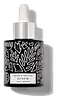
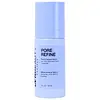
Naked & Thriving Renew Resurfacing Night Serum Versus iNNBEAUTY PROJECT Pore Refine Pore & Texture Serum
This anti-aging serum is formulated around Ferulic Acid to soften the look of wrinkles and brighten dull-looking skin.
This smoothing serum is formulated around Lactic Acid and Salix Alba Bark Extract to refine skin texture and refine the look of pores.

What's inside
What's inside
 Key Ingredients
Benefits
Concerns
Ingredients Side-by-side
Water
Skin ConditioningAloe Barbadensis Leaf Juice
Skin Conditioning


Glycerin
Humectant

Sodium Hyaluronate
Humectant

Propanediol
Solvent
Vaccinium Myrtillus Fruit Extract
Skin ConditioningSaccharum Officinarum Extract
MoisturisingTerminalia Ferdinandiana Fruit Extract
Antioxidant
Citrus Aurantium Dulcis Fruit Extract
MaskingFerulic Acid
Antimicrobial
Citrus Limon Fruit Extract
Masking
Pentylene Glycol
Skin Conditioning
Acer Saccharum Extract
Skin ConditioningPhenethyl Alcohol
MaskingCitric Acid
Buffering

Water, Aloe Barbadensis Leaf Juice, Glycerin, Sodium Hyaluronate, Propanediol, Vaccinium Myrtillus Fruit Extract, Saccharum Officinarum Extract, Terminalia Ferdinandiana Fruit Extract, Citrus Aurantium Dulcis Fruit Extract, Ferulic Acid, Citrus Limon Fruit Extract, Pentylene Glycol, Acer Saccharum Extract, Phenethyl Alcohol, Citric Acid
Water
Skin ConditioningCaprylic/Capric Triglyceride
Masking
Glycerin
Humectant
Propanediol
Solvent
Lactic Acid
Buffering




Squalane
Emollient
Arginine
Masking
Salix Alba Bark Extract
Astringent
Silica
Abrasive
Glycolic Acid
Buffering
Sodium Citrate
BufferingCetearyl Alcohol
Emollient



Arachidyl Alcohol
Emollient
Butylene Glycol
Humectant
Isodecyl Neopentanoate
EmollientTriethylhexanoin
MaskingHydrogenated Polydecene
EmollientNicotiana Benthamiana Hexapeptide-40 Sh-Polypeptide-76
Skin Conditioning
Palmitoyl Tripeptide-5
Skin Conditioning
Saccharomyces Ferment
Skin Conditioning
Harungana Madagascariensis Extract
Skin ConditioningTasmannia Lanceolata Fruit/Leaf Extract
Antioxidant
Oryza Sativa Bran Extract
Skin Conditioning
Fomes Officinalis Extract
Skin ProtectingOryza Sativa Starch
AbsorbentPistacia Lentiscus Gum
MaskingSodium PCA
Humectant
Centella Asiatica Leaf Extract
Skin Conditioning
Chamomilla Recutita Flower Extract
Masking
Sodium Hyaluronate
Humectant
Gluconolactone
Chelating
Helianthus Annuus Extract
Emollient
Rosmarinus Officinalis Leaf Extract
AntimicrobialXanthan Gum
EmulsifyingCoco-Glucoside
Cleansing
Coco-Caprylate/Caprate
Emollient
Behenyl Alcohol
Emollient
Polyacrylate Crosspolymer-6
Emulsion StabilisingMicrocrystalline Cellulose
AbsorbentHydroxyethyl Urea
Humectant
Glyceryl Caprylate
EmollientCastor Oil/Ipdi Copolymer

Glucose
Humectant
Tocopherol
Antioxidant
Cetearyl Olivate
Sorbitan Olivate
Emulsifying
C15-19 Alkane
SolventGlyceryl Stearate
Emollient
Sclerotium Gum
Emulsion StabilisingCaprylhydroxamic Acid
ChelatingEthylhexylglycerin
Skin ConditioningCitric Acid
Buffering
Hydrogenated Lecithin
Emulsifying
Phenethyl Alcohol
MaskingArachidyl Glucoside
EmulsifyingHydroxyacetophenone
Antioxidant
Lauroyl Lysine
Skin Conditioning
C9-12 Alkane
SolventDilinoleic Acid/Butanediol Copolymer
Sodium Phytate
ChelatingTriheptanoin
Skin ConditioningCaprylyl Glycol
Emollient
1,2-Hexanediol
Skin Conditioning
Water, Caprylic/Capric Triglyceride, Glycerin, Propanediol, Lactic Acid, Squalane, Arginine, Salix Alba Bark Extract, Silica, Glycolic Acid, Sodium Citrate, Cetearyl Alcohol, Arachidyl Alcohol, Butylene Glycol, Isodecyl Neopentanoate, Triethylhexanoin, Hydrogenated Polydecene, Nicotiana Benthamiana Hexapeptide-40 Sh-Polypeptide-76, Palmitoyl Tripeptide-5, Saccharomyces Ferment, Harungana Madagascariensis Extract, Tasmannia Lanceolata Fruit/Leaf Extract, Oryza Sativa Bran Extract, Fomes Officinalis Extract, Oryza Sativa Starch, Pistacia Lentiscus Gum, Sodium PCA, Centella Asiatica Leaf Extract, Chamomilla Recutita Flower Extract, Sodium Hyaluronate, Gluconolactone, Helianthus Annuus Extract, Rosmarinus Officinalis Leaf Extract, Xanthan Gum, Coco-Glucoside, Coco-Caprylate/Caprate, Behenyl Alcohol, Polyacrylate Crosspolymer-6, Microcrystalline Cellulose, Hydroxyethyl Urea, Glyceryl Caprylate, Castor Oil/Ipdi Copolymer, Glucose, Tocopherol, Cetearyl Olivate, Sorbitan Olivate, C15-19 Alkane, Glyceryl Stearate, Sclerotium Gum, Caprylhydroxamic Acid, Ethylhexylglycerin, Citric Acid, Hydrogenated Lecithin, Phenethyl Alcohol, Arachidyl Glucoside, Hydroxyacetophenone, Lauroyl Lysine, C9-12 Alkane, Dilinoleic Acid/Butanediol Copolymer, Sodium Phytate, Triheptanoin, Caprylyl Glycol, 1,2-Hexanediol
Ingredients Explained
These ingredients are found in both products.
Ingredients higher up in an ingredient list are typically present in a larger amount.
Citric Acid is an alpha hydroxy acid (AHA) naturally found in citrus fruits like oranges, lemons, and limes.
Like other AHAs, citric acid can exfoliate skin by breaking down the bonds that hold dead skin cells together. This helps reveal smoother and brighter skin underneath.
However, this exfoliating effect only happens at high concentrations (20%) which can be hard to find in cosmetic products.
Due to this, citric acid is usually included in small amounts as a pH adjuster. This helps keep products slightly more acidic and compatible with skin's natural pH.
In skincare formulas, citric acid can:
While it can provide some skin benefits, research shows lactic acid and glycolic acid are generally more effective and less irritating exfoliants.
Most citric acid used in skincare today is made by fermenting sugars (usually from molasses). This synthetic version is identical to the natural citrus form but easier to stabilize and use in formulations.
Rosacea skin has a lower threshold for acids generally, with 62.5% of rosacea subjects in one study reacting to lactic acid in a sting test. This is why we mark citric acid as a potential rosacea trigger.
However, this ingredient shows up as a pH adjuster or chelator at roughly 0.1-1% in many products. These low levels are unlikely to be an issue for rosacea skin and becomes a potential trigger at exfoliating concentrations (20%). Because everybody's skin is unique, we recommend a patch test if you are unsure.
Learn more about Citric AcidGlycerin (or glycerol) is a compound naturally found in your skin. It's a powerhouse humectant that pulls water into the stratum corneum.
Topically, glycerin does several things at once:
Your skin makes glycerin on its own (mostly from sebaceous oil breakdown) and shuttles it to your outermost layer of skin, or your epidermis, via aquaporin-3.
Aquaporin-3 is a transporter that is essential for normal skin hydration, elasticity, and repair. Interestingly, mice lacking in AQP3 have dry and less elastic skin that can be fully corrected with glycerin.
This ingredient is non-irritating, plays well with almost every ingredient, and works across all skin types. Typical use is anywhere between 3-10% but can go up to 79% in some leave-on products.
Just know very high concentrations (>40%) can feel tacky in low humidity.
Glycerin is the name for this ingredient in American English. British English uses Glycerol/Glycerine.
Learn more about GlycerinPhenethyl Alcohol is a colorless and aromatic alohol. It is naturally occuring in essential oils.
The scent of this ingredient is floral and often compared to rose.
Like other alcohols, this ingredient helps prevent the growth of bacteria. However, its main purpose is to impact a fragrance.
Learn more about Phenethyl AlcoholPropanediol is an all-star ingredient. It softens, hydrates, and smooths the skin.
It’s often used to:
Propanediol is not likely to cause sensitivity and considered safe to use. It is derived from corn or petroleum with a clear color and no scent.
Learn more about PropanediolSodium Hyaluronate is the salt form of hyaluronic acid. It is a long sugar chain that is naturally found in your skin, joints, and connective tissue that maintains hydration and elasticity.
In skincare, it works as a humectant. It pulls water from the environment and deeper layers of skin and binds it to the surface.
Interestingly, the size of the molecule affects its behavior:
Some clinical evidence links low molecular weight versions to improved wrinkle depth, elasticity, anti-inflammatory effects, and barrier repair.
Many serums use a blend of both weights so you can get surface hydration plus longer-lasting and deeper effects.
You'll typically see concentrations between 0.1-2% for this ingredient.
Learn more about Sodium HyaluronateWater. It's the most common cosmetic ingredient of all. You'll usually see it at the top of ingredient lists, meaning that it makes up the largest part of the product.
So why is it so popular? Water most often acts as a solvent - this means that it helps dissolve other ingredients into the formulation.
You'll also recognize water as that liquid we all need to stay alive. If you see this, drink a glass of water. Remember to stay hydrated!
Learn more about Water


