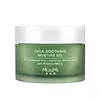
This calming moisturizer is formulated around Centella Asiatica Leaf Extract and Saccharide Isomerate to calm redness and hydrate skin.
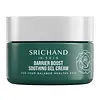
This barrier-repair moisturizer is formulated around Panthenol and Dipotassium Glycyrrhizate to strengthen the skin barrier and calm redness.

What's inside
What's inside
 Key Ingredients
Benefits
Concerns
Ingredients Side-by-side
Water
Skin ConditioningGlycerin
Humectant


Betaine
Humectant
Phenoxyethanol
Preservative
Saccharide Isomerate
Humectant
Isononyl Isononanoate
EmollientCarbomer
Emulsion StabilisingSodium Acrylate/Sodium Acryloyldimethyl Taurate Copolymer
Emulsion StabilisingIsohexadecane
EmollientPotassium Hydroxide
BufferingChlorphenesin
Antimicrobial
Disodium EDTA
ChelatingPolysorbate 80
Emulsifying

Butyrospermum Parkii Butter
Skin Conditioning


Centella Asiatica Leaf Extract
Skin Conditioning
Sorbitan Oleate
Emulsifying
Hydrolyzed Hyaluronic Acid
Humectant
Tocopheryl Acetate
Antioxidant


Aloe Barbadensis Leaf Extract
Emollient
Citric Acid
Buffering
Sodium Citrate
BufferingButylene Glycol
Humectant
Alteromonas Ferment Extract
Skin Conditioning
Sodium Benzoate
Masking
Water, Glycerin, Betaine, Phenoxyethanol, Saccharide Isomerate, Isononyl Isononanoate, Carbomer, Sodium Acrylate/Sodium Acryloyldimethyl Taurate Copolymer, Isohexadecane, Potassium Hydroxide, Chlorphenesin, Disodium EDTA, Polysorbate 80, Butyrospermum Parkii Butter, Centella Asiatica Leaf Extract, Sorbitan Oleate, Hydrolyzed Hyaluronic Acid, Tocopheryl Acetate, Aloe Barbadensis Leaf Extract, Citric Acid, Sodium Citrate, Butylene Glycol, Alteromonas Ferment Extract, Sodium Benzoate
Water
Skin ConditioningGlycerin
Humectant
Isohexadecane
EmollientDipropylene Glycol
HumectantCoco-Caprylate/Caprate
Emollient
Isononyl Isononanoate
EmollientHydroxyethyl Acrylate/Sodium Acryloyldimethyl Taurate Copolymer
Emulsion StabilisingPhenoxyethanol
Preservative
Panthenol
Skin Conditioning
Acrylates/C10-30 Alkyl Acrylate Crosspolymer
Emulsion StabilisingC14-22 Alcohols
Emulsion Stabilising
Chlorphenesin
Antimicrobial
Dipotassium Glycyrrhizate
Humectant
Sodium Hydroxide
BufferingAllantoin
Skin Conditioning
C12-20 Alkyl Glucoside
EmulsifyingDisodium EDTA
ChelatingPolysorbate 60
Emulsifying
Sorbitan Isostearate
Emulsifying
Sodium Hyaluronate
Humectant
Ectoin
Skin Conditioning
Avena Sativa Kernel Extract
Abrasive
Lactobacillus Ferment
Skin Conditioning
Pentylene Glycol
Skin Conditioning
Algin
MaskingCaprylyl Glycol
Emollient
Glyceryl Polyacrylate
Pullulan
Butylene Glycol
Humectant
Sodium Benzoate
Masking
1,2-Hexanediol
Skin Conditioning
Aphanothece Sacrum Polysaccharide
AbsorbentPotassium Sorbate
Preservative
Centella Asiatica Leaf Extract
Skin Conditioning
Castanea Sativa Leaf Extract
Skin ConditioningEthylhexylglycerin
Skin ConditioningCentella Asiatica Leaf
Skin Conditioning
CI 15985
Cosmetic ColorantCI 42090
Cosmetic ColorantWater, Glycerin, Isohexadecane, Dipropylene Glycol, Coco-Caprylate/Caprate, Isononyl Isononanoate, Hydroxyethyl Acrylate/Sodium Acryloyldimethyl Taurate Copolymer, Phenoxyethanol, Panthenol, Acrylates/C10-30 Alkyl Acrylate Crosspolymer, C14-22 Alcohols, Chlorphenesin, Dipotassium Glycyrrhizate, Sodium Hydroxide, Allantoin, C12-20 Alkyl Glucoside, Disodium EDTA, Polysorbate 60, Sorbitan Isostearate, Sodium Hyaluronate, Ectoin, Avena Sativa Kernel Extract, Lactobacillus Ferment, Pentylene Glycol, Algin, Caprylyl Glycol, Glyceryl Polyacrylate, Pullulan, Butylene Glycol, Sodium Benzoate, 1,2-Hexanediol, Aphanothece Sacrum Polysaccharide, Potassium Sorbate, Centella Asiatica Leaf Extract, Castanea Sativa Leaf Extract, Ethylhexylglycerin, Centella Asiatica Leaf, CI 15985, CI 42090
Ingredients Explained
These ingredients are found in both products.
Ingredients higher up in an ingredient list are typically present in a larger amount.
Butylene Glycol (or BG) is used within cosmetic products for a few different reasons:
Overall, Butylene Glycol is a safe and well-rounded ingredient that works well with other ingredients.
Though this ingredient works well with most skin types, some people with sensitive skin may experience a reaction such as allergic rashes, closed comedones, or itchiness.
Learn more about Butylene GlycolCentella Asiatica Leaf Extract comes from the leaves of an herb plant native to Southeast Asia. Centella Asiatica is rich in antioxidants and amino acids. It can help reduce irritation and soothe the skin.
Many active components found in centella asiatica, such as Madecassic Acid and Asiaticoside, encourage the skin to naturally produce hyaluronic acid. This helps keep our skin hydrated. Many of these components also show antioxidant activity and may help reduce the signs of aging.
Research shows centella asiatica can help increase Type I collagen production by increasing fibroblast production. Fibroblast helps form connective tissue.
The combination of all these properties makes centella asiatica leaf extract effective at soothing the skin.
Other components of centella asiatica leaf extract include Vitamin A, vitamin C, several B vitamins, and Asiatic Acid.
Recent studies found madecassoside may help prevent damage from UV rays by preventing UV-induced inflammation. Further research is needed.
This plant has been used as a medicine and in food for many centuries. As a medicine, it is used to treat burns, scratches, and wounds.
Learn more about Centella Asiatica Leaf ExtractChlorphenesin is a synthetic preservative. It helps protect a product against bacteria in order to extend shelf life. In most cases, Chlorphenesin is paired with other preservatives such as phenoxyethanol and caprylyl glycol.
Chlorphenesin is a biocide. This means it is able to help fight the microorganisms on our skin. It is also able to fight odor-releasing bacteria.
Chlorphenesin is soluble in both water and glycerin.
Studies show Chlorphenesin is easily absorbed by our skin. You should speak with a skincare professional if you have concerns about using Chlorphenesin.
Learn more about ChlorphenesinDisodium EDTA is a chelating agent. It grabs onto and deactivates metal ions that sneak into your products from water, packaging, or air.
This ingredient mainly works behind the scenes and helps with:
On top of that, this ingredient can counteract the effects of hard water by binding to the minerals in it.
One thing worth knowing is that Disodium EDTA has been shown to be a mild penetration enhancer. It can help other ingredients absorb into skin more effectively which can be a double-edged sword (great for actives, but can also make the active too strong if you have sensitive skin).
Clinical patch testing showed no significant skin irritation at typical use concentrations and minimal dermal absorption.
You'll most likely see this ingredient near the end of an ingredient list. It's typically found in concentrations less than 1%.
Learn more about Disodium EDTAGlycerin (or glycerol) is a compound naturally found in your skin. It's a powerhouse humectant that pulls water into the stratum corneum.
Topically, glycerin does several things at once:
Your skin makes glycerin on its own (mostly from sebaceous oil breakdown) and shuttles it to your outermost layer of skin, or your epidermis, via aquaporin-3.
Aquaporin-3 is a transporter that is essential for normal skin hydration, elasticity, and repair. Interestingly, mice lacking in AQP3 have dry and less elastic skin that can be fully corrected with glycerin.
This ingredient is non-irritating, plays well with almost every ingredient, and works across all skin types. Typical use is anywhere between 3-10% but can go up to 79% in some leave-on products.
Just know very high concentrations (>40%) can feel tacky in low humidity.
Glycerin is the name for this ingredient in American English. British English uses Glycerol/Glycerine.
Learn more about GlycerinIsohexadecane is added to enhance texture, emulsify, and to help cleanse. It is an isoparrafin. It is a component of petrolatum.
Due to its large size, Isohexadecane is not absorbed by the skin. Instead, it sits on top and acts as an emollient. Emollients help keep your skin soft and smooth by trapping moisture within.
Isohexadecane is often used in products designed to help oily skin. It is lightweight and non-greasy while helping to moisturize. When mixed with silicones, it gives a product a silky feel.
Learn more about IsohexadecaneIsononyl Isononanoate is a synthetic skin-conditioner and texture enhancer. It is created from nonanoic acid, a fatty acid found in cocoa and lavender oil.
As an emollient, Isononyl Isononanoate helps keep your skin soft and smooth. This is because emollients create a barrier on the skin to trap moisture in.
Isononyl Isononanoate helps give products a velvet feel and improves spreadability.
Learn more about Isononyl IsononanoatePhenoxyethanol is one of the most widely used preservatives in skincare (and for good reason!).
It has a large spectrum of antimicrobial activity and especially effective bacteria, yeast, and mold while only having a weak effect on your skin's natural microbiome.
On a cellular level, it disrupts the cell membranes of microbes by poking holes that make the cell leak. This shuts down the chemical reactions the microbe needs to make energy so it can no longer survive.
Another perk of this ingredient is that it stays functional across a wide pH range (3-10).
You'll often see it paired with boosters like Ethylhexylglycerin; one study showed that a 1:9 ratio of Ethylhexylglycerin to Phenoxyethanol damages bacterial membranes as effectively as doubling the Phenoxyethanol concentration on its own.
Typical use concentrations range from 0.3-1% depending on the formula, and this ingredient is capped at 1% int the EU.
Safety-wise, the fear mongering does not hold up to the evidence. The EU's Scientific Committee on Consumer Safety and FDA consider it safe as a preservative at up to 1%, including for children of all ages.
Adverse systemic effects only showed up in animal studies at exposures roughly 200x higher than what people get from cosmetics. And despite its very widespread use, this ingredient is a rare sensitizer and allergic reactions are uncommon.
Learn more about PhenoxyethanolSodium Benzoate is a preservative. It's used in both cosmetic and food products to inhibit the growth of mold and bacteria. It is typically produced synthetically.
Both the US FDA and EU Health Committee have approved the use of sodium benzoate. In the US, levels of 0.1% (of the total product) are allowed.
Sodium benzoate works as a preservative by inhibiting the growth of bacteria inside of cells. It prevents the cell from fermenting a type of sugar using an enzyme called phosphofructokinase.
It is the salt of benzoic acid. Foods containing sodium benzoate include soda, salad dressings, condiments, fruit juices, wines, and snack foods.
Studies for using ascorbic acid and sodium benzoate in cosmetics are lacking, especially in skincare routines with multiple steps.
We always recommend speaking with a professional, such as a dermatologist, if you have any concerns.
Learn more about Sodium BenzoateWater. It's the most common cosmetic ingredient of all. You'll usually see it at the top of ingredient lists, meaning that it makes up the largest part of the product.
So why is it so popular? Water most often acts as a solvent - this means that it helps dissolve other ingredients into the formulation.
You'll also recognize water as that liquid we all need to stay alive. If you see this, drink a glass of water. Remember to stay hydrated!
Learn more about Water

