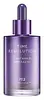
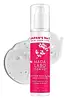
Missha Time Revolution Night Repair Ampoule 5x Versus Hada Labo Tokyo Anti-Aging Super Hydrator Lotion
This barrier-repair ampoule is formulated around Bifida Ferment Lysate and Niacinamide to strengthen the skin barrier and soften the look of wrinkles.
This anti-aging treatment is formulated around Sodium Hyaluronate and Retinyl Palmitate to soften the look of wrinkles and hydrate skin.


What's inside
What's inside
 Key Ingredients
Benefits
Concerns
Ingredients Side-by-side
Bifida Ferment Lysate
Skin Conditioning



Butylene Glycol
Humectant
1,2-Hexanediol
Skin Conditioning
Glycerin
Humectant
Betaine
Humectant
Propanediol
Solvent
Water
Skin ConditioningChondrus Crispus Extract
Skin Conditioning
Saccharum Officinarum Extract
MoisturisingPentylene Glycol
Skin Conditioning
Niacinamide
Smoothing







Polyquaternium-51
Skin Conditioning
Diethoxyethyl Succinate
SolventSqualane
Emollient
Panthenol
Skin Conditioning
Polyglyceryl-10 Laurate
Skin Conditioning

Hydrogenated Lecithin
Emulsifying
Carbomer
Emulsion StabilisingLactobacillus Ferment
Skin Conditioning
Lactobacillus Ferment Lysate
Skin Conditioning
Leuconostoc/Radish Root Ferment Filtrate
Antimicrobial
Lactococcus Ferment
Skin ConditioningLactobacillus/Acerola Cherry Ferment
Skin ProtectingLactobacillus/Soybean Ferment Extract
Skin ConditioningLactobacillus/Punica Granatum Fruit Ferment Extract
Antioxidant
Lactococcus Ferment Lysate
Skin Conditioning
Bifida Ferment Filtrate
Skin Conditioning
Tromethamine
BufferingSolanum Melongena Fruit Extract
Skin ConditioningDaucus Carota Sativa Root Extract
Skin Conditioning
Brassica Oleracea Capitata Leaf Extract
Skin ConditioningBeta Vulgaris Root Extract
Skin ConditioningVaccinium Angustifolium Fruit Extract
Skin Protecting
Ethylhexylglycerin
Skin ConditioningXanthan Gum
EmulsifyingAspergillus Ferment
Skin ConditioningSwiftlet Nest Extract
Skin ConditioningDextrin
AbsorbentTheobroma Cacao Extract
Skin ConditioningAdenosine
Skin Conditioning
Citrus Aurantium Bergamia Fruit Oil
Masking



Pelargonium Graveolens Flower Oil
Masking
Citrus Aurantium Dulcis Peel Oil
Masking
Lavandula Angustifolia Oil
Masking
Anthemis Nobilis Flower Oil
Masking
Santalum Album Oil
Masking
Limonene
Perfuming
Disodium EDTA
Sodium Hyaluronate
Humectant
Helianthus Annuus Seed Oil
Emollient
Lupinus Albus Seed Extract
Skin ConditioningTocopherol
Antioxidant
Ceramide NP
Skin Conditioning
Cholesterol
Emollient
Bifida Ferment Lysate, Butylene Glycol, 1,2-Hexanediol, Glycerin, Betaine, Propanediol, Water, Chondrus Crispus Extract, Saccharum Officinarum Extract, Pentylene Glycol, Niacinamide, Polyquaternium-51, Diethoxyethyl Succinate, Squalane, Panthenol, Polyglyceryl-10 Laurate, Hydrogenated Lecithin, Carbomer, Lactobacillus Ferment, Lactobacillus Ferment Lysate, Leuconostoc/Radish Root Ferment Filtrate, Lactococcus Ferment, Lactobacillus/Acerola Cherry Ferment, Lactobacillus/Soybean Ferment Extract, Lactobacillus/Punica Granatum Fruit Ferment Extract, Lactococcus Ferment Lysate, Bifida Ferment Filtrate, Tromethamine, Solanum Melongena Fruit Extract, Daucus Carota Sativa Root Extract, Brassica Oleracea Capitata Leaf Extract, Beta Vulgaris Root Extract, Vaccinium Angustifolium Fruit Extract, Ethylhexylglycerin, Xanthan Gum, Aspergillus Ferment, Swiftlet Nest Extract, Dextrin, Theobroma Cacao Extract, Adenosine, Citrus Aurantium Bergamia Fruit Oil, Pelargonium Graveolens Flower Oil, Citrus Aurantium Dulcis Peel Oil, Lavandula Angustifolia Oil, Anthemis Nobilis Flower Oil, Santalum Album Oil, Limonene, Disodium EDTA, Sodium Hyaluronate, Helianthus Annuus Seed Oil, Lupinus Albus Seed Extract, Tocopherol, Ceramide NP, Cholesterol
Water
Skin ConditioningButylene Glycol
Humectant
Glycerin
Humectant
PEG-20 Sorbitan Isostearate
Emulsifying
Phenoxyethanol
Preservative
PEG-60 Hydrogenated Castor Oil
Emulsifying
Triethylhexanoin
MaskingPropanediol
Solvent
PPG-10 Methyl Glucose Ether
Skin ConditioningSodium Hyaluronate
Humectant
Hydroxyethylcellulose
Emulsion StabilisingTocopherol
Antioxidant
BHT
Antioxidant
Disodium EDTA
Retinyl Palmitate
Skin Conditioning
Hydrolyzed Collagen
Emollient
Caprylhydroxamic Acid
Helianthus Annuus Seed Oil
Emollient
Hydrolyzed Hyaluronic Acid
Humectant
Sodium Acetylated Hyaluronate
Humectant
Benzoic Acid
Masking
Sorbic Acid
Preservative
Zea Mays Oil
Emulsifying
Thioctic Acid
Antioxidant
Beta-Carotene
Skin ConditioningSodium Hyaluronate Crosspolymer
Humectant
Pentylene Glycol
Skin Conditioning
Water, Butylene Glycol, Glycerin, PEG-20 Sorbitan Isostearate, Phenoxyethanol, PEG-60 Hydrogenated Castor Oil, Triethylhexanoin, Propanediol, PPG-10 Methyl Glucose Ether, Sodium Hyaluronate, Hydroxyethylcellulose, Tocopherol, BHT, Disodium EDTA, Retinyl Palmitate, Hydrolyzed Collagen, Caprylhydroxamic Acid, Helianthus Annuus Seed Oil, Hydrolyzed Hyaluronic Acid, Sodium Acetylated Hyaluronate, Benzoic Acid, Sorbic Acid, Zea Mays Oil, Thioctic Acid, Beta-Carotene, Sodium Hyaluronate Crosspolymer, Pentylene Glycol
Reviews
Ingredients Explained
These ingredients are found in both products.
Ingredients higher up in an ingredient list are typically present in a larger amount.
Butylene Glycol (or BG) is used within cosmetic products for a few different reasons:
Overall, Butylene Glycol is a safe and well-rounded ingredient that works well with other ingredients.
Though this ingredient works well with most skin types, some people with sensitive skin may experience a reaction such as allergic rashes, closed comedones, or itchiness.
Learn more about Butylene GlycolDisodium EDTA is a chelating agent. It grabs onto and deactivates metal ions that sneak into your products from water, packaging, or air.
This ingredient mainly works behind the scenes and helps with:
On top of that, this ingredient can counteract the effects of hard water by binding to the minerals in it.
One thing worth knowing is that Disodium EDTA has been shown to be a mild penetration enhancer. It can help other ingredients absorb into skin more effectively which can be a double-edged sword (great for actives, but can also make the active too strong if you have sensitive skin).
Clinical patch testing showed no significant skin irritation at typical use concentrations and minimal dermal absorption.
You'll most likely see this ingredient near the end of an ingredient list. It's typically found in concentrations less than 1%.
Learn more about Disodium EDTAGlycerin (or glycerol) is a compound naturally found in your skin. It's a powerhouse humectant that pulls water into the stratum corneum.
Topically, glycerin does several things at once:
Your skin makes glycerin on its own (mostly from sebaceous oil breakdown) and shuttles it to your outermost layer of skin, or your epidermis, via aquaporin-3.
Aquaporin-3 is a transporter that is essential for normal skin hydration, elasticity, and repair. Interestingly, mice lacking in AQP3 have dry and less elastic skin that can be fully corrected with glycerin.
This ingredient is non-irritating, plays well with almost every ingredient, and works across all skin types. Typical use is anywhere between 3-10% but can go up to 79% in some leave-on products.
Just know very high concentrations (>40%) can feel tacky in low humidity.
Glycerin is the name for this ingredient in American English. British English uses Glycerol/Glycerine.
Learn more about GlycerinHelianthus Annuus Seed Oil is a plant oil derived from the seeds of a sunflower.
It is rich in fatty acids, primarily linoleic acid and oleic acid. This gives it emollient and skin conditioning properties.
The reason this ingredient is so effective is because it forms a thin film on the skin that reduces transepidermal water loss (TEWL) while supplying linoleic acid to the stratum corneum to improve barrier strength.
The high linoleic acid content is particularly noteworthy for acne-prone skin.
Research suggests that acne-prone skin tends to be deficient in linoleic acid in sebum. Topical application may help replenish this to support a healthier follicular environment and less comedone-promoting sebum.
One randomized study found sunflower seed oil preserved skin barrier integrity in adult volunteers with and without atopic dermatitis (outperforming olive oil).
This ingredient is well-studied, gentle, and an effective emollient suitable for most skin types.
On fungal acne: This ingredient may not be Fungal acne (Malassezia folliculitis) safe. This is because it contains fatty acids with carbon chain lengths in the C11-C24 range.
Learn more about Helianthus Annuus Seed OilPentylene Glycol (1,2-pentanediol) is a multitasking little diol with three main roles in a formula:
Research on alkanediols (the family pentylene glycol belongs to) show they work by disrupting microbial cell membranes. This disruption helps the primary preservative system in a product work more effectively at lower doses.
On the safety side, the Cosmetic Ingredient Review Expert Panel has concluded this ingredient to be safe as used in current cosmetic practices + concentrations.
Typical use levels in a formula run about 1-5%.
Learn more about Pentylene GlycolPropanediol is an all-star ingredient. It softens, hydrates, and smooths the skin.
It’s often used to:
Propanediol is not likely to cause sensitivity and considered safe to use. It is derived from corn or petroleum with a clear color and no scent.
Learn more about PropanediolSodium Hyaluronate is the salt form of hyaluronic acid. It is a long sugar chain that is naturally found in your skin, joints, and connective tissue that maintains hydration and elasticity.
In skincare, it works as a humectant. It pulls water from the environment and deeper layers of skin and binds it to the surface.
Interestingly, the size of the molecule affects its behavior:
Some clinical evidence links low molecular weight versions to improved wrinkle depth, elasticity, anti-inflammatory effects, and barrier repair.
Many serums use a blend of both weights so you can get surface hydration plus longer-lasting and deeper effects.
You'll typically see concentrations between 0.1-2% for this ingredient.
Learn more about Sodium HyaluronateTocopherol is a fat-soluble antioxidant known as Vitamin E.
You'll find this ingredient in the vast majority of skincare (for good reason). It works to neutralize free radicals, or unstable molecules generated by UV exposure, pollution, and other environmental stressors, before they can cause oxidative damage to your skin cells.
Topically applied tocopherol has been shown to protect against UV damage by ramping up the skin's own natural defense enzymes.
It also acts as a skin conditioning agent; some studies show that regular topical use can improve the skin's water-binding capacity over 2-4 weeks.
This ingredient is especially loved for being a team player. When combined with Vitamin C, the photoprotective effect of both ingredients roughly doubles and the combo also helps reduce UV-induced DNA damage.
This ingredient has some brightening potential but it's more of a prevention ingredient than spot-fader. Cell studies show it can slow down melanin production but it's worth noting that it's not the most powerful brightener out there.
In formulations, it also serves as a stabilizer that helps protect other oxidation-prone ingredients from degrading.
Concentrations usually range from 0.1-1% in most leave-on products.
Learn more about TocopherolWater. It's the most common cosmetic ingredient of all. You'll usually see it at the top of ingredient lists, meaning that it makes up the largest part of the product.
So why is it so popular? Water most often acts as a solvent - this means that it helps dissolve other ingredients into the formulation.
You'll also recognize water as that liquid we all need to stay alive. If you see this, drink a glass of water. Remember to stay hydrated!
Learn more about Water

