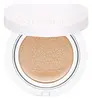
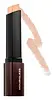
Missha Magic Cushion Cover Lasting Versus Hourglass Cosmetics Hourglass Vanish Seamless Foundation Stick


What's inside
What's inside
 Key Ingredients
Benefits
Concerns
Ingredients Side-by-side
CI 77891
Cosmetic ColorantTriethoxycaprylylsilane

Tocopherol
Antioxidant







Phenoxyethanol
Preservative
Parfum
Masking




Water
Skin ConditioningPersea Gratissima Oil
Skin Conditioning


Bambusa Vulgaris Water
Skin ConditioningCalendula Officinalis Flower Extract
Masking
Disteardimonium Hectorite
StabilisingPersea Gratissima Butter
Skin Conditioning
Euphorbia Cerifera Wax
Pentylene Glycol
Skin Conditioning
Mentha Piperita Extract
CleansingNeopentyl Glycol Diheptanoate
EmollientMagnesium Sulfate
Cetearyl Dimethicone/Vinyl Dimethicone Crosspolymer
Emollient
Hydrogenated Polydecene
EmollientSilica
Abrasive


Cetyl PEG/PPG-10/1 Dimethicone
Emulsifying
Cetyl Ethylhexanoate
EmollientPolymethylsilsesquioxane
PEG-8
HumectantCyclopentasiloxane
Emollient
Dimethicone Crosspolymer
Emulsion Stabilising
Butylene Glycol Dicaprylate/Dicaprate
EmollientCI 77491
Cosmetic ColorantCI 77492
Cosmetic ColorantEthylhexyl Salicylate
UV Absorber

Vinyl Dimethicone/Methicone Silsesquioxane Crosspolymer
Polyethylene
Abrasive
CI 77499
Cosmetic ColorantSynthetic Fluorphlogopite
Hdi/Trimethylol Hexyllactone Crosspolymer
Ethylhexylglycerin
Skin ConditioningMica
Cosmetic ColorantMangifera Indica Seed Butter
Skin Conditioning
Ethylhexyl Methoxycinnamate
UV Absorber
Rosa Canina Fruit Oil
Emollient
Methyl Methacrylate Crosspolymer
Phenyl Trimethicone
Skin Conditioning
Calophyllum Inophyllum Seed Oil
Antimicrobial
Cyclohexasiloxane
Emollient
C12-15 Alkyl Benzoate
AntimicrobialAlumina
Abrasive
Dipropylene Glycol
HumectantDiphenylsiloxy Phenyl Trimethicone
Skin Conditioning
Trimethylsiloxysilicate
Emollient
Sorbitan Isostearate
Emulsifying
Acrylates/Stearyl Acrylate/Dimethicone Methacrylate Copolymer
Aluminum Hydroxide
EmollientCereus Grandiflorus Flower Extract
Skin ConditioningOlea Europaea Fruit Oil
Masking
PEG-8 Dimethicone
Emulsifying
Methicone
Emollient
Glycerin
Humectant
Adansonia Digitata Fruit Extract
EmollientTriethylhexanoin
MaskingCaprylyl Methicone
Skin Conditioning
Niacinamide
Smoothing


Dimethicone
Emollient
Oxygen
Skin ConditioningAdenosine
Skin Conditioning
Boron Nitride
Absorbent
Hamamelis Virginiana Extract
Antiseborrhoeic
Butyrospermum Parkii Butter
Skin Conditioning
Stearic Acid
Cleansing
PEG-32
HumectantEucalyptus Globulus Leaf Extract
Perfuming
Xylitol
Humectant
Helianthus Annuus Seed Oil
Emollient
Hydrogenated Vegetable Oil
Emollient
Butylene Glycol
Humectant
1,2-Hexanediol
Skin Conditioning
Microcrystalline Wax
Emulsion StabilisingLauryl PEG-9 Polydimethylsiloxyethyl Dimethicone
Skin Conditioning
Disodium EDTA
ChelatingCaprylic/Capric Triglyceride
Masking
CI 77891, Triethoxycaprylylsilane, Tocopherol, Phenoxyethanol, Parfum, Water, Persea Gratissima Oil, Bambusa Vulgaris Water, Calendula Officinalis Flower Extract, Disteardimonium Hectorite, Persea Gratissima Butter, Euphorbia Cerifera Wax, Pentylene Glycol, Mentha Piperita Extract, Neopentyl Glycol Diheptanoate, Magnesium Sulfate, Cetearyl Dimethicone/Vinyl Dimethicone Crosspolymer, Hydrogenated Polydecene, Silica, Cetyl PEG/PPG-10/1 Dimethicone, Cetyl Ethylhexanoate, Polymethylsilsesquioxane, PEG-8, Cyclopentasiloxane, Dimethicone Crosspolymer, Butylene Glycol Dicaprylate/Dicaprate, CI 77491, CI 77492, Ethylhexyl Salicylate, Vinyl Dimethicone/Methicone Silsesquioxane Crosspolymer, Polyethylene, CI 77499, Synthetic Fluorphlogopite, Hdi/Trimethylol Hexyllactone Crosspolymer, Ethylhexylglycerin, Mica, Mangifera Indica Seed Butter, Ethylhexyl Methoxycinnamate, Rosa Canina Fruit Oil, Methyl Methacrylate Crosspolymer, Phenyl Trimethicone, Calophyllum Inophyllum Seed Oil, Cyclohexasiloxane, C12-15 Alkyl Benzoate, Alumina, Dipropylene Glycol, Diphenylsiloxy Phenyl Trimethicone, Trimethylsiloxysilicate, Sorbitan Isostearate, Acrylates/Stearyl Acrylate/Dimethicone Methacrylate Copolymer, Aluminum Hydroxide, Cereus Grandiflorus Flower Extract, Olea Europaea Fruit Oil, PEG-8 Dimethicone, Methicone, Glycerin, Adansonia Digitata Fruit Extract, Triethylhexanoin, Caprylyl Methicone, Niacinamide, Dimethicone, Oxygen, Adenosine, Boron Nitride, Hamamelis Virginiana Extract, Butyrospermum Parkii Butter, Stearic Acid, PEG-32, Eucalyptus Globulus Leaf Extract, Xylitol, Helianthus Annuus Seed Oil, Hydrogenated Vegetable Oil, Butylene Glycol, 1,2-Hexanediol, Microcrystalline Wax, Lauryl PEG-9 Polydimethylsiloxyethyl Dimethicone, Disodium EDTA, Caprylic/Capric Triglyceride
Phenyl Trimethicone
Skin Conditioning
C12-15 Alkyl Ethylhexanoate
EmollientCaprylic/Capric Triglyceride
Masking
Ethylhexyl Methoxycinnamate
UV Absorber
Euphorbia Cerifera Wax
Candelilla Cera
Emollient
Ceresin
Emulsion StabilisingPolyethylene
Abrasive
Pentylene Glycol
Skin Conditioning
Microcrystalline Wax
Emulsion StabilisingPolyglyceryl-2 Triisostearate
Emulsifying
Vp/Hexadecene Copolymer
Methyl Methacrylate Crosspolymer
1,2-Hexanediol
Skin Conditioning
Aluminum Hydroxide
EmollientBHT
Antioxidant
Caprylyl Glycol
Emollient
Dimethicone
Emollient
Ethylhexylglycerin
Skin ConditioningIllicium Verum Fruit Extract
Perfuming
Isostearyl Alcohol
Emollient
Lauryl Laurate
Skin Conditioning
Lauryl PEG/PPG-18/18 Methicone
Skin Conditioning
Macadamia Seed Oil Polyglyceryl-6 Esters Behenate
Emollient
Methicone
Emollient
Mica
Cosmetic ColorantPhenoxyethanol
Preservative
Propanediol
Solvent
Silica
Abrasive
Talc
Abrasive
Triethoxycaprylylsilane
CI 77491
Cosmetic ColorantCI 77492
Cosmetic ColorantCI 77499
Cosmetic ColorantCI 77891
Cosmetic ColorantPhenyl Trimethicone, C12-15 Alkyl Ethylhexanoate, Caprylic/Capric Triglyceride, Ethylhexyl Methoxycinnamate, Euphorbia Cerifera Wax, Candelilla Cera, Ceresin, Polyethylene, Pentylene Glycol, Microcrystalline Wax, Polyglyceryl-2 Triisostearate, Vp/Hexadecene Copolymer, Methyl Methacrylate Crosspolymer, 1,2-Hexanediol, Aluminum Hydroxide, BHT, Caprylyl Glycol, Dimethicone, Ethylhexylglycerin, Illicium Verum Fruit Extract, Isostearyl Alcohol, Lauryl Laurate, Lauryl PEG/PPG-18/18 Methicone, Macadamia Seed Oil Polyglyceryl-6 Esters Behenate, Methicone, Mica, Phenoxyethanol, Propanediol, Silica, Talc, Triethoxycaprylylsilane, CI 77491, CI 77492, CI 77499, CI 77891
Reviews
Ingredients Explained
These ingredients are found in both products.
Ingredients higher up in an ingredient list are typically present in a larger amount.
1,2-Hexanediol is a synthetic liquid and another multi-functional powerhouse.
It is a:
- Humectant, drawing moisture into the skin
- Emollient, helping to soften skin
- Solvent, dispersing and stabilizing formulas
- Preservative booster, enhancing the antimicrobial activity of other preservatives
Aluminum Hydroxide is a form of aluminum. It can be naturally found in nature as the mineral gibbsite. In cosmetics, Aluminum Hydroxide is used as a colorant, pH adjuster, and absorbent.
As a colorant, Aluminum Hydroxide may add opacity, or reduce the transparency. Aluminum hydroxide is contains both basic and acidic properties.
According to manufacturers, this ingredient is an emollient and humectant. This means it helps hydrate the skin.
In medicine, this ingredient is used to help relieve heartburn and help heal ulcers.
There is currently no credible scientific evidence linking aluminum hydroxide in cosmetics to increased cancer risk.
Major health organizations allow the use of aluminum hydroxide in personal care products and have not flagged it as a carcinogenic risk at typical usage levels.
Learn more about Aluminum HydroxideCaprylic/Capric Triglyceride (aka MCT Oil) is a lightweight emollient, solvent, and texture enhancer. It is considered a skin-softener by helping to prevent moisture loss.
Though it behaves like an oil, it is not technically one due to its chemical composition. One perk of this ingredient is that it is very stable, resistant to oxidation, and unlikely to go rancid.
In practice, that translates to a long shelf life and a consistently elegant skin feel.
While there is an assumption Caprylic Triglyceride can clog pores due to it being derived from coconut oil, there is no research supporting this. Just patch test if you have concerns.
Fractionated coconut oil and MCT Oil are both listed as Caprylic/Capric Triglyceride according to INCI. This is because INCI names are based on the ingredient’s final chemical composition and not its marketing name or source.
This ingredient is treated as the gold standard fungal acne safe oil. Even though it is coconut derived, the problematic lauric acid is stripped out.
This leaves just caprylic (C8) and capric (C10) acid. These chain lengths actually trend antifungal; a 2020 study found caprylic acid was enough to disrupt Malassezia furfur cell membrane, with a caprylic acid derivative damaging membrane structures at concentrations as low as 0.2%.
Learn more about Caprylic/Capric TriglycerideCi 77491 is also hydrated iron III oxide. It's sole purpose is to give a red/pink hue to products.
Iron III oxides are classified as inorganic chemicals for coloring.
Synthetically created Ci 77491 is considered safer than those naturally found. This is because the synthetically created version may contain less impurities. Iron oxides are generally non-toxic and non-allergenic.
Learn more about CI 77491CI 77492 is also hydrated iron III oxide. It's sole purpose is to give a yellow hue to products.
Iron III oxides are classified as inorganic chemicals for coloring.
Synthetically created CI 77492 is considered safer than those naturally found. This is because the synthetically created version may contain less impurities. Iron oxides are generally non-toxic and non-allergenic.
Learn more about CI 77492Ci 77499 is also hydrated iron III oxide. It is created from mixing red and black iron oxides. This helps give shades of darkness to a product.
Iron III oxides are classified as inorganic chemicals for coloring.
Ci 77891 is a white pigment from Titanium dioxide. It is naturally found in minerals such as rutile and ilmenite.
It's main function is to add a white color to cosmetics. It can also be mixed with other colors to create different shades.
Ci 77891 is commonly found in sunscreens due to its ability to block UV rays.
Learn more about CI 77891Dimethicone is a type of synthetic silicone created from natural materials such as quartz. It is also known as polydimethylsiloxane.
What it does:
Dimethicone comes in different viscosities:
Depending on the viscosity, dimethicone has different properties.
Ingredients lists don't always show which type is used, so we recommend reaching out to the brand if you have questions about the viscosity.
This ingredient is unlikely to cause irritation because it does not get absorbed into skin. However, people with silicone allergies should be careful about using this ingredient.
Note: Dimethicone may contribute to pilling. This is because it is not oil or water soluble, so pilling may occur when layered with products. When mixed with heavy oils in a formula, the outcome is also quite greasy.
Learn more about DimethiconeThis ingredient is also known as Octinoxate and is one of the oldest and most widely used chemical UV filters in skincare.
It has a simple job: soap up UVB radiation (290-320 nm), the wavelengths responsible for sunburn and a big chunk of long-term sun damage.
In formulas, it's always paired with a separate UVA filter because octinoxate solely protects skin from UVB.
Because it's an oil-soluble liquid, it's easy to blend into the oil phase of lotions/creams and gives a cosmetically elegant feel.
The one quirk about formulating this ingredient is photostability; the molecule slowly changes shape into a less effective version when sunlight hits it. So the longer you're in the sun, the weaker its protection gets. The drop can be more than 30% in some formulas.
It also doesn't play nice with Avobenzone (the common UVA filter) since avobenzone destabilizes octinoxate and the two degrade each other. But don't worry: brands have solved this issue by adding photostabilizers like Tinosorb S to prevent degradation and keep SPF stable under heavy UV exposure.
The maximum allowed level is 10% in the EU and Australia, 7.5% in the US and Canada, and 20% in Japan.
The Cosmetic Ingredient Review Panel has concluded this ingredient to be safe in cosmetics up to 10%.
One last thing worth knowing for context:
Octinoxate has been the subject of ongoing review in Europe where the Scientific Committee on Consumer Safety's (SCCS) 2025 final opinion is that this ingredient is an endocrine-active substance.
Lab and animal studies suggest it can act a bit like a hormone in the body (mildly mimicking estrogen and slightly blocking male hormones). It's important to know this hasn't really been shown to happen in everyday human use.
This ingredient is also banned in Hawaii over coral reef concerns.
Learn more about Ethylhexyl MethoxycinnamateEthylhexylglycerin is created from glycerin. It is a multitasker ingredient that:
The CIR Expert Panel found minimal skin absorption or sensitization of any kind in a safety assessment. Though this ingredient is considered well-tolerated, a small number of cases of allergic dermatitis have been published since 2002. Just be sure to patch test if you are unsure.
Industry-reported use ranges from 8% in rinse-off products and 2% in leave-on formulations.
Learn more about EthylhexylglycerinMethicone is a type of silicone and is a simpler form of dimethicone.
Silicones are used to enhance the texture of products and have emollient properties. Methicone is used to give products a silky texture and improves spreadability.
This ingredient comes as a powder made up of small, porous, microbeads. It is used to add a silky feel to products and also helps absorb oil.
Mica is a naturally occurring mineral used to add shimmer and color in cosmetics. It can also help improve the texture of a product or give it an opaque, white/silver color.
Serecite is the name for very fine but ragged grains of mica.
This ingredient is often coated with metal oxides like titanium dioxide. Trace amounts of heavy metals may be found in mica, but these metals are not harmful in our personal products.
Mica has been used since prehistoric times throughout the world. Ancient Egyptian, Indian, Greek, Roman, Aztec, and Chinese civilizations have used mica.
Learn more about MicaMicrocrystalline Wax is derived from petroleum through a de-oiling process, then highly refined and purified before use in cosmetics.
In skincare formulations, it is used to improve texture and create a smooth, even consistency. It also helps stabilize products by preventing ingredients from separating.
Pentylene Glycol (1,2-pentanediol) is a multitasking little diol with three main roles in a formula:
Research on alkanediols (the family pentylene glycol belongs to) show they work by disrupting microbial cell membranes. This disruption helps the primary preservative system in a product work more effectively at lower doses.
On the safety side, the Cosmetic Ingredient Review Expert Panel has concluded this ingredient to be safe as used in current cosmetic practices + concentrations.
Typical use levels in a formula run about 1-5%.
Learn more about Pentylene GlycolPhenoxyethanol is one of the most widely used preservatives in skincare (and for good reason!).
It has a large spectrum of antimicrobial activity and especially effective bacteria, yeast, and mold while only having a weak effect on your skin's natural microbiome.
On a cellular level, it disrupts the cell membranes of microbes by poking holes that make the cell leak. This shuts down the chemical reactions the microbe needs to make energy so it can no longer survive.
Another perk of this ingredient is that it stays functional across a wide pH range (3-10).
You'll often see it paired with boosters like Ethylhexylglycerin; one study showed that a 1:9 ratio of Ethylhexylglycerin to Phenoxyethanol damages bacterial membranes as effectively as doubling the Phenoxyethanol concentration on its own.
Typical use concentrations range from 0.3-1% depending on the formula, and this ingredient is capped at 1% int the EU.
Safety-wise, the fear mongering does not hold up to the evidence. The EU's Scientific Committee on Consumer Safety and FDA consider it safe as a preservative at up to 1%, including for children of all ages.
Adverse systemic effects only showed up in animal studies at exposures roughly 200x higher than what people get from cosmetics. And despite its very widespread use, this ingredient is a rare sensitizer and allergic reactions are uncommon.
Learn more about PhenoxyethanolPhenyl Trimethicone is a silicon-based polymer. It is derived from silica.
Phenyl Trimethicone is used as an emollient and prevents products from foaming.
As an emollient, it helps trap moisture in the skin. It is considered an occlusive.
Learn more about Phenyl TrimethiconePolyethylene is a synthetic ingredient that helps the skin retain moisture. It is a polymer.
It is also typically used within product formulations to help bind solid ingredients together and thicken oil-based ingredients. When added to balms and emulsions, it helps increase the melting point temperature.
Silica, also known as silicon dioxide, is a naturally occurring mineral. It is used as a fine, spherical, and porous powder in cosmetics.
Though it has exfoliant properties, the function of silica varies depending on the product.
The unique structure of silica enhances the spreadability and adds smoothness, making it a great texture enhancer.
It is also used as an active carrier, emulsifier, and mattifier due to its ability to absorb excess oil.
In some products, tiny microneedles called spicules are made from silica or hydrolyzed sponge. When you rub them in, they lightly polish away dead skin layers and enhance the penetration of active ingredients.
Learn more about SilicaTriethoxycaprylylsilane is a silicon-based surface modifier that makes sunscreens feel silky and makeup stay put.
Its main job is to coat mineral particles like titanium dioxide, zinc oxide, and color pigments in a thin, oily layer so they spread smoothly, don't clump, and stick to skin better.
This ingredient is typically used at low levels (up to 2.5% in eyeshadow and 1% in lipstick).
Learn more about TriethoxycaprylylsilaneEuphorbia Cerifera Wax (aka candelilla wax) is a vegan stand-in for beeswax. It is a plant-derived wax that functions as an astringent, emulsion stabilizer, film-former, and skin conditioner.
On skin, it forms a protective barrier that helps lock in moisture while it enhances product stability, prevents separation, and helps color last longer in makeup.
This ingredient is generally safe for use in cosmetics with one nuance: some grades of candelilla wax can naturally contain benzyl alcohol at concentrations high enough to require declaration under EU labeling rules. This isn't a concern for most people but relevant for those with fragrance sensitivities.
Candelilla wax contains fatty acids (mainly C31) and wax esters that can be used by the Malassezia yeast, so this ingredient may not be fungal acne safe.
You might see Euphorbia Cerifera "Cera" instead of "wax". This is because some brands, databases, or labels use it interchangeably; they're the same ingredient.
Learn more about Euphorbia Cerifera Wax

