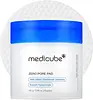
This pore-care toner pad uses a pre-saturated pad with Lactic Acid and Salicylic Acid to refine the look of pores and refine skin texture.
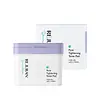
This pore-care toner pad uses a pre-saturated pad with Niacinamide and Salicylic Acid to refine the look of pores and calm redness.

What's inside
What's inside
 Key Ingredients
Benefits
Concerns
Ingredients Side-by-side
Water
Skin ConditioningMethylpropanediol
SolventTromethamine
BufferingLactic Acid
Buffering










Alcohol Denat.
Antimicrobial

1,2-Hexanediol
Skin Conditioning
Panthenol
Skin Conditioning


Glycereth-26
Humectant
Salicylic Acid
Masking


Ammonium Acryloyldimethyltaurate/Vp Copolymer
Betaine
Humectant
Trehalose
Humectant
Polyglyceryl-10 Laurate
Skin Conditioning
Ethylhexylglycerin
Skin ConditioningGlycerin
Humectant
Allantoin
Skin Conditioning
Polyglyceryl-10 Myristate
Skin Conditioning
Disodium EDTA
ChelatingButylene Glycol
Humectant
Sodium Hyaluronate
Humectant
Betaine Salicylate
Antimicrobial
Citrus Aurantium Dulcis Peel Oil
Masking

Citrus Limon Peel Oil
Masking

Citrus Grandis Peel Oil
Masking
Citrus Aurantium Bergamia Fruit Oil
Masking
Rosmarinus Officinalis Leaf Oil
Masking
Eucalyptus Globulus Leaf Oil
Perfuming
Lavandula Angustifolia Oil
Masking
Vitis Vinifera Fruit Extract
Skin ConditioningCitrus Aurantifolia Fruit Extract
Skin ConditioningCitrus Limon Fruit Extract
Masking
Pyrus Malus Fruit Extract
Skin Conditioning
Citrus Aurantium Dulcis Fruit Extract
MaskingEthyl Hexanediol
SolventCentella Asiatica Extract
Cleansing
Salix Alba Bark Extract
Astringent
Origanum Vulgare Leaf Extract
Skin ConditioningChamaecyparis Obtusa Leaf Extract
Skin ConditioningLactobacillus/Soybean Ferment Extract
Skin ConditioningCinnamomum Cassia Bark Extract
Masking
Scutellaria Baicalensis Root Extract
Astringent
Portulaca Oleracea Extract
Skin Conditioning
Oenothera Biennis Flower Extract
AstringentPinus Palustris Leaf Extract
TonicUlmus Davidiana Root Extract
Skin Conditioning
Pueraria Lobata Root Extract
HumectantLimonene
Perfuming
Water, Methylpropanediol, Tromethamine, Lactic Acid, Alcohol Denat., 1,2-Hexanediol, Panthenol, Glycereth-26, Salicylic Acid, Ammonium Acryloyldimethyltaurate/Vp Copolymer, Betaine, Trehalose, Polyglyceryl-10 Laurate, Ethylhexylglycerin, Glycerin, Allantoin, Polyglyceryl-10 Myristate, Disodium EDTA, Butylene Glycol, Sodium Hyaluronate, Betaine Salicylate, Citrus Aurantium Dulcis Peel Oil, Citrus Limon Peel Oil, Citrus Grandis Peel Oil, Citrus Aurantium Bergamia Fruit Oil, Rosmarinus Officinalis Leaf Oil, Eucalyptus Globulus Leaf Oil, Lavandula Angustifolia Oil, Vitis Vinifera Fruit Extract, Citrus Aurantifolia Fruit Extract, Citrus Limon Fruit Extract, Pyrus Malus Fruit Extract, Citrus Aurantium Dulcis Fruit Extract, Ethyl Hexanediol, Centella Asiatica Extract, Salix Alba Bark Extract, Origanum Vulgare Leaf Extract, Chamaecyparis Obtusa Leaf Extract, Lactobacillus/Soybean Ferment Extract, Cinnamomum Cassia Bark Extract, Scutellaria Baicalensis Root Extract, Portulaca Oleracea Extract, Oenothera Biennis Flower Extract, Pinus Palustris Leaf Extract, Ulmus Davidiana Root Extract, Pueraria Lobata Root Extract, Limonene
Water
Skin ConditioningDipropylene Glycol
HumectantButylene Glycol
Humectant
Glycerin
Humectant
Niacinamide
Smoothing
Aloe Barbadensis Leaf Juice
Skin Conditioning
Calendula Officinalis Extract
Skin Conditioning
Avena Sativa Kernel Extract
Abrasive

Cucumis Sativus Fruit Extract
Emollient
Hydroxyacetophenone
Antioxidant
Tromethamine
BufferingPolyglyceryl-10 Laurate
Skin Conditioning
Salicylic Acid
Masking
Gluconolactone
Chelating
Caprylyl Glycol
Emollient
Lactic Acid
Buffering
Carbomer
Emulsion Stabilising1,2-Hexanediol
Skin Conditioning
Ammonium Acryloyldimethyltaurate/Vp Copolymer
Ethylhexylglycerin
Skin ConditioningXanthan Gum
EmulsifyingTocopherol
Antioxidant
Adenosine
Skin Conditioning
Cellulose Gum
Emulsion StabilisingLaminaria Ochroleuca Extract
Skin Conditioning
Hydrolyzed DNA
Skin ConditioningHamamelis Virginiana Extract
Antiseborrhoeic
Capryloyl Salicylic Acid
Exfoliating
Epilobium Fleischeri Extract
Skin ConditioningCaprylic/Capric Triglyceride
Masking
Methyl Diisopropyl Propionamide
MaskingDipotassium Glycyrrhizate
Humectant
Canola Oil
Emollient

Citric Acid
Buffering
Daucus Carota Sativa Seed Oil
Emollient
Tocopheryl Acetate
Antioxidant
Helianthus Annuus Seed Oil
Emollient
Daucus Carota Sativa Root Extract
Skin Conditioning
Disodium EDTA
ChelatingBeta-Carotene
Skin ConditioningWater, Dipropylene Glycol, Butylene Glycol, Glycerin, Niacinamide, Aloe Barbadensis Leaf Juice, Calendula Officinalis Extract, Avena Sativa Kernel Extract, Cucumis Sativus Fruit Extract, Hydroxyacetophenone, Tromethamine, Polyglyceryl-10 Laurate, Salicylic Acid, Gluconolactone, Caprylyl Glycol, Lactic Acid, Carbomer, 1,2-Hexanediol, Ammonium Acryloyldimethyltaurate/Vp Copolymer, Ethylhexylglycerin, Xanthan Gum, Tocopherol, Adenosine, Cellulose Gum, Laminaria Ochroleuca Extract, Hydrolyzed DNA, Hamamelis Virginiana Extract, Capryloyl Salicylic Acid, Epilobium Fleischeri Extract, Caprylic/Capric Triglyceride, Methyl Diisopropyl Propionamide, Dipotassium Glycyrrhizate, Canola Oil, Citric Acid, Daucus Carota Sativa Seed Oil, Tocopheryl Acetate, Helianthus Annuus Seed Oil, Daucus Carota Sativa Root Extract, Disodium EDTA, Beta-Carotene
Reviews
Ingredients Explained
These ingredients are found in both products.
Ingredients higher up in an ingredient list are typically present in a larger amount.
1,2-Hexanediol is a synthetic liquid and another multi-functional powerhouse.
It is a:
- Humectant, drawing moisture into the skin
- Emollient, helping to soften skin
- Solvent, dispersing and stabilizing formulas
- Preservative booster, enhancing the antimicrobial activity of other preservatives
Ammonium Acryloyldimethyltaurate/Vp Copolymer is a synthetically created polymer. It's used as a film-forming agent and used to thicken the consistency of products.
Think of it as a supportive ingredient that helps your gel-creams feel silky, "cloud cream-like", and spread evenly without being greasy.
The Cosmetic Ingredient Review (CIR) Expert Panel evaluated it (along with 22 other acryloyldimethyltaurate polymers) and concluded it's:
Due to its large molecular size, it sits on the surface of skin rather than penetrating it.
Learn more about Ammonium Acryloyldimethyltaurate/Vp CopolymerButylene Glycol (or BG) is used within cosmetic products for a few different reasons:
Overall, Butylene Glycol is a safe and well-rounded ingredient that works well with other ingredients.
Though this ingredient works well with most skin types, some people with sensitive skin may experience a reaction such as allergic rashes, closed comedones, or itchiness.
Learn more about Butylene GlycolDisodium EDTA is a chelating agent. It grabs onto and deactivates metal ions that sneak into your products from water, packaging, or air.
This ingredient mainly works behind the scenes and helps with:
On top of that, this ingredient can counteract the effects of hard water by binding to the minerals in it.
One thing worth knowing is that Disodium EDTA has been shown to be a mild penetration enhancer. It can help other ingredients absorb into skin more effectively which can be a double-edged sword (great for actives, but can also make the active too strong if you have sensitive skin).
Clinical patch testing showed no significant skin irritation at typical use concentrations and minimal dermal absorption.
You'll most likely see this ingredient near the end of an ingredient list. It's typically found in concentrations less than 1%.
Learn more about Disodium EDTAEthylhexylglycerin is created from glycerin. It is a multitasker ingredient that:
The CIR Expert Panel found minimal skin absorption or sensitization of any kind in a safety assessment. Though this ingredient is considered well-tolerated, a small number of cases of allergic dermatitis have been published since 2002. Just be sure to patch test if you are unsure.
Industry-reported use ranges from 8% in rinse-off products and 2% in leave-on formulations.
Learn more about EthylhexylglycerinGlycerin (or glycerol) is a compound naturally found in your skin. It's a powerhouse humectant that pulls water into the stratum corneum.
Topically, glycerin does several things at once:
Your skin makes glycerin on its own (mostly from sebaceous oil breakdown) and shuttles it to your outermost layer of skin, or your epidermis, via aquaporin-3.
Aquaporin-3 is a transporter that is essential for normal skin hydration, elasticity, and repair. Interestingly, mice lacking in AQP3 have dry and less elastic skin that can be fully corrected with glycerin.
This ingredient is non-irritating, plays well with almost every ingredient, and works across all skin types. Typical use is anywhere between 3-10% but can go up to 79% in some leave-on products.
Just know very high concentrations (>40%) can feel tacky in low humidity.
Glycerin is the name for this ingredient in American English. British English uses Glycerol/Glycerine.
Learn more about GlycerinLactic Acid is another well-loved alpha hydroxy acid (AHA). It is gentler than glycolic acid but still highly effective.
Its main role is to exfoliate the surface of the skin by loosening the “glue” that holds dead skin cells together. Shedding those old cells leads to smoother, softer, and more even-toned skin.
Because lactic acid molecules are larger than glycolic acid, they don’t penetrate as deeply. This means they’re less likely to sting or irritate, making it a great choice for beginners or those with sensitive skin.
Like glycolic acid, it can:
Lactic acid also acts as a humectant (like hyaluronic acid). It can draw water into the skin to improve hydration and also plays a role in the skin's natural moisturizing factor (NMF) in the form of sodium lactate.
Studies show it can boost ceramide production to strengthen the skin barrier and even help balance the skin’s microbiome.
To get results, choose products with a pH between 3-4.
Lower strengths (5-12%) focus on surface exfoliation; higher strengths (12% and up) can reach deeper in the dermis (deeper, supportive layer) to improve skin texture and firmness over time.
Though it was originally derived from milk, most modern lactic acid used in skincare is vegan. It is made through non-dairy fermentation to create a bio-identical and stable form suitable for all formulations.
When lactic acid shows up near the end of an ingredient list, it usually means the brand added just a tiny amount to adjust the product’s pH.
Legend has it that Cleopatra used to bathe in sour milk to help reduce wrinkles.
Lactic acid is truly a gentle multitasker: it exfoliates, hydrates, strengthens, and brightens. It's a great ingredient for giving your skin a smooth, glowing, and healthy look without the harshness of stronger acids.
Read more about some other popular AHA's here:
Learn more about Lactic AcidPolyglyceryl-10 Laurate is a cleansing agent and emulsifier.
It rounds up dirt, oil, and grime, so they can be rinsed off easily as a cleanser.
On the emulsifier side, it keeps your formula smooth and well-mixed by playing peacekeeper for ingredients that don't naturally get along (like oil and water).
Because it has a C12 (lauric acid) fatty acid chain, this ingredient can potentially feed the Malassezia yeast that causes fungal acne. The Malassezia yeast prefers esters with C11-C24 fatty acids.
This ingredient is an ester of lauric acid and Polyglycerin-10.
Learn more about Polyglyceryl-10 LaurateSalicylic Acid (also known as beta hydroxy acid or BHA) is a well-known ingredient for treating skin that struggles with acne and clogged pores. It exfoliates both the skin's surface and deep within the pores to help clear out buildup, control oil, and reduce inflammation.
Unlike AHAs (alpha hydroxy acids), salicylic acid is oil-soluble. This allows it to penetrate into pores which makes it especially effective for treating blackheads and preventing future breakouts.
Salicylic acid is also known for its soothing properties. It has a similar structure to aspirin and can calm inflamed or irritated skin, making it a good option for acne-prone skin that is also sensitive.
Concentrations of 0.5-2% are recognized by the U.S. FDA as an over-the-counter topical acne product.
It can cause irritation and/or dryness if one's skin already has a compromised moisture barrier, so it's best to focus on repairing that before introducing this ingredient into your routine.
While salicylic acid does not increase sun sensitivity, it’s still important to wear sunscreen daily to protect your skin.
If you are looking for the ingredient called BHA or Butylated Hydroxyanisole, click here.
Learn more about Salicylic AcidTromethamine (aka THAM) is a synthetic amino acid that shows up in skincare as a helper ingredient.
It functions as a pH adjuster to help neutralize acidic ingredients and set a formula's pH to the right spot.
This matters a lot because a lot of actives (like vitamin C) needs a specific pH to work well and feel comfortable on skin.
Concentration use ranges from 0.1-1.0% depending on the formula.
Learn more about TromethamineWater. It's the most common cosmetic ingredient of all. You'll usually see it at the top of ingredient lists, meaning that it makes up the largest part of the product.
So why is it so popular? Water most often acts as a solvent - this means that it helps dissolve other ingredients into the formulation.
You'll also recognize water as that liquid we all need to stay alive. If you see this, drink a glass of water. Remember to stay hydrated!
Learn more about Water

