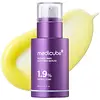
This anti-aging serum is formulated around Niacinamide and Retinol to soften the look of wrinkles and refine skin texture.
This anti-aging emulsion is formulated around Retinal and Ergothioneine to soften the look of wrinkles and refine skin texture.


What's inside
What's inside
 Key Ingredients
Benefits
Concerns
Ingredients Side-by-side
Water
Skin ConditioningGlycereth-26
Humectant
Niacinamide
Smoothing











Glycerin
Humectant
Caprylic/Capric Triglyceride
Masking
Macadamia Ternifolia Seed Oil
Emollient


Butylene Glycol
Humectant
Hydrogenated Lecithin
Emulsifying
Retinol
Skin Conditioning

Brassica Campestris Sterols
Emollient1,2-Hexanediol
Skin Conditioning
Cholesterol
Emollient
Polyglyceryl-10 Laurate
Skin Conditioning
Phytosteryl/Behenyl/Octyldodecyl Lauroyl Glutamate
Skin ConditioningAluminum/Magnesium Hydroxide Stearate
Emulsion StabilisingPentaerythrityl Tetra-Di-T-Butyl Hydroxyhydrocinnamate
Antioxidant
Potassium Cetyl Phosphate
EmulsifyingTris(Tetramethylhydroxypiperidinol)Citrate
StabilisingGlyceryl Citrate/Lactate/Linoleate/Oleate
Emulsifying
Elaeis Guineensis Oil
Emollient

Cetyl Ethylhexanoate
EmollientHydroxyacetophenone
Antioxidant
Ammonium Acryloyldimethyltaurate/Vp Copolymer
Polyacrylate Crosspolymer-6
Emulsion StabilisingAluminum Starch Octenylsuccinate
Absorbent
Retinal
Skin Conditioning
Squalane
Emollient
Polyquaternium-51
Skin Conditioning
Tocopherol
Antioxidant
Panthenol
Skin Conditioning
Allantoin
Skin Conditioning
Adenosine
Skin Conditioning
Disodium EDTA
Bifida Ferment Lysate
Skin Conditioning
Lactobacillus Ferment Lysate
Skin Conditioning
Lactococcus Ferment Lysate
Skin Conditioning
Dipropylene Glycol
HumectantCentella Asiatica Leaf Extract
Skin Conditioning
Asiaticoside
Antioxidant
Asiatic Acid
Skin Conditioning
Madecassic Acid
Skin Conditioning
Beta-Glucan
Skin Conditioning
Ceramide NP
Skin Conditioning
Propanediol
Solvent
Eriobotrya Japonica Leaf Extract
Skin ConditioningMentha Viridis Extract
MaskingSodium Hyaluronate Crosspolymer
Humectant
Pentylene Glycol
Skin Conditioning
Ethylhexylglycerin
Skin ConditioningNicotinamide Mononucleotide
Antioxidant
Akebia Quinata Extract
Skin ConditioningCaprylyl/Capryl Glucoside
CleansingCamellia Japonica Flower Extract
EmollientPolyglyceryl-10 Oleate
Skin Conditioning
Acetyl Hexapeptide-8
Humectant
Acetyl Tetrapeptide-5
Humectant
Carnosine
Skin Conditioning
Palmitoyl Tetrapeptide-7
Skin Conditioning
Palmitoyl Tripeptide-5
Skin Conditioning
Yeast Beta-Glucan
Skin ConditioningFerulic Acid
Antimicrobial
3-O-Ethyl Ascorbic Acid
Skin Conditioning
Ascorbic Acid
Antioxidant
Water, Glycereth-26, Niacinamide, Glycerin, Caprylic/Capric Triglyceride, Macadamia Ternifolia Seed Oil, Butylene Glycol, Hydrogenated Lecithin, Retinol, Brassica Campestris Sterols, 1,2-Hexanediol, Cholesterol, Polyglyceryl-10 Laurate, Phytosteryl/Behenyl/Octyldodecyl Lauroyl Glutamate, Aluminum/Magnesium Hydroxide Stearate, Pentaerythrityl Tetra-Di-T-Butyl Hydroxyhydrocinnamate, Potassium Cetyl Phosphate, Tris(Tetramethylhydroxypiperidinol)Citrate, Glyceryl Citrate/Lactate/Linoleate/Oleate, Elaeis Guineensis Oil, Cetyl Ethylhexanoate, Hydroxyacetophenone, Ammonium Acryloyldimethyltaurate/Vp Copolymer, Polyacrylate Crosspolymer-6, Aluminum Starch Octenylsuccinate, Retinal, Squalane, Polyquaternium-51, Tocopherol, Panthenol, Allantoin, Adenosine, Disodium EDTA, Bifida Ferment Lysate, Lactobacillus Ferment Lysate, Lactococcus Ferment Lysate, Dipropylene Glycol, Centella Asiatica Leaf Extract, Asiaticoside, Asiatic Acid, Madecassic Acid, Beta-Glucan, Ceramide NP, Propanediol, Eriobotrya Japonica Leaf Extract, Mentha Viridis Extract, Sodium Hyaluronate Crosspolymer, Pentylene Glycol, Ethylhexylglycerin, Nicotinamide Mononucleotide, Akebia Quinata Extract, Caprylyl/Capryl Glucoside, Camellia Japonica Flower Extract, Polyglyceryl-10 Oleate, Acetyl Hexapeptide-8, Acetyl Tetrapeptide-5, Carnosine, Palmitoyl Tetrapeptide-7, Palmitoyl Tripeptide-5, Yeast Beta-Glucan, Ferulic Acid, 3-O-Ethyl Ascorbic Acid, Ascorbic Acid
Water
Skin ConditioningCoco-Caprylate/Caprate
Emollient
Propanediol
Solvent
Pentylene Glycol
Skin Conditioning
Hydroxyapatite
Abrasive
Retinal
Skin Conditioning
Cetylhydroxyproline Palmitamide
Skin Conditioning4-T-Butylcyclohexanol
Masking

Hydroxyphenyl Propamidobenzoic Acid
Skin ConditioningErgothioneine
Antioxidant
Biosaccharide Gum-1
Humectant
Bisabolol
Antioxidant
Brassica Campestris Sterols
EmollientZingiber Officinale Root Extract
Masking
Butylene Glycol
Humectant
Isohexadecane
EmollientHexyldecanol
Emollient
Maltodextrin
Absorbent
Caesalpinia Spinosa Gum
Skin ConditioningPolyacrylate Crosspolymer-6
Emulsion StabilisingHydroxyethyl Acrylate/Sodium Acryloyldimethyl Taurate Copolymer
Emulsion StabilisingStearic Acid
Cleansing
Isoceteth-20
EmulsifyingPolysorbate 60
Emulsifying
Ascorbyl Palmitate
Antioxidant
Tocopherol
Antioxidant
Lactic Acid
Buffering
Sodium Lactate
Buffering
Sodium Hydroxide
BufferingEthylhexylglycerin
Skin ConditioningPhenoxyethanol
Preservative
Chlorphenesin
Antimicrobial
Water, Coco-Caprylate/Caprate, Propanediol, Pentylene Glycol, Hydroxyapatite, Retinal, Cetylhydroxyproline Palmitamide, 4-T-Butylcyclohexanol, Hydroxyphenyl Propamidobenzoic Acid, Ergothioneine, Biosaccharide Gum-1, Bisabolol, Brassica Campestris Sterols, Zingiber Officinale Root Extract, Butylene Glycol, Isohexadecane, Hexyldecanol, Maltodextrin, Caesalpinia Spinosa Gum, Polyacrylate Crosspolymer-6, Hydroxyethyl Acrylate/Sodium Acryloyldimethyl Taurate Copolymer, Stearic Acid, Isoceteth-20, Polysorbate 60, Ascorbyl Palmitate, Tocopherol, Lactic Acid, Sodium Lactate, Sodium Hydroxide, Ethylhexylglycerin, Phenoxyethanol, Chlorphenesin
Reviews
Alternatives
Ingredients Explained
These ingredients are found in both products.
Ingredients higher up in an ingredient list are typically present in a larger amount.
This ingredient is the sterol fraction pulled out of rapeseed (or field mustard) oil. It's the waxy, cholesterol-like part of the oil.
That cholesterol-like part matters because the molecules are structurally close cousins of the cholesterol your own skin makes.
Cholesterol is one of the three lipids (along with ceramides and fatty acids) that hold your skin barrier together. So the plant sterols (like this one) do the same job: they integrate into the barrier and mimic the skin's natural lipids, which helps it hold onto water.
There's some decent evidence too:
A tape stripping study found skin treated with a phyosterol formulation recovered barrier function noticeably faster than skin treated with the vehicle alone.
Phytosterols also show anti-inflammatory activity which is why they appear often in soothing and anti-aging creams.
Usage concentrations vary according to industry survey data; leave-on products go up to 7% and rinse-off products up to 0.13%.
Actual face products usually use lower amounts (0.1-2%), partly because sterols are waxy and don't dissolve easily.
A human repeat insult patch test of 100% pure sterols in 50 subjects produced no irritation/sensitization, and guinea pig maximization testing was also negative. The CIR Expert Panel has also concluded the phytosterol ingredient group is safe at current use concentrations.
Fungal acne note: Sterols are not fatty acids and the yeast makes its own sterols anyway, so this ingredient doesn't feed it (it is fungal acne safe).
Learn more about Brassica Campestris SterolsButylene Glycol (or BG) is used within cosmetic products for a few different reasons:
Overall, Butylene Glycol is a safe and well-rounded ingredient that works well with other ingredients.
Though this ingredient works well with most skin types, some people with sensitive skin may experience a reaction such as allergic rashes, closed comedones, or itchiness.
Learn more about Butylene GlycolEthylhexylglycerin is created from glycerin. It is a multitasker ingredient that:
The CIR Expert Panel found minimal skin absorption or sensitization of any kind in a safety assessment. Though this ingredient is considered well-tolerated, a small number of cases of allergic dermatitis have been published since 2002. Just be sure to patch test if you are unsure.
Industry-reported use ranges from 8% in rinse-off products and 2% in leave-on formulations.
Learn more about EthylhexylglycerinPentylene Glycol (1,2-pentanediol) is a multitasking little diol with three main roles in a formula:
Research on alkanediols (the family pentylene glycol belongs to) show they work by disrupting microbial cell membranes. This disruption helps the primary preservative system in a product work more effectively at lower doses.
On the safety side, the Cosmetic Ingredient Review Expert Panel has concluded this ingredient to be safe as used in current cosmetic practices + concentrations.
Typical use levels in a formula run about 1-5%.
Learn more about Pentylene GlycolPolyacrylate Crosspolymer-6 is a texture enhancer and pH adjuster.
It is be used to thicken water-based products and create a gel-texture with a velvet feel.
One manufacturer claims this ingredient to have a pH range of 2-8 and to be biodegradable.
This ingredient is also known as Sepimax Zen.
Learn more about Polyacrylate Crosspolymer-6Propanediol is an all-star ingredient. It softens, hydrates, and smooths the skin.
It’s often used to:
Propanediol is not likely to cause sensitivity and considered safe to use. It is derived from corn or petroleum with a clear color and no scent.
Learn more about PropanediolRetinal (aka retinaldehyde) is a form of retinoid that formulators use mainly as an antiaging and skin-renewing active.
What makes it special is its position in the retinoid family; skin converts it to retinoic acid (the prescription gold standard) in just one step.
Because retinal only requires 1 conversion step to become retinoic acid, it's the strongest over-the-counter retinoid. It also works at lower concentrations than retinol, since retinal is about 10x more bioavailable.
Studies back up its efficacy in skin:
A foundational trial showed that applying 0.05-0.5% retinal for 1-3 months produced a dose-dependent and significant increase in epidermal thickness + cell turnover markers.
And a head-to-head comparison of 0.05% retinal against a 0.05% retinoid acid found both formulations were effective for the basis of wrinkle/skin roughness features, but retinoic acid caused more local irritation.
More recent controlled trials confirm it improves wrinkles, dermal density, and firmness over 12-24 weeks, with significant improvements in skin texture and firmness (particularly with the higher 0.1% concentration).
Retinal also has one trick the other retinoids do not: it directly fights against acne bacteria since a clinical study showed retinaldehyde-treated areas displayed a significant decrease in counts of viable P. acnes.
This makes it a great pick for people who want to treat aging and breakouts.
Typical cosmetic use sits in the 0.05-0.1% range with 0.05% being the gentle starting point and 0.1% giving stronger results.
Like all retinoids, retinal works best with nightly use, a good moisturizer, and daytime sunscreen. It can cause some irritation so ease into it slowly rather than going all in.
The "ramp up" method works well: start with Retinal once a week to give your skin time to adjust, which keeps irritation low.
Slowly add more nights until you reach your goal frequency once your skin feels comfortable.
Retinoids also make your skin more sensitive to the sun in the first few weeks, so wear sunscreen every morning and protect your skin from direct sun while you build up tolerance.
Learn more about RetinalTocopherol is a fat-soluble antioxidant known as Vitamin E.
You'll find this ingredient in the vast majority of skincare (for good reason). It works to neutralize free radicals, or unstable molecules generated by UV exposure, pollution, and other environmental stressors, before they can cause oxidative damage to your skin cells.
Topically applied tocopherol has been shown to protect against UV damage by ramping up the skin's own natural defense enzymes.
It also acts as a skin conditioning agent; some studies show that regular topical use can improve the skin's water-binding capacity over 2-4 weeks.
This ingredient is especially loved for being a team player. When combined with Vitamin C, the photoprotective effect of both ingredients roughly doubles and the combo also helps reduce UV-induced DNA damage.
This ingredient has some brightening potential but it's more of a prevention ingredient than spot-fader. Cell studies show it can slow down melanin production but it's worth noting that it's not the most powerful brightener out there.
In formulations, it also serves as a stabilizer that helps protect other oxidation-prone ingredients from degrading.
Concentrations usually range from 0.1-1% in most leave-on products.
Learn more about TocopherolWater. It's the most common cosmetic ingredient of all. You'll usually see it at the top of ingredient lists, meaning that it makes up the largest part of the product.
So why is it so popular? Water most often acts as a solvent - this means that it helps dissolve other ingredients into the formulation.
You'll also recognize water as that liquid we all need to stay alive. If you see this, drink a glass of water. Remember to stay hydrated!
Learn more about Water

