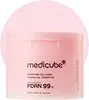
This brightening toner pad uses a pre-saturated pad with Niacinamide and Sodium DNA to brighten dull-looking skin and soften the look of wrinkles.
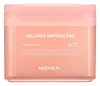
This anti-aging toner pad uses a pre-saturated pad with Collagen Extract and Ceramide NP to soften the look of wrinkles and hydrate skin.

What's inside
What's inside
 Key Ingredients
Benefits
Concerns
Ingredients Side-by-side
Water
Skin ConditioningGlycerin
Humectant


Methylpropanediol
SolventNiacinamide
Smoothing









Xylitol
Humectant
Hydroxyacetophenone
Antioxidant
Octyldodeceth-16
EmulsifyingDiglycerin
Humectant
Allantoin
Skin Conditioning
Cellulose Gum
Emulsion StabilisingEthylhexylglycerin
Skin ConditioningHydroxyethylcellulose
Emulsion StabilisingSodium Citrate
BufferingSodium Gluconate
ChelatingDipropylene Glycol
HumectantAdenosine
Skin Conditioning
Butylene Glycol
Humectant
1,2-Hexanediol
Skin Conditioning
Citric Acid
Buffering

Cyanocobalamin
Skin ConditioningAnthemis Nobilis Flower Oil
Masking



Pyrus Communis Fruit Extract
Skin ConditioningRosa Damascena Flower Water
Masking
Prunus Persica Fruit Extract
Abrasive
Thuja Orientalis Extract
AntimicrobialJasminum Officinale Flower Water
MaskingCitrus Aurantium Amara Flower Extract
RefreshingCentella Asiatica Extract
Cleansing
Allium Cepa Bulb Extract
Skin Conditioning
Chamomilla Recutita Extract
Skin Conditioning
Salvia Officinalis Extract
Antimicrobial
Rosmarinus Officinalis Leaf Oil
Masking
Hedera Helix Leaf/Stem Extract
AntimicrobialCucumis Melo Fruit Extract
Skin ConditioningHibiscus Esculentus Fruit Extract
Skin ConditioningCarum Petroselinum Extract
Skin ConditioningCorchorus Olitorius Leaf Extract
Skin ConditioningPolygonum Cuspidatum Root Extract
Antioxidant
Collagen
Moisturising
Artemisia Annua Extract
Masking
Nelumbium Speciosum Flower Extract
Skin ConditioningOryza Sativa Extract
Absorbent
Saccharomyces Ferment
Skin Conditioning
Sodium DNA
Skin Conditioning
Capryloyl Salicylic Acid
Exfoliating
Caprylic/Capric Triglyceride
Masking
Hydrogenated Phosphatidylcholine
Emulsifying
Sucrose Stearate
EmollientPhaseolus Radiatus Seed Extract
Skin ConditioningHydrogenated Lecithin
Emulsifying
Cetearyl Alcohol
Emollient



Retinol
Skin Conditioning
Polyglyceryl-10 Myristate
Skin Conditioning
Tocopheryl Acetate
Antioxidant
Asiaticoside
Antioxidant
Madecassic Acid
Skin Conditioning
Madecassoside
Antioxidant
Asiatic Acid
Skin Conditioning
Water, Glycerin, Methylpropanediol, Niacinamide, Xylitol, Hydroxyacetophenone, Octyldodeceth-16, Diglycerin, Allantoin, Cellulose Gum, Ethylhexylglycerin, Hydroxyethylcellulose, Sodium Citrate, Sodium Gluconate, Dipropylene Glycol, Adenosine, Butylene Glycol, 1,2-Hexanediol, Citric Acid, Cyanocobalamin, Anthemis Nobilis Flower Oil, Pyrus Communis Fruit Extract, Rosa Damascena Flower Water, Prunus Persica Fruit Extract, Thuja Orientalis Extract, Jasminum Officinale Flower Water, Citrus Aurantium Amara Flower Extract, Centella Asiatica Extract, Allium Cepa Bulb Extract, Chamomilla Recutita Extract, Salvia Officinalis Extract, Rosmarinus Officinalis Leaf Oil, Hedera Helix Leaf/Stem Extract, Cucumis Melo Fruit Extract, Hibiscus Esculentus Fruit Extract, Carum Petroselinum Extract, Corchorus Olitorius Leaf Extract, Polygonum Cuspidatum Root Extract, Collagen, Artemisia Annua Extract, Nelumbium Speciosum Flower Extract, Oryza Sativa Extract, Saccharomyces Ferment, Sodium DNA, Capryloyl Salicylic Acid, Caprylic/Capric Triglyceride, Hydrogenated Phosphatidylcholine, Sucrose Stearate, Phaseolus Radiatus Seed Extract, Hydrogenated Lecithin, Cetearyl Alcohol, Retinol, Polyglyceryl-10 Myristate, Tocopheryl Acetate, Asiaticoside, Madecassic Acid, Madecassoside, Asiatic Acid
Water
Skin ConditioningGlycerin
Humectant
Glycereth-26
Humectant
1,2-Hexanediol
Skin Conditioning
Diphenyl Dimethicone
Emollient
Triethylhexanoin
MaskingBetaine
Humectant
Hydroxyacetophenone
Antioxidant
Hydrogenated Lecithin
Emulsifying
Polyglyceryl-10 Oleate
Skin Conditioning
Hydroxyethyl Urea
Humectant
Dipotassium Glycyrrhizate
Humectant
Sodium Citrate
BufferingAllantoin
Skin Conditioning
Octyldodeceth-16
EmulsifyingXanthan Gum
EmulsifyingHydroxyethylcellulose
Emulsion StabilisingCollagen Extract
Skin Conditioning
Adenosine
Skin Conditioning
Citric Acid
Buffering
Disodium EDTA
ChelatingOlea Europaea Fruit Oil
Masking
Butylene Glycol
Humectant
Pelargonium Graveolens Flower Oil
Masking
Lavandula Angustifolia Oil
Masking
Anthemis Nobilis Flower Oil
Masking
Citrus Aurantium Dulcis Peel Oil
Masking
Juniperus Mexicana Oil
Masking
Mangifera Indica Fruit Extract
Skin ConditioningLactobacillus Ferment
Skin Conditioning
Ceramide NP
Skin Conditioning
Milk Protein Extract
Caprylyl Glycol
Emollient
Tripeptide-1
Skin Conditioning
Acetyl Hexapeptide-8
Humectant
Copper Tripeptide-1
Skin Conditioning
Palmitoyl Tripeptide-1
Skin Conditioning
Palmitoyl Pentapeptide-4
Skin Conditioning
Water, Glycerin, Glycereth-26, 1,2-Hexanediol, Diphenyl Dimethicone, Triethylhexanoin, Betaine, Hydroxyacetophenone, Hydrogenated Lecithin, Polyglyceryl-10 Oleate, Hydroxyethyl Urea, Dipotassium Glycyrrhizate, Sodium Citrate, Allantoin, Octyldodeceth-16, Xanthan Gum, Hydroxyethylcellulose, Collagen Extract, Adenosine, Citric Acid, Disodium EDTA, Olea Europaea Fruit Oil, Butylene Glycol, Pelargonium Graveolens Flower Oil, Lavandula Angustifolia Oil, Anthemis Nobilis Flower Oil, Citrus Aurantium Dulcis Peel Oil, Juniperus Mexicana Oil, Mangifera Indica Fruit Extract, Lactobacillus Ferment, Ceramide NP, Milk Protein Extract, Caprylyl Glycol, Tripeptide-1, Acetyl Hexapeptide-8, Copper Tripeptide-1, Palmitoyl Tripeptide-1, Palmitoyl Pentapeptide-4
Reviews
Ingredients Explained
These ingredients are found in both products.
Ingredients higher up in an ingredient list are typically present in a larger amount.
1,2-Hexanediol is a synthetic liquid and another multi-functional powerhouse.
It is a:
- Humectant, drawing moisture into the skin
- Emollient, helping to soften skin
- Solvent, dispersing and stabilizing formulas
- Preservative booster, enhancing the antimicrobial activity of other preservatives
Adenosine is a purine nucleoside that your body already makes in every cell. In skincare, it acts mainly as a skin conditioning and anti-aging agent.
The way it works is fairly well mapped out:
Your skin has cells called fibroblasts that build collagen (the stuff that keeps skin firm and smooth). Adenosine basically flips a switch on these cells that tells them to get to work making more collagen and other proteins. These cells slow down on their own as skin ages, so Adenosine helps give them a little nudge to keep going.
The clinical backing is pretty solid too.
A blind, randomized, placebo-controlled trial of 126 women aged 45-65 tested a 0.1% cream twice daily and found real improvements in crow's feet and frown lines using a precise 3D skin-mapping technique; these changes showed up by week 3 and held at 2 months.
A later study using Adenosine-loaded dissolving microneedle patches reported gains in wrinkle depth, dermal density, elasticity, and hydration.
On concentrations, South Korea's Ministry of Food and Drug Safety has set 0.04% as the approved functional anti-wrinkle level. You'll typically see this ingredient used somewhere in the 0.04-0.1% range since it works at low doses.
This ingredient has been found safe for cosmetics with the data showing no irritation or sensitization.
Overall, this is a great ingredient for any anti-aging routine and has no photosensitizing effect, so it suits both AM and PM use.
Learn more about AdenosineAllantoin is a soothing ingredient known for its protective and moisturizing properties; it's basically a quiet workhorse ingredient you can find in a huge range of cosmetics.
Though it can be derived from the comfrey plant, allantoin is produced synthetically for cosmetic products to ensure purity.
Research shows it can encourage your skin cells to turn over and renew by stimulating keratinocyte and fibroblast proliferation.
It also has mild keratolytic properties to help loosen and shed dead skin cells without being harsh.
Studies also suggest allantoin can help calm inflammation by dialing down some of the chemical signals your skin sends out when it is irritated.
This ingredient is typically used in the 0.1-0.5% range, and the FDA recognizes it as a skin protectant in OTC products up to 2%.
Overall, allantoin is a wonderful addition to most routines; it is stable across a wide pH range (~4-8), works well with other ingredients, and is considered non-sensitizing/non-irritating.
Fun fact: Allantoin is naturally occurring in comfrey root, beets, chamomile, and wheat sprouts. Our bodies even produce it as a byproduct of uric acid metabolism.
Learn more about AllantoinThis oil is created by distilling the dried flower heads of the Roman Chamomile flower.
Chamomile is rich in antioxidants and has anti-inflammatory properties. Several compounds found in chamomile help with soothing, such as bisbolol.
Butylene Glycol (or BG) is used within cosmetic products for a few different reasons:
Overall, Butylene Glycol is a safe and well-rounded ingredient that works well with other ingredients.
Though this ingredient works well with most skin types, some people with sensitive skin may experience a reaction such as allergic rashes, closed comedones, or itchiness.
Learn more about Butylene GlycolCitric Acid is an alpha hydroxy acid (AHA) naturally found in citrus fruits like oranges, lemons, and limes.
Like other AHAs, citric acid can exfoliate skin by breaking down the bonds that hold dead skin cells together. This helps reveal smoother and brighter skin underneath.
However, this exfoliating effect only happens at high concentrations (20%) which can be hard to find in cosmetic products.
Due to this, citric acid is usually included in small amounts as a pH adjuster. This helps keep products slightly more acidic and compatible with skin's natural pH.
In skincare formulas, citric acid can:
While it can provide some skin benefits, research shows lactic acid and glycolic acid are generally more effective and less irritating exfoliants.
Most citric acid used in skincare today is made by fermenting sugars (usually from molasses). This synthetic version is identical to the natural citrus form but easier to stabilize and use in formulations.
Rosacea skin has a lower threshold for acids generally, with 62.5% of rosacea subjects in one study reacting to lactic acid in a sting test. This is why we mark citric acid as a potential rosacea trigger.
However, this ingredient shows up as a pH adjuster or chelator at roughly 0.1-1% in many products. These low levels are unlikely to be an issue for rosacea skin and becomes a potential trigger at exfoliating concentrations (20%). Because everybody's skin is unique, we recommend a patch test if you are unsure.
Learn more about Citric AcidGlycerin (or glycerol) is a compound naturally found in your skin. It's a powerhouse humectant that pulls water into the stratum corneum.
Topically, glycerin does several things at once:
Your skin makes glycerin on its own (mostly from sebaceous oil breakdown) and shuttles it to your outermost layer of skin, or your epidermis, via aquaporin-3.
Aquaporin-3 is a transporter that is essential for normal skin hydration, elasticity, and repair. Interestingly, mice lacking in AQP3 have dry and less elastic skin that can be fully corrected with glycerin.
This ingredient is non-irritating, plays well with almost every ingredient, and works across all skin types. Typical use is anywhere between 3-10% but can go up to 79% in some leave-on products.
Just know very high concentrations (>40%) can feel tacky in low humidity.
Glycerin is the name for this ingredient in American English. British English uses Glycerol/Glycerine.
Learn more about GlycerinHydrogenated Lecithin is a more stable version of lecithin.
It's made by taking lecithin (a phospholipid commonly found in soybeans and egg yolks) and hydrogenating it. This just means the unsaturated fatty acids are turned into saturated ones so they don't go bad as easily.
This ingredient is an emollient, emulsifier, and penetration enhancer. As an emollient, it helps soften and hydrate skin by trapping moisture within. As an emulsifier, it prevents oil and water ingredients from separating.
Hydrogenated Lecithin can form tiny spherical structures made of phospholipid bilayers called liposomes. These liposomes are able to capture compounds inside their structure and deliver them through the skin barrier.
Because phospholipids are a natural component of our cell membranes, this ingredient is inherently compatible with skin.
A 2021 study found lecithin-based surfactants were less harsh and more tolerable comared to Sodium Lauryl Sulfate (SLS).
Learn more about Hydrogenated LecithinHydroxyacetophenone is a small phenolic molecule that earns its place in a formulas as an antioxidant and preservative booster.
As a phenol, it is able to neutralize free radicals to protect both the product and the skin from oxidative stress.
Though it can't kill microbes on its own, it works as a good supporting agent when combined with other preservatives like Phenoxyethanol or 1,2-Hexanediol.
This ingredient naturally occurs as piceol in Norwegian spruce needles (~0.4-1.1% dry weight and in cloudberries). Though the cosmetic-grade material is synthesized for purity and consistency.
You'll usually see it used at low levels and suppliers recommend up to 1% added to a water phase.
Safety testing was done at concentrations like 0.05% in SPF products and 0.5% in a Human Repeated Insult Patch Test. The safety evidence is assuring; this ingredient is safe for cosmetics in current use and also holds safety status as a food flavoring as well.
An honest caveat: the "soothing" and "anti-inflammatory" claims come mostly from supplier marketing rather than published clinical trials. The Cosmetic Ingredient Review's own literature search found no useful efficacy studies on this ingredient.
So the antioxidant and preservative-boosting roles are the well supported ones while the calming benefit is plausible but thinly evidenced.
Overall, this is a well-tolerated, low-irritation multitasker that quietly helps a formula stay fresh and stable.
Learn more about HydroxyacetophenoneHydroxyethylcellulose is used to improve the texture of products. It is created from a chemical reaction involving ethylene oxide and alkali-cellulose. Cellulose is a sugar found in plant cell walls and help give plants structure.
This ingredient helps stabilize products by preventing ingredients from separating. It can also help thicken the texture of a product.
This ingredient can also be found in pill medicines to help our bodies digest other ingredients.
Learn more about HydroxyethylcelluloseOctyldodeceth-16 is a lab-made ingredient that acts as an emulsifier that helps blend water + oil ingredients.
The Cosmetic Ingredient Review has deemed it safe for as in cosmetics and usage concentrations typically range from 0.1-2%.
Like other emulsifiers, this ingredient can cause mild skin irritation or sensitivity in a small amount of people. A patch test is reasonable if you have sensitive skin.
Learn more about Octyldodeceth-16Sodium Citrate is the sodium salts of citric acid. In skincare, it is used to alter pH levels and acts as a preservative.
Its main functions are to maintain the pH of a product and neutralize metal ions.
The acidity of our skin is maintained by our glands and skin biome; normal pH level of skin is slightly acidic (~4.75-5.5).
Being slightly acidic allows our skin to create an "acid mantle". This acid mantle is a thin barrier that protects our skin from bacteria and contaminants.
Learn more about Sodium CitrateWater. It's the most common cosmetic ingredient of all. You'll usually see it at the top of ingredient lists, meaning that it makes up the largest part of the product.
So why is it so popular? Water most often acts as a solvent - this means that it helps dissolve other ingredients into the formulation.
You'll also recognize water as that liquid we all need to stay alive. If you see this, drink a glass of water. Remember to stay hydrated!
Learn more about Water

