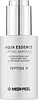
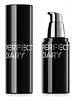
MEDI-PEEL Peptide 9 Aqua Essence Lifting Ampoule Versus Perfect Diary Multi-Peptide Essence Tone Up Cream
This anti-aging ampoule is formulated around Niacinamide and Palmitoyl Tripeptide-5 to soften the look of wrinkles.


What's inside
What's inside
 Key Ingredients
Benefits
Concerns
Ingredients Side-by-side
Water
Skin ConditioningButylene Glycol
Humectant

Isopentyldiol
Humectant
Glycerin
Humectant
Niacinamide
Smoothing









Panthenol
Skin Conditioning
1,2-Hexanediol
Skin Conditioning
Propanediol
Solvent
Dipropylene Glycol
HumectantXylitylglucoside
Humectant
Anhydroxylitol
Humectant
Xylitol
Humectant
Betaine
Humectant
Allantoin
Skin Conditioning
Hydrolyzed Elastin
EmollientHydrolyzed Collagen
Emollient
Stomach Extract
HumectantHair Extract
Dipotassium Glycyrrhizate
Humectant
Sodium Hyaluronate
Humectant
Hyaluronic Acid
Humectant
Sodium Hyaluronate Crosspolymer
Humectant
Hydrolyzed Hyaluronic Acid
Humectant
Hydroxypropyltrimonium Hyaluronate
Sodium Acetylated Hyaluronate
Humectant
Hydrolyzed Glycosaminoglycans
HumectantSodium Polyacryloyldimethyl Taurate
Emulsion StabilisingArginine
Masking
Glucose
Humectant
Hydrogenated Polydecene
EmollientTrideceth-10
CleansingMacadamia Ternifolia Seed Oil
Emollient


Hydrogenated Polyisobutene
EmollientCaprylic/Capric Triglyceride
Masking
Caprylyl Glycol
Emollient
Glycereth-25 PCA Isostearate
Emulsifying
Xanthan Gum
EmulsifyingPalmitoyl Tripeptide-5
Skin Conditioning
Acetyl Hexapeptide-8
Humectant
Alanine/Histidine/Lysine Polypeptide Copper Hcl
Skin Conditioning
Copper Tripeptide-1
Skin Conditioning
Dipeptide-2
Skin Conditioning
Palmitoyl Pentapeptide-4
Skin Conditioning
Palmitoyl Tripeptide-1
Skin Conditioning
Tripeptide-1
Skin Conditioning
Acetyl Octapeptide-3
Humectant
Glutathione
Thioctic Acid
Antioxidant
Ubiquinone
Antioxidant
Astaxanthin
Skin Conditioning
Cholesterol
Emollient
PEG-5 Rapeseed Sterol
Cleansing
Tocopheryl Acetate
Antioxidant
Ceteth-3
EmulsifyingCeteth-5
EmulsifyingHydrogenated Lecithin
Emulsifying
Potassium Cetyl Phosphate
EmulsifyingSodium Ascorbyl Phosphate
Antioxidant
Carbomer
Emulsion StabilisingBenzyl Glycol
SolventHydroxyacetophenone
Antioxidant
Ethylhexylglycerin
Skin ConditioningAdenosine
Skin Conditioning
Disodium EDTA
ChelatingParfum
Masking



Water, Butylene Glycol, Isopentyldiol, Glycerin, Niacinamide, Panthenol, 1,2-Hexanediol, Propanediol, Dipropylene Glycol, Xylitylglucoside, Anhydroxylitol, Xylitol, Betaine, Allantoin, Hydrolyzed Elastin, Hydrolyzed Collagen, Stomach Extract, Hair Extract, Dipotassium Glycyrrhizate, Sodium Hyaluronate, Hyaluronic Acid, Sodium Hyaluronate Crosspolymer, Hydrolyzed Hyaluronic Acid, Hydroxypropyltrimonium Hyaluronate, Sodium Acetylated Hyaluronate, Hydrolyzed Glycosaminoglycans, Sodium Polyacryloyldimethyl Taurate, Arginine, Glucose, Hydrogenated Polydecene, Trideceth-10, Macadamia Ternifolia Seed Oil, Hydrogenated Polyisobutene, Caprylic/Capric Triglyceride, Caprylyl Glycol, Glycereth-25 PCA Isostearate, Xanthan Gum, Palmitoyl Tripeptide-5, Acetyl Hexapeptide-8, Alanine/Histidine/Lysine Polypeptide Copper Hcl, Copper Tripeptide-1, Dipeptide-2, Palmitoyl Pentapeptide-4, Palmitoyl Tripeptide-1, Tripeptide-1, Acetyl Octapeptide-3, Glutathione, Thioctic Acid, Ubiquinone, Astaxanthin, Cholesterol, PEG-5 Rapeseed Sterol, Tocopheryl Acetate, Ceteth-3, Ceteth-5, Hydrogenated Lecithin, Potassium Cetyl Phosphate, Sodium Ascorbyl Phosphate, Carbomer, Benzyl Glycol, Hydroxyacetophenone, Ethylhexylglycerin, Adenosine, Disodium EDTA, Parfum
Water
Skin ConditioningGlycerin
Humectant
Niacinamide
Smoothing
Cyclopentasiloxane
Emollient
C12-14 Isoparaffin
Solvent
CI 77891
Cosmetic ColorantButylene Glycol
Humectant
Ethylhexyl Palmitate
Emollient
1,2-Hexanediol
Skin Conditioning
Squalane
Emollient
Vp/Hexadecene Copolymer
Caprylic Acid
CleansingPolyacrylamide
Betaine
Humectant
Ammonium Acryloyldimethyltaurate/Vp Copolymer
Sodium Acrylic Acid/Ma Copolymer
Hexapeptide-8
Skin Conditioning
Carnosine
Skin Conditioning
Vaccinium Macrocarpon Fruit Extract
AstringentVitis Vinifera Flower Cell Extract
MaskingDisodium EDTA
ChelatingMyrothamnus Flabellifolia Leaf/Stem Extract
HumectantPotassium Cetyl Phosphate
EmulsifyingCitrus Grandis Fruit Extract
Astringent
Lecithin
Emollient
Aluminum Hydroxide
EmollientEthylhexylglycerin
Skin ConditioningTriethoxycaprylylsilane
Caprylyl Glycol
Emollient
Laureth-7
EmulsifyingHydroxyacetophenone
Antioxidant
Pearl Powder
CI 19140
Cosmetic ColorantCI 14700
Cosmetic ColorantDisodium Phosphate
BufferingSodium Phosphate
BufferingPortulaca Oleracea Extract
Skin Conditioning
Chrysanthellum Indicum Extract
Skin Conditioning
Opuntia Streptacantha Stem Extract
HumectantPaeonia Suffruticosa Root Extract
Skin ProtectingScutellaria Baicalensis Root Extract
Astringent
Houttuynia Cordata Extract
Skin Conditioning
Water, Glycerin, Niacinamide, Cyclopentasiloxane, C12-14 Isoparaffin, CI 77891, Butylene Glycol, Ethylhexyl Palmitate, 1,2-Hexanediol, Squalane, Vp/Hexadecene Copolymer, Caprylic Acid, Polyacrylamide, Betaine, Ammonium Acryloyldimethyltaurate/Vp Copolymer, Sodium Acrylic Acid/Ma Copolymer, Hexapeptide-8, Carnosine, Vaccinium Macrocarpon Fruit Extract, Vitis Vinifera Flower Cell Extract, Disodium EDTA, Myrothamnus Flabellifolia Leaf/Stem Extract, Potassium Cetyl Phosphate, Citrus Grandis Fruit Extract, Lecithin, Aluminum Hydroxide, Ethylhexylglycerin, Triethoxycaprylylsilane, Caprylyl Glycol, Laureth-7, Hydroxyacetophenone, Pearl Powder, CI 19140, CI 14700, Disodium Phosphate, Sodium Phosphate, Portulaca Oleracea Extract, Chrysanthellum Indicum Extract, Opuntia Streptacantha Stem Extract, Paeonia Suffruticosa Root Extract, Scutellaria Baicalensis Root Extract, Houttuynia Cordata Extract
Reviews
Ingredients Explained
These ingredients are found in both products.
Ingredients higher up in an ingredient list are typically present in a larger amount.
1,2-Hexanediol is a synthetic liquid and another multi-functional powerhouse.
It is a:
- Humectant, drawing moisture into the skin
- Emollient, helping to soften skin
- Solvent, dispersing and stabilizing formulas
- Preservative booster, enhancing the antimicrobial activity of other preservatives
Betaine is a humectant. Like hyaluronic acid, it helps attract and retain moisture in the skin. It’s known for being gentle and for helping the skin maintain balanced hydration.
Betaine is mainly used to improve hydration and support calmer skin. It helps skin cells regulate water balance because it functions as an osmolyte.
Some studies suggest betaine may support making skin tone more even.
Fun fact: Betaine naturally exists in the skin and the body. In cosmetic products, it can be either plant-derived (most commonly from sugar beets) or synthetically produced for consistency and stability.
Betaine is also known as trimethylglycine.
Learn more about BetaineButylene Glycol (or BG) is used within cosmetic products for a few different reasons:
Overall, Butylene Glycol is a safe and well-rounded ingredient that works well with other ingredients.
Though this ingredient works well with most skin types, some people with sensitive skin may experience a reaction such as allergic rashes, closed comedones, or itchiness.
Learn more about Butylene GlycolCaprylyl Glycol is a humectant, skin conditioner, emollient, and preservative booster derived from either caprylic acid or synthetically created.
Typical use levels vary from 0.3-1% as a preservative booster and go up to 2% to condition skin.
Because it is not a free-fatty acid, this ingredient is fungal acne safe (there's nothing for Malassezia to feed on).
Learn more about Caprylyl GlycolDisodium EDTA is a chelating agent. It grabs onto and deactivates metal ions that sneak into your products from water, packaging, or air.
This ingredient mainly works behind the scenes and helps with:
On top of that, this ingredient can counteract the effects of hard water by binding to the minerals in it.
One thing worth knowing is that Disodium EDTA has been shown to be a mild penetration enhancer. It can help other ingredients absorb into skin more effectively which can be a double-edged sword (great for actives, but can also make the active too strong if you have sensitive skin).
Clinical patch testing showed no significant skin irritation at typical use concentrations and minimal dermal absorption.
You'll most likely see this ingredient near the end of an ingredient list. It's typically found in concentrations less than 1%.
Learn more about Disodium EDTAEthylhexylglycerin is created from glycerin. It is a multitasker ingredient that:
The CIR Expert Panel found minimal skin absorption or sensitization of any kind in a safety assessment. Though this ingredient is considered well-tolerated, a small number of cases of allergic dermatitis have been published since 2002. Just be sure to patch test if you are unsure.
Industry-reported use ranges from 8% in rinse-off products and 2% in leave-on formulations.
Learn more about EthylhexylglycerinGlycerin (or glycerol) is a compound naturally found in your skin. It's a powerhouse humectant that pulls water into the stratum corneum.
Topically, glycerin does several things at once:
Your skin makes glycerin on its own (mostly from sebaceous oil breakdown) and shuttles it to your outermost layer of skin, or your epidermis, via aquaporin-3.
Aquaporin-3 is a transporter that is essential for normal skin hydration, elasticity, and repair. Interestingly, mice lacking in AQP3 have dry and less elastic skin that can be fully corrected with glycerin.
This ingredient is non-irritating, plays well with almost every ingredient, and works across all skin types. Typical use is anywhere between 3-10% but can go up to 79% in some leave-on products.
Just know very high concentrations (>40%) can feel tacky in low humidity.
Glycerin is the name for this ingredient in American English. British English uses Glycerol/Glycerine.
Learn more about GlycerinHydroxyacetophenone is a small phenolic molecule that earns its place in a formulas as an antioxidant and preservative booster.
As a phenol, it is able to neutralize free radicals to protect both the product and the skin from oxidative stress.
Though it can't kill microbes on its own, it works as a good supporting agent when combined with other preservatives like Phenoxyethanol or 1,2-Hexanediol.
This ingredient naturally occurs as piceol in Norwegian spruce needles (~0.4-1.1% dry weight and in cloudberries). Though the cosmetic-grade material is synthesized for purity and consistency.
You'll usually see it used at low levels and suppliers recommend up to 1% added to a water phase.
Safety testing was done at concentrations like 0.05% in SPF products and 0.5% in a Human Repeated Insult Patch Test. The safety evidence is assuring; this ingredient is safe for cosmetics in current use and also holds safety status as a food flavoring as well.
An honest caveat: the "soothing" and "anti-inflammatory" claims come mostly from supplier marketing rather than published clinical trials. The Cosmetic Ingredient Review's own literature search found no useful efficacy studies on this ingredient.
So the antioxidant and preservative-boosting roles are the well supported ones while the calming benefit is plausible but thinly evidenced.
Overall, this is a well-tolerated, low-irritation multitasker that quietly helps a formula stay fresh and stable.
Learn more about HydroxyacetophenoneNiacinamide is a multitasking form of vitamin B3 that strengthens the skin barrier, reduces pores and dark spots, regulates oil, and improves signs of aging.
And the best part? It's gentle and well-tolerated by most skin types, including sensitive and reactive skin.
You might have heard of "niacin flush", or the reddening of skin that causes itchiness. Niacinamide has not been found to cause this.
In very rare cases, some individuals may not be able to tolerate niacinamide at all or experience an allergic reaction to it.
If you are experiencing flaking, irritation, and dryness with this ingredient, be sure to double check all your products as this ingredient can be found in all categories of skincare.
When incorporating niacinamide into your routine, look out for concentration amounts. Typically, 5% niacinamide provides benefits such as fading dark spots. However, if you have sensitive skin, it is better to begin with a smaller concentration.
When you apply niacinamide to your skin, your body converts it into nicotinamide adenine dinucleotide (NAD). NAD is an essential coenzyme that is already found in your cells as "fuel" and powers countless biological processes.
In your skin, NAD helps repair cell damage, produce new healthy cells, support collagen production, strengthen the skin barrier, and fight environmental stressors (like UV and pollution).
Our natural NAD levels start to decline with age, leading to slower skin repair, visible aging, and a weaker skin barrier. By providing your skin niacinamide, you're recharging your skin's NAD levels. This leads to stronger, healthier, and younger looking skin.
Another name for vitamin B3 is nicotinamide. This vitamin is water-soluble and our bodies don't store it. We obtain Vitamin B3 from either food or skincare. Meat, fish, wheat, yeast, and leafy greens contain vitamin B3.
The type of niacinamide used in skincare is synthetically created.
Learn more about NiacinamidePotassium Cetyl Phosphate is the potassium salt of a mixture. This mixture consists of the esters from phosphoricacid and cetyl alcohol.
Potassium Cetyl Phosphate is an emulsifier and cleansing agent. Emulsifiers help stabilize a product. It does this by preventing certain ingredients from separating.
As a cleansing agent, Potassium Cetyl Phosphate helps gather oils, dirts, and pollutants from your skin. This makes it easier to rinse them away with water.
Learn more about Potassium Cetyl PhosphateWater. It's the most common cosmetic ingredient of all. You'll usually see it at the top of ingredient lists, meaning that it makes up the largest part of the product.
So why is it so popular? Water most often acts as a solvent - this means that it helps dissolve other ingredients into the formulation.
You'll also recognize water as that liquid we all need to stay alive. If you see this, drink a glass of water. Remember to stay hydrated!
Learn more about Water

