Lumene Valo Nordic-C Glow Awakening Eye Cream Versus Lumene Lumo Nordic Bloom Vegan Collagen Eye Serum
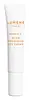
This brightening eye moisturizer is formulated around Ascorbyl Glucoside to brighten dull-looking skin.
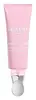
This anti-aging eye moisturizer is formulated around Sodium Hyaluronate to soften the look of wrinkles and hydrate skin.

What's inside
What's inside
 Key Ingredients
Benefits
Concerns
Ingredients Side-by-side
Water
Skin ConditioningRubus Chamaemorus Fruit Juice Extract
HumectantGlycerin
Humectant


Butylene Glycol
Humectant
Prunus Amygdalus Dulcis Oil
Skin Conditioning




Cetyl Alcohol
Emollient

Decyl Cocoate
Emollient
Sucrose Polystearate
EmollientButyrospermum Parkii Butter
Skin Conditioning
Rubus Chamaemorus Seed Extract
Skin ConditioningPanthenol
Skin Conditioning

Tocopheryl Acetate
Antioxidant


Phenoxyethanol
Preservative
Mica
Cosmetic ColorantAscorbyl Glucoside
Antioxidant

Hydroxyacetophenone
Antioxidant
Propanediol
Solvent
Sodium Polyglutamate
HumectantUndecane
EmollientCetyl Palmitate
Emollient
Sodium Stearoyl Glutamate
CleansingHydrolyzed Rice Protein
Skin ConditioningTridecane
Perfuming

Tocopherol
Antioxidant
Allantoin
Skin Conditioning
Xanthan Gum
EmulsifyingSodium Hydroxide
BufferingHelianthus Annuus Seed Oil
Emollient
Ethylhexylglycerin
Skin ConditioningDisodium EDTA
ChelatingAdenosine
Skin Conditioning
Sodium Citrate
BufferingSodium Benzoate
Masking
Biosaccharide Gum-1
Humectant
Glycine Soja Protein
EmulsifyingHydrolyzed Hyaluronic Acid
Humectant
Superoxide Dismutase
Antioxidant
Potassium Sorbate
Preservative
Sodium Dextran Sulfate
Gel FormingCitric Acid
Buffering
CI 77891
Cosmetic ColorantWater, Rubus Chamaemorus Fruit Juice Extract, Glycerin, Butylene Glycol, Prunus Amygdalus Dulcis Oil, Cetyl Alcohol, Decyl Cocoate, Sucrose Polystearate, Butyrospermum Parkii Butter, Rubus Chamaemorus Seed Extract, Panthenol, Tocopheryl Acetate, Phenoxyethanol, Mica, Ascorbyl Glucoside, Hydroxyacetophenone, Propanediol, Sodium Polyglutamate, Undecane, Cetyl Palmitate, Sodium Stearoyl Glutamate, Hydrolyzed Rice Protein, Tridecane, Tocopherol, Allantoin, Xanthan Gum, Sodium Hydroxide, Helianthus Annuus Seed Oil, Ethylhexylglycerin, Disodium EDTA, Adenosine, Sodium Citrate, Sodium Benzoate, Biosaccharide Gum-1, Glycine Soja Protein, Hydrolyzed Hyaluronic Acid, Superoxide Dismutase, Potassium Sorbate, Sodium Dextran Sulfate, Citric Acid, CI 77891
Water
Skin ConditioningDecyl Cocoate
Emollient
Caprylic/Capric Triglyceride
Masking
Butylene Glycol
Humectant
Glycerin
Humectant
Polyglyceryl-6 Stearate
Emollient
Glyceryl Stearate
Emollient
Prunus Amygdalus Dulcis Oil
Skin Conditioning
Pentylene Glycol
Skin Conditioning
Saccharide Isomerate
Humectant
Vaccinium Vitis-Idaea Fruit Extract
Antioxidant
Coco-Caprylate/Caprate
Emollient
Hydroxyacetophenone
Antioxidant
Xanthan Gum
EmulsifyingMicrocrystalline Cellulose
AbsorbentTocopherol
Antioxidant
Polyglyceryl-6 Behenate
Emulsion Stabilising
Sodium Stearoyl Glutamate
CleansingMica
Cosmetic ColorantDilinoleic Acid/Butanediol Copolymer
Alcohol Denat.
Antimicrobial

Sodium Gluconate
ChelatingC9-12 Alkane
SolventHelianthus Annuus Seed Oil
Emollient
Hydrolyzed Sodium Hyaluronate
Skin Conditioning
Hydrolyzed Rice Protein
Skin ConditioningSodium Hyaluronate
Humectant
Mannitol
Humectant
Cellulose Gum
Emulsion StabilisingSodium Hyaluronate Crosspolymer
Humectant
Citric Acid
Buffering
Sodium Citrate
BufferingCaprylyl Glycol
Emollient
Castor Oil/Ipdi Copolymer
Ceramide AP
Skin Conditioning
1,2-Hexanediol
Skin Conditioning
Glycine Soja Protein
EmulsifyingCyanocobalamin
Skin ConditioningSh-Polypeptide-69
Skin Protecting
Sodium Benzoate
Masking
Tin Oxide
Abrasive
Sodium Dextran Sulfate
Gel FormingSuperoxide Dismutase
Antioxidant
CI 77891
Cosmetic ColorantWater, Decyl Cocoate, Caprylic/Capric Triglyceride, Butylene Glycol, Glycerin, Polyglyceryl-6 Stearate, Glyceryl Stearate, Prunus Amygdalus Dulcis Oil, Pentylene Glycol, Saccharide Isomerate, Vaccinium Vitis-Idaea Fruit Extract, Coco-Caprylate/Caprate, Hydroxyacetophenone, Xanthan Gum, Microcrystalline Cellulose, Tocopherol, Polyglyceryl-6 Behenate, Sodium Stearoyl Glutamate, Mica, Dilinoleic Acid/Butanediol Copolymer, Alcohol Denat., Sodium Gluconate, C9-12 Alkane, Helianthus Annuus Seed Oil, Hydrolyzed Sodium Hyaluronate, Hydrolyzed Rice Protein, Sodium Hyaluronate, Mannitol, Cellulose Gum, Sodium Hyaluronate Crosspolymer, Citric Acid, Sodium Citrate, Caprylyl Glycol, Castor Oil/Ipdi Copolymer, Ceramide AP, 1,2-Hexanediol, Glycine Soja Protein, Cyanocobalamin, Sh-Polypeptide-69, Sodium Benzoate, Tin Oxide, Sodium Dextran Sulfate, Superoxide Dismutase, CI 77891
Reviews
Ingredients Explained
These ingredients are found in both products.
Ingredients higher up in an ingredient list are typically present in a larger amount.
Butylene Glycol (or BG) is used within cosmetic products for a few different reasons:
Overall, Butylene Glycol is a safe and well-rounded ingredient that works well with other ingredients.
Though this ingredient works well with most skin types, some people with sensitive skin may experience a reaction such as allergic rashes, closed comedones, or itchiness.
Learn more about Butylene GlycolCi 77891 is a white pigment from Titanium dioxide. It is naturally found in minerals such as rutile and ilmenite.
It's main function is to add a white color to cosmetics. It can also be mixed with other colors to create different shades.
Ci 77891 is commonly found in sunscreens due to its ability to block UV rays.
Learn more about CI 77891Citric Acid is an alpha hydroxy acid (AHA) naturally found in citrus fruits like oranges, lemons, and limes.
Like other AHAs, citric acid can exfoliate skin by breaking down the bonds that hold dead skin cells together. This helps reveal smoother and brighter skin underneath.
However, this exfoliating effect only happens at high concentrations (20%) which can be hard to find in cosmetic products.
Due to this, citric acid is usually included in small amounts as a pH adjuster. This helps keep products slightly more acidic and compatible with skin's natural pH.
In skincare formulas, citric acid can:
While it can provide some skin benefits, research shows lactic acid and glycolic acid are generally more effective and less irritating exfoliants.
Most citric acid used in skincare today is made by fermenting sugars (usually from molasses). This synthetic version is identical to the natural citrus form but easier to stabilize and use in formulations.
Rosacea skin has a lower threshold for acids generally, with 62.5% of rosacea subjects in one study reacting to lactic acid in a sting test. This is why we mark citric acid as a potential rosacea trigger.
However, this ingredient shows up as a pH adjuster or chelator at roughly 0.1-1% in many products. These low levels are unlikely to be an issue for rosacea skin and becomes a potential trigger at exfoliating concentrations (20%). Because everybody's skin is unique, we recommend a patch test if you are unsure.
Learn more about Citric AcidDecyl Cocoate isn't fungal acne safe. It can be bad for dry skin.
Glycerin (or glycerol) is a compound naturally found in your skin. It's a powerhouse humectant that pulls water into the stratum corneum.
Topically, glycerin does several things at once:
Your skin makes glycerin on its own (mostly from sebaceous oil breakdown) and shuttles it to your outermost layer of skin, or your epidermis, via aquaporin-3.
Aquaporin-3 is a transporter that is essential for normal skin hydration, elasticity, and repair. Interestingly, mice lacking in AQP3 have dry and less elastic skin that can be fully corrected with glycerin.
This ingredient is non-irritating, plays well with almost every ingredient, and works across all skin types. Typical use is anywhere between 3-10% but can go up to 79% in some leave-on products.
Just know very high concentrations (>40%) can feel tacky in low humidity.
Glycerin is the name for this ingredient in American English. British English uses Glycerol/Glycerine.
Learn more about GlycerinGlycine Soja Protein comes from the soybean. It is an emulsifer and helps to condition skin. Emulsifiers prevent ingredients from separating, such as water and oils.
Learn more about Glycine Soja Oil.
Helianthus Annuus Seed Oil is a plant oil derived from the seeds of a sunflower.
It is rich in fatty acids, primarily linoleic acid and oleic acid. This gives it emollient and skin conditioning properties.
The reason this ingredient is so effective is because it forms a thin film on the skin that reduces transepidermal water loss (TEWL) while supplying linoleic acid to the stratum corneum to improve barrier strength.
The high linoleic acid content is particularly noteworthy for acne-prone skin.
Research suggests that acne-prone skin tends to be deficient in linoleic acid in sebum. Topical application may help replenish this to support a healthier follicular environment and less comedone-promoting sebum.
One randomized study found sunflower seed oil preserved skin barrier integrity in adult volunteers with and without atopic dermatitis (outperforming olive oil).
This ingredient is well-studied, gentle, and an effective emollient suitable for most skin types.
On fungal acne: This ingredient may not be Fungal acne (Malassezia folliculitis) safe. This is because it contains fatty acids with carbon chain lengths in the C11-C24 range.
Learn more about Helianthus Annuus Seed OilHydrolyzed Rice Protein is protein extracted from rice. This ingredient is rich in antioxidants and peptides.
Studies show this ingredient may help with blocking the melanin creation process when skin is exposed to UV.
Hydroxyacetophenone is a small phenolic molecule that earns its place in a formulas as an antioxidant and preservative booster.
As a phenol, it is able to neutralize free radicals to protect both the product and the skin from oxidative stress.
Though it can't kill microbes on its own, it works as a good supporting agent when combined with other preservatives like Phenoxyethanol or 1,2-Hexanediol.
This ingredient naturally occurs as piceol in Norwegian spruce needles (~0.4-1.1% dry weight and in cloudberries). Though the cosmetic-grade material is synthesized for purity and consistency.
You'll usually see it used at low levels and suppliers recommend up to 1% added to a water phase.
Safety testing was done at concentrations like 0.05% in SPF products and 0.5% in a Human Repeated Insult Patch Test. The safety evidence is assuring; this ingredient is safe for cosmetics in current use and also holds safety status as a food flavoring as well.
An honest caveat: the "soothing" and "anti-inflammatory" claims come mostly from supplier marketing rather than published clinical trials. The Cosmetic Ingredient Review's own literature search found no useful efficacy studies on this ingredient.
So the antioxidant and preservative-boosting roles are the well supported ones while the calming benefit is plausible but thinly evidenced.
Overall, this is a well-tolerated, low-irritation multitasker that quietly helps a formula stay fresh and stable.
Learn more about HydroxyacetophenoneMica is a naturally occurring mineral used to add shimmer and color in cosmetics. It can also help improve the texture of a product or give it an opaque, white/silver color.
Serecite is the name for very fine but ragged grains of mica.
This ingredient is often coated with metal oxides like titanium dioxide. Trace amounts of heavy metals may be found in mica, but these metals are not harmful in our personal products.
Mica has been used since prehistoric times throughout the world. Ancient Egyptian, Indian, Greek, Roman, Aztec, and Chinese civilizations have used mica.
Learn more about MicaThis ingredient is also known as sweet almond oil. It is a lightweight, cold-pressed oil from the ripe seeds of the sweet almond tree.
Sweet almond oil is rich in skin-nourishing fatty acids such as oleic acid (55-86%) and linolenic acid (7-35%).
As an emollient, it softens and hydrates skin by forming a thin barrier that locks in moisture.
Clinical studies have found it to be non-irritating and non-sensitizing. The CIR Expert Panel has evaluated the available safety data and concluded it is safe for topical use.
Because of the oleic acid content, this ingredient may not be fungal acne safe.
This ingredient does have a comedogenic rating of 3, but this doesn't mean a formula with this ingredient will clog pores.
Human testing has proved that any finished product with a comedogenic ingredient won't automatically make you break out; it really comes down to concentration, formula, and your skin.
Learn more about Prunus Amygdalus Dulcis OilSodium Benzoate is a preservative. It's used in both cosmetic and food products to inhibit the growth of mold and bacteria. It is typically produced synthetically.
Both the US FDA and EU Health Committee have approved the use of sodium benzoate. In the US, levels of 0.1% (of the total product) are allowed.
Sodium benzoate works as a preservative by inhibiting the growth of bacteria inside of cells. It prevents the cell from fermenting a type of sugar using an enzyme called phosphofructokinase.
It is the salt of benzoic acid. Foods containing sodium benzoate include soda, salad dressings, condiments, fruit juices, wines, and snack foods.
Studies for using ascorbic acid and sodium benzoate in cosmetics are lacking, especially in skincare routines with multiple steps.
We always recommend speaking with a professional, such as a dermatologist, if you have any concerns.
Learn more about Sodium BenzoateSodium Citrate is the sodium salts of citric acid. In skincare, it is used to alter pH levels and acts as a preservative.
Its main functions are to maintain the pH of a product and neutralize metal ions.
The acidity of our skin is maintained by our glands and skin biome; normal pH level of skin is slightly acidic (~4.75-5.5).
Being slightly acidic allows our skin to create an "acid mantle". This acid mantle is a thin barrier that protects our skin from bacteria and contaminants.
Learn more about Sodium CitrateWe don't have a description for Sodium Dextran Sulfate yet.
Sodium Stearoyl Glutamate is an amino-acid based emulsifier. It is made by combining stearic acid with L-glutamic acid and neutralizing it to a sodium salt.
As an emulsifier, it works mainly as an oil-in-water one and helps keep the oil and water in your formulas blended. It also contributes to a smooth, non-greasy skin feel.
This ingredient is biodegradable and commonly available in natural/COSMOS-certified grades.
Learn more about Sodium Stearoyl GlutamateSuperoxide Dismutase is found in all living cells. This ingredient is AKA as 'SOD'.
SOD is a strong antioxidant. It protects living cells against oxidative damage by breaking down radical molecules into regular oxygen and hydrogen peroxide.
Antioxidants help fight free-radical molecules that may damage your skin's DNA. This may help with the signs of aging. Due to its antioxidant property, it is used to help treat chronic inflammation.
In cosmetics, SOD is usually obtained from marine phytoplankton, bovine liver, horseradish, cantaloupe, and certain bacteria.
The three major families of SOD include: Copper/Zinc, Iron/Manganese, and Nickel.
When eating SOD-rich foods, our bodies break it down into amino acids before absorption. Foods that contain SOD include: melons, citrus, spinach, broccoli, kale, almonds, sunflower seeds, and blue-green algae.
Learn more about Superoxide DismutaseTocopherol is a fat-soluble antioxidant known as Vitamin E.
You'll find this ingredient in the vast majority of skincare (for good reason). It works to neutralize free radicals, or unstable molecules generated by UV exposure, pollution, and other environmental stressors, before they can cause oxidative damage to your skin cells.
Topically applied tocopherol has been shown to protect against UV damage by ramping up the skin's own natural defense enzymes.
It also acts as a skin conditioning agent; some studies show that regular topical use can improve the skin's water-binding capacity over 2-4 weeks.
This ingredient is especially loved for being a team player. When combined with Vitamin C, the photoprotective effect of both ingredients roughly doubles and the combo also helps reduce UV-induced DNA damage.
This ingredient has some brightening potential but it's more of a prevention ingredient than spot-fader. Cell studies show it can slow down melanin production but it's worth noting that it's not the most powerful brightener out there.
In formulations, it also serves as a stabilizer that helps protect other oxidation-prone ingredients from degrading.
Concentrations usually range from 0.1-1% in most leave-on products.
Learn more about TocopherolWater. It's the most common cosmetic ingredient of all. You'll usually see it at the top of ingredient lists, meaning that it makes up the largest part of the product.
So why is it so popular? Water most often acts as a solvent - this means that it helps dissolve other ingredients into the formulation.
You'll also recognize water as that liquid we all need to stay alive. If you see this, drink a glass of water. Remember to stay hydrated!
Learn more about WaterXanthan gum is used as a stabilizer and thickener within cosmetic products. It helps give products a sticky, thick feeling - preventing them from being too runny.
On the technical side of things, xanthan gum is a polysaccharide - a combination consisting of multiple sugar molecules bonded together.
Xanthan gum is a pretty common and great ingredient. It is a natural, non-toxic, non-irritating ingredient that is also commonly used in food products.
Learn more about Xanthan Gum

