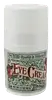
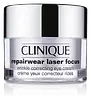
LilyAna Naturals Eye Cream Moisturizer Versus Clinique Repairwear Laser Focus™ Wrinkle Correcting Eye Cream
This anti-aging eye moisturizer is formulated around Aloe Barbadensis Leaf Juice and Rosa Canina Fruit Oil to soften the look of wrinkles and hydrate skin.

What's inside
What's inside
 Key Ingredients
Benefits
Concerns
Ingredients Side-by-side
Aloe Barbadensis Leaf Juice
Skin Conditioning


Cocos Nucifera Oil
Masking







Rosa Canina Fruit Oil
Emollient

Emulsifying Wax Nf
Stearic Acid
Cleansing
Glycerin
Humectant
Tocopherol
Antioxidant




Helianthus Annuus Seed Oil
Emollient
Phenoxyethanol
Preservative
Hibiscus Syriacus Flower Extract
Antioxidant
Retinol
Skin Conditioning





Niacinamide
Smoothing
Calcium Ascorbate
Antioxidant
Panthenol
Skin Conditioning
Azadirachta Indica Seed Oil
Skin Conditioning
Rosmarinus Officinalis Leaf Extract
AntimicrobialAlcohol
Antimicrobial

Propylene Glycol
Humectant
Xanthan Gum
EmulsifyingTetrasodium Glutamate Diacetate
ChelatingAloe Barbadensis Leaf Juice, Cocos Nucifera Oil, Rosa Canina Fruit Oil, Emulsifying Wax Nf, Stearic Acid, Glycerin, Tocopherol, Helianthus Annuus Seed Oil, Phenoxyethanol, Hibiscus Syriacus Flower Extract, Retinol, Niacinamide, Calcium Ascorbate, Panthenol, Azadirachta Indica Seed Oil, Rosmarinus Officinalis Leaf Extract, Alcohol, Propylene Glycol, Xanthan Gum, Tetrasodium Glutamate Diacetate
Water
Skin ConditioningSqualane
Emollient
Butylene Glycol
Humectant
Ethylhexyl Palmitate
Emollient
Glycerin
Humectant
Caprylic/Capric/Myristic/Stearic Triglyceride
EmollientDimethicone
Emollient
Methyl Gluceth-20
Humectant
PEG-100 Stearate
Surfactant
Cetyl Alcohol
Emollient
Glyceryl Stearate
Emollient
PEG-8
HumectantPolymethylsilsesquioxane
Hydrogenated Lecithin
Emulsifying
Hypnea Musciformis Extract
Skin Protecting
Gelidiella Acerosa Extract
Skin Protecting
Sigesbeckia Orientalis Extract
Skin ConditioningCrithmum Maritimum Extract
Skin ConditioningHordeum Vulgare Extract
EmollientChlorella Vulgaris Extract
Skin ConditioningCucumis Sativus Fruit Extract
Emollient
Rosmarinus Officinalis Leaf Extract
AntimicrobialPadina Pavonica Thallus Extract
Skin ConditioningLaminaria Digitata Extract
Skin Protecting
Camellia Sinensis Leaf Extract
Antimicrobial
Saccharomyces Ferment Filtrate
Humectant
Whey Protein
Skin ConditioningHydrogenated Vegetable Oil
Emollient
Micrococcus Lysate
Skin ConditioningPersea Gratissima Sterols
EmollientErgothioneine
Antioxidant
Biotin
AntiseborrhoeicAcetyl Glucosamine
Skin Conditioning
Caffeine
Skin Conditioning
Lecithin
Emollient
Palmitoyl Oligopeptide
Cleansing
Glyceryl Polymethacrylate
Caprylic/Capric Triglyceride
Masking
Polysilicone-11
Propylene Glycol Dicaprate
EmollientTocopheryl Acetate
Antioxidant
Sucrose
Humectant
Trehalose
Humectant
Pentylene Glycol
Skin Conditioning
Carbomer
Emulsion StabilisingHelianthus Annuus Seedcake
Abrasive
Tromethamine
BufferingPhytosphingosine
Skin Conditioning
Tetrahexyldecyl Ascorbate
Antioxidant
Cholesterol
Emollient
Zinc PCA
Humectant
Hexylene Glycol
EmulsifyingHydroxyethylcellulose
Emulsion StabilisingSodium Hyaluronate
Humectant
Potassium Sulfate
Citric Acid
Buffering
Caprylyl Glycol
Emollient
Sodium Citrate
BufferingDisodium Distyrylbiphenyl Disulfonate
SurfactantDisodium EDTA
ChelatingPhenoxyethanol
Preservative
CI 77891
Cosmetic ColorantWater, Squalane, Butylene Glycol, Ethylhexyl Palmitate, Glycerin, Caprylic/Capric/Myristic/Stearic Triglyceride, Dimethicone, Methyl Gluceth-20, PEG-100 Stearate, Cetyl Alcohol, Glyceryl Stearate, PEG-8, Polymethylsilsesquioxane, Hydrogenated Lecithin, Hypnea Musciformis Extract, Gelidiella Acerosa Extract, Sigesbeckia Orientalis Extract, Crithmum Maritimum Extract, Hordeum Vulgare Extract, Chlorella Vulgaris Extract, Cucumis Sativus Fruit Extract, Rosmarinus Officinalis Leaf Extract, Padina Pavonica Thallus Extract, Laminaria Digitata Extract, Camellia Sinensis Leaf Extract, Saccharomyces Ferment Filtrate, Whey Protein, Hydrogenated Vegetable Oil, Micrococcus Lysate, Persea Gratissima Sterols, Ergothioneine, Biotin, Acetyl Glucosamine, Caffeine, Lecithin, Palmitoyl Oligopeptide, Glyceryl Polymethacrylate, Caprylic/Capric Triglyceride, Polysilicone-11, Propylene Glycol Dicaprate, Tocopheryl Acetate, Sucrose, Trehalose, Pentylene Glycol, Carbomer, Helianthus Annuus Seedcake, Tromethamine, Phytosphingosine, Tetrahexyldecyl Ascorbate, Cholesterol, Zinc PCA, Hexylene Glycol, Hydroxyethylcellulose, Sodium Hyaluronate, Potassium Sulfate, Citric Acid, Caprylyl Glycol, Sodium Citrate, Disodium Distyrylbiphenyl Disulfonate, Disodium EDTA, Phenoxyethanol, CI 77891
Ingredients Explained
These ingredients are found in both products.
Ingredients higher up in an ingredient list are typically present in a larger amount.
Glycerin (or glycerol) is a compound naturally found in your skin. It's a powerhouse humectant that pulls water into the stratum corneum.
Topically, glycerin does several things at once:
Your skin makes glycerin on its own (mostly from sebaceous oil breakdown) and shuttles it to your outermost layer of skin, or your epidermis, via aquaporin-3.
Aquaporin-3 is a transporter that is essential for normal skin hydration, elasticity, and repair. Interestingly, mice lacking in AQP3 have dry and less elastic skin that can be fully corrected with glycerin.
This ingredient is non-irritating, plays well with almost every ingredient, and works across all skin types. Typical use is anywhere between 3-10% but can go up to 79% in some leave-on products.
Just know very high concentrations (>40%) can feel tacky in low humidity.
Glycerin is the name for this ingredient in American English. British English uses Glycerol/Glycerine.
Learn more about GlycerinPhenoxyethanol is one of the most widely used preservatives in skincare (and for good reason!).
It has a large spectrum of antimicrobial activity and especially effective bacteria, yeast, and mold while only having a weak effect on your skin's natural microbiome.
On a cellular level, it disrupts the cell membranes of microbes by poking holes that make the cell leak. This shuts down the chemical reactions the microbe needs to make energy so it can no longer survive.
Another perk of this ingredient is that it stays functional across a wide pH range (3-10).
You'll often see it paired with boosters like Ethylhexylglycerin; one study showed that a 1:9 ratio of Ethylhexylglycerin to Phenoxyethanol damages bacterial membranes as effectively as doubling the Phenoxyethanol concentration on its own.
Typical use concentrations range from 0.3-1% depending on the formula, and this ingredient is capped at 1% int the EU.
Safety-wise, the fear mongering does not hold up to the evidence. The EU's Scientific Committee on Consumer Safety and FDA consider it safe as a preservative at up to 1%, including for children of all ages.
Adverse systemic effects only showed up in animal studies at exposures roughly 200x higher than what people get from cosmetics. And despite its very widespread use, this ingredient is a rare sensitizer and allergic reactions are uncommon.
Learn more about PhenoxyethanolThis is a botanical extract from the rosemary plant (the same one you cook with). In skincare, it mostly works as a skin conditioning agent.
Its activity comes from a handful of polyphenols, carnosic acid, carnosol, and rosmarinic acid. Almost 90% of the antioxidant activity of this ingredient can be attributed to canosol and carnosic acid.
These compounds protect your skin two ways:
1) They fight off free radicals, or the unstable molecules from things like sun and pollution that age and damage skin.
2) They help calm inflammation by switching off the chemical signals that tell skin to get red and irritated.
Lab studies also suggest that rosmarinic acid may help protect collagen and slow sugar-related damage to it.
The Cosmetic Ingredient Review has concluded rosemary-derived ingredients to be safe when formulated to be non-sensitizing.
Rosemary can occasionally cause allergic contact dermatitis (due to carnosol), so be sure to patch test if you have reactive or fragrance-sensitive skin.
Learn more about Rosmarinus Officinalis Leaf Extract

