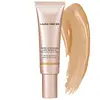
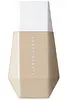
Laura Mercier Tinted Moisturizer Light Revealer Natural Skin Illuminator SPF 25 PA+++ Versus Fenty Beauty Eaze Drop Blurring Skin Tint


What's inside
What's inside
 Key Ingredients
Benefits
Concerns
Ingredients Side-by-side
Butyl Methoxydibenzoylmethane 3%
UV Absorber


Homosalate 5%
Skin Conditioning
Ethylhexyl Salicylate 5%
UV Absorber
Octocrylene 3%
UV Absorber
Water
Skin ConditioningButyloctyl Salicylate
Skin Conditioning
Butylene Glycol
Humectant
Octyldodecyl Neopentanoate
EmollientDimethicone
Emollient
Glyceryl Stearate
Emollient
PEG-100 Stearate
Glycerin
Humectant


Ascophyllum Nodosum Extract
Skin ConditioningSilica
Abrasive
Ethylhexylglycerin
Skin ConditioningCetearyl Alcohol
Emollient


Coco-Glucoside
CleansingCitric Acid
Buffering



Batyl Alcohol
EmollientBis-PEG/PPG-14/14 Dimethicone
Emollient
Acrylates/C10-30 Alkyl Acrylate Crosspolymer
Emulsion StabilisingDisodium EDTA
Potassium Hydroxide
BufferingTocopheryl Acetate
Antioxidant

Tetrahexyldecyl Ascorbate
Antioxidant

Xanthan Gum
EmulsifyingSaccharide Isomerate
Humectant
Sodium Citrate
BufferingTin Oxide
Abrasive
Phenoxyethanol
Preservative
Potassium Sorbate
Preservative
Iron Oxides
Mica
Cosmetic Colorant
Titanium Dioxide
Cosmetic Colorant
Butyl Methoxydibenzoylmethane 3%, Homosalate 5%, Ethylhexyl Salicylate 5%, Octocrylene 3%, Water, Butyloctyl Salicylate, Butylene Glycol, Octyldodecyl Neopentanoate, Dimethicone, Glyceryl Stearate, PEG-100 Stearate, Glycerin, Ascophyllum Nodosum Extract, Silica, Ethylhexylglycerin, Cetearyl Alcohol, Coco-Glucoside, Citric Acid, Batyl Alcohol, Bis-PEG/PPG-14/14 Dimethicone, Acrylates/C10-30 Alkyl Acrylate Crosspolymer, Disodium EDTA, Potassium Hydroxide, Tocopheryl Acetate, Tetrahexyldecyl Ascorbate, Xanthan Gum, Saccharide Isomerate, Sodium Citrate, Tin Oxide, Phenoxyethanol, Potassium Sorbate, Iron Oxides, Mica, Titanium Dioxide
Water
Skin ConditioningDimethicone
Emollient
Talc
Abrasive
Dicaprylyl Carbonate
EmollientIsostearyl Neopentanoate
Emollient
PEG-10 Dimethicone
Skin Conditioning
Dimethicone/Vinyl Dimethicone Crosspolymer
Skin Conditioning
Glycerin
Humectant
Trimethylsiloxysilicate
Emollient
Isododecane
EmollientBis-PEG/PPG-14/14 Dimethicone
Emollient
Phenoxyethanol
Preservative
Sodium Chloride
Masking
Dimethicone Crosspolymer
Emulsion Stabilising
Magnesium Sulfate
Hydrogen Dimethicone
Sodium Dehydroacetate
Preservative
Trehalose
Humectant
Urea
Buffering
Potassium Sorbate
Preservative
Silica
Abrasive
Disteardimonium Hectorite
StabilisingAluminum Hydroxide
EmollientBenzoic Acid
Masking
Sodium Hyaluronate
Humectant
C24-28 Alkyl Methicone
Emollient
Pentylene Glycol
Skin ConditioningSerine
Masking
Dehydroacetic Acid
Preservative
Propylene Carbonate
SolventEthylhexylglycerin
Skin ConditioningAlgin
Masking
Caprylyl Glycol
Emollient
Disodium Phosphate
BufferingGlyceryl Polyacrylate
Pullulan
Tocopherol
Antioxidant
Potassium Phosphate
BufferingIron Oxides
CI 77891
Cosmetic ColorantWater, Dimethicone, Talc, Dicaprylyl Carbonate, Isostearyl Neopentanoate, PEG-10 Dimethicone, Dimethicone/Vinyl Dimethicone Crosspolymer, Glycerin, Trimethylsiloxysilicate, Isododecane, Bis-PEG/PPG-14/14 Dimethicone, Phenoxyethanol, Sodium Chloride, Dimethicone Crosspolymer, Magnesium Sulfate, Hydrogen Dimethicone, Sodium Dehydroacetate, Trehalose, Urea, Potassium Sorbate, Silica, Disteardimonium Hectorite, Aluminum Hydroxide, Benzoic Acid, Sodium Hyaluronate, C24-28 Alkyl Methicone, Pentylene Glycol, Serine, Dehydroacetic Acid, Propylene Carbonate, Ethylhexylglycerin, Algin, Caprylyl Glycol, Disodium Phosphate, Glyceryl Polyacrylate, Pullulan, Tocopherol, Potassium Phosphate, Iron Oxides, CI 77891
Reviews
Ingredients Explained
These ingredients are found in both products.
Ingredients higher up in an ingredient list are typically present in a larger amount.
Bis-PEG/PPG-14/14 Dimethicone is a type of silicone.
Dimethicone is a type of synthetic silicone created from natural materials such as quartz.
What it does:
Dimethicone comes in different viscosities:
Depending on the viscosity, dimethicone has different properties.
Ingredients lists don't always show which type is used, so we recommend reaching out to the brand if you have questions about the viscosity.
This ingredient is unlikely to cause irritation because it does not get absorbed into skin. However, people with silicone allergies should be careful about using this ingredient.
Note: Dimethicone may contribute to pilling. This is because it is not oil or water soluble, so pilling may occur when layered with products. When mixed with heavy oils in a formula, the outcome is also quite greasy.
Learn more about DimethiconeEthylhexylglycerin (we can't pronounce this either) is commonly used as a preservative and skin softener. It is derived from glyceryl.
You might see Ethylhexylglycerin often paired with other preservatives such as phenoxyethanol. Ethylhexylglycerin has been found to increase the effectiveness of these other preservatives.
Glycerin is already naturally found in your skin. It helps moisturize and protect your skin.
A study from 2016 found glycerin to be more effective as a humectant than AHAs and hyaluronic acid.
As a humectant, it helps the skin stay hydrated by pulling moisture to your skin. The low molecular weight of glycerin allows it to pull moisture into the deeper layers of your skin.
Hydrated skin improves your skin barrier; Your skin barrier helps protect against irritants and bacteria.
Glycerin has also been found to have antimicrobial and antiviral properties. Due to these properties, glycerin is often used in wound and burn treatments.
In cosmetics, glycerin is usually derived from plants such as soybean or palm. However, it can also be sourced from animals, such as tallow or animal fat.
This ingredient is organic, colorless, odorless, and non-toxic.
Glycerin is the name for this ingredient in American English. British English uses Glycerol/Glycerine.
Learn more about GlycerinPhenoxyethanol is a preservative that has germicide, antimicrobial, and aromatic properties. Studies show that phenoxyethanol can prevent microbial growth. By itself, it has a scent that is similar to that of a rose.
It's often used in formulations along with Caprylyl Glycol to preserve the shelf life of products.
Potassium Sorbate is a preservative used to prevent yeast and mold in products. It is commonly found in both cosmetic and food products.
This ingredient comes from potassium salt derived from sorbic acid. Sorbic acid is a natural antibiotic and effective against fungus.
Both potassium sorbate and sorbic acid can be found in baked goods, cheeses, dried meats, dried fruit, ice cream, pickles, wine, yogurt, and more.
You'll often find this ingredient used with other preservatives.
Learn more about Potassium SorbateSilica, also known as silicon dioxide, is a naturally occurring mineral. It is used as a fine, spherical, and porous powder in cosmetics.
Though it has exfoliant properties, the function of silica varies depending on the product.
The unique structure of silica enhances the spreadability and adds smoothness, making it a great texture enhancer.
It is also used as an active carrier, emulsifier, and mattifier due to its ability to absorb excess oil.
In some products, tiny microneedles called spicules are made from silica or hydrolyzed sponge. When you rub them in, they lightly polish away dead skin layers and enhance the penetration of active ingredients.
Learn more about SilicaWater. It's the most common cosmetic ingredient of all. You'll usually see it at the top of ingredient lists, meaning that it makes up the largest part of the product.
So why is it so popular? Water most often acts as a solvent - this means that it helps dissolve other ingredients into the formulation.
You'll also recognize water as that liquid we all need to stay alive. If you see this, drink a glass of water. Stay hydrated!
Learn more about WaterThis ingredient is a combination of red, black, and yellow iron oxide pigments. This combination of colors is usually found in foundation, because it results in a "skin" color.

