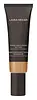
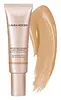
Laura Mercier Tinted Moisturizer Oil-Free Versus Laura Mercier Tinted Moisturizer Light Revealer Natural Skin Illuminator SPF 25 PA+++

What's inside
What's inside
 Key Ingredients
Benefits
Concerns
Ingredients Side-by-side
Water
Skin ConditioningEthylhexyl Methoxycinnamate
UV Absorber


Disiloxane
Skin Conditioning
PEG-30 Dipolyhydroxystearate
Emulsifying
Ethylhexyl Salicylate
UV Absorber
C12-15 Alkyl Benzoate
AntimicrobialEthylhexyl Palmitate
Emollient

Glycerin
Humectant


Isohexadecane
EmollientCyclopentasiloxane
Emollient
Methicone
Emollient
PPG-15 Stearyl Ether
EmollientIsopropyl Titanium Triisostearate
Emollient
Boron Nitride
Absorbent
Jojoba Esters
Emollient
Squalane
Emollient
Magnesium Stearate
Cosmetic ColorantPentaerythrityl Tetra-Di-T-Butyl Hydroxyhydrocinnamate
Antioxidant
Disodium EDTA
Tocopheryl Acetate
Antioxidant

Lauryl PCA
HumectantDipotassium Glycyrrhizate
Humectant

Phenoxyethanol
Preservative
Sodium Dehydroacetate
Preservative
Methylparaben
Preservative

Propylparaben
Preservative
Iron Oxides
CI 77891
Cosmetic ColorantWater, Ethylhexyl Methoxycinnamate, Disiloxane, PEG-30 Dipolyhydroxystearate, Ethylhexyl Salicylate, C12-15 Alkyl Benzoate, Ethylhexyl Palmitate, Glycerin, Isohexadecane, Cyclopentasiloxane, Methicone, PPG-15 Stearyl Ether, Isopropyl Titanium Triisostearate, Boron Nitride, Jojoba Esters, Squalane, Magnesium Stearate, Pentaerythrityl Tetra-Di-T-Butyl Hydroxyhydrocinnamate, Disodium EDTA, Tocopheryl Acetate, Lauryl PCA, Dipotassium Glycyrrhizate, Phenoxyethanol, Sodium Dehydroacetate, Methylparaben, Propylparaben, Iron Oxides, CI 77891
Butyl Methoxydibenzoylmethane 3%
UV Absorber
Homosalate 5%
Skin Conditioning
Ethylhexyl Salicylate 5%
UV Absorber
Octocrylene 3%
UV Absorber
Water
Skin ConditioningButyloctyl Salicylate
Skin Conditioning
Butylene Glycol
Humectant
Octyldodecyl Neopentanoate
EmollientDimethicone
Emollient
Glyceryl Stearate
Emollient
PEG-100 Stearate
Glycerin
Humectant
Ascophyllum Nodosum Extract
Skin ConditioningSilica
Abrasive

Ethylhexylglycerin
Skin ConditioningCetearyl Alcohol
Emollient

Coco-Glucoside
Cleansing
Citric Acid
Buffering

Batyl Alcohol
EmollientBis-PEG/PPG-14/14 Dimethicone
Emollient
Acrylates/C10-30 Alkyl Acrylate Crosspolymer
Emulsion StabilisingDisodium EDTA
Potassium Hydroxide
BufferingTocopheryl Acetate
Antioxidant
Tetrahexyldecyl Ascorbate
Antioxidant

Xanthan Gum
EmulsifyingSaccharide Isomerate
Humectant
Sodium Citrate
BufferingTin Oxide
Abrasive
Phenoxyethanol
Preservative
Potassium Sorbate
Preservative
Iron Oxides
Mica
Cosmetic ColorantTitanium Dioxide
Cosmetic Colorant
Butyl Methoxydibenzoylmethane 3%, Homosalate 5%, Ethylhexyl Salicylate 5%, Octocrylene 3%, Water, Butyloctyl Salicylate, Butylene Glycol, Octyldodecyl Neopentanoate, Dimethicone, Glyceryl Stearate, PEG-100 Stearate, Glycerin, Ascophyllum Nodosum Extract, Silica, Ethylhexylglycerin, Cetearyl Alcohol, Coco-Glucoside, Citric Acid, Batyl Alcohol, Bis-PEG/PPG-14/14 Dimethicone, Acrylates/C10-30 Alkyl Acrylate Crosspolymer, Disodium EDTA, Potassium Hydroxide, Tocopheryl Acetate, Tetrahexyldecyl Ascorbate, Xanthan Gum, Saccharide Isomerate, Sodium Citrate, Tin Oxide, Phenoxyethanol, Potassium Sorbate, Iron Oxides, Mica, Titanium Dioxide
Ingredients Explained
These ingredients are found in both products.
Ingredients higher up in an ingredient list are typically present in a larger amount.
Disodium EDTA is a chelating agent. It grabs onto and deactivates metal ions that sneak into your products from water, packaging, or air.
This ingredient mainly works behind the scenes and helps with:
On top of that, this ingredient can counteract the effects of hard water by binding to the minerals in it.
One thing worth knowing is that Disodium EDTA has been shown to be a mild penetration enhancer. It can help other ingredients absorb into skin more effectively which can be a double-edged sword (great for actives, but can also make the active too strong if you have sensitive skin).
Clinical patch testing showed no significant skin irritation at typical use concentrations and minimal dermal absorption.
You'll most likely see this ingredient near the end of an ingredient list. It's typically found in concentrations less than 1%.
Learn more about Disodium EDTAEthylhexyl Salicylate is an organic compound used to block UV rays. It primarily absorbs UVB rays but offers a small amount of UVA protection as well.
Commonly found in sunscreens, Ethylhexyl Salicylate is created from salicylic acid and 2-ethylhexanol. You might know salicylic acid as the effective acne fighter ingredient and BHA.
The ethylhexanol in this ingredient is a fatty alcohol and helps hydrate your skin, similar to oils. It is an emollient, which means it traps moisture into the skin.
According to manufacturers, Ethylhexyl Salicylate absorbs UV wavelength of 295-315 nm, with a peak absorption at 307-310 nm. UVA rays are linked to long term skin damage, such as hyperpigmentation. UVB rays emit more energy and are capable of damaging our DNA. UVB rays cause sunburn.
Learn more about Ethylhexyl SalicylateGlycerin (or glycerol) is a compound naturally found in your skin. It's a powerhouse humectant that pulls water into the stratum corneum.
Topically, glycerin does several things at once:
Your skin makes glycerin on its own (mostly from sebaceous oil breakdown) and shuttles it to your outermost layer of skin, or your epidermis, via aquaporin-3.
Aquaporin-3 is a transporter that is essential for normal skin hydration, elasticity, and repair. Interestingly, mice lacking in AQP3 have dry and less elastic skin that can be fully corrected with glycerin.
This ingredient is non-irritating, plays well with almost every ingredient, and works across all skin types. Typical use is anywhere between 3-10% but can go up to 79% in some leave-on products.
Just know very high concentrations (>40%) can feel tacky in low humidity.
Glycerin is the name for this ingredient in American English. British English uses Glycerol/Glycerine.
Learn more about GlycerinPhenoxyethanol is a preservative that has germicide, antimicrobial, and aromatic properties. Studies show that phenoxyethanol can prevent microbial growth. By itself, it has a scent that is similar to that of a rose.
It's often used in formulations along with Caprylyl Glycol to preserve the shelf life of products.
Tocopheryl Acetate is AKA Vitamin E. It is an antioxidant and protects your skin from free radicals. Free radicals damage the skin by breaking down collagen.
One study found using Tocopheryl Acetate with Vitamin C decreased the number of sunburned cells.
Tocopheryl Acetate is commonly found in both skincare and dietary supplements.
Learn more about Tocopheryl AcetateWater. It's the most common cosmetic ingredient of all. You'll usually see it at the top of ingredient lists, meaning that it makes up the largest part of the product.
So why is it so popular? Water most often acts as a solvent - this means that it helps dissolve other ingredients into the formulation.
You'll also recognize water as that liquid we all need to stay alive. If you see this, drink a glass of water. Remember to stay hydrated!
Learn more about WaterThis ingredient is a combination of red, black, and yellow iron oxide pigments. This combination of colors is usually found in foundation, because it results in a "skin" color.
The EU typically uses CI numbers for colorants when applicable, such as CI 77489. In the US, iron oxides are regulated as color additives and "iron oxides" is the most commonly used name in US cosmetic practice.
A 2021 paper looked at skincare formulations containing iron oxides and found that they reduced transmission of blue light when measured optically. In simple terms, the pigment particles helped block or scatter part of the visible light spectrum in lab testing and the authors suggest this could translate into better protection against blue-light-related skin effects.
There is also clinical and experimental research showing that tinted products containing iron oxides can reduce visible light-induced pigmentation:
Please note, whether a product reduces visible or blue light depends on things like:
In the EU's CosIng database, iron oxides are only listed as a colorant. CosIng groups ingredients by their main cosmetic role, such as colorant, preservative, or UV filter.
Though studies say iron oxides can "attenuate blue light", they're describing an optical property and not an officially recognized cosmetic function.
So CosIng isn’t contradicting the research. It’s just classifying iron oxides by what they officially are: pigments that add color.
Learn more about Iron Oxides
