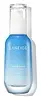
This hydrating essence is formulated around Saccharide Isomerate to hydrate skin and strengthen the skin barrier.
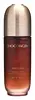
This anti-aging essence is formulated around Niacinamide and Panax Ginseng Root Extract to soften the look of wrinkles and hydrate skin.

What's inside
What's inside
 Key Ingredients
Benefits
Concerns
Ingredients Side-by-side
Water
Skin ConditioningPropanediol
Solvent

Hexyldecyl Myristoyl Methylaminopropionate
EmollientIsostearyl Neopentanoate
Emollient

Glycerin
Humectant
Methyl Trimethicone
Skin Conditioning
Sea Water
HumectantSaccharide Isomerate
Humectant
Dimethicone
Emollient
Polyacrylate Crosspolymer-6
Emulsion StabilisingTromethamine
BufferingDimethicone/Vinyl Dimethicone Crosspolymer
Skin Conditioning
Butylene Glycol
Humectant
Glyceryl Caprylate
EmollientCarbomer
Emulsion StabilisingAcrylates/C10-30 Alkyl Acrylate Crosspolymer
Emulsion StabilisingDisodium EDTA
ChelatingEthylhexylglycerin
Skin Conditioning1,2-Hexanediol
Skin Conditioning
Parfum
Masking



Chenopodium Quinoa Seed Extract
Skin Conditioning
Magnesium Sulfate
Calcium Chloride
AstringentPhenoxyethanol
Preservative
Sodium Citrate
BufferingCitric Acid
Buffering

T-Butyl Alcohol
Perfuming

Beta Vulgaris Root Extract
Skin ConditioningManganese Sulfate
Skin ConditioningZinc Sulfate
Antimicrobial
Brassica Oleracea Acephala Leaf Extract
HumectantLecithin
Emollient
Nasturtium Officinale Extract
Perfuming
Tocopherol
Antioxidant



Lepidium Sativum Sprout Extract
Skin ConditioningAscorbyl Glucoside
Antioxidant
Water, Propanediol, Hexyldecyl Myristoyl Methylaminopropionate, Isostearyl Neopentanoate, Glycerin, Methyl Trimethicone, Sea Water, Saccharide Isomerate, Dimethicone, Polyacrylate Crosspolymer-6, Tromethamine, Dimethicone/Vinyl Dimethicone Crosspolymer, Butylene Glycol, Glyceryl Caprylate, Carbomer, Acrylates/C10-30 Alkyl Acrylate Crosspolymer, Disodium EDTA, Ethylhexylglycerin, 1,2-Hexanediol, Parfum, Chenopodium Quinoa Seed Extract, Magnesium Sulfate, Calcium Chloride, Phenoxyethanol, Sodium Citrate, Citric Acid, T-Butyl Alcohol, Beta Vulgaris Root Extract, Manganese Sulfate, Zinc Sulfate, Brassica Oleracea Acephala Leaf Extract, Lecithin, Nasturtium Officinale Extract, Tocopherol, Lepidium Sativum Sprout Extract, Ascorbyl Glucoside
Phellinus Linteus Extract
Skin ConditioningGlycerin
Humectant
PEG-8
HumectantWater
Skin ConditioningButylene Glycol
Humectant
Polyglycerin-3
Humectant
Alcohol Denat.
Antimicrobial
Methyl Gluceth-20
Humectant
Niacinamide
Smoothing




1,2-Hexanediol
Skin Conditioning
Methylpropanediol
SolventPentylene Glycol
Skin Conditioning
Chlorella Vulgaris Extract
Skin ConditioningTheobroma Cacao Seed Extract
Antioxidant
Angelica Gigas Extract
Skin ConditioningCornus Officinalis Fruit Extract
Skin ConditioningThymus Vulgaris Extract
Perfuming
Velvet Extract
HumectantHelianthus Annuus Seed Oil
Emollient

Candida Bombicola/Glucose/Methyl Rapeseedate Ferment
AntimicrobialHydrolyzed Hyaluronic Acid
Humectant
Macadamia Ternifolia Seed Oil
Emollient
Panax Ginseng Root Extract
Emollient
Glucose
Humectant
PEG-60 Hydrogenated Castor Oil
Emulsifying
Glyceryl Polyacrylate
Fructooligosaccharides
Humectant
Fructose
Humectant
Ammonium Acryloyldimethyltaurate/Vp Copolymer
Octyldodeceth-16
EmulsifyingSodium Polyacrylate
Absorbent
Ethylhexylglycerin
Skin ConditioningAdenosine
Skin Conditioning
Dextrin
AbsorbentSodium Phytate
ChelatingBeta-Glucan
Skin Conditioning
Tocopherol
Antioxidant
Polyglyceryl-10 Stearate
Skin Conditioning
Sodium Stearoyl Glutamate
Cleansing3-O-Ethyl Ascorbic Acid
Skin Conditioning
Caprylyl Glycol
Emollient
Hydrolyzed Elastin
EmollientAcetyl Hexapeptide-8
Humectant
Carbomer
Emulsion StabilisingCetearyl Alcohol
Emollient

Parfum
Masking
Benzyl Salicylate
Perfuming
Alpha-Isomethyl Ionone
Perfuming
Citronellol
Perfuming
Geraniol
Perfuming
Linalool
Perfuming
CI 77480
Cosmetic ColorantPhellinus Linteus Extract, Glycerin, PEG-8, Water, Butylene Glycol, Polyglycerin-3, Alcohol Denat., Methyl Gluceth-20, Niacinamide, 1,2-Hexanediol, Methylpropanediol, Pentylene Glycol, Chlorella Vulgaris Extract, Theobroma Cacao Seed Extract, Angelica Gigas Extract, Cornus Officinalis Fruit Extract, Thymus Vulgaris Extract, Velvet Extract, Helianthus Annuus Seed Oil, Candida Bombicola/Glucose/Methyl Rapeseedate Ferment, Hydrolyzed Hyaluronic Acid, Macadamia Ternifolia Seed Oil, Panax Ginseng Root Extract, Glucose, PEG-60 Hydrogenated Castor Oil, Glyceryl Polyacrylate, Fructooligosaccharides, Fructose, Ammonium Acryloyldimethyltaurate/Vp Copolymer, Octyldodeceth-16, Sodium Polyacrylate, Ethylhexylglycerin, Adenosine, Dextrin, Sodium Phytate, Beta-Glucan, Tocopherol, Polyglyceryl-10 Stearate, Sodium Stearoyl Glutamate, 3-O-Ethyl Ascorbic Acid, Caprylyl Glycol, Hydrolyzed Elastin, Acetyl Hexapeptide-8, Carbomer, Cetearyl Alcohol, Parfum, Benzyl Salicylate, Alpha-Isomethyl Ionone, Citronellol, Geraniol, Linalool, CI 77480
Reviews
Ingredients Explained
These ingredients are found in both products.
Ingredients higher up in an ingredient list are typically present in a larger amount.
1,2-Hexanediol is a synthetic liquid and another multi-functional powerhouse.
It is a:
- Humectant, drawing moisture into the skin
- Emollient, helping to soften skin
- Solvent, dispersing and stabilizing formulas
- Preservative booster, enhancing the antimicrobial activity of other preservatives
Butylene Glycol (or BG) is used within cosmetic products for a few different reasons:
Overall, Butylene Glycol is a safe and well-rounded ingredient that works well with other ingredients.
Though this ingredient works well with most skin types, some people with sensitive skin may experience a reaction such as allergic rashes, closed comedones, or itchiness.
Learn more about Butylene GlycolCarbomer is a synthetic thickening and gelling agent. It's basically the ingredient that gives a lot of serums, gels, creams, and sunscreens their smooth, non-sticky texture.
Although legally permitted at very high levels, carbomers are normally used at concentrations below 1%.
It also needs to be neutralized to actually thicken, and because it is a large molecule, it doesn't really penetrate the skin barrier.
Allergy-wise, the risk is very low. Clinical studies show carbomers have low potential for skin irritation/sensitization even at concentrations up to 100%.
A 2024 UK study patch-tested 1,302 patients and found true allergy to the parent group of carbomer to be rare with no confirmed relevant reactions.
Learn more about CarbomerEthylhexylglycerin is created from glycerin. It is a multitasker ingredient that:
The CIR Expert Panel found minimal skin absorption or sensitization of any kind in a safety assessment. Though this ingredient is considered well-tolerated, a small number of cases of allergic dermatitis have been published since 2002. Just be sure to patch test if you are unsure.
Industry-reported use ranges from 8% in rinse-off products and 2% in leave-on formulations.
Learn more about EthylhexylglycerinGlycerin (or glycerol) is a compound naturally found in your skin. It's a powerhouse humectant that pulls water into the stratum corneum.
Topically, glycerin does several things at once:
Your skin makes glycerin on its own (mostly from sebaceous oil breakdown) and shuttles it to your outermost layer of skin, or your epidermis, via aquaporin-3.
Aquaporin-3 is a transporter that is essential for normal skin hydration, elasticity, and repair. Interestingly, mice lacking in AQP3 have dry and less elastic skin that can be fully corrected with glycerin.
This ingredient is non-irritating, plays well with almost every ingredient, and works across all skin types. Typical use is anywhere between 3-10% but can go up to 79% in some leave-on products.
Just know very high concentrations (>40%) can feel tacky in low humidity.
Glycerin is the name for this ingredient in American English. British English uses Glycerol/Glycerine.
Learn more about GlycerinParfum is a catch-all term for an ingredient or more that is used to give a scent to products.
Also called "fragrance", this ingredient can be a blend of hundreds of chemicals or plant oils. This means every product with "fragrance" or "parfum" in the ingredients list is a different mixture.
For instance, Habanolide is a proprietary trade name for a specific aroma chemical. When used as a fragrance ingredient in cosmetics, most aroma chemicals fall under the broad labeling category of “FRAGRANCE” or “PARFUM” according to EU and US regulations.
The term 'parfum' or 'fragrance' is not regulated in many countries. In many cases, it is up to the brand to define this term.
For instance, many brands choose to label themselves as "fragrance-free" because they are not using synthetic fragrances. However, their products may still contain ingredients such as essential oils that are considered a fragrance by INCI standards.
One example is Calendula flower extract. Calendula is an essential oil that still imparts a scent or 'fragrance'.
Depending on the blend, the ingredients in the mixture can cause allergies and sensitivities on the skin. Some ingredients that are known EU allergens include linalool and citronellol.
Parfum can also be used to mask or cover an unpleasant scent.
The bottom line is: not all fragrances/parfum/ingredients are created equally. If you are worried about fragrances, we recommend taking a closer look at an ingredient. And of course, we always recommend speaking with a professional.
Learn more about ParfumTocopherol is a fat-soluble antioxidant known as Vitamin E.
You'll find this ingredient in the vast majority of skincare (for good reason). It works to neutralize free radicals, or unstable molecules generated by UV exposure, pollution, and other environmental stressors, before they can cause oxidative damage to your skin cells.
Topically applied tocopherol has been shown to protect against UV damage by ramping up the skin's own natural defense enzymes.
It also acts as a skin conditioning agent; some studies show that regular topical use can improve the skin's water-binding capacity over 2-4 weeks.
This ingredient is especially loved for being a team player. When combined with Vitamin C, the photoprotective effect of both ingredients roughly doubles and the combo also helps reduce UV-induced DNA damage.
This ingredient has some brightening potential but it's more of a prevention ingredient than spot-fader. Cell studies show it can slow down melanin production but it's worth noting that it's not the most powerful brightener out there.
In formulations, it also serves as a stabilizer that helps protect other oxidation-prone ingredients from degrading.
Concentrations usually range from 0.1-1% in most leave-on products.
Learn more about TocopherolWater. It's the most common cosmetic ingredient of all. You'll usually see it at the top of ingredient lists, meaning that it makes up the largest part of the product.
So why is it so popular? Water most often acts as a solvent - this means that it helps dissolve other ingredients into the formulation.
You'll also recognize water as that liquid we all need to stay alive. If you see this, drink a glass of water. Remember to stay hydrated!
Learn more about Water

