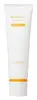
This hybrid sunscreen covers the full UV range and blocks ~98% of UVB at SPF 50.
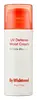
This chemical sunscreen covers the full UV range and blocks ~98% of UVB at SPF 50.

What's inside
What's inside
 Key Ingredients
Benefits
Concerns
Ingredients Side-by-side
Water
Skin ConditioningButylene Glycol
Humectant

Diethylamino Hydroxybenzoyl Hexyl Benzoate
UV Filter
Homosalate
Skin Conditioning
Ethylhexyl Salicylate
UV Absorber
C12-15 Alkyl Benzoate
AntimicrobialDiisopropyl Sebacate
EmollientCetearyl Alcohol
Emollient






Silica
Abrasive


Glycerin
Humectant
Potassium Cetyl Phosphate
EmulsifyingTitanium Dioxide
Cosmetic Colorant
Terephthalylidene Dicamphor Sulfonic Acid
UV Absorber
Phenyl Trimethicone
Skin Conditioning
Bis-Ethylhexyloxyphenol Methoxyphenyl Triazine
UV Absorber
Dibutyl Adipate
Emollient1,2-Hexanediol
Skin Conditioning
Tromethamine
BufferingPanthenol
Skin Conditioning

Limonene
Perfuming


Polyacrylate Crosspolymer-6
Emulsion StabilisingAluminum Stearate
Cosmetic ColorantPolymethyl Methacrylate
Polyhydroxystearic Acid
Emulsifying
Parfum
Masking
Xanthan Gum
EmulsifyingCaprylyl Glycol
Emollient
3-O-Ethyl Ascorbic Acid 0.1%
Skin Conditioning


Glyceryl Caprylate
EmollientThymol Trimethoxycinnamate
Antioxidant
Glyceryl Stearate
Emollient
Alumina
Abrasive
Hydrogenated Lecithin
Emulsifying
Disodium EDTA
ChelatingStearic Acid
Cleansing
C12-15 Alcohols
Emollient
Polyglyceryl-3 Methylglucose Distearate
Emulsifying
Palmitic Acid
Emollient
Linalool
Perfuming
Ceramide NP
Skin Conditioning

Citral
Perfuming
T-Butyl Alcohol
Perfuming

Geraniol
Perfuming
Myristic Acid
Cleansing
Lauric Acid
Cleansing
Water, Butylene Glycol, Diethylamino Hydroxybenzoyl Hexyl Benzoate, Homosalate, Ethylhexyl Salicylate, C12-15 Alkyl Benzoate, Diisopropyl Sebacate, Cetearyl Alcohol, Silica, Glycerin, Potassium Cetyl Phosphate, Titanium Dioxide, Terephthalylidene Dicamphor Sulfonic Acid, Phenyl Trimethicone, Bis-Ethylhexyloxyphenol Methoxyphenyl Triazine, Dibutyl Adipate, 1,2-Hexanediol, Tromethamine, Panthenol, Limonene, Polyacrylate Crosspolymer-6, Aluminum Stearate, Polymethyl Methacrylate, Polyhydroxystearic Acid, Parfum, Xanthan Gum, Caprylyl Glycol, 3-O-Ethyl Ascorbic Acid 0.1%, Glyceryl Caprylate, Thymol Trimethoxycinnamate, Glyceryl Stearate, Alumina, Hydrogenated Lecithin, Disodium EDTA, Stearic Acid, C12-15 Alcohols, Polyglyceryl-3 Methylglucose Distearate, Palmitic Acid, Linalool, Ceramide NP, Citral, T-Butyl Alcohol, Geraniol, Myristic Acid, Lauric Acid
Water
Skin ConditioningHomosalate
Skin Conditioning
Butylene Glycol
Humectant
Diethylamino Hydroxybenzoyl Hexyl Benzoate
UV Filter
Ethylhexyl Salicylate
UV Absorber
Glycerin
Humectant
Phenyl Trimethicone
Skin Conditioning
C12-15 Alkyl Benzoate
AntimicrobialSilica
Abrasive
Bis-Ethylhexyloxyphenol Methoxyphenyl Triazine
UV Absorber
Dibutyl Adipate
EmollientCetearyl Alcohol
Emollient
Terephthalylidene Dicamphor Sulfonic Acid
UV Absorber
1,2-Hexanediol
Skin Conditioning
Behenyl Alcohol
Emollient
Tromethamine
BufferingPanthenol
Skin Conditioning
Potassium Cetyl Phosphate
EmulsifyingGlyceryl Stearate
Emollient
Polyacrylate Crosspolymer-6
Emulsion StabilisingAcrylates/C10-30 Alkyl Acrylate Crosspolymer
Emulsion StabilisingChamomilla Recutita Flower Water
MaskingHydrogenated Lecithin
Emulsifying
Glyceryl Caprylate
EmollientC12-15 Alcohols
Emollient
Stearic Acid
Cleansing
Polyglyceryl-3 Methylglucose Distearate
Emulsifying
Palmitic Acid
Emollient
Disodium EDTA
ChelatingEthylhexylglycerin
Skin ConditioningAdenosine
Skin Conditioning
Glycyrrhiza Glabra Root Extract
Bleaching
Phytosterols
Skin Conditioning
T-Butyl Alcohol
Perfuming
Scutellaria Baicalensis Root Extract
Astringent
Myristic Acid
Cleansing
Lauric Acid
Cleansing
Camellia Sinensis Leaf Extract
Antimicrobial
Tocopherol
Antioxidant
Water, Homosalate, Butylene Glycol, Diethylamino Hydroxybenzoyl Hexyl Benzoate, Ethylhexyl Salicylate, Glycerin, Phenyl Trimethicone, C12-15 Alkyl Benzoate, Silica, Bis-Ethylhexyloxyphenol Methoxyphenyl Triazine, Dibutyl Adipate, Cetearyl Alcohol, Terephthalylidene Dicamphor Sulfonic Acid, 1,2-Hexanediol, Behenyl Alcohol, Tromethamine, Panthenol, Potassium Cetyl Phosphate, Glyceryl Stearate, Polyacrylate Crosspolymer-6, Acrylates/C10-30 Alkyl Acrylate Crosspolymer, Chamomilla Recutita Flower Water, Hydrogenated Lecithin, Glyceryl Caprylate, C12-15 Alcohols, Stearic Acid, Polyglyceryl-3 Methylglucose Distearate, Palmitic Acid, Disodium EDTA, Ethylhexylglycerin, Adenosine, Glycyrrhiza Glabra Root Extract, Phytosterols, T-Butyl Alcohol, Scutellaria Baicalensis Root Extract, Myristic Acid, Lauric Acid, Camellia Sinensis Leaf Extract, Tocopherol
Reviews
Ingredients Explained
These ingredients are found in both products.
Ingredients higher up in an ingredient list are typically present in a larger amount.
1,2-Hexanediol is a synthetic liquid and another multi-functional powerhouse.
It is a:
- Humectant, drawing moisture into the skin
- Emollient, helping to soften skin
- Solvent, dispersing and stabilizing formulas
- Preservative booster, enhancing the antimicrobial activity of other preservatives
This ingredient is better known as bemotrizinol or Tinosorb S and is one of the best broad-spectrum UV filters in modern sunscreen.
It works by absorbing UV light across a whole range (280-400 nm) with peaks around 310 nm (UVB) and 340-345 nm (UVA). This means it covers UVB plus the deeper UVA wavelengths that drive photoaging and pigmentation.
Another pro?
It's exceptionally photostable, barely degrades in sunlight, and acts as a "bodyguard" for less stable filters.
That's why you'll see it paired with avobenzone or octinoxate; this team up ensures they keep working through sun exposure.
Safety reviews have been reassuring across the board. This ingredient shows low absorption through the skin, rarely irritates, and lab studies found it doesn't act like a hormone in the body (a concern that's been raised about some older sunscreen filters).
On maximum concentrations:
In 2026, the US F.D.A finally added it as an OTC sunscreen ingredient at concentrations up to 6% for adults / children 6 months and older
Learn more about Bis-Ethylhexyloxyphenol Methoxyphenyl TriazineButylene Glycol (or BG) is used within cosmetic products for a few different reasons:
Overall, Butylene Glycol is a safe and well-rounded ingredient that works well with other ingredients.
Though this ingredient works well with most skin types, some people with sensitive skin may experience a reaction such as allergic rashes, closed comedones, or itchiness.
Learn more about Butylene GlycolC12-15 Alcohols is a fatty alcohol.
C12-15 Alkyl Benzoate is a lightweight emollient made by combinig benzoic acid with fatty alcohols that are 12-15 carbons long.
In cosmetics, it plays several roles:
The Cosmetic Review Expert Panel has concluded the alkyl benzoate group to be safe as used in cosmetics; it wasn't found to be a skin irritant and unlikely to be absorbed due to its low water solubility.
This report recorded almost 1000 reported uses with concentrations up to 59% in leave-on products but your cosmetics will typically use 0.5-15% depending on the product.
It's often called a "SPF booster": this is because it keeps UV filters properly dissolved and evenly distributed to support a sunscreen's performance. It doesn't actually raise SPF on its own.
Overall, this ingredient is well tolerated.
This ingredient is fungal acne safe because it is an ester of benzoic acid.
Think of this ingredient as two parts stuck together: an oily part and an acid part. Malassezia only gets a meal when it can snip off a fatty acid to eat. With C12-15 Alkyl Benzoate, the acid part is benzoic acid, which isn't a fatty acid and which the yeast can't use as food.
Benzoic acid is actually used as a preservative to stop yeast from growing.
The oily part is a blend of C12-15 fatty alcohols but fatty alcohols in this size range can support only a little Malassezia growth (mostly for one species of Malassezia as well).
In the ingredient, those alcohols stay locked inside the molecule. The yeast can only reach them by snipping the benzoate bond, and that type of bond is harder for it to cut than a normal fatty bond.
So not much gets released. And whatever does get snipped comes packaged with benzoic acid, which discourages yeast growth.
Learn more about C12-15 Alkyl BenzoateCetearyl alcohol is a waxy mixture of two fatty alcohols: cetyl alcohol and stearyl alcohol. It is an emollient and emulsifier.
Despite having "alcohol" in its name, it has nothing to do with drying solvent alcohols; the FDA also allows "alcohol-free" products to contain fatty alcohols like this ingredient.
It plays several roles in a formula:
Typical use levels for this ingredient sit around 1-10% and the Cosmetic Ingredient Review Expert Panel has affirmed safety at concentrations up to 25% in leave-on products.
Multiple assessments have found it to be non-irritating and non-sensitizing to most people.
However, there have been some cases of allergic contact dermatitis in patients with chronically compromised skin barriers.
Cetearyl alcohol has a comedogenic rating of 2 and irritancy rating of 1. Both of these numbers come from the 1989 study that used rabbit ears; a "2" means mildly comedogenic and a "1" means low irritancy.
Here's the catch: rabbit skin is more sensitive than human skin and throws a lot of false positives. A 1996 reappraisal found that ingredients rated 1-2 in the rabbit ear tests are generally safe for humans.
Remember comedogenic ratings are unable to assess the entire formula of a product or how it will react on your skin. Just be sure to patch test if you are unsure about certain ingredients.
This ingredient is not fungal acne safe. Cetearyl alcohol is a fatty alcohol with chain lengths that fall within the range that Malassezia can metabolize.
A 2019 study has also observed Malassezia growth in the presence of this ingredient, confirming it to be not-fungal acne safe.
Learn more about Cetearyl AlcoholDibutyl Adipate is a lightweight, oil-soluble ester that acts as an emollient and solvent. It helps products spread more easily and leaves a soft, silky, dry-touch finish without being greasy.
You'll likely see this ingredient in sunscreens because it does a nice job dissolving UV filters and keeping them evenly distributed.
This ingredient has been found to be safe as used in cosmetics, wasn't a skin or eye irritant in clinical patch testing, and wasn't phototoxic.
In a clinical comedogenicity test, this ingredient tested negative so it isn't likely to clog pores.
Typical use levels are about 5-8% for sunscreens + nail products, but can range from 0.005%-8% depending on the product.
Learn more about Dibutyl AdipateDiethylamino Hydroxybenzoyl Hexyl Benzoate (DHHB) is a chemical UV-A absorber. It is formulated for high UVA protection (320-400 nm).
DHHB is well-liked for:
DHHB has been approved by the EU, Japan, Taiwan, and South America for use up to 10%. Unfortunately, it has not been approved for use in the US or Canada due to slow regulatory processes.
This ingredient is soluble in oils, fats, and lipids.
Learn more about Diethylamino Hydroxybenzoyl Hexyl BenzoateDisodium EDTA is a chelating agent. It grabs onto and deactivates metal ions that sneak into your products from water, packaging, or air.
This ingredient mainly works behind the scenes and helps with:
On top of that, this ingredient can counteract the effects of hard water by binding to the minerals in it.
One thing worth knowing is that Disodium EDTA has been shown to be a mild penetration enhancer. It can help other ingredients absorb into skin more effectively which can be a double-edged sword (great for actives, but can also make the active too strong if you have sensitive skin).
Clinical patch testing showed no significant skin irritation at typical use concentrations and minimal dermal absorption.
You'll most likely see this ingredient near the end of an ingredient list. It's typically found in concentrations less than 1%.
Learn more about Disodium EDTAEthylhexyl Salicylate (also called Octisalate or Octyl Salicylate) is an oil-soluble organic UV filter that's been used in sunscreen since the 1950's.
It absorbs UVB light in the 280-320 nm range with a peak absorbance around 306 nm.
You'll often see it paired with other UV filters to boost overall SPF because octisalate is a fairly week filter on its own.
The reason you'll see it so often is because it can help solubilize and stabilize the trickier filters like oxybenzone and avobenzone.
Unlike these filters, octisalate has pretty good photostability and doesn't create skin-damaging free radicals when exposed to sunlight.
The fatty-alcohol part of the molecule also gives it a light, emollient feel so it doubles as a nice texture enhancer.
Usage levels vary around the world:
Safety-wise, this ingredient has a pretty reassuring track record. The EU's Scientific Committee on Consumer Products (SCCP) found very low skin penetration in human skin tests and negative results for irritation, phototoxicity, and photoallergy.
The real-world allergy risk is pretty low too; a 2012 European study of 1,031 people recorded only 2 reactions to it (a rate of 0.19%).
You might have seen scary headlines about sunscreen getting into your blood.
In 2019, the FDA found that several chemical filters can absorb through the skin and show up in the bloodstream at small but measurable levels.
Here's the important part: these tiny levels are just a cutoff the FDA uses to decide which ingredients need more testing and doesn't mean anything harmful was found.
The researchers were clear that the results are no reason to stop wearing sunscreen.
Learn more about Ethylhexyl SalicylateGlycerin (or glycerol) is a compound naturally found in your skin. It's a powerhouse humectant that pulls water into the stratum corneum.
Topically, glycerin does several things at once:
Your skin makes glycerin on its own (mostly from sebaceous oil breakdown) and shuttles it to your outermost layer of skin, or your epidermis, via aquaporin-3.
Aquaporin-3 is a transporter that is essential for normal skin hydration, elasticity, and repair. Interestingly, mice lacking in AQP3 have dry and less elastic skin that can be fully corrected with glycerin.
This ingredient is non-irritating, plays well with almost every ingredient, and works across all skin types. Typical use is anywhere between 3-10% but can go up to 79% in some leave-on products.
Just know very high concentrations (>40%) can feel tacky in low humidity.
Glycerin is the name for this ingredient in American English. British English uses Glycerol/Glycerine.
Learn more about GlycerinGlyceryl Caprylate comes from glycerin and caprylic acid. It is an emollient, co-emulsifier, and preservative booster.
Its short C8 fatty acid chain makes it behave differently from its longer-chain emollient cousins like Glyceryl Stearate. It feels more lightweight, fast-absorbing, and silky instead of rich and waxy.
As a co-emulsifier, its "head" and "tail" sit at the oil-water interface. But overall, the short C8 tail and not being water soluble means it doesn't really have the muscle to emulsify a formula on its own. That's why you'll often see it paired with a primary emulsifier like Cetearyl Glucoside.
Interestingly, Glyceryl Caprylate acts as a preservative booster. This is because its fatty-acid backbone disrupts microbial lipid membranes. It shows excellent activity against bacteria and yeast but is weaker against mold.
Typical concentrations range from 0.5-1% and this ingredient is generally non-irritating.
Because this ingredient has a C8 fatty acid chain, it is outside the range that the Malassezia yeast metabolizes (making it fungal acne safe).
Learn more about Glyceryl CaprylateGlyceryl Stearate is made by reacting glycerin with stearic acid (typically sourced from plant oils like palm or coconut). It's an emulsifier, emollient, and mild occlusive.
Emulsifiers help ingredients like oil and water stay mixed so your formula stays nicely blended and uniform in texture.
This ingredient is typically used in concentrations between 1-10%. Studies have found it to be non-sensitizing, non-phototoxic, and non-photoallergenic.
A close cousin of this ingredient is Glyceryl Stearate SE ("self-emulsifying"). This just has a small amount of sodium or potassium stearate added so it can emulsify without a co-emulsifier.
Since this ingredient is an ester of a C18 fatty acid, it may not be fungal acne safe. The Malassezia yeast can potentially metabolize within the C11-C24 range.
Fun fact: The human body also creates Glyceryl Stearate naturally.
Learn more about Glyceryl StearateHomosalate is an oil-soluble organic UVB filter that has been a sunscreen staple for decades. Its job is to absorb UVB rays (~295-315 nm) and protect your skin against sunburn,
This is one of the more photostable organic UV filters; it holds up pretty well under UV and a 2022 quantum-chemistry study found it stays stable in sunlight.
It's actually so reliable that formulators often pair it with shakier ingredients like oxybenzone and avobenzone. Formulators also use it to help dissolve the other UV filters into the oil phase.
One thing to keep in mind: "stable" isn't the same as "strong". On its own, homosalate is actually a pretty weak UV filter so it's better off as a helpful team player that helps boost overall SPF protection.
The safety picture is a bit nuanced but not scary.
This ingredient has a long track record of being gentle and regulators agree it isn't an irritant; EU's Scientific Committee on Consumer Safety found that homosalate is not considered a skin irritant and doesn't raise eye-irritation flags either.
There's talk about homosalate because your skin absorbs a little bit of it into your bloodstream. A 2020 FDA-backed study found homosalate showed up in people's blood levels at the level where the FDA decides to double check.
The EU's Scientific Committee on Consumer Safety (SCCS) also found small amounts in blood and breast milk. They estimated that about 5% of what you apply gets absorbed through the skin.
Due to the debate about whether it might mess with hormones, the SCCS recommended a maximum limit of 0.5% in most products of 7.3% in face creams/pump sprays.
One important thing to keep in mind: in the US, Homosalate is currently labeled "non-GRASE" by the FDA. This sounds alarming but really just means the FDA wants more data to confirm it's safe. It's not confidently saying this ingredient is harmful.
As of now, homosalate is still completely legal and widely used while that research gets done.
The current maximum limits are:
Learn more about HomosalateHydrogenated Lecithin is a more stable version of lecithin.
It's made by taking lecithin (a phospholipid commonly found in soybeans and egg yolks) and hydrogenating it. This just means the unsaturated fatty acids are turned into saturated ones so they don't go bad as easily.
This ingredient is an emollient, emulsifier, and penetration enhancer. As an emollient, it helps soften and hydrate skin by trapping moisture within. As an emulsifier, it prevents oil and water ingredients from separating.
Hydrogenated Lecithin can form tiny spherical structures made of phospholipid bilayers called liposomes. These liposomes are able to capture compounds inside their structure and deliver them through the skin barrier.
Because phospholipids are a natural component of our cell membranes, this ingredient is inherently compatible with skin.
A 2021 study found lecithin-based surfactants were less harsh and more tolerable comared to Sodium Lauryl Sulfate (SLS).
Learn more about Hydrogenated LecithinLauric Acid is a saturated fatty acid naturally found in coconut oil, palm kernel oil, and even breast milk.
In cosmetics, it is an:
Lab studies have found that lauric acid is surprisingly good at killing acne-causing bacteria. However, these tests were done on bacteria in a petri dish and not on real skin, so we can't say for certain it works the same in a formulation on a real face.
The comedogenic rating of 4 comes from the 1972 rabbit ear model using undiluted ingredients. Comedogenicity is highly individual and one comedogenic ingredient cannot predict how a formula will behave on skin.
This ingredient is not fungal acne safe and research has confirmed Malassezia can use it as a food source. Even though "fungal acne" has the word "acne" in it, they are completely different. Regular acne is driven by a bacteria called Cutibacterium acnes, clogged pores, and excess oil. Fungal acne isn't really acne; it's caused by an overgrowth of a yeast called Malassezia that already lives on everyone's skin. Because one is bacterial and the other is fungal, they respond to different ingredients.
Learn more about Lauric AcidMyristic Acid, aka tetradecanoic acid, is a naturally occurring fatty acid found in coconut oil, milk fat, and palm oil.
In skincare, it is an:
Research indicates that this ingredient posts a low risk of irritation and sensitization.
Industry survey data collected for this ingredient puts real-world usage concentrations anywhere from 0.00002% to 20% (most of the high end sits in rinse-off products).
Myristic Acid is not a recognized contact allergen and there are no published case reports of allergic contact dermatitis to it. Human testing found it to be non-irritating at 100% and at 40-50% in mineral oil. There are complaints about high-Myristic-acid cleansers leaving a tight feeling behind, but that has more to do with soap chemistry and pH than an allergy.
This ingredient does have a comedogenic rating of 3, but this doesn't mean a formula with this ingredient will clog pores.
Human testing has proved that any finished product with this ingredient won't automatically make you break out; it really comes down to concentration, formula, and your skin. Some people still find it breaks them out. So if that's you, definitely trust your skin.
Since myristic acid is a C14 fatty acid, it falls within the range that Malassezia can metabolize (C11-24), and therefore may not be fungal acne safe.
Learn more about Myristic AcidPalmitic Acid is a fatty acid naturally found in our skin and in many plant and animal sources.
In cosmetics, it is usually derived from palm oil. It serves many purposes in skincare, acting as a cleanser, emollient, and emulsifier.
Interestingly, topically applied Palmitic Acid can be elongated into longer chain fatty acids and ceramides. A 2019 study found low levels of Palmitic Acid lead to slower development of cells, suggesting it plays a role in keeping your skin's renewal process on track.
The CIR (Cosmetic Ingredient Review) panel determined it safe as used in cosmetics at concentrations up to 13%. It is non-irritating and non-sensitizing in clinical studies.
The culprit behind fungal acne, the Malassezia yeast, feeds on fatty acids with carbon chain lengths between C11-C24. Palmitic Acid, at C16, falls right into that sweet spot.
In vitro studies have shown that Palmitic Acid is one of the fatty acids that induce rapid Malassezia growth in lab settings.
It's worth noting that what feeds yeast in a lab doesn't necessarily feed it on your face since formulation and your skin's chemistry play a bigger role.
This ingredient does have a comedogenic rating of 2, but this doesn't mean a formula with this ingredient will clog pores.
Human testing has proved that any finished product with a comedogenic ingredient won't automatically make you break out; it really comes down to concentration, formula, and your skin.
Learn more about Palmitic AcidPanthenol is a common ingredient that helps hydrate and soothe the skin. It is found naturally in our skin and hair.
There are two forms of panthenol: D and L.
D-panthenol is also known as dexpanthenol. Most cosmetics use dexpanthenol or a mixture of D and L-panthenol.
Panthenol is famous due to its ability to go deeper into the skin's layers. Using this ingredient has numerous pros (and no cons):
Like hyaluronic acid, panthenol is a humectant. Humectants are able to bind and hold large amounts of water to keep skin hydrated.
This ingredient works well for wound healing. It works by increasing tissue in the wound and helps close open wounds.
Once oxidized, panthenol converts to pantothenic acid. Panthothenic acid is found in all living cells.
This ingredient is also referred to as pro-vitamin B5.
Learn more about PanthenolPhenyl Trimethicone is a silicon-based polymer. It is derived from silica.
Phenyl Trimethicone is used as an emollient and prevents products from foaming.
As an emollient, it helps trap moisture in the skin. It is considered an occlusive.
Learn more about Phenyl TrimethiconePolyacrylate Crosspolymer-6 is a texture enhancer and pH adjuster.
It is be used to thicken water-based products and create a gel-texture with a velvet feel.
One manufacturer claims this ingredient to have a pH range of 2-8 and to be biodegradable.
This ingredient is also known as Sepimax Zen.
Learn more about Polyacrylate Crosspolymer-6Polyglyceryl-3 Methylglucose Distearate is a plant-derived emulsifier whose only job is to keep the oily and watery parts of a formula blended so it doesn't separate into layers.
It's compatible with a wide-range of active ingredients and especially good at making emulsions survive heat/freeze cycles.
Typical use concentrations range from 2-3% and it works across a pH of 4.5-8.5.
This ingredient has been found safe to use in cosmetics and has a low irritation profile.
Because it's build on stearic acid, it may not be fungal acne safe. Stearic acid is a C18 fatty acid that falls within the range (C11-24) that Malassezia can feed on.
Learn more about Polyglyceryl-3 Methylglucose DistearatePotassium Cetyl Phosphate is the potassium salt of a mixture. This mixture consists of the esters from phosphoricacid and cetyl alcohol.
Potassium Cetyl Phosphate is an emulsifier and cleansing agent. Emulsifiers help stabilize a product. It does this by preventing certain ingredients from separating.
As a cleansing agent, Potassium Cetyl Phosphate helps gather oils, dirts, and pollutants from your skin. This makes it easier to rinse them away with water.
Learn more about Potassium Cetyl PhosphateSilica, also known as silicon dioxide, is a naturally occurring mineral. It is used as a fine, spherical, and porous powder in cosmetics.
Though it has exfoliant properties, the function of silica varies depending on the product.
The unique structure of silica enhances the spreadability and adds smoothness, making it a great texture enhancer.
It is also used as an active carrier, emulsifier, and mattifier due to its ability to absorb excess oil.
In some products, tiny microneedles called spicules are made from silica or hydrolyzed sponge. When you rub them in, they lightly polish away dead skin layers and enhance the penetration of active ingredients.
Learn more about SilicaStearic Acid is a fatty acid that is already found in your skin. It's one of the free fatty acids that works alongside ceramides and cholesterols to maintain your barrier.
In cosmetics, it is a multitasker:
Safety-wise, the CIR Expert Panel has concluded it to be safe in cosmetics when formulated to be non-irritating and non-sensitizing.
Free stearic acid is a C18 fatty acid that the Malassezia yeast can substrate, so this ingredient may not be fungal acne safe.
This ingredient does have a comedogenic rating of 2-3, but this doesn't mean a formula with this ingredient will clog pores.
Human testing has proved that any finished product with this ingredient won't automatically make you break out; it really comes down to concentration, formula, and your skin.
Learn more about Stearic AcidT-Butyl Alcohol (aka tert-butanol) is a small, clear, camphor-smelling alcohol.
It has two main jobs:
On the safety side, it's well-studied and has a solid track record. Human repeat-insult patch testing showed no skin irritation or sensitization even at 100%.
Typical use levels are pretty tiny, usually less than 1%.
You might see some fear-mongering around this ingredient:
Studies in male rats showed kidney effects but that's because of a rat-specific protein that humans don't make. So this study isn't really relevant to humans.
Though it's not a typical fragrance like parfum, it does have a natural scent. That's why the official COSIng database lists it as 'perfuming' ingredient. It can be used to modify the scent of a formula.
Learn more about T-Butyl AlcoholTerephthalylidene Dicamphor Sulfonic Acid (aka ecamsule or Mexoryl SX) is a water-soluble organic UV filter developed and patented by L'Oreal back in 1982.
It's one of the better UVA protectors out there and shields skin across a broad UVA range (~290-390 nm) with peak absorption right around 345 nm.
This peak absorption happens to be the exact type of UVA light that sinks deepest into skin and does the most to cause aging and dark spots.
Ecamsule works by soaking up UV rays and turning them into a tiny bit of harmless heat. The molecule basically flips, releases that energy as heat, then snaps back to its original shape and does it all over again. This is also why it's so stable in sunlight and doesn't break down or wear out the way some filters do.
The clinical backing for this ingredient is solid as well:
A large 2008 review by Fourtanier & colleagues (2008) pulled together human trials showing ecamsule-containing sunscreens prevented UV-induced pigmentation, DNA damage, and signs of aging.
That built on earlier work by Seite et al. (1998) that found it protected skin from repeated low-level UVA exposure. And a controlled study by DeLeo et al. (2009) showed that even an SPF 40 cream with ecamsule helped prevent sun-triggered rash even under the real sun.
On concentrations:
Because this ingredient is an acid, it has to be neutralized so it doesn't tank the product's pH.
Safety-wise, it's pretty well tolerated. There are some rare cases of mild irritation mostly in people with sensitivities towards camphor derivatives.
A 2019 FDA study found that volunteers who slathered on sunscreen heavily for several days had tiny amounts of ecamsule show up in their blood. This was slightly above the level at which the FDA asks for extra safety testing; this just means the FDA wants more safety studies done and not evidence that anything harmful actually happens. No problems were found and dermatologists still recommend using sunscreen.
Learn more about Terephthalylidene Dicamphor Sulfonic AcidTromethamine (aka THAM) is a synthetic amino acid that shows up in skincare as a helper ingredient.
It functions as a pH adjuster to help neutralize acidic ingredients and set a formula's pH to the right spot.
This matters a lot because a lot of actives (like vitamin C) needs a specific pH to work well and feel comfortable on skin.
Concentration use ranges from 0.1-1.0% depending on the formula.
Learn more about TromethamineWater. It's the most common cosmetic ingredient of all. You'll usually see it at the top of ingredient lists, meaning that it makes up the largest part of the product.
So why is it so popular? Water most often acts as a solvent - this means that it helps dissolve other ingredients into the formulation.
You'll also recognize water as that liquid we all need to stay alive. If you see this, drink a glass of water. Remember to stay hydrated!
Learn more about Water

