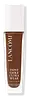
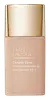
Lancôme Teint Idole Ultra Wear Care and Glow Serum Foundation Versus Estée Lauder Double Wear Sheer Long-Wear Foundation SPF 19


What's inside
What's inside
 Key Ingredients
Benefits
Concerns
Ingredients Side-by-side
Dimethicone
Emollient

Water
Skin ConditioningIsododecane
EmollientAlcohol Denat.
Antimicrobial




Trimethylsiloxysilicate
Emollient
Propylene Glycol
Humectant
Glycerin
Humectant
PEG/PPG-18/18 Dimethicone
Emulsifying
Silica
Abrasive


Synthetic Fluorphlogopite
Polysilicone-11
Rosa Gallica Flower Extract
AstringentMoringa Oleifera Seed Extract
Skin Conditioning
Polymnia Sonchifolia Root Juice
Skin ConditioningSorbitol
Humectant
Mandelic Acid
Antimicrobial





PEG-10 Dimethicone
Skin Conditioning
Alpha-Glucan Oligosaccharide
Cleansing
Sodium Chloride
MaskingSodium Hyaluronate
Humectant

Sodium Hydroxide
BufferingSilica Silylate
Emollient
Cellulose Acetate Butyrate
Aluminum Hydroxide
EmollientAmmonium Polyacryloyldimethyl Taurate
Emulsion StabilisingDisodium Phosphate
BufferingDisodium Stearoyl Glutamate
CleansingHydroxyethylpiperazine Ethane Sulfonic Acid
BufferingCaprylyl Glycol
Emollient
Citric Acid
Buffering
Lactobacillus
Skin ConditioningMaltodextrin
Absorbent
Polyphosphorylcholine Glycol Acrylate
Polyvinyl Alcohol
Butylene Glycol
Humectant
Tocopherol
Antioxidant

Phenoxyethanol
Preservative
Parfum
Masking

Linalool
Perfuming
Geraniol
Perfuming
Limonene
Perfuming
Citral
Perfuming
Citronellol
Perfuming
Benzyl Alcohol
Perfuming
Titanium Dioxide
Cosmetic Colorant

Iron Oxides
Dimethicone, Water, Isododecane, Alcohol Denat., Trimethylsiloxysilicate, Propylene Glycol, Glycerin, PEG/PPG-18/18 Dimethicone, Silica, Synthetic Fluorphlogopite, Polysilicone-11, Rosa Gallica Flower Extract, Moringa Oleifera Seed Extract, Polymnia Sonchifolia Root Juice, Sorbitol, Mandelic Acid, PEG-10 Dimethicone, Alpha-Glucan Oligosaccharide, Sodium Chloride, Sodium Hyaluronate, Sodium Hydroxide, Silica Silylate, Cellulose Acetate Butyrate, Aluminum Hydroxide, Ammonium Polyacryloyldimethyl Taurate, Disodium Phosphate, Disodium Stearoyl Glutamate, Hydroxyethylpiperazine Ethane Sulfonic Acid, Caprylyl Glycol, Citric Acid, Lactobacillus, Maltodextrin, Polyphosphorylcholine Glycol Acrylate, Polyvinyl Alcohol, Butylene Glycol, Tocopherol, Phenoxyethanol, Parfum, Linalool, Geraniol, Limonene, Citral, Citronellol, Benzyl Alcohol, Titanium Dioxide, Iron Oxides
Ethylhexyl Methoxycinnamate 2%
UV Absorber
Titanium Dioxide 2.3%
Cosmetic Colorant
Water
Skin ConditioningMethyl Trimethicone
Skin Conditioning
Phenyl Trimethicone
Skin Conditioning
Dimethicone
Emollient
Neopentyl Glycol Diheptanoate
EmollientPolymethylsilsesquioxane
Silica
Abrasive
Lauryl PEG-9 Polydimethylsiloxyethyl Dimethicone
Skin Conditioning
C12-15 Alkyl Benzoate
AntimicrobialButylene Glycol
Humectant
Butyloctyl Salicylate
Skin Conditioning
Trimethylsiloxysilicate
Emollient
Glycerin
Humectant
PEG-10 Dimethicone
Skin Conditioning
Polysilicone-11
Laminaria Saccharina Extract
Skin ProtectingLitchi Chinensis Seed Extract
Skin ConditioningCitrullus Lanatus Fruit Extract
Skin Conditioning
Pyrus Malus Fruit Extract
Skin Conditioning
Sodium Hyaluronate
Humectant
Lens Esculenta Fruit Extract
Skin ConditioningPolyglutamic Acid
Skin Conditioning
Methicone
Emollient
Tocopheryl Acetate
Antioxidant
Caprylyl Glycol
Emollient
Triethyl Citrate
Masking
Thermus Thermophillus Ferment
Skin ConditioningSodium Lactate
Buffering
Sodium PCA
Humectant
Tocopherol
Antioxidant
Lecithin
Emollient
Dimethicone/PEG-10/15 Crosspolymer
C24-28 Alkyl Methicone
Emollient
Dimethicone Silylate
Disteardimonium Hectorite
StabilisingZinc Stearate
Cosmetic ColorantSodium Chloride
MaskingHexylene Glycol
EmulsifyingLaureth-7
EmulsifyingMagnesium Aluminum Silicate
Absorbent
Dextrin
AbsorbentXanthan Gum
EmulsifyingDipropylene Glycol
HumectantBHT
Antioxidant
Disodium EDTA
Sodium Citrate
BufferingPotassium Sorbate
Preservative
Sodium Dehydroacetate
Preservative
Sodium Benzoate
Masking
Phenoxyethanol
Preservative
CI 77891
Cosmetic ColorantCI 77491
Cosmetic ColorantCI 77492
Cosmetic ColorantCI 77499
Cosmetic ColorantEthylhexyl Methoxycinnamate 2%, Titanium Dioxide 2.3%, Water, Methyl Trimethicone, Phenyl Trimethicone, Dimethicone, Neopentyl Glycol Diheptanoate, Polymethylsilsesquioxane, Silica, Lauryl PEG-9 Polydimethylsiloxyethyl Dimethicone, C12-15 Alkyl Benzoate, Butylene Glycol, Butyloctyl Salicylate, Trimethylsiloxysilicate, Glycerin, PEG-10 Dimethicone, Polysilicone-11, Laminaria Saccharina Extract, Litchi Chinensis Seed Extract, Citrullus Lanatus Fruit Extract, Pyrus Malus Fruit Extract, Sodium Hyaluronate, Lens Esculenta Fruit Extract, Polyglutamic Acid, Methicone, Tocopheryl Acetate, Caprylyl Glycol, Triethyl Citrate, Thermus Thermophillus Ferment, Sodium Lactate, Sodium PCA, Tocopherol, Lecithin, Dimethicone/PEG-10/15 Crosspolymer, C24-28 Alkyl Methicone, Dimethicone Silylate, Disteardimonium Hectorite, Zinc Stearate, Sodium Chloride, Hexylene Glycol, Laureth-7, Magnesium Aluminum Silicate, Dextrin, Xanthan Gum, Dipropylene Glycol, BHT, Disodium EDTA, Sodium Citrate, Potassium Sorbate, Sodium Dehydroacetate, Sodium Benzoate, Phenoxyethanol, CI 77891, CI 77491, CI 77492, CI 77499
Reviews
Ingredients Explained
These ingredients are found in both products.
Ingredients higher up in an ingredient list are typically present in a larger amount.
Butylene Glycol (or BG) is used within cosmetic products for a few different reasons:
Overall, Butylene Glycol is a safe and well-rounded ingredient that works well with other ingredients.
Though this ingredient works well with most skin types, some people with sensitive skin may experience a reaction such as allergic rashes, closed comedones, or itchiness.
Learn more about Butylene GlycolCaprylyl Glycol is a humectant, skin conditioner, emollient, and preservative booster derived from either caprylic acid or synthetically created.
Typical use levels vary from 0.3-1% as a preservative booster and go up to 2% to condition skin.
Because it is not a free-fatty acid or alcohol, this ingredient is fungal acne safe (there's nothing for Malassezia to feed on).
Learn more about Caprylyl GlycolDimethicone is a type of synthetic silicone created from natural materials such as quartz. It is also known as polydimethylsiloxane.
What it does:
Dimethicone comes in different viscosities:
Depending on the viscosity, dimethicone has different properties.
Ingredients lists don't always show which type is used, so we recommend reaching out to the brand if you have questions about the viscosity.
This ingredient is unlikely to cause irritation because it does not get absorbed into skin. However, people with silicone allergies should be careful about using this ingredient.
Note: Dimethicone may contribute to pilling. This is because it is not oil or water soluble, so pilling may occur when layered with products. When mixed with heavy oils in a formula, the outcome is also quite greasy.
Learn more about DimethiconeGlycerin (or glycerol) is a compound naturally found in your skin. It's a powerhouse humectant that pulls water into the stratum corneum.
Topically, glycerin does several things at once:
Your skin makes glycerin on its own (mostly from sebaceous oil breakdown) and shuttles it to your outermost layer of skin, or your epidermis, via aquaporin-3.
Aquaporin-3 is a transporter that is essential for normal skin hydration, elasticity, and repair. Interestingly, mice lacking in AQP3 have dry and less elastic skin that can be fully corrected with glycerin.
This ingredient is non-irritating, plays well with almost every ingredient, and works across all skin types. Typical use is anywhere between 3-10% but can go up to 79% in some leave-on products.
Just know very high concentrations (>40%) can feel tacky in low humidity.
Glycerin is the name for this ingredient in American English. British English uses Glycerol/Glycerine.
Learn more about GlycerinPeg-10 Dimethicone is silicone with conditioner and emulsifier properties. It mostly acts as an emollient in skincare and and humectant in haircare.
According to the manufacturer, acidic formulations decrease the stability of this ingredient. It works best in neutral or near neutral formulations.
Phenoxyethanol is a preservative that has germicide, antimicrobial, and aromatic properties. Studies show that phenoxyethanol can prevent microbial growth. By itself, it has a scent that is similar to that of a rose.
It's often used in formulations along with Caprylyl Glycol to preserve the shelf life of products.
Polysilicone-11 is a film-forming silicone that creates a non-tacky and matte finish on the skin. It's commonly used to improve texture, absorb excess oil, and help active ingredients spread evenly.
Due to its "rubber-like" structure, it stays on the skin's surface instead of being absorbed. On the skin, it creates a flexible layer that enhances wearability and stability.
Silica, also known as silicon dioxide, is a naturally occurring mineral. It is used as a fine, spherical, and porous powder in cosmetics.
Though it has exfoliant properties, the function of silica varies depending on the product.
The unique structure of silica enhances the spreadability and adds smoothness, making it a great texture enhancer.
It is also used as an active carrier, emulsifier, and mattifier due to its ability to absorb excess oil.
In some products, tiny microneedles called spicules are made from silica or hydrolyzed sponge. When you rub them in, they lightly polish away dead skin layers and enhance the penetration of active ingredients.
Learn more about SilicaChances are, you eat sodium chloride every day. Sodium Chloride is also known as table salt. This ingredient has many purposes in skincare: thickener, emulsifier, and exfoliator.
You'll most likely find this ingredient in cleansers where it is used to create a gel-like texture. As an emulsifier, it also prevents ingredients from separating.
You might see people debate whether Sodium Chloride is comedogenic, but there actually haven't been any comedogenic tests done on it. Either way, the overall formulation of a product matters a lot more than any single ingredient.
You might see this ingredient used in scrubs as a primary exfoliating ingredient.
Learn more about Sodium ChlorideSodium Hyaluronate is the salt form of hyaluronic acid. It is a long sugar chain that is naturally found in your skin, joints, and connective tissue that maintains hydration and elasticity.
In skincare, it works as a humectant. It pulls water from the environment and deeper layers of skin and binds it to the surface.
Interestingly, the size of the molecule affects its behavior:
Some clinical evidence links low molecular weight versions to improved wrinkle depth, elasticity, anti-inflammatory effects, and barrier repair.
Many serums use a blend of both weights so you can get surface hydration plus longer-lasting and deeper effects.
You'll typically see concentrations between 0.1-2% for this ingredient.
Learn more about Sodium HyaluronateTitanium dioxide is a mineral UV filter widely used in sunscreens and cosmetics.
It is one of only two UV filters officially classified as “mineral” by regulatory agencies, the other being zinc oxide.
Titanium dioxide provides broad-spectrum protection mostly in the UVB and UVAII range, with some protection in the UVAI range.
While its UVA protection isn’t as strong as zinc oxide’s, the difference is minor.
A common myth is that mineral UV filters reflect UV light. However, modern research shows titanium dioxide absorbs UV radiation like chemical filters (~95% absorption & 5% reflection).
Thanks to its non-irritating nature, titanium dioxide is suitable for sensitive, acne-prone, or redness-prone skin. It is unlikely to cause "eye sting" like other sunscreen ingredients.
A major drawback of this ingredient is its white cast and thick texture. This is why mineral sunscreens often leave a white cast and are less cosmetically elegant than chemical/hybrid sunscreens.
To improve white cast and spreadability, micronized or nano-sized titanium dioxide is often used.
There are ongoing concerns surrounding nano-titanium oxide's impact on marine ecosystems.
There is no conclusive evidence that any form of titanium oxide (or any other sunscreen ingredients) will cause harm to marine ecosystems or coral reefs. The science is still developing but many consumers are keeping a close eye on this issue.
Please note, many destinations have reef-safety sunscreen rules. For instance, the U.S. Virgin Islands advises all visitors to use non-nano mineral sunscreens.
Nano mineral sunscreens once raised safety concerns about absorption into skin.
Extensive research has shown that they do not penetrate healthy or damaged skin; they remain safely on the surface and the top layer of dead skin (stratum corneum).
You'll likely find titanium dioxide bundled with alumina, silica, or dimethicone. These ingredients help make titanium dioxide highly photostable; this prevents it from interacting with other formula components under UV light.
Learn more about Titanium DioxideTocopherol is a fat-soluble antioxidant known as Vitamin E.
You'll find this ingredient in the vast majority of skincare (for good reason). It works to neutralize free radicals, or unstable molecules generated by UV exposure, pollution, and other environmental stressors, before they can cause oxidative damage to your skin cells.
Topically applied tocopherol has been shown to protect against UV damage by ramping up the skin's own natural defense enzymes.
It also acts as a skin conditioning agent; some studies show that regular topical use can improve the skin's water-binding capacity over 2-4 weeks.
This ingredient is especially loved for being a team player. When combined with Vitamin C, the photoprotective effect of both ingredients roughly doubles and the combo also helps reduce UV-induced DNA damage.
This ingredient has some brightening potential but it's more of a prevention ingredient than spot-fader. Cell studies show it can slow down melanin production but it's worth noting that it's not the most powerful brightener out there.
In formulations, it also serves as a stabilizer that helps protect other oxidation-prone ingredients from degrading.
Concentrations usually range from 0.1-1% in most leave-on products.
Learn more about TocopherolThis silicone is an emollient. Emollients create a thin film on the skin to prevent moisture from escaping.
It is not soluble in water and helps increase water-resistance in products.
According to a manufacturer, it can blend seamlessly with silicone oils, such as Cyclopentasiloxane.
Learn more about TrimethylsiloxysilicateWater. It's the most common cosmetic ingredient of all. You'll usually see it at the top of ingredient lists, meaning that it makes up the largest part of the product.
So why is it so popular? Water most often acts as a solvent - this means that it helps dissolve other ingredients into the formulation.
You'll also recognize water as that liquid we all need to stay alive. If you see this, drink a glass of water. Remember to stay hydrated!
Learn more about Water
