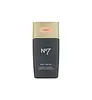
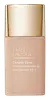
No7 Pro Artist Weightless Silk Sheer Foundation Versus Estée Lauder Double Wear Sheer Long-Wear Foundation SPF 19


What's inside
What's inside
 Key Ingredients
Benefits
Concerns
Ingredients Side-by-side
Water
Skin ConditioningCaprylyl Methicone
Skin Conditioning
Phenyl Trimethicone
Skin Conditioning
PEG-9 Dimethicone
Skin Conditioning
Boron Nitride
Absorbent
Trimethylsiloxysilicate
Emollient
Silica
Abrasive

Butylene Glycol
Humectant

Mica
Cosmetic ColorantBis-Isobutyl PEG/PPG-10/7/Dimethicone Copolymer
Emulsifying
Propanediol
Solvent
Phenoxyethanol
Preservative
Magnesium Sulfate
Disteardimonium Hectorite
StabilisingSodium Ascorbyl Phosphate
Antioxidant






Tocopheryl Acetate
Antioxidant
Panthenol
Skin Conditioning
Triethyl Citrate
Masking

Xanthan Gum
EmulsifyingTriethoxycaprylylsilane
Sodium Hyaluronate
Humectant
Sorbitan Sesquioleate
Emulsifying

Caprylhydroxamic Acid
ChelatingTetrasodium EDTA
ChelatingCyclohexasiloxane
Emollient
CI 77891
Cosmetic ColorantCI 77492
Cosmetic ColorantCI 77491
Cosmetic ColorantCI 77499
Cosmetic ColorantWater, Caprylyl Methicone, Phenyl Trimethicone, PEG-9 Dimethicone, Boron Nitride, Trimethylsiloxysilicate, Silica, Butylene Glycol, Mica, Bis-Isobutyl PEG/PPG-10/7/Dimethicone Copolymer, Propanediol, Phenoxyethanol, Magnesium Sulfate, Disteardimonium Hectorite, Sodium Ascorbyl Phosphate, Tocopheryl Acetate, Panthenol, Triethyl Citrate, Xanthan Gum, Triethoxycaprylylsilane, Sodium Hyaluronate, Sorbitan Sesquioleate, Caprylhydroxamic Acid, Tetrasodium EDTA, Cyclohexasiloxane, CI 77891, CI 77492, CI 77491, CI 77499
Ethylhexyl Methoxycinnamate 2%
UV Absorber


Titanium Dioxide 2.3%
Cosmetic Colorant
Water
Skin ConditioningMethyl Trimethicone
Skin Conditioning
Phenyl Trimethicone
Skin Conditioning
Dimethicone
Emollient
Neopentyl Glycol Diheptanoate
EmollientPolymethylsilsesquioxane
Silica
Abrasive
Lauryl PEG-9 Polydimethylsiloxyethyl Dimethicone
Skin Conditioning
C12-15 Alkyl Benzoate
AntimicrobialButylene Glycol
Humectant
Butyloctyl Salicylate
Skin Conditioning
Trimethylsiloxysilicate
Emollient
Glycerin
Humectant
PEG-10 Dimethicone
Skin Conditioning
Polysilicone-11
Laminaria Saccharina Extract
Skin Protecting

Litchi Chinensis Seed Extract
Skin ConditioningCitrullus Lanatus Fruit Extract
Skin Conditioning
Pyrus Malus Fruit Extract
Skin Conditioning
Sodium Hyaluronate
Humectant
Lens Esculenta Fruit Extract
Skin ConditioningPolyglutamic Acid
Skin Conditioning
Methicone
Emollient
Tocopheryl Acetate
Antioxidant
Caprylyl Glycol
Emollient
Triethyl Citrate
Masking
Thermus Thermophillus Ferment
Skin ConditioningSodium Lactate
Buffering
Sodium PCA
Humectant
Tocopherol
Antioxidant
Lecithin
Emollient
Dimethicone/PEG-10/15 Crosspolymer
C24-28 Alkyl Methicone
Emollient
Dimethicone Silylate
Disteardimonium Hectorite
StabilisingZinc Stearate
Cosmetic ColorantSodium Chloride
MaskingHexylene Glycol
EmulsifyingLaureth-7
EmulsifyingMagnesium Aluminum Silicate
Absorbent
Dextrin
AbsorbentXanthan Gum
EmulsifyingDipropylene Glycol
HumectantBHT
Antioxidant
Disodium EDTA
ChelatingSodium Citrate
BufferingPotassium Sorbate
Preservative
Sodium Dehydroacetate
Preservative
Sodium Benzoate
Masking
Phenoxyethanol
Preservative
CI 77891
Cosmetic ColorantCI 77491
Cosmetic ColorantCI 77492
Cosmetic ColorantCI 77499
Cosmetic ColorantEthylhexyl Methoxycinnamate 2%, Titanium Dioxide 2.3%, Water, Methyl Trimethicone, Phenyl Trimethicone, Dimethicone, Neopentyl Glycol Diheptanoate, Polymethylsilsesquioxane, Silica, Lauryl PEG-9 Polydimethylsiloxyethyl Dimethicone, C12-15 Alkyl Benzoate, Butylene Glycol, Butyloctyl Salicylate, Trimethylsiloxysilicate, Glycerin, PEG-10 Dimethicone, Polysilicone-11, Laminaria Saccharina Extract, Litchi Chinensis Seed Extract, Citrullus Lanatus Fruit Extract, Pyrus Malus Fruit Extract, Sodium Hyaluronate, Lens Esculenta Fruit Extract, Polyglutamic Acid, Methicone, Tocopheryl Acetate, Caprylyl Glycol, Triethyl Citrate, Thermus Thermophillus Ferment, Sodium Lactate, Sodium PCA, Tocopherol, Lecithin, Dimethicone/PEG-10/15 Crosspolymer, C24-28 Alkyl Methicone, Dimethicone Silylate, Disteardimonium Hectorite, Zinc Stearate, Sodium Chloride, Hexylene Glycol, Laureth-7, Magnesium Aluminum Silicate, Dextrin, Xanthan Gum, Dipropylene Glycol, BHT, Disodium EDTA, Sodium Citrate, Potassium Sorbate, Sodium Dehydroacetate, Sodium Benzoate, Phenoxyethanol, CI 77891, CI 77491, CI 77492, CI 77499
Ingredients Explained
These ingredients are found in both products.
Ingredients higher up in an ingredient list are typically present in a larger amount.
Butylene Glycol (or BG) is used within cosmetic products for a few different reasons:
Overall, Butylene Glycol is a safe and well-rounded ingredient that works well with other ingredients.
Though this ingredient works well with most skin types, some people with sensitive skin may experience a reaction such as allergic rashes, closed comedones, or itchiness.
Learn more about Butylene GlycolCi 77491 is also hydrated iron III oxide. It's sole purpose is to give a red/pink hue to products.
Iron III oxides are classified as inorganic chemicals for coloring.
Synthetically created Ci 77491 is considered safer than those naturally found. This is because the synthetically created version may contain less impurities. Iron oxides are generally non-toxic and non-allergenic.
Learn more about CI 77491CI 77492 is also hydrated iron III oxide. It's sole purpose is to give a yellow hue to products.
Iron III oxides are classified as inorganic chemicals for coloring.
Synthetically created CI 77492 is considered safer than those naturally found. This is because the synthetically created version may contain less impurities. Iron oxides are generally non-toxic and non-allergenic.
Learn more about CI 77492Ci 77499 is also hydrated iron III oxide. It is created from mixing red and black iron oxides. This helps give shades of darkness to a product.
Iron III oxides are classified as inorganic chemicals for coloring.
Ci 77891 is a white pigment from Titanium dioxide. It is naturally found in minerals such as rutile and ilmenite.
It's main function is to add a white color to cosmetics. It can also be mixed with other colors to create different shades.
Ci 77891 is commonly found in sunscreens due to its ability to block UV rays.
Learn more about CI 77891Disteardimonium Hectorite comes from the clay mineral named hectorite. It is used to add thickness to a product.
It can also help stabilize a product by helping to disperse other ingredients.
Hectorite is a rare, white clay mineral.
Learn more about Disteardimonium HectoritePhenoxyethanol is one of the most widely used preservatives in skincare (and for good reason!).
It has a large spectrum of antimicrobial activity and especially effective bacteria, yeast, and mold while only having a weak effect on your skin's natural microbiome.
On a cellular level, it disrupts the cell membranes of microbes by poking holes that make the cell leak. This shuts down the chemical reactions the microbe needs to make energy so it can no longer survive.
Another perk of this ingredient is that it stays functional across a wide pH range (3-10).
You'll often see it paired with boosters like Ethylhexylglycerin; one study showed that a 1:9 ratio of Ethylhexylglycerin to Phenoxyethanol damages bacterial membranes as effectively as doubling the Phenoxyethanol concentration on its own.
Typical use concentrations range from 0.3-1% depending on the formula, and this ingredient is capped at 1% int the EU.
Safety-wise, the fear mongering does not hold up to the evidence. The EU's Scientific Committee on Consumer Safety and FDA consider it safe as a preservative at up to 1%, including for children of all ages.
Adverse systemic effects only showed up in animal studies at exposures roughly 200x higher than what people get from cosmetics. And despite its very widespread use, this ingredient is a rare sensitizer and allergic reactions are uncommon.
Learn more about PhenoxyethanolPhenyl Trimethicone is a silicon-based polymer. It is derived from silica.
Phenyl Trimethicone is used as an emollient and prevents products from foaming.
As an emollient, it helps trap moisture in the skin. It is considered an occlusive.
Learn more about Phenyl TrimethiconeSilica, also known as silicon dioxide, is a naturally occurring mineral. It is used as a fine, spherical, and porous powder in cosmetics.
Though it has exfoliant properties, the function of silica varies depending on the product.
The unique structure of silica enhances the spreadability and adds smoothness, making it a great texture enhancer.
It is also used as an active carrier, emulsifier, and mattifier due to its ability to absorb excess oil.
In some products, tiny microneedles called spicules are made from silica or hydrolyzed sponge. When you rub them in, they lightly polish away dead skin layers and enhance the penetration of active ingredients.
Learn more about SilicaSodium Hyaluronate is the salt form of hyaluronic acid. It is a long sugar chain that is naturally found in your skin, joints, and connective tissue that maintains hydration and elasticity.
In skincare, it works as a humectant. It pulls water from the environment and deeper layers of skin and binds it to the surface.
Interestingly, the size of the molecule affects its behavior:
Some clinical evidence links low molecular weight versions to improved wrinkle depth, elasticity, anti-inflammatory effects, and barrier repair.
Many serums use a blend of both weights so you can get surface hydration plus longer-lasting and deeper effects.
You'll typically see concentrations between 0.1-2% for this ingredient.
Learn more about Sodium HyaluronateTocopheryl Acetate is a stable, shelf-friendly form of vitamin E.
Formulators love it because plain vitamin E oxidizes quickly once it hits air. This acetate version stays stable and resists going off, helping to extend a product's shelf life.
It's actually inactive on its own and works like a slow-release "storage" form; the enzymes in your skin called esterases gradually convert it into active vitamin E over time.
One in vivo study showed 5% of the acetate in the living layer of the epidermis converted to vitamin E after 5 days of application. This study also found the skin gained protection against UV damage even though the conversion was slow and small.
Once converted, vitamin E acts as a skin's main fat-soluble antioxidant that fights free radicals to protect skin from damage.
Topical vitamin E generally boosts the skin's photoprotection, and it reduced UV-damage in animal models.
This ingredient has some brightening potential but it's more of a prevention ingredient than spot-fader. Cell studies show it can slow down melanin production but it's worth noting that it's not the most powerful brightener out there.
Overall, it has a pretty solid safety profile and has been found to be non-irritating and non-comedogenic. Allergic reactions may happen but stay rare due to how widely the ingredient gets used.
The concentration will vary depending on the formula; industry data shows 0.1% in baby lotions, 3% in lipsticks, and 5% in foot powders. You can also find this ingredient at 100% in a pure vitamin E oil.
Most leave-on skincare keeps it at the lower end, often between 0.5-1%.
Learn more about Tocopheryl AcetateTriethyl Citrate comes from citric acid. It has masking, perfuming, and solvent properties. As a solvent, this ingredient helps disperse ingredients evenly in skincare.
One manufacturer claims this ingredient can:
According to perfume manufacturers, this ingredient is almost odorless but has a mild fruity, wine and plum scent. It can be used to mask the scent of other ingredients.
This ingredient can be plant-sourced or synthetic; it can naturally be found in cabbage and white wine.
Learn more about Triethyl CitrateThis silicone is an emollient. Emollients create a thin film on the skin to prevent moisture from escaping.
It is not soluble in water and helps increase water-resistance in products.
According to a manufacturer, it can blend seamlessly with silicone oils, such as Cyclopentasiloxane.
Learn more about TrimethylsiloxysilicateWater. It's the most common cosmetic ingredient of all. You'll usually see it at the top of ingredient lists, meaning that it makes up the largest part of the product.
So why is it so popular? Water most often acts as a solvent - this means that it helps dissolve other ingredients into the formulation.
You'll also recognize water as that liquid we all need to stay alive. If you see this, drink a glass of water. Remember to stay hydrated!
Learn more about WaterXanthan gum is used as a stabilizer and thickener within cosmetic products. It helps give products a sticky, thick feeling - preventing them from being too runny.
On the technical side of things, xanthan gum is a polysaccharide - a combination consisting of multiple sugar molecules bonded together.
Xanthan gum is a pretty common and great ingredient. It is a natural, non-toxic, non-irritating ingredient that is also commonly used in food products.
Learn more about Xanthan Gum

