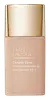
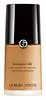
Estée Lauder Double Wear Sheer Long-Wear Foundation SPF 19 Versus Armani Beauty Luminous Silk Perfect Glow Flawless Foundation


What's inside
What's inside
 Key Ingredients
Benefits
Concerns
Ingredients Side-by-side
Ethylhexyl Methoxycinnamate 2%
UV Absorber


Titanium Dioxide 2.3%
Cosmetic Colorant
Water
Skin ConditioningMethyl Trimethicone
Skin Conditioning
Phenyl Trimethicone
Skin Conditioning
Dimethicone
Emollient
Neopentyl Glycol Diheptanoate
EmollientPolymethylsilsesquioxane
Silica
Abrasive


Lauryl PEG-9 Polydimethylsiloxyethyl Dimethicone
Skin Conditioning
C12-15 Alkyl Benzoate
AntimicrobialButylene Glycol
Humectant

Butyloctyl Salicylate
Skin Conditioning
Trimethylsiloxysilicate
Emollient
Glycerin
Humectant
PEG-10 Dimethicone
Skin Conditioning
Polysilicone-11
Laminaria Saccharina Extract
Skin Protecting

Litchi Chinensis Seed Extract
Skin ConditioningCitrullus Lanatus Fruit Extract
Skin Conditioning
Pyrus Malus Fruit Extract
Skin Conditioning
Sodium Hyaluronate
Humectant


Lens Esculenta Fruit Extract
Skin ConditioningPolyglutamic Acid
Skin Conditioning
Methicone
Emollient
Tocopheryl Acetate
Antioxidant


Caprylyl Glycol
Emollient
Triethyl Citrate
Masking

Thermus Thermophillus Ferment
Skin ConditioningSodium Lactate
Buffering
Sodium PCA
Humectant
Tocopherol
Antioxidant
Lecithin
Emollient
Dimethicone/PEG-10/15 Crosspolymer
C24-28 Alkyl Methicone
Emollient
Dimethicone Silylate
Disteardimonium Hectorite
StabilisingZinc Stearate
Cosmetic ColorantSodium Chloride
MaskingHexylene Glycol
EmulsifyingLaureth-7
EmulsifyingMagnesium Aluminum Silicate
Absorbent
Dextrin
AbsorbentXanthan Gum
EmulsifyingDipropylene Glycol
HumectantBHT
Antioxidant
Disodium EDTA
ChelatingSodium Citrate
BufferingPotassium Sorbate
Preservative
Sodium Dehydroacetate
Preservative
Sodium Benzoate
Masking
Phenoxyethanol
Preservative
CI 77891
Cosmetic ColorantCI 77491
Cosmetic ColorantCI 77492
Cosmetic ColorantCI 77499
Cosmetic ColorantEthylhexyl Methoxycinnamate 2%, Titanium Dioxide 2.3%, Water, Methyl Trimethicone, Phenyl Trimethicone, Dimethicone, Neopentyl Glycol Diheptanoate, Polymethylsilsesquioxane, Silica, Lauryl PEG-9 Polydimethylsiloxyethyl Dimethicone, C12-15 Alkyl Benzoate, Butylene Glycol, Butyloctyl Salicylate, Trimethylsiloxysilicate, Glycerin, PEG-10 Dimethicone, Polysilicone-11, Laminaria Saccharina Extract, Litchi Chinensis Seed Extract, Citrullus Lanatus Fruit Extract, Pyrus Malus Fruit Extract, Sodium Hyaluronate, Lens Esculenta Fruit Extract, Polyglutamic Acid, Methicone, Tocopheryl Acetate, Caprylyl Glycol, Triethyl Citrate, Thermus Thermophillus Ferment, Sodium Lactate, Sodium PCA, Tocopherol, Lecithin, Dimethicone/PEG-10/15 Crosspolymer, C24-28 Alkyl Methicone, Dimethicone Silylate, Disteardimonium Hectorite, Zinc Stearate, Sodium Chloride, Hexylene Glycol, Laureth-7, Magnesium Aluminum Silicate, Dextrin, Xanthan Gum, Dipropylene Glycol, BHT, Disodium EDTA, Sodium Citrate, Potassium Sorbate, Sodium Dehydroacetate, Sodium Benzoate, Phenoxyethanol, CI 77891, CI 77491, CI 77492, CI 77499
Water
Skin ConditioningCyclopentasiloxane
Emollient
Glycerin
Humectant
Isododecane
EmollientAlcohol Denat.
Antimicrobial


Polyglyceryl-4 Isostearate
Emulsifying
Cetyl PEG/PPG-10/1 Dimethicone
Emulsifying
Hexyl Laurate
Emollient
Aluminum Starch Octenylsuccinate
Absorbent
Disteardimonium Hectorite
StabilisingPhenoxyethanol
Preservative
Acetylated Glycol Stearate
Emollient
Magnesium Sulfate
PEG-10 Dimethicone
Skin Conditioning
Trihydroxystearin
Skin Conditioning
Cellulose Gum
Emulsion StabilisingNylon-12
Limonene
Perfuming
Benzyl Salicylate
Perfuming
Benzyl Alcohol
Perfuming
Linalool
Perfuming
Pentaerythrityl Tetra-Di-T-Butyl Hydroxyhydrocinnamate
Antioxidant
Isobutane
Diphenyl Dimethicone
Emollient
Acrylonitrile/Methyl Methacrylate/Vinylidene Chloride Copolymer
Parfum
Masking
Disodium Stearoyl Glutamate
CleansingMethylparaben
Preservative
Butylphenyl Methylpropional
Perfuming
Aluminum Hydroxide
EmollientHexyl Cinnamal
Perfuming
Water, Cyclopentasiloxane, Glycerin, Isododecane, Alcohol Denat., Polyglyceryl-4 Isostearate, Cetyl PEG/PPG-10/1 Dimethicone, Hexyl Laurate, Aluminum Starch Octenylsuccinate, Disteardimonium Hectorite, Phenoxyethanol, Acetylated Glycol Stearate, Magnesium Sulfate, PEG-10 Dimethicone, Trihydroxystearin, Cellulose Gum, Nylon-12, Limonene, Benzyl Salicylate, Benzyl Alcohol, Linalool, Pentaerythrityl Tetra-Di-T-Butyl Hydroxyhydrocinnamate, Isobutane, Diphenyl Dimethicone, Acrylonitrile/Methyl Methacrylate/Vinylidene Chloride Copolymer, Parfum, Disodium Stearoyl Glutamate, Methylparaben, Butylphenyl Methylpropional, Aluminum Hydroxide, Hexyl Cinnamal
Reviews
Ingredients Explained
These ingredients are found in both products.
Ingredients higher up in an ingredient list are typically present in a larger amount.
Disteardimonium Hectorite comes from the clay mineral named hectorite. It is used to add thickness to a product.
It can also help stabilize a product by helping to disperse other ingredients.
Hectorite is a rare, white clay mineral.
Learn more about Disteardimonium HectoriteGlycerin (or glycerol) is a compound naturally found in your skin. It's a powerhouse humectant that pulls water into the stratum corneum.
Topically, glycerin does several things at once:
Your skin makes glycerin on its own (mostly from sebaceous oil breakdown) and shuttles it to your outermost layer of skin, or your epidermis, via aquaporin-3.
Aquaporin-3 is a transporter that is essential for normal skin hydration, elasticity, and repair. Interestingly, mice lacking in AQP3 have dry and less elastic skin that can be fully corrected with glycerin.
This ingredient is non-irritating, plays well with almost every ingredient, and works across all skin types. Typical use is anywhere between 3-10% but can go up to 79% in some leave-on products.
Just know very high concentrations (>40%) can feel tacky in low humidity.
Glycerin is the name for this ingredient in American English. British English uses Glycerol/Glycerine.
Learn more about GlycerinPeg-10 Dimethicone is silicone with conditioner and emulsifier properties. It mostly acts as an emollient in skincare and and humectant in haircare.
According to the manufacturer, acidic formulations decrease the stability of this ingredient. It works best in neutral or near neutral formulations.
Phenoxyethanol is one of the most widely used preservatives in skincare (and for good reason!).
It has a large spectrum of antimicrobial activity and especially effective bacteria, yeast, and mold while only having a weak effect on your skin's natural microbiome.
On a cellular level, it disrupts the cell membranes of microbes by poking holes that make the cell leak. This shuts down the chemical reactions the microbe needs to make energy so it can no longer survive.
Another perk of this ingredient is that it stays functional across a wide pH range (3-10).
You'll often see it paired with boosters like Ethylhexylglycerin; one study showed that a 1:9 ratio of Ethylhexylglycerin to Phenoxyethanol damages bacterial membranes as effectively as doubling the Phenoxyethanol concentration on its own.
Typical use concentrations range from 0.3-1% depending on the formula, and this ingredient is capped at 1% int the EU.
Safety-wise, the fear mongering does not hold up to the evidence. The EU's Scientific Committee on Consumer Safety and FDA consider it safe as a preservative at up to 1%, including for children of all ages.
Adverse systemic effects only showed up in animal studies at exposures roughly 200x higher than what people get from cosmetics. And despite its very widespread use, this ingredient is a rare sensitizer and allergic reactions are uncommon.
Learn more about PhenoxyethanolWater. It's the most common cosmetic ingredient of all. You'll usually see it at the top of ingredient lists, meaning that it makes up the largest part of the product.
So why is it so popular? Water most often acts as a solvent - this means that it helps dissolve other ingredients into the formulation.
You'll also recognize water as that liquid we all need to stay alive. If you see this, drink a glass of water. Remember to stay hydrated!
Learn more about Water

