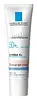
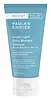
La Roche-Posay Uvidea Anthelios Tone-Up Rosy SPF50+ Versus Paula's Choice Resist Super-Light Wrinkle Defense SPF 30
This hybrid sunscreen covers the full UV range and blocks ~98% of UVB at SPF 50.
This mineral sunscreen covers the full UV range and blocks ~97% of UVB at SPF 30.


What's inside
What's inside
 Key Ingredients
Benefits
Concerns
Ingredients Side-by-side
Water
Skin ConditioningEthylhexyl Methoxycinnamate
UV Absorber


Squalene
Emollient


Titanium Dioxide
Cosmetic Colorant
Glycerin
Humectant

Drometrizole Trisiloxane
UV Absorber
Terephthalylidene Dicamphor Sulfonic Acid
UV Absorber
Propylene Glycol
Humectant
Alcohol Denat.
Antimicrobial

Triethanolamine
BufferingDipropylene Glycol
HumectantMica
Cosmetic ColorantStearic Acid
Cleansing
Potassium Cetyl Phosphate
EmulsifyingTocopherol
Antioxidant





Nylon-12

Acrylamide/Sodium Acryloyldimethyltaurate Copolymer
Emulsion StabilisingAluminum Hydroxide
EmollientCI 77120
Cosmetic ColorantBHT
Antioxidant
Bis-Ethylhexyloxyphenol Methoxyphenyl Triazine
UV Absorber
Butylene Glycol
Humectant
Butyrospermum Parkii Seedcake Extract
Skin Protecting
Caprylyl Glycol
Emollient
Carbomer
Emulsion StabilisingCetyl Alcohol
Emollient
CI 77491
Cosmetic ColorantCI 77492
Cosmetic ColorantIron Oxides
CI 77891
Cosmetic ColorantDiethylamino Hydroxybenzoyl Hexyl Benzoate
UV Filter
Ethylhexyl Triazone
UV Absorber
Glyceryl Stearate
Emollient
Isohexadecane
EmollientMyristic Acid
Cleansing
Paeonia Suffruticosa Root Extract
Skin ProtectingPalmitic Acid
Emollient
PEG-100 Stearate
Surfactant
Phenoxyethanol
Preservative
Polysorbate 80
Emulsifying
Potassium Sorbate
Preservative
Sodium Chloride
MaskingSodium Cocoyl Sarcosinate
Cleansing
Sorbitan Oleate
Emulsifying
Thermus Thermophillus Ferment
Skin ConditioningTrisodium Ethylenediamine Disuccinate
Tromethamine
BufferingXanthan Gum
EmulsifyingWater, Ethylhexyl Methoxycinnamate, Squalene, Titanium Dioxide, Glycerin, Drometrizole Trisiloxane, Terephthalylidene Dicamphor Sulfonic Acid, Propylene Glycol, Alcohol Denat., Triethanolamine, Dipropylene Glycol, Mica, Stearic Acid, Potassium Cetyl Phosphate, Tocopherol, Nylon-12, Acrylamide/Sodium Acryloyldimethyltaurate Copolymer, Aluminum Hydroxide, CI 77120, BHT, Bis-Ethylhexyloxyphenol Methoxyphenyl Triazine, Butylene Glycol, Butyrospermum Parkii Seedcake Extract, Caprylyl Glycol, Carbomer, Cetyl Alcohol, CI 77491, CI 77492, Iron Oxides, CI 77891, Diethylamino Hydroxybenzoyl Hexyl Benzoate, Ethylhexyl Triazone, Glyceryl Stearate, Isohexadecane, Myristic Acid, Paeonia Suffruticosa Root Extract, Palmitic Acid, PEG-100 Stearate, Phenoxyethanol, Polysorbate 80, Potassium Sorbate, Sodium Chloride, Sodium Cocoyl Sarcosinate, Sorbitan Oleate, Thermus Thermophillus Ferment, Trisodium Ethylenediamine Disuccinate, Tromethamine, Xanthan Gum
Water
Skin ConditioningCyclopentasiloxane
Emollient
Zinc Oxide
Cosmetic Colorant
PEG-12 Dimethicone
Skin Conditioning
PEG/PPG-18/18 Dimethicone
Emulsifying
Lauroyl Lysine
Skin Conditioning
Sodium Chloride
MaskingTrihydroxystearin
Skin Conditioning
Dimethicone Crosspolymer
Emulsion Stabilising
Resveratrol
Antioxidant
Quercetin
Antioxidant
Epigallocatechin Gallate
Antioxidant
Tocopheryl Acetate
Antioxidant
Tetrahexyldecyl Ascorbate
Antioxidant


Adenosine
Skin Conditioning
Bisabolol
Antioxidant
Salix Nigra Bark Extract
Skin ProtectingPunica Granatum Extract
AstringentHaematococcus Pluvialis Extract
Antioxidant
Hydrolyzed Corn Starch
HumectantPolysorbate 80
Emulsifying
Hydrated Silica
Abrasive
Triethoxycaprylylsilane
C12-15 Alkyl Benzoate
AntimicrobialIsopropyl Titanium Triisostearate
Emollient
Caprylyl Glycol
Emollient
Hexylene Glycol
EmulsifyingEthylhexylglycerin
Skin ConditioningIron Oxides
Phenoxyethanol
Preservative
Water, Cyclopentasiloxane, Zinc Oxide, PEG-12 Dimethicone, PEG/PPG-18/18 Dimethicone, Lauroyl Lysine, Sodium Chloride, Trihydroxystearin, Dimethicone Crosspolymer, Resveratrol, Quercetin, Epigallocatechin Gallate, Tocopheryl Acetate, Tetrahexyldecyl Ascorbate, Adenosine, Bisabolol, Salix Nigra Bark Extract, Punica Granatum Extract, Haematococcus Pluvialis Extract, Hydrolyzed Corn Starch, Polysorbate 80, Hydrated Silica, Triethoxycaprylylsilane, C12-15 Alkyl Benzoate, Isopropyl Titanium Triisostearate, Caprylyl Glycol, Hexylene Glycol, Ethylhexylglycerin, Iron Oxides, Phenoxyethanol
Reviews
Ingredients Explained
These ingredients are found in both products.
Ingredients higher up in an ingredient list are typically present in a larger amount.
Caprylyl Glycol is a humectant, skin conditioner, emollient, and preservative booster derived from either caprylic acid or synthetically created.
Typical use levels vary from 0.3-1% as a preservative booster and go up to 2% to condition skin.
Because it is not a free-fatty acid, this ingredient is fungal acne safe (there's nothing for Malassezia to feed on).
Learn more about Caprylyl GlycolPhenoxyethanol is one of the most widely used preservatives in skincare (and for good reason!).
It has a large spectrum of antimicrobial activity and especially effective bacteria, yeast, and mold while only having a weak effect on your skin's natural microbiome.
On a cellular level, it disrupts the cell membranes of microbes by poking holes that make the cell leak. This shuts down the chemical reactions the microbe needs to make energy so it can no longer survive.
Another perk of this ingredient is that it stays functional across a wide pH range (3-10).
You'll often see it paired with boosters like Ethylhexylglycerin; one study showed that a 1:9 ratio of Ethylhexylglycerin to Phenoxyethanol damages bacterial membranes as effectively as doubling the Phenoxyethanol concentration on its own.
Typical use concentrations range from 0.3-1% depending on the formula, and this ingredient is capped at 1% int the EU.
Safety-wise, the fear mongering does not hold up to the evidence. The EU's Scientific Committee on Consumer Safety and FDA consider it safe as a preservative at up to 1%, including for children of all ages.
Adverse systemic effects only showed up in animal studies at exposures roughly 200x higher than what people get from cosmetics. And despite its very widespread use, this ingredient is a rare sensitizer and allergic reactions are uncommon.
Learn more about PhenoxyethanolPolysorbate 80 is a synthetic surfactant and emulsifier derived from sorbitol and oleic acid.
It reduces the surface tension between oil and water phases to help them stay mixed and stable in a formulation. In other words, it prevents your formulas from separating into an oily mess.
The CIR Expert Panel has evaluated the scientific data and found this ingredient to be safe, non-irritating, and non-sensitizing at concentrations up to 5% (it's even approved by the FDA as an OTC eye drop ingredient).
Learn more about Polysorbate 80Chances are, you eat sodium chloride every day. Sodium Chloride is also known as table salt. This ingredient has many purposes in skincare: thickener, emulsifier, and exfoliator.
You'll most likely find this ingredient in cleansers where it is used to create a gel-like texture. As an emulsifier, it also prevents ingredients from separating.
You might see people debate whether Sodium Chloride is comedogenic, but there actually haven't been any comedogenic tests done on it. Either way, the overall formulation of a product matters a lot more than any single ingredient.
You might see this ingredient used in scrubs as a primary exfoliating ingredient.
Learn more about Sodium ChlorideWater. It's the most common cosmetic ingredient of all. You'll usually see it at the top of ingredient lists, meaning that it makes up the largest part of the product.
So why is it so popular? Water most often acts as a solvent - this means that it helps dissolve other ingredients into the formulation.
You'll also recognize water as that liquid we all need to stay alive. If you see this, drink a glass of water. Remember to stay hydrated!
Learn more about WaterThis ingredient is a combination of red, black, and yellow iron oxide pigments. This combination of colors is usually found in foundation, because it results in a "skin" color.
The EU typically uses CI numbers for colorants when applicable, such as CI 77489. In the US, iron oxides are regulated as color additives and "iron oxides" is the most commonly used name in US cosmetic practice.
A 2021 paper looked at skincare formulations containing iron oxides and found that they reduced transmission of blue light when measured optically. In simple terms, the pigment particles helped block or scatter part of the visible light spectrum in lab testing and the authors suggest this could translate into better protection against blue-light-related skin effects.
There is also clinical and experimental research showing that tinted products containing iron oxides can reduce visible light-induced pigmentation:
Please note, whether a product reduces visible or blue light depends on things like:
In the EU's CosIng database, iron oxides are only listed as a colorant. CosIng groups ingredients by their main cosmetic role, such as colorant, preservative, or UV filter.
Though studies say iron oxides can "attenuate blue light", they're describing an optical property and not an officially recognized cosmetic function.
So CosIng isn’t contradicting the research. It’s just classifying iron oxides by what they officially are: pigments that add color.
Learn more about Iron Oxides

