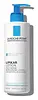
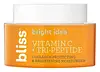
La Roche-Posay Lipikar Daily Repair Moisturizing Lotion Versus Bliss Bright Idea Vitamin C + Tri-Peptide Collagen Protecting & Brightening Moisturizer


What's inside
What's inside
 Key Ingredients
Benefits
Concerns
Ingredients Side-by-side
Water
Skin ConditioningButyrospermum Parkii Butter
Skin Conditioning




Glycerin
Humectant
Sorbitan Stearate
Emulsifying
Paraffinum Liquidum
Emollient
Niacinamide
Smoothing









Vitis Vinifera Seed Oil
Emollient
Aluminum Starch Octenylsuccinate
Absorbent
Dimethicone
Emollient
Beeswax
Emulsion Stabilising
Sorbitan Tristearate
EmulsifyingCarbomer
Emulsion StabilisingSodium Hydroxide
BufferingPoloxamer 338
EmulsifyingAmmonium Polyacryloyldimethyl Taurate
Emulsion StabilisingDisodium EDTA
Sucrose Cocoate
Emulsifying

Caprylyl Glycol
Emollient
Citric Acid
Buffering

T-Butyl Alcohol
Perfuming

Cetyl Palmitate
Emollient
BHT
Antioxidant
Pentaerythrityl Tetra-Di-T-Butyl Hydroxyhydrocinnamate
Antioxidant
Chlorhexidine Digluconate
Antimicrobial
Water, Butyrospermum Parkii Butter, Glycerin, Sorbitan Stearate, Paraffinum Liquidum, Niacinamide, Vitis Vinifera Seed Oil, Aluminum Starch Octenylsuccinate, Dimethicone, Beeswax, Sorbitan Tristearate, Carbomer, Sodium Hydroxide, Poloxamer 338, Ammonium Polyacryloyldimethyl Taurate, Disodium EDTA, Sucrose Cocoate, Caprylyl Glycol, Citric Acid, T-Butyl Alcohol, Cetyl Palmitate, BHT, Pentaerythrityl Tetra-Di-T-Butyl Hydroxyhydrocinnamate, Chlorhexidine Digluconate
Water
Skin ConditioningGlycerin
Humectant
Caprylic/Capric Triglyceride
Masking
Propanediol
Solvent
Cetearyl Alcohol
Emollient
3-O-Ethyl Ascorbic Acid
Skin Conditioning
Coco-Caprylate/Caprate
Emollient
Hydrogenated Farnesene
EmollientGlyceryl Stearate
Emollient
Butyrospermum Parkii Butter
Skin Conditioning
Limnanthes Alba Seed Oil
Skin Conditioning
Palmitoyl Tripeptide-5
Skin Conditioning
Glycyrrhiza Glabra Root Extract
Bleaching
Saccharide Isomerate
Humectant
Ceramide Ng
Skin Conditioning
Tocopherol
Antioxidant
Niacinamide
Smoothing
Mangifera Indica Fruit Extract
Skin ConditioningEuterpe Oleracea Fruit Extract
Camellia Sinensis Leaf Extract
Antimicrobial
Pseudozyma Epicola/Camellia Japonica Seed Oil Ferment Extract Filtrate
Emulsion Stabilising
Aloe Barbadensis Leaf Juice
Skin Conditioning
Persea Gratissima Oil
Skin Conditioning
Glycine Soja Oil
Emollient
Simmondsia Chinensis Seed Oil
Emollient
Argania Spinosa Kernel Oil
Emollient
Xanthan Gum
EmulsifyingAcacia Senegal Gum
MaskingHydroxyacetophenone
Antioxidant
Cetearyl Olivate
Caprylyl Glycol
Emollient
Polyacrylate Crosspolymer-6
Emulsion StabilisingHydroxyethyl Acrylate/Sodium Acryloyldimethyl Taurate Copolymer
Emulsion StabilisingPolyglyceryl-4 Laurate/Succinate
PEG-100 Stearate
Surfactant
Sorbitan Olivate
Emulsifying
Cetearyl Glucoside
Emulsifying
Hexylene Glycol
EmulsifyingEthoxydiglycol
HumectantSodium Citrate
BufferingTetrasodium Glutamate Diacetate
Sodium Metabisulfite
Antioxidant
Phenoxyethanol
Preservative
Ethylhexylglycerin
Skin ConditioningPotassium Sorbate
Preservative
Sodium Benzoate
Masking
Citric Acid
Buffering
Parfum
Masking

Limonene
Perfuming

Water, Glycerin, Caprylic/Capric Triglyceride, Propanediol, Cetearyl Alcohol, 3-O-Ethyl Ascorbic Acid, Coco-Caprylate/Caprate, Hydrogenated Farnesene, Glyceryl Stearate, Butyrospermum Parkii Butter, Limnanthes Alba Seed Oil, Palmitoyl Tripeptide-5, Glycyrrhiza Glabra Root Extract, Saccharide Isomerate, Ceramide Ng, Tocopherol, Niacinamide, Mangifera Indica Fruit Extract, Euterpe Oleracea Fruit Extract, Camellia Sinensis Leaf Extract, Pseudozyma Epicola/Camellia Japonica Seed Oil Ferment Extract Filtrate, Aloe Barbadensis Leaf Juice, Persea Gratissima Oil, Glycine Soja Oil, Simmondsia Chinensis Seed Oil, Argania Spinosa Kernel Oil, Xanthan Gum, Acacia Senegal Gum, Hydroxyacetophenone, Cetearyl Olivate, Caprylyl Glycol, Polyacrylate Crosspolymer-6, Hydroxyethyl Acrylate/Sodium Acryloyldimethyl Taurate Copolymer, Polyglyceryl-4 Laurate/Succinate, PEG-100 Stearate, Sorbitan Olivate, Cetearyl Glucoside, Hexylene Glycol, Ethoxydiglycol, Sodium Citrate, Tetrasodium Glutamate Diacetate, Sodium Metabisulfite, Phenoxyethanol, Ethylhexylglycerin, Potassium Sorbate, Sodium Benzoate, Citric Acid, Parfum, Limonene
Reviews
Ingredients Explained
These ingredients are found in both products.
Ingredients higher up in an ingredient list are typically present in a larger amount.
This ingredient is also known as shea butter. It is a plant-derived extract from the nuts of the Africa shea tree and one of the most well-studied emollients.
Because it has a high concentration of fatty acids (primarily oleic, stearic, and linoleic) it is able to form a protective barrier on the skin's surface. This helps seal in moisture and prevents transepidermal water loss (TEWL).
In vitro research found an increase in skin hydration by 58% and a decrease in TEWL by 37.8% after 24 hours of applying this ingredient (pretty impressive for a single ingredient!).
Besides hydration, shea butter also contains triterpenes that have anti-inflammatory potential. In particule, lupeol cinnamate has shown the highest anti-inflammatory activity in vivo.
Shea butter also contains vitamins A and E which may contribute to antioxidant activity.
While Shea Butter has an SPF rating of about 3-4, it is not a sunscreen replacement.
This ingredient may not be fungal acne safe because its fatty acids fall within the C11-C24 range that the Malassezia yeast can metabolize.
Learn more about Butyrospermum Parkii ButterCaprylyl Glycol is a humectant, skin conditioner, emollient, and preservative booster derived from either caprylic acid or synthetically created.
Typical use levels vary from 0.3-1% as a preservative booster and go up to 2% to condition skin.
Because it is not a free-fatty acid, this ingredient is fungal acne safe (there's nothing for Malassezia to feed on).
Learn more about Caprylyl GlycolCitric Acid is an alpha hydroxy acid (AHA) naturally found in citrus fruits like oranges, lemons, and limes.
Like other AHAs, citric acid can exfoliate skin by breaking down the bonds that hold dead skin cells together. This helps reveal smoother and brighter skin underneath.
However, this exfoliating effect only happens at high concentrations (20%) which can be hard to find in cosmetic products.
Due to this, citric acid is usually included in small amounts as a pH adjuster. This helps keep products slightly more acidic and compatible with skin's natural pH.
In skincare formulas, citric acid can:
While it can provide some skin benefits, research shows lactic acid and glycolic acid are generally more effective and less irritating exfoliants.
Most citric acid used in skincare today is made by fermenting sugars (usually from molasses). This synthetic version is identical to the natural citrus form but easier to stabilize and use in formulations.
Read more about some other popular AHA's here:
Learn more about Citric AcidGlycerin (or glycerol) is a compound naturally found in your skin. It's a powerhouse humectant that pulls water into the stratum corneum.
Topically, glycerin does several things at once:
Your skin makes glycerin on its own (mostly from sebaceous oil breakdown) and shuttles it to your outermost layer of skin, or your epidermis, via aquaporin-3.
Aquaporin-3 is a transporter that is essential for normal skin hydration, elasticity, and repair. Interestingly, mice lacking in AQP3 have dry and less elastic skin that can be fully corrected with glycerin.
This ingredient is non-irritating, plays well with almost every ingredient, and works across all skin types. Typical use is anywhere between 3-10% but can go up to 79% in some leave-on products.
Just know very high concentrations (>40%) can feel tacky in low humidity.
Glycerin is the name for this ingredient in American English. British English uses Glycerol/Glycerine.
Learn more about GlycerinNiacinamide is a multitasking form of vitamin B3 that strengthens the skin barrier, reduces pores and dark spots, regulates oil, and improves signs of aging.
And the best part? It's gentle and well-tolerated by most skin types, including sensitive and reactive skin.
You might have heard of "niacin flush", or the reddening of skin that causes itchiness. Niacinamide has not been found to cause this.
In very rare cases, some individuals may not be able to tolerate niacinamide at all or experience an allergic reaction to it.
If you are experiencing flaking, irritation, and dryness with this ingredient, be sure to double check all your products as this ingredient can be found in all categories of skincare.
When incorporating niacinamide into your routine, look out for concentration amounts. Typically, 5% niacinamide provides benefits such as fading dark spots. However, if you have sensitive skin, it is better to begin with a smaller concentration.
When you apply niacinamide to your skin, your body converts it into nicotinamide adenine dinucleotide (NAD). NAD is an essential coenzyme that is already found in your cells as "fuel" and powers countless biological processes.
In your skin, NAD helps repair cell damage, produce new healthy cells, support collagen production, strengthen the skin barrier, and fight environmental stressors (like UV and pollution).
Our natural NAD levels start to decline with age, leading to slower skin repair, visible aging, and a weaker skin barrier. By providing your skin niacinamide, you're recharging your skin's NAD levels. This leads to stronger, healthier, and younger looking skin.
Another name for vitamin B3 is nicotinamide. This vitamin is water-soluble and our bodies don't store it. We obtain Vitamin B3 from either food or skincare. Meat, fish, wheat, yeast, and leafy greens contain vitamin B3.
The type of niacinamide used in skincare is synthetically created.
Learn more about NiacinamideWater. It's the most common cosmetic ingredient of all. You'll usually see it at the top of ingredient lists, meaning that it makes up the largest part of the product.
So why is it so popular? Water most often acts as a solvent - this means that it helps dissolve other ingredients into the formulation.
You'll also recognize water as that liquid we all need to stay alive. If you see this, drink a glass of water. Remember to stay hydrated!
Learn more about Water

