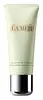
This hydrating exfoliator is formulated around Fructose to hydrate skin.
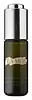
This anti-aging serum is formulated around Acetyl Hexapeptide-8 and Caffeine to soften the look of wrinkles.

What's inside
What's inside
 Key Ingredients
Benefits
Concerns
Ingredients Side-by-side
Caprylic/Capric Triglyceride
Masking


Fructose
Humectant
PEG-7 Glyceryl Cocoate
Emulsifying



Stearalkonium Hectorite
Gel FormingLimnanthes Alba Seed Oil
Skin Conditioning
Propylene Glycol Dicaprylate/Dicaprate
EmollientEuphorbia Cerifera Cera
Astringent
Jojoba Esters
Emollient
Propylene Carbonate
SolventMangifera Indica Seed Butter
Skin Conditioning
Theobroma Grandiflorum Seed Butter
Skin Conditioning
Tocopherol
Antioxidant





Algae Extract
Emollient
Sesamum Indicum Seed Oil
Emollient
Medicago Sativa Seed Powder
Skin ConditioningHelianthus Annuus Seedcake
Abrasive
Prunus Amygdalus Dulcis Seed Meal
Abrasive
Eucalyptus Globulus Leaf Oil
Perfuming



Sodium Gluconate
Skin ConditioningCopper Gluconate
Skin Conditioning
Calcium Gluconate
HumectantMagnesium Gluconate
Skin ConditioningZinc Gluconate
Skin Conditioning



Tocopheryl Succinate
Antioxidant
Niacin
SmoothingSesamum Indicum Seed Powder
Skin ConditioningWater
Skin ConditioningMel
EmollientDiamond Powder
Abrasive
Camelina Sativa Seed Oil
Skin Conditioning
Macrocystis Pyrifera Extract
Skin Conditioning
Spirulina Platensis Powder
Skin ProtectingGlycerin
Humectant
Paraffinum Liquidum
Emollient
Maris Sal
Skin ConditioningSalicornia Herbacea Extract
Skin ConditioningHydrogenated Vegetable Oil
Emollient
Molasses Extract
Skin ConditioningOlea Europaea Fruit Oil
Masking
Hippophae Rhamnoides Oil
Emollient
Beta-Carotene
Skin ConditioningAcetyl Glucosamine
Skin Conditioning
Faex Extract
Skin ConditioningOlus Oil
Emollient
Tetrahexyldecyl Ascorbate
Antioxidant

Butylene Glycol
Humectant
Silica
Abrasive
Parfum
Masking
BHT
Antioxidant
Benzyl Benzoate
Antimicrobial
Linalool
Perfuming
Limonene
Perfuming
Phenoxyethanol
Preservative
Caprylic/Capric Triglyceride, Fructose, PEG-7 Glyceryl Cocoate, Stearalkonium Hectorite, Limnanthes Alba Seed Oil, Propylene Glycol Dicaprylate/Dicaprate, Euphorbia Cerifera Cera, Jojoba Esters, Propylene Carbonate, Mangifera Indica Seed Butter, Theobroma Grandiflorum Seed Butter, Tocopherol, Algae Extract, Sesamum Indicum Seed Oil, Medicago Sativa Seed Powder, Helianthus Annuus Seedcake, Prunus Amygdalus Dulcis Seed Meal, Eucalyptus Globulus Leaf Oil, Sodium Gluconate, Copper Gluconate, Calcium Gluconate, Magnesium Gluconate, Zinc Gluconate, Tocopheryl Succinate, Niacin, Sesamum Indicum Seed Powder, Water, Mel, Diamond Powder, Camelina Sativa Seed Oil, Macrocystis Pyrifera Extract, Spirulina Platensis Powder, Glycerin, Paraffinum Liquidum, Maris Sal, Salicornia Herbacea Extract, Hydrogenated Vegetable Oil, Molasses Extract, Olea Europaea Fruit Oil, Hippophae Rhamnoides Oil, Beta-Carotene, Acetyl Glucosamine, Faex Extract, Olus Oil, Tetrahexyldecyl Ascorbate, Butylene Glycol, Silica, Parfum, BHT, Benzyl Benzoate, Linalool, Limonene, Phenoxyethanol
Water
Skin ConditioningPropanediol
Solvent
Algae Extract
Emollient
Glycerin
Humectant
Prunus Amygdalus Dulcis Seed Extract
Skin ConditioningSesamum Indicum Seed Oil
Emollient
Medicago Sativa Seed Powder
Skin ConditioningHelianthus Annuus Seedcake
Abrasive
Prunus Amygdalus Dulcis Seed Meal
Abrasive
Eucalyptus Globulus Leaf Oil
Perfuming
Sodium Gluconate
Skin ConditioningCopper Gluconate
Skin Conditioning
Magnesium Gluconate
Skin ConditioningCalcium Gluconate
HumectantZinc Gluconate
Skin Conditioning
Tocopheryl Succinate
Antioxidant
Niacin
SmoothingSesamum Indicum Seed Powder
Skin ConditioningSucrose
Humectant
Pyrus Malus Fruit Extract
Skin Conditioning
Citrullus Lanatus Fruit Extract
Skin Conditioning
Porphyridium Cruentum Extract
Skin ConditioningLens Esculenta Fruit Extract
Skin ConditioningLaminaria Digitata Extract
Skin Protecting
Saccharomyces Lysate Extract
Humectant
Ascophyllum Nodosum Extract
Skin Conditioning
Plankton Extract
Skin ConditioningCitrus Aurantifolia Peel Extract
Cleansing
Tourmaline
Sigesbeckia Orientalis Extract
Skin ConditioningAsparagopsis Armata Extract
Skin Protecting
Acetyl Hexapeptide-8
Humectant
Caffeine
Skin Conditioning
Pullulan
Trehalose
Humectant
Sodium Lactate
Buffering
Sorbitol
Humectant
Sodium PCA
Humectant
Styrene/Vp Copolymer
Hydroxypropyl Methylcellulose
Emulsion StabilisingSodium Hyaluronate
Humectant
Hexylene Glycol
EmulsifyingButylene Glycol
Humectant
Vinyl Dimethicone/Methicone Silsesquioxane Crosspolymer

Alcohol Denat.
Antimicrobial
Xanthan Gum
EmulsifyingIsododecane
EmollientEthylhexylglycerin
Skin ConditioningCaprylyl Glycol
Emollient
Trimethylsiloxysilicate
Emollient
Parfum
Masking
Disodium EDTA
Phenoxyethanol
Preservative
Potassium Sorbate
Preservative
Sodium Benzoate
Masking
CI 61570
Cosmetic ColorantCI 42090
Cosmetic ColorantWater, Propanediol, Algae Extract, Glycerin, Prunus Amygdalus Dulcis Seed Extract, Sesamum Indicum Seed Oil, Medicago Sativa Seed Powder, Helianthus Annuus Seedcake, Prunus Amygdalus Dulcis Seed Meal, Eucalyptus Globulus Leaf Oil, Sodium Gluconate, Copper Gluconate, Magnesium Gluconate, Calcium Gluconate, Zinc Gluconate, Tocopheryl Succinate, Niacin, Sesamum Indicum Seed Powder, Sucrose, Pyrus Malus Fruit Extract, Citrullus Lanatus Fruit Extract, Porphyridium Cruentum Extract, Lens Esculenta Fruit Extract, Laminaria Digitata Extract, Saccharomyces Lysate Extract, Ascophyllum Nodosum Extract, Plankton Extract, Citrus Aurantifolia Peel Extract, Tourmaline, Sigesbeckia Orientalis Extract, Asparagopsis Armata Extract, Acetyl Hexapeptide-8, Caffeine, Pullulan, Trehalose, Sodium Lactate, Sorbitol, Sodium PCA, Styrene/Vp Copolymer, Hydroxypropyl Methylcellulose, Sodium Hyaluronate, Hexylene Glycol, Butylene Glycol, Vinyl Dimethicone/Methicone Silsesquioxane Crosspolymer, Alcohol Denat., Xanthan Gum, Isododecane, Ethylhexylglycerin, Caprylyl Glycol, Trimethylsiloxysilicate, Parfum, Disodium EDTA, Phenoxyethanol, Potassium Sorbate, Sodium Benzoate, CI 61570, CI 42090
Ingredients Explained
These ingredients are found in both products.
Ingredients higher up in an ingredient list are typically present in a larger amount.
Algae Extract is one of the vaguest names on any label because it just means "extract of some alga" (and there are thousands of species and dozens of ways to extract them). This just means two products listing it can contain completely different things.
This ingredient name was actually officially retired in the INCI dictionary in 2015 and brands were pushed toward species-specific names instead (like Laminaria Digitata Extract or Chondrus Crispus Extract).
Generally, it is used to hold water and soften skin in a formula. Algae are rich in polysaccharides, pigments, and amino-acids that act as humectants, emollients, and skin-conditioning agents.
It isn't on standard cosmetic-patch test panels and "seaweed dermatitis" is actually an acute irritant reaction to algal toxins in seawater and not the cosmetic ingredient.
You'll see algae listed as a 5/5 on a lot of pore-clogging charts and that number doesn't come from anywhere; it's not in the original rabbit-ear studies that most comedogenic ratings trace back to.
The reasoning behind the reputation is that seaweed is high in iodine and iodine can trigger acne-like breakouts when eaten. This traces back to a 1976 letter in Archives of Dermatology describing two women whose breakouts cleared after they stopped taking high-dose kelp supplements orally.
And the reaction of these two women wasn't clogged pores at all: it was an iodine-triggered pustular rash. Later research found normal dietary iodine doesn't meaningfully affect acne either and nobody has shown topical algae delivers enough iodine to matter.
What we do have is dozens of brown and red algae ingredients found to be non-irritating and non-sensitizing, and a handful of studies that found algae compounds may actually help acne.
However, plenty of people do report breaking out from algae-containing products. Skin is individual and it's worth avoiding if yours has reacted to algae before.
Learn more about Algae ExtractButylene Glycol (or BG) is used within cosmetic products for a few different reasons:
Overall, Butylene Glycol is a safe and well-rounded ingredient that works well with other ingredients.
Though this ingredient works well with most skin types, some people with sensitive skin may experience a reaction such as allergic rashes, closed comedones, or itchiness.
Learn more about Butylene GlycolThis ingredient is calcium salt of gluconic acid. It is a humectant, meaning it attracts water to your skin.
This ingredient is a copper salt known for its wound healing properties.
Our bodies use copper to help stabilize our skin's collagen and elastin. Its also an essential for superoxide dismutase, an enzyme with strong antioxidant properties.
Copper has wound healing properties due to its role in creating new blood vessels and tissue repair.
Learn more about Copper GluconateThis oil is derived from the leaves of Eucalyptus Globulus, a type of Eucalyptus tree native to Australia.
Though this oil shows antibacterial and antioxidant activity, it is also a known skin-irritant due to its fragrance components.
Glycerin (or glycerol) is a compound naturally found in your skin. It's a powerhouse humectant that pulls water into the stratum corneum.
Topically, glycerin does several things at once:
Your skin makes glycerin on its own (mostly from sebaceous oil breakdown) and shuttles it to your outermost layer of skin, or your epidermis, via aquaporin-3.
Aquaporin-3 is a transporter that is essential for normal skin hydration, elasticity, and repair. Interestingly, mice lacking in AQP3 have dry and less elastic skin that can be fully corrected with glycerin.
This ingredient is non-irritating, plays well with almost every ingredient, and works across all skin types. Typical use is anywhere between 3-10% but can go up to 79% in some leave-on products.
Just know very high concentrations (>40%) can feel tacky in low humidity.
Glycerin is the name for this ingredient in American English. British English uses Glycerol/Glycerine.
Learn more about GlycerinHelianthus Annuus Seedcake is an exfoliant.
We don't have a description for Magnesium Gluconate yet.
We don't have a description for Medicago Sativa Seed Powder yet.
Niacin is the other form of B3, with the other being niacinamide. The two have similar skin benefits: reducing inflammation, strengthening the skin barrier, and fading dark spots.
Parfum is a catch-all term for an ingredient or more that is used to give a scent to products.
Also called "fragrance", this ingredient can be a blend of hundreds of chemicals or plant oils. This means every product with "fragrance" or "parfum" in the ingredients list is a different mixture.
For instance, Habanolide is a proprietary trade name for a specific aroma chemical. When used as a fragrance ingredient in cosmetics, most aroma chemicals fall under the broad labeling category of “FRAGRANCE” or “PARFUM” according to EU and US regulations.
The term 'parfum' or 'fragrance' is not regulated in many countries. In many cases, it is up to the brand to define this term.
For instance, many brands choose to label themselves as "fragrance-free" because they are not using synthetic fragrances. However, their products may still contain ingredients such as essential oils that are considered a fragrance by INCI standards.
One example is Calendula flower extract. Calendula is an essential oil that still imparts a scent or 'fragrance'.
Depending on the blend, the ingredients in the mixture can cause allergies and sensitivities on the skin. Some ingredients that are known EU allergens include linalool and citronellol.
Parfum can also be used to mask or cover an unpleasant scent.
The bottom line is: not all fragrances/parfum/ingredients are created equally. If you are worried about fragrances, we recommend taking a closer look at an ingredient. And of course, we always recommend speaking with a professional.
Learn more about ParfumPhenoxyethanol is one of the most widely used preservatives in skincare (and for good reason!).
It has a large spectrum of antimicrobial activity and especially effective bacteria, yeast, and mold while only having a weak effect on your skin's natural microbiome.
On a cellular level, it disrupts the cell membranes of microbes by poking holes that make the cell leak. This shuts down the chemical reactions the microbe needs to make energy so it can no longer survive.
Another perk of this ingredient is that it stays functional across a wide pH range (3-10).
You'll often see it paired with boosters like Ethylhexylglycerin; one study showed that a 1:9 ratio of Ethylhexylglycerin to Phenoxyethanol damages bacterial membranes as effectively as doubling the Phenoxyethanol concentration on its own.
Typical use concentrations range from 0.3-1% depending on the formula, and this ingredient is capped at 1% int the EU.
Safety-wise, the fear mongering does not hold up to the evidence. The EU's Scientific Committee on Consumer Safety and FDA consider it safe as a preservative at up to 1%, including for children of all ages.
Adverse systemic effects only showed up in animal studies at exposures roughly 200x higher than what people get from cosmetics. And despite its very widespread use, this ingredient is a rare sensitizer and allergic reactions are uncommon.
Learn more about PhenoxyethanolPrunus Amygdalus Dulcis Seed Meal comes from the Sweet Almond tree. This sweet almond seed meal is the residue from expressing almond oil.
As an abrasive, it can help exfoliate the top layer of skin.
Sesamum Indicum Seed Oil is the cold-pressed oil from sesame seeds.
It is an emollient and skin conditioning agent made up of roughly 82-85% unsaturated fatty acids, mostly linoleic (~41%) and oleic acid (~39%).
This pairing gives it barrier-supporting and moisturizing properties. Linoleic acid, an essential omega-6 fatty acid, can be incorporated into complex skin lipids. Topical application has shown barrier repair, anti-inflammatory, and wound-healing effects in cell and animal studies.
Beyond fatty acids, sesame oil brings something more distinctive to the table:
It contains natural antioxidants sesamol, sesamolin, and gamma-tocopherol. These also give the oil notably high oxidative stability.
One of the oil's key lignans, sesamin, has also demonstrated anti-inflammatory activity in preclinical models.
A 2023 clinical study found that a single application of sesame seed oil to the forearms of 35 healthy women improved stratum corneum hydration (though it didn't outperform raspberry seed oil).
The comedogenic rating of 1-3 depends on the type of sesame oil; unrefined carries a rating of 3 while refined sesame oil drops to a 1.
This ingredient may not be safe for fungal acne as it contains fatty acids that can feed Malassezia.
Learn more about Sesamum Indicum Seed OilWe don't have a description for Sesamum Indicum Seed Powder yet.
This is the synthetic salt of gluconic acid, a form of PHA and mild exfoliant.
It is mainly used to stabilize oil and butter formulations from going bad. Sodium gluconate is a humectant, pH regulator, and chelating agent.
Chelating agents help neutralize unwanted metals from affecting the formulation.
Sodium gluconate is water-soluble.
Learn more about Sodium GluconateTocopheryl Succinate is an antioxidant.
Water. It's the most common cosmetic ingredient of all. You'll usually see it at the top of ingredient lists, meaning that it makes up the largest part of the product.
So why is it so popular? Water most often acts as a solvent - this means that it helps dissolve other ingredients into the formulation.
You'll also recognize water as that liquid we all need to stay alive. If you see this, drink a glass of water. Remember to stay hydrated!
Learn more about WaterZinc gluconate has antibacterial and wound healing properties. It is particularly effective against fighting inflammatory acne.
This ingredient is the zinc salt of the PHA gluconic acid. PHAs are gentle cousins to AHAs.


