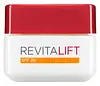
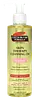
L'Oreal Revitalift Day Cream SPF30 Versus Palmer's Cocoa Butter Skin Therapy Cleansing Oil, Face, Rosehip Fragrance
This hybrid sunscreen covers the full UV range and blocks ~97% of UVB at SPF 30.
This oil-based makeup remover is made to dissolve makeup, sunscreen, and daily buildup.


What's inside
What's inside
 Key Ingredients
Benefits
Concerns
Ingredients Side-by-side
Water
Skin ConditioningGlycerin
Humectant


Ethylhexyl Salicylate
UV Absorber

Dimethicone
Emollient
Alcohol Denat.
Antimicrobial




Octocrylene
UV Absorber
Nylon-12

Butyl Methoxydibenzoylmethane
UV Absorber
Octyldodecanol
Emollient
Phenylbenzimidazole Sulfonic Acid
UV Absorber
Cetyl Alcohol
Emollient

Behenyl Alcohol
Emollient
Triethanolamine
BufferingIsopropyl Isostearate
Emollient

Hydrolyzed Soy Protein
Humectant
Acetyl Trifluoromethylphenyl Valylglycine
Skin ConditioningAdenosine
Skin Conditioning

Capryloyl Salicylic Acid
Exfoliating



Disodium EDTA
ChelatingYeast Extract
Skin ConditioningSalicyloyl Phytosphingosine
Skin ConditioningRetinyl Palmitate
Skin Conditioning

Acrylamide/Sodium Acryloyldimethyltaurate Copolymer
Emulsion StabilisingAluminum Starch Octenylsuccinate
Absorbent
Ammonium Polyacryloyldimethyl Taurate
Emulsion StabilisingCetearyl Alcohol
Emollient
Cetearyl Glucoside
Emulsifying
Disodium Stearoyl Glutamate
CleansingHydroxyethyl Acrylate/Sodium Acryloyldimethyl Taurate Copolymer
Emulsion StabilisingIsohexadecane
EmollientMyristic Acid
Cleansing
Palmitic Acid
Emollient
PEG-100 Stearate
Surfactant
Pentylene Glycol
Skin Conditioning
Poly C10-30 Alkyl Acrylate
Emulsion StabilisingPolyethylene
Abrasive
Polysorbate 60
Emulsifying
Polysorbate 80
Emulsifying
Sorbitan Isostearate
Emulsifying
Sorbitan Oleate
Emulsifying
Stearic Acid
Cleansing
Silica
Abrasive
Titanium Dioxide
Cosmetic Colorant
Alpha-Isomethyl Ionone
Perfuming


Benzyl Alcohol
Perfuming
Benzyl Salicylate
Perfuming
Citronellol
Perfuming
Geraniol
Perfuming
Hexyl Cinnamal
Perfuming
Limonene
Perfuming
Linalool
Perfuming
CI 15510
Cosmetic ColorantPhenoxyethanol
Preservative
Tocopherol
Antioxidant


Parfum
Masking
Water, Glycerin, Ethylhexyl Salicylate, Dimethicone, Alcohol Denat., Octocrylene, Nylon-12, Butyl Methoxydibenzoylmethane, Octyldodecanol, Phenylbenzimidazole Sulfonic Acid, Cetyl Alcohol, Behenyl Alcohol, Triethanolamine, Isopropyl Isostearate, Hydrolyzed Soy Protein, Acetyl Trifluoromethylphenyl Valylglycine, Adenosine, Capryloyl Salicylic Acid, Disodium EDTA, Yeast Extract, Salicyloyl Phytosphingosine, Retinyl Palmitate, Acrylamide/Sodium Acryloyldimethyltaurate Copolymer, Aluminum Starch Octenylsuccinate, Ammonium Polyacryloyldimethyl Taurate, Cetearyl Alcohol, Cetearyl Glucoside, Disodium Stearoyl Glutamate, Hydroxyethyl Acrylate/Sodium Acryloyldimethyl Taurate Copolymer, Isohexadecane, Myristic Acid, Palmitic Acid, PEG-100 Stearate, Pentylene Glycol, Poly C10-30 Alkyl Acrylate, Polyethylene, Polysorbate 60, Polysorbate 80, Sorbitan Isostearate, Sorbitan Oleate, Stearic Acid, Silica, Titanium Dioxide, Alpha-Isomethyl Ionone, Benzyl Alcohol, Benzyl Salicylate, Citronellol, Geraniol, Hexyl Cinnamal, Limonene, Linalool, CI 15510, Phenoxyethanol, Tocopherol, Parfum
Glycine Soja Oil
Emollient
Prunus Amygdalus Dulcis Oil
Skin Conditioning
Polysorbate 85
Emulsifying
Prunus Armeniaca Kernel Oil
Masking
Sorbitan Trioleate
Emulsifying
Theobroma Cacao Seed Butter
Emollient
Tocopheryl Acetate
Antioxidant
Cetearyl Ethylhexanoate
Emollient
Vitis Vinifera Seed Oil
Emollient
Simmondsia Chinensis Seed Oil
Emollient
Sesamum Indicum Seed Oil
Emollient
Argania Spinosa Kernel Oil
Emollient
Oryza Sativa Bran Oil
Emollient
Rosa Canina Fruit Oil
Emollient
Ascorbyl Palmitate
Antioxidant
Isopropyl Myristate
Emollient
Parfum
Masking
Benzyl Benzoate
Antimicrobial
Citronellol
Perfuming
Geraniol
Perfuming
Butylphenyl Methylpropional
Perfuming
Glycine Soja Oil, Prunus Amygdalus Dulcis Oil, Polysorbate 85, Prunus Armeniaca Kernel Oil, Sorbitan Trioleate, Theobroma Cacao Seed Butter, Tocopheryl Acetate, Cetearyl Ethylhexanoate, Vitis Vinifera Seed Oil, Simmondsia Chinensis Seed Oil, Sesamum Indicum Seed Oil, Argania Spinosa Kernel Oil, Oryza Sativa Bran Oil, Rosa Canina Fruit Oil, Ascorbyl Palmitate, Isopropyl Myristate, Parfum, Benzyl Benzoate, Citronellol, Geraniol, Butylphenyl Methylpropional
Reviews
Ingredients Explained
These ingredients are found in both products.
Ingredients higher up in an ingredient list are typically present in a larger amount.
Citronellol is used to add fragrance/parfum to a product. It is often derived from plants such as roses. In fact, it can be found in many essential oils including geranium, lavender, neroli, and more. The scent of Citronellol is often described as "fresh, grassy, and citrus-like".
Since the Citronellol molecule is already unstable, Citronellol becomes irritating on the skin when exposed to air.
Citronellol is a modified terpene. Terpenes are unsaturated hydrocarbons found in plants. They make up the primary part of essential oils.
Citronellol is not able to be absorbed into deeper layers of the skin. It has low permeability,
Citronellol is also a natural insect repellent.
Learn more about CitronellolGeraniol is used to add fragrance/parfum to a product. It is the main component of citronellol. It is a monoterpenoid and an alcohol.
Monoterpenes are naturally found in many parts of different plants.
Geraniol can be found in many essential oils including Rose Oil and Citronella Oil. The scent of Geraniol is often described as "rose-like". Many foods also contain Geraniol for fruit flavoring.
Geraniol can irritate the skin when exposed to air. However, irritation depends on the ability of geraniol to penetrate into the skin. In general, geraniol is not able to penetrate skin easily.
Geraniol is colorless and has low water-solubility. However, it is soluble in common organic solvents.
Like citronellol, it is a natural insect repellent.
2,6-Octadien-1-ol, 3,7-dimethyl-, (2E)-
Learn more about GeraniolParfum is a catch-all term for an ingredient or more that is used to give a scent to products.
Also called "fragrance", this ingredient can be a blend of hundreds of chemicals or plant oils. This means every product with "fragrance" or "parfum" in the ingredients list is a different mixture.
For instance, Habanolide is a proprietary trade name for a specific aroma chemical. When used as a fragrance ingredient in cosmetics, most aroma chemicals fall under the broad labeling category of “FRAGRANCE” or “PARFUM” according to EU and US regulations.
The term 'parfum' or 'fragrance' is not regulated in many countries. In many cases, it is up to the brand to define this term.
For instance, many brands choose to label themselves as "fragrance-free" because they are not using synthetic fragrances. However, their products may still contain ingredients such as essential oils that are considered a fragrance by INCI standards.
One example is Calendula flower extract. Calendula is an essential oil that still imparts a scent or 'fragrance'.
Depending on the blend, the ingredients in the mixture can cause allergies and sensitivities on the skin. Some ingredients that are known EU allergens include linalool and citronellol.
Parfum can also be used to mask or cover an unpleasant scent.
The bottom line is: not all fragrances/parfum/ingredients are created equally. If you are worried about fragrances, we recommend taking a closer look at an ingredient. And of course, we always recommend speaking with a professional.
Learn more about Parfum

