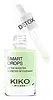
This hydrating serum is formulated around Squalane and Urea to hydrate skin and strengthen the skin barrier.
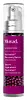
This calming serum is formulated around Niacinamide and Acetyl Hexapeptide-8 to calm redness and strengthen the skin barrier.


What's inside
What's inside
 Key Ingredients
Benefits
Concerns
Ingredients Side-by-side
Water
Skin ConditioningSqualane
Emollient


Dicaprylyl Carbonate
EmollientCrambe Abyssinica Seed Oil
Skin Conditioning


Polysilicone-11


Glycerin
Humectant
Phenyl Trimethicone
Skin Conditioning
Hdi/Trimethylol Hexyllactone Crosspolymer
Phenoxyethanol
Preservative
Actinidia Chinensis Fruit Extract
EmollientParfum
Masking



Benzyl Alcohol
Perfuming

Caprylic/Capric Triglyceride
Masking
Trehalose
Humectant
Urea
Buffering

Tocopheryl Acetate
Antioxidant


Acrylates/C10-30 Alkyl Acrylate Crosspolymer
Emulsion StabilisingXanthan Gum
EmulsifyingBHT
Antioxidant
Serine
Masking
Pentylene Glycol
Skin Conditioning
Sodium Hydroxide
BufferingSodium Phytate
ChelatingDiethylhexyl Syringylidenemalonate
Skin Protecting
Ethylhexylglycerin
Skin ConditioningDehydroacetic Acid
Preservative
Arginine PCA
HumectantLaureth-12
EmulsifyingElaeis Guineensis Oil
Emollient
Propylene Glycol
Humectant
Gossypium Herbaceum Seed Oil
Skin Conditioning
Silica
Abrasive

Bidens Pilosa Extract
HumectantAlgin
MaskingGlyceryl Polyacrylate
Caprylyl Glycol
Emollient
Sodium Hyaluronate
Humectant

Pullulan
Disodium Phosphate
BufferingLinum Usitatissimum Seed Oil
Perfuming
Cucumis Sativus Fruit Extract
Emollient
Sorbic Acid
Preservative
Potassium Phosphate
BufferingAlcohol
Antimicrobial
Phaeodactylum Tricornutum Extract
HumectantPentaerythrityl Tetra-Di-T-Butyl Hydroxyhydrocinnamate
Antioxidant
Tocopherol
Antioxidant
Tetrasodium Glutamate Diacetate
ChelatingCI 19140
Cosmetic ColorantCI 42090
Cosmetic ColorantWater, Squalane, Dicaprylyl Carbonate, Crambe Abyssinica Seed Oil, Polysilicone-11, Glycerin, Phenyl Trimethicone, Hdi/Trimethylol Hexyllactone Crosspolymer, Phenoxyethanol, Actinidia Chinensis Fruit Extract, Parfum, Benzyl Alcohol, Caprylic/Capric Triglyceride, Trehalose, Urea, Tocopheryl Acetate, Acrylates/C10-30 Alkyl Acrylate Crosspolymer, Xanthan Gum, BHT, Serine, Pentylene Glycol, Sodium Hydroxide, Sodium Phytate, Diethylhexyl Syringylidenemalonate, Ethylhexylglycerin, Dehydroacetic Acid, Arginine PCA, Laureth-12, Elaeis Guineensis Oil, Propylene Glycol, Gossypium Herbaceum Seed Oil, Silica, Bidens Pilosa Extract, Algin, Glyceryl Polyacrylate, Caprylyl Glycol, Sodium Hyaluronate, Pullulan, Disodium Phosphate, Linum Usitatissimum Seed Oil, Cucumis Sativus Fruit Extract, Sorbic Acid, Potassium Phosphate, Alcohol, Phaeodactylum Tricornutum Extract, Pentaerythrityl Tetra-Di-T-Butyl Hydroxyhydrocinnamate, Tocopherol, Tetrasodium Glutamate Diacetate, CI 19140, CI 42090
Water
Skin ConditioningGlycerin
Humectant
Propanediol
Solvent
Prunus Armeniaca Kernel Oil
Masking
Niacinamide
Smoothing

Pentylene Glycol
Skin Conditioning
Caprylic/Capric Triglyceride
Masking
Alcohol Denat.
Antimicrobial
1,2-Hexanediol
Skin Conditioning
Cannabis Sativa Seed Oil
Emollient
Sodium Hyaluronate
Humectant
Acetyl Hexapeptide-8
Humectant
Caffeine
Skin Conditioning
Plankton Extract
Skin ConditioningTephrosia Purpurea Seed Extract
Skin ConditioningSigesbeckia Orientalis Extract
Skin ConditioningRosa Damascena Flower Extract
Masking
Spilanthes Acmella Flower Extract
Skin ConditioningIndigofera Tinctoria Leaf Extract
Skin ConditioningHelianthus Annuus Seed Oil
Emollient
Tocopherol
Antioxidant
Urea
Buffering
Yeast Amino Acids
HumectantTrehalose
Humectant
Inositol
Humectant
Taurine
BufferingBetaine
Humectant
Caprylyl Glycol
Emollient
Hydroxyethylcellulose
Emulsion StabilisingCarrageenan
Algin
MaskingPEG/PPG-17/6 Copolymer
SolventXanthan Gum
EmulsifyingPentaerythrityl Tetra-Di-T-Butyl Hydroxyhydrocinnamate
Antioxidant
Hydroxyethylpiperazine Ethane Sulfonic Acid
BufferingSodium Hydroxide
BufferingSodium Lauryl Sulfate
Cleansing
Synthetic Fluorphlogopite
Phenoxyethanol
Preservative
Mica
Cosmetic ColorantTin Oxide
Abrasive
CI 77491
Cosmetic ColorantCI 77891
Cosmetic ColorantParfum
Masking
Linalool
Perfuming
Citronellol
Perfuming
Water, Glycerin, Propanediol, Prunus Armeniaca Kernel Oil, Niacinamide, Pentylene Glycol, Caprylic/Capric Triglyceride, Alcohol Denat., 1,2-Hexanediol, Cannabis Sativa Seed Oil, Sodium Hyaluronate, Acetyl Hexapeptide-8, Caffeine, Plankton Extract, Tephrosia Purpurea Seed Extract, Sigesbeckia Orientalis Extract, Rosa Damascena Flower Extract, Spilanthes Acmella Flower Extract, Indigofera Tinctoria Leaf Extract, Helianthus Annuus Seed Oil, Tocopherol, Urea, Yeast Amino Acids, Trehalose, Inositol, Taurine, Betaine, Caprylyl Glycol, Hydroxyethylcellulose, Carrageenan, Algin, PEG/PPG-17/6 Copolymer, Xanthan Gum, Pentaerythrityl Tetra-Di-T-Butyl Hydroxyhydrocinnamate, Hydroxyethylpiperazine Ethane Sulfonic Acid, Sodium Hydroxide, Sodium Lauryl Sulfate, Synthetic Fluorphlogopite, Phenoxyethanol, Mica, Tin Oxide, CI 77491, CI 77891, Parfum, Linalool, Citronellol
Ingredients Explained
These ingredients are found in both products.
Ingredients higher up in an ingredient list are typically present in a larger amount.
Algin is the sodium salt of alginic acid, a sugar-based polymer pulled out of brown seaweed.
In cosmetics, it's a workhorse thickener, binder, and film former rather than an active; it's mostly there for texture and slip.
Industry survey data collected by the Cosmetic Ingredient Review put its maximum reported use at 50% in paste masks and mud packs with reported use going all the way down to 0.001% in aerosol products. Most formulas sit at the low end since a little goes a long way as a thickener.
Allergy-wise, this ingredient is about as low-risk as it gets topically:
The "algae causes acne" idea comes from three places that got tangled together:
None of that transfers to a purified polysaccharide like algin. Clogged pores are a lipid problem where an ingredient has to get into the follicle and mix with sebum to form a comedone. Algin is a big, water-loving sugar chain that does neither; it gels and then sits on the surface as a film until it's rinsed off.
Learn more about AlginCaprylic/Capric Triglyceride (aka MCT Oil) is a lightweight emollient, solvent, and texture enhancer. It is considered a skin-softener by helping to prevent moisture loss.
Though it behaves like an oil, it is not technically one due to its chemical composition. One perk of this ingredient is that it is very stable, resistant to oxidation, and unlikely to go rancid.
In practice, that translates to a long shelf life and a consistently elegant skin feel.
While there is an assumption Caprylic Triglyceride can clog pores due to it being derived from coconut oil, there is no research supporting this. Just patch test if you have concerns.
Fractionated coconut oil and MCT Oil are both listed as Caprylic/Capric Triglyceride according to INCI. This is because INCI names are based on the ingredient’s final chemical composition and not its marketing name or source.
This ingredient is treated as the gold standard fungal acne safe oil. Even though it is coconut derived, the problematic lauric acid is stripped out.
This leaves just caprylic (C8) and capric (C10) acid. These chain lengths actually trend antifungal; a 2020 study found caprylic acid was enough to disrupt Malassezia furfur cell membrane, with a caprylic acid derivative damaging membrane structures at concentrations as low as 0.2%.
Learn more about Caprylic/Capric TriglycerideCaprylyl Glycol is a humectant, skin conditioner, emollient, and preservative booster derived from either caprylic acid or synthetically created.
Typical use levels vary from 0.3-1% as a preservative booster and go up to 2% to condition skin.
Because it is not a free-fatty acid, this ingredient is fungal acne safe (there's nothing for Malassezia to feed on).
Learn more about Caprylyl GlycolGlycerin (or glycerol) is a compound naturally found in your skin. It's a powerhouse humectant that pulls water into the stratum corneum.
Topically, glycerin does several things at once:
Your skin makes glycerin on its own (mostly from sebaceous oil breakdown) and shuttles it to your outermost layer of skin, or your epidermis, via aquaporin-3.
Aquaporin-3 is a transporter that is essential for normal skin hydration, elasticity, and repair. Interestingly, mice lacking in AQP3 have dry and less elastic skin that can be fully corrected with glycerin.
This ingredient is non-irritating, plays well with almost every ingredient, and works across all skin types. Typical use is anywhere between 3-10% but can go up to 79% in some leave-on products.
Just know very high concentrations (>40%) can feel tacky in low humidity.
Glycerin is the name for this ingredient in American English. British English uses Glycerol/Glycerine.
Learn more about GlycerinParfum is a catch-all term for an ingredient or more that is used to give a scent to products.
Also called "fragrance", this ingredient can be a blend of hundreds of chemicals or plant oils. This means every product with "fragrance" or "parfum" in the ingredients list is a different mixture.
For instance, Habanolide is a proprietary trade name for a specific aroma chemical. When used as a fragrance ingredient in cosmetics, most aroma chemicals fall under the broad labeling category of “FRAGRANCE” or “PARFUM” according to EU and US regulations.
The term 'parfum' or 'fragrance' is not regulated in many countries. In many cases, it is up to the brand to define this term.
For instance, many brands choose to label themselves as "fragrance-free" because they are not using synthetic fragrances. However, their products may still contain ingredients such as essential oils that are considered a fragrance by INCI standards.
One example is Calendula flower extract. Calendula is an essential oil that still imparts a scent or 'fragrance'.
Depending on the blend, the ingredients in the mixture can cause allergies and sensitivities on the skin. Some ingredients that are known EU allergens include linalool and citronellol.
Parfum can also be used to mask or cover an unpleasant scent.
The bottom line is: not all fragrances/parfum/ingredients are created equally. If you are worried about fragrances, we recommend taking a closer look at an ingredient. And of course, we always recommend speaking with a professional.
Learn more about ParfumPentaerythrityl Tetra-Di-T-Butyl Hydroxyhydrocinnamate (long name, huh?) is a synthetic antioxidant.
It is used to help stabilize other antioxidants or prevent the color from changing in a product.
As an antioxidant, it helps fight free-radical molecules. Free-radical molecules are capable of damaging our cells and other genetic material. Thus, antioxidants may reduce the signs of aging.
This ingredient is oil-soluble.
Learn more about Pentaerythrityl Tetra-Di-T-Butyl HydroxyhydrocinnamatePentylene Glycol (1,2-pentanediol) is a multitasking little diol with three main roles in a formula:
Research on alkanediols (the family pentylene glycol belongs to) show they work by disrupting microbial cell membranes. This disruption helps the primary preservative system in a product work more effectively at lower doses.
On the safety side, the Cosmetic Ingredient Review Expert Panel has concluded this ingredient to be safe as used in current cosmetic practices + concentrations.
Typical use levels in a formula run about 1-5%.
Learn more about Pentylene GlycolPhenoxyethanol is one of the most widely used preservatives in skincare (and for good reason!).
It has a large spectrum of antimicrobial activity and especially effective bacteria, yeast, and mold while only having a weak effect on your skin's natural microbiome.
On a cellular level, it disrupts the cell membranes of microbes by poking holes that make the cell leak. This shuts down the chemical reactions the microbe needs to make energy so it can no longer survive.
Another perk of this ingredient is that it stays functional across a wide pH range (3-10).
You'll often see it paired with boosters like Ethylhexylglycerin; one study showed that a 1:9 ratio of Ethylhexylglycerin to Phenoxyethanol damages bacterial membranes as effectively as doubling the Phenoxyethanol concentration on its own.
Typical use concentrations range from 0.3-1% depending on the formula, and this ingredient is capped at 1% int the EU.
Safety-wise, the fear mongering does not hold up to the evidence. The EU's Scientific Committee on Consumer Safety and FDA consider it safe as a preservative at up to 1%, including for children of all ages.
Adverse systemic effects only showed up in animal studies at exposures roughly 200x higher than what people get from cosmetics. And despite its very widespread use, this ingredient is a rare sensitizer and allergic reactions are uncommon.
Learn more about PhenoxyethanolSodium Hyaluronate is the salt form of hyaluronic acid. It is a long sugar chain that is naturally found in your skin, joints, and connective tissue that maintains hydration and elasticity.
In skincare, it works as a humectant. It pulls water from the environment and deeper layers of skin and binds it to the surface.
Interestingly, the size of the molecule affects its behavior:
Some clinical evidence links low molecular weight versions to improved wrinkle depth, elasticity, anti-inflammatory effects, and barrier repair.
Many serums use a blend of both weights so you can get surface hydration plus longer-lasting and deeper effects.
You'll typically see concentrations between 0.1-2% for this ingredient.
Learn more about Sodium HyaluronateSodium Hydroxide is also known as lye or caustic soda. It is used to adjust the pH of products; many ingredients require a specific pH to be effective.
In small amounts, sodium hydroxide is considered safe to use. However, large amounts may cause chemical burns due to its high alkaline.
Your skin has a natural pH and acid mantle. This acid mantle helps prevent harmful bacteria from breaking through. The acid mantle also helps keep your skin hydrated.
"Alkaline" refers to a high pH level. A low pH level would be considered acidic.
Learn more about Sodium HydroxideTocopherol is a fat-soluble antioxidant known as Vitamin E.
You'll find this ingredient in the vast majority of skincare (for good reason). It works to neutralize free radicals, or unstable molecules generated by UV exposure, pollution, and other environmental stressors, before they can cause oxidative damage to your skin cells.
Topically applied tocopherol has been shown to protect against UV damage by ramping up the skin's own natural defense enzymes.
It also acts as a skin conditioning agent; some studies show that regular topical use can improve the skin's water-binding capacity over 2-4 weeks.
This ingredient is especially loved for being a team player. When combined with Vitamin C, the photoprotective effect of both ingredients roughly doubles and the combo also helps reduce UV-induced DNA damage.
This ingredient has some brightening potential but it's more of a prevention ingredient than spot-fader. Cell studies show it can slow down melanin production but it's worth noting that it's not the most powerful brightener out there.
In formulations, it also serves as a stabilizer that helps protect other oxidation-prone ingredients from degrading.
Concentrations usually range from 0.1-1% in most leave-on products.
Learn more about TocopherolTrehalose is a disaccharide made of two glucose molecules (glucose is sugar!). Trehalose is used to help moisturize skin. It also has antioxidant properties.
As a humectant, trehalose helps draw moisture from the air to your skin. This helps keep your skin hydrated.
Due to its antioxidant properties, trehalose may help with signs of aging. Antioxidants help fight free-radical molecules, unstable molecules that may damage your skin.
In medicine, trehalose and hyaluronic acid are used to help treat dry eyes.
Some animals, plants, and bacteria create trehalose as a source of energy to survive freeze or lack of water.
Learn more about TrehaloseUrea is also called carbamide and is the diamide of carbonic acid. In cosmetics, urea is used to hydrate the skin. It also provides exfoliation in higher concentrations.
As a humectant, urea helps draw moisture from the air and from deep within the skin. This helps hydrate your skin. Studies show urea is an effective moisturizer for dry skin conditions. 40% urea is typical in medications for treating eczema and other skin conditions.
Urea has the strongest exfoliation effect in concentrations higher than 10%. It is a keratolytic agent, meaning it breaks down the keratin protein in the top layer of skin. This helps remove dead skin cells and flaking skin.
In medicine, urea has been shown to help increase the potency of other ingredients, such as fungal treatments.
Humans and animals use urea to metabolize nitrogen-containing compounds. Urea is highly soluble in water. Once dissolved, it is neither acidic nor alkaline.
Urea is actually one of the more well-studied and well-supported ingredients out there if you have eczema.
Clinical trials have shown that urea creams in the 5 - 10% range can:
Higher concentrations (20 -30%) can also help with thickened, scaly patches but is also more likely to sting on active flares.
Skip urea if you have rosacea. The AAD (American Academy of Dermatology) lists it alongside alcohol, menthol, and fragrance as a potential irritant for rosacea-prone skin. Urea's keratolytic and penetration-enhancing properties can trigger stinging, burning, and redness.
As always, your skin is unique, so definitely check in with your dermatologist.
Learn more about UreaWater. It's the most common cosmetic ingredient of all. You'll usually see it at the top of ingredient lists, meaning that it makes up the largest part of the product.
So why is it so popular? Water most often acts as a solvent - this means that it helps dissolve other ingredients into the formulation.
You'll also recognize water as that liquid we all need to stay alive. If you see this, drink a glass of water. Remember to stay hydrated!
Learn more about WaterXanthan gum is used as a stabilizer and thickener within cosmetic products. It helps give products a sticky, thick feeling - preventing them from being too runny.
On the technical side of things, xanthan gum is a polysaccharide - a combination consisting of multiple sugar molecules bonded together.
Xanthan gum is a pretty common and great ingredient. It is a natural, non-toxic, non-irritating ingredient that is also commonly used in food products.
Learn more about Xanthan Gum

