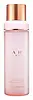
This anti-aging ampoule is formulated around Collagen Extract and Niacinamide to soften the look of wrinkles and hydrate skin.
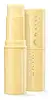
This brightening moisturizer is formulated around Ascorbic Acid and Glycyrrhiza Glabra Root Extract to fade the look of dark spots and brighten dull-looking skin.

What's inside
What's inside
 Key Ingredients
Benefits
Concerns
Ingredients Side-by-side
Collagen Extract
Skin Conditioning

Propanediol
Solvent
Butylene Glycol
Humectant
Niacinamide
Smoothing









1,2-Hexanediol
Skin Conditioning
Althaea Rosea Flower Extract
Skin ConditioningCandida/Garcinia Cambogia Ferment
Oryza Sativa Germ Oil
Emollient


Caesalpinia Spinosa Fruit Extract
Skin ProtectingChlorella Vulgaris Extract
Skin ConditioningKappaphycus Alvarezii Extract
Skin Conditioning

Camellia Sinensis Leaf Extract
Antimicrobial
Schisandra Chinensis Fruit Extract
Skin Conditioning
Curcuma Longa Root Extract
Antioxidant
Hydrolyzed Collagen
Emollient
Lithospermum Erythrorhizon Root Extract
Skin ConditioningSodium Hyaluronate
Humectant
Hyaluronic Acid
Humectant
Hydrolyzed Hyaluronic Acid
Humectant
Ceteareth-12
EmulsifyingGlycerin
Humectant
Glyceryl Stearate
Emollient
Polyglyceryl-2 Oleate
Emulsifying
PEG-60 Hydrogenated Castor Oil
Emulsifying
Ceteareth-20
Cleansing
Cetearyl Isononanoate
Emollient
Cetyl Palmitate
Emollient
Octyldodeceth-16
EmulsifyingEthylhexylglycerin
Skin ConditioningAdenosine
Skin Conditioning
Sodium Citrate
BufferingCitric Acid
Buffering
Soluble Proteoglycan
Skin ConditioningHydrolyzed Sodium Hyaluronate
Skin Conditioning
Hydroxypropyltrimonium Hyaluronate
PEG-9 Diglycidyl Ether/Sodium Hyaluronate Crosspolymer
Skin ConditioningPotassium Hyaluronate
Skin ConditioningSodium Acetylated Hyaluronate
Humectant
Sodium DNA
Skin Conditioning
Dimethylsilanol Hyaluronate
Humectant
Water
Skin ConditioningCetearyl Alcohol
Emollient

Disodium EDTA
ChelatingPhenoxyethanol
Preservative
Sodium Benzoate
Masking
Parfum
Masking

Gardenia Florida Fruit Extract
Skin ConditioningCollagen Extract, Propanediol, Butylene Glycol, Niacinamide, 1,2-Hexanediol, Althaea Rosea Flower Extract, Candida/Garcinia Cambogia Ferment, Oryza Sativa Germ Oil, Caesalpinia Spinosa Fruit Extract, Chlorella Vulgaris Extract, Kappaphycus Alvarezii Extract, Camellia Sinensis Leaf Extract, Schisandra Chinensis Fruit Extract, Curcuma Longa Root Extract, Hydrolyzed Collagen, Lithospermum Erythrorhizon Root Extract, Sodium Hyaluronate, Hyaluronic Acid, Hydrolyzed Hyaluronic Acid, Ceteareth-12, Glycerin, Glyceryl Stearate, Polyglyceryl-2 Oleate, PEG-60 Hydrogenated Castor Oil, Ceteareth-20, Cetearyl Isononanoate, Cetyl Palmitate, Octyldodeceth-16, Ethylhexylglycerin, Adenosine, Sodium Citrate, Citric Acid, Soluble Proteoglycan, Hydrolyzed Sodium Hyaluronate, Hydroxypropyltrimonium Hyaluronate, PEG-9 Diglycidyl Ether/Sodium Hyaluronate Crosspolymer, Potassium Hyaluronate, Sodium Acetylated Hyaluronate, Sodium DNA, Dimethylsilanol Hyaluronate, Water, Cetearyl Alcohol, Disodium EDTA, Phenoxyethanol, Sodium Benzoate, Parfum, Gardenia Florida Fruit Extract
Ascorbic Acid
Antioxidant
Cetyl Ethylhexanoate
EmollientHydrogenated Vegetable Oil
Emollient
Dimethicone
Emollient
Phenyl Trimethicone
Skin Conditioning
Polyethylene
Abrasive
Triethylhexanoin
MaskingDiisostearyl Malate
EmollientParaffin
Skin Conditioning
Microcrystalline Wax
Emulsion StabilisingPolymethylsilsesquioxane
Vinyl Dimethicone/Methicone Silsesquioxane Crosspolymer
Silica
Abrasive
Hippophae Rhamnoides Oil
Emollient
Glycyrrhiza Glabra Root Extract
Bleaching
Caesalpinia Spinosa Fruit Extract
Skin ProtectingCandida Bombicola/Glucose/Methyl Rapeseedate Ferment
AntimicrobialBacillus Ferment
Skin Conditioning
Candida/Garcinia Cambogia Ferment
Kappaphycus Alvarezii Extract
Skin Conditioning
Oryza Sativa Germ Oil
Emollient
Helianthus Annuus Seed Oil
Emollient
Schisandra Chinensis Fruit Extract
Skin Conditioning
Hydrolyzed Collagen
Emollient
Lithospermum Erythrorhizon Root Extract
Skin ConditioningCrataegus Monogyna Flower Extract
Skin ConditioningJasminum Sambac Flower Extract
Masking
Curcuma Longa Root Extract
Antioxidant
Silica Silylate
Emollient
Sorbitan Isostearate
Emulsifying
Silica Dimethyl Silylate
EmollientVp/Hexadecene Copolymer
Caprylyl Glycol
Emollient
Adenosine
Skin Conditioning
Niacinamide
Smoothing
Resveratrol
Antioxidant
Water
Skin ConditioningPropanediol
Solvent
Glycerin
Humectant
Dipropylene Glycol
HumectantButylene Glycol
Humectant
1,2-Hexanediol
Skin Conditioning
Ceramide NP
Skin Conditioning
Citric Acid
Buffering
Soluble Proteoglycan
Skin ConditioningSodium DNA
Skin Conditioning
Parfum
Masking
Benzyl Benzoate
Antimicrobial
Hexyl Cinnamal
Perfuming
Benzyl Salicylate
Perfuming
Hydroxycitronellal
Perfuming
Citronellol
Perfuming
Alpha-Isomethyl Ionone
Perfuming
Linalool
Perfuming
Gardenia Jasminoides Fruit Extract
Cosmetic ColorantAscorbic Acid, Cetyl Ethylhexanoate, Hydrogenated Vegetable Oil, Dimethicone, Phenyl Trimethicone, Polyethylene, Triethylhexanoin, Diisostearyl Malate, Paraffin, Microcrystalline Wax, Polymethylsilsesquioxane, Vinyl Dimethicone/Methicone Silsesquioxane Crosspolymer, Silica, Hippophae Rhamnoides Oil, Glycyrrhiza Glabra Root Extract, Caesalpinia Spinosa Fruit Extract, Candida Bombicola/Glucose/Methyl Rapeseedate Ferment, Bacillus Ferment, Candida/Garcinia Cambogia Ferment, Kappaphycus Alvarezii Extract, Oryza Sativa Germ Oil, Helianthus Annuus Seed Oil, Schisandra Chinensis Fruit Extract, Hydrolyzed Collagen, Lithospermum Erythrorhizon Root Extract, Crataegus Monogyna Flower Extract, Jasminum Sambac Flower Extract, Curcuma Longa Root Extract, Silica Silylate, Sorbitan Isostearate, Silica Dimethyl Silylate, Vp/Hexadecene Copolymer, Caprylyl Glycol, Adenosine, Niacinamide, Resveratrol, Water, Propanediol, Glycerin, Dipropylene Glycol, Butylene Glycol, 1,2-Hexanediol, Ceramide NP, Citric Acid, Soluble Proteoglycan, Sodium DNA, Parfum, Benzyl Benzoate, Hexyl Cinnamal, Benzyl Salicylate, Hydroxycitronellal, Citronellol, Alpha-Isomethyl Ionone, Linalool, Gardenia Jasminoides Fruit Extract
Ingredients Explained
These ingredients are found in both products.
Ingredients higher up in an ingredient list are typically present in a larger amount.
1,2-Hexanediol is a synthetic liquid and another multi-functional powerhouse.
It is a:
- Humectant, drawing moisture into the skin
- Emollient, helping to soften skin
- Solvent, dispersing and stabilizing formulas
- Preservative booster, enhancing the antimicrobial activity of other preservatives
Adenosine is a purine nucleoside that your body already makes in every cell. In skincare, it acts mainly as a skin conditioning and anti-aging agent.
The way it works is fairly well mapped out:
Your skin has cells called fibroblasts that build collagen (the stuff that keeps skin firm and smooth). Adenosine basically flips a switch on these cells that tells them to get to work making more collagen and other proteins. These cells slow down on their own as skin ages, so Adenosine helps give them a little nudge to keep going.
The clinical backing is pretty solid too.
A blind, randomized, placebo-controlled trial of 126 women aged 45-65 tested a 0.1% cream twice daily and found real improvements in crow's feet and frown lines using a precise 3D skin-mapping technique; these changes showed up by week 3 and held at 2 months.
A later study using Adenosine-loaded dissolving microneedle patches reported gains in wrinkle depth, dermal density, elasticity, and hydration.
On concentrations, South Korea's Ministry of Food and Drug Safety has set 0.04% as the approved functional anti-wrinkle level. You'll typically see this ingredient used somewhere in the 0.04-0.1% range since it works at low doses.
This ingredient has been found safe for cosmetics with the data showing no irritation or sensitization.
Overall, this is a great ingredient for any anti-aging routine and has no photosensitizing effect, so it suits both AM and PM use.
Learn more about AdenosineButylene Glycol (or BG) is used within cosmetic products for a few different reasons:
Overall, Butylene Glycol is a safe and well-rounded ingredient that works well with other ingredients.
Though this ingredient works well with most skin types, some people with sensitive skin may experience a reaction such as allergic rashes, closed comedones, or itchiness.
Learn more about Butylene GlycolWe don't have a description for Caesalpinia Spinosa Fruit Extract yet.
We don't have a description for Candida/Garcinia Cambogia Ferment yet.
Citric Acid is an alpha hydroxy acid (AHA) naturally found in citrus fruits like oranges, lemons, and limes.
Like other AHAs, citric acid can exfoliate skin by breaking down the bonds that hold dead skin cells together. This helps reveal smoother and brighter skin underneath.
However, this exfoliating effect only happens at high concentrations (20%) which can be hard to find in cosmetic products.
Due to this, citric acid is usually included in small amounts as a pH adjuster. This helps keep products slightly more acidic and compatible with skin's natural pH.
In skincare formulas, citric acid can:
While it can provide some skin benefits, research shows lactic acid and glycolic acid are generally more effective and less irritating exfoliants.
Most citric acid used in skincare today is made by fermenting sugars (usually from molasses). This synthetic version is identical to the natural citrus form but easier to stabilize and use in formulations.
Rosacea skin has a lower threshold for acids generally, with 62.5% of rosacea subjects in one study reacting to lactic acid in a sting test. This is why we mark citric acid as a potential rosacea trigger.
However, this ingredient shows up as a pH adjuster or chelator at roughly 0.1-1% in many products. These low levels are unlikely to be an issue for rosacea skin and becomes a potential trigger at exfoliating concentrations (20%). Because everybody's skin is unique, we recommend a patch test if you are unsure.
Learn more about Citric AcidCurcuma Longa Root Extract comes from the rhizome (underground stem) of the turmeric plant.
While the official EU Cosing Database lists this ingredient as a fragrance, it actually does more than give products a scent.
This ingredient contains a group of yellow pigments called curcuminoids (mostly curcumin) that give it genuine antioxidant and anti-inflammatory activity in skin.
Reviews of topical clinical studies have found turmeric/curcumin to be generally well-tolerated and useful across conditions like eczema and mild inflammation.
One thing working in its favor is that curcumin barely penetrates; in lab skin-permeation testing, the curcuminoids mostly stayed in the outermost layer of skin. This is a good thing because its soothing and antioxidant activity is a surface-level job anyway.
At this time, industry data shows there's no single "correct" cosmetic percentage. It's used across a wide range depending on the product and varies from tiny fractions of a percent up to a few percent.
Allergy-wise, curcumin is a documented (but uncommon) contact allergen. It can also cross react with related plants, so anyone with a turmeric/ginger/cinnamon allergy or reactive skin should patch test first.
Learn more about Curcuma Longa Root ExtractGlycerin (or glycerol) is a compound naturally found in your skin. It's a powerhouse humectant that pulls water into the stratum corneum.
Topically, glycerin does several things at once:
Your skin makes glycerin on its own (mostly from sebaceous oil breakdown) and shuttles it to your outermost layer of skin, or your epidermis, via aquaporin-3.
Aquaporin-3 is a transporter that is essential for normal skin hydration, elasticity, and repair. Interestingly, mice lacking in AQP3 have dry and less elastic skin that can be fully corrected with glycerin.
This ingredient is non-irritating, plays well with almost every ingredient, and works across all skin types. Typical use is anywhere between 3-10% but can go up to 79% in some leave-on products.
Just know very high concentrations (>40%) can feel tacky in low humidity.
Glycerin is the name for this ingredient in American English. British English uses Glycerol/Glycerine.
Learn more about GlycerinHydrolyzed Collagen is Collagen (usually sourced from fish, bovine, or porcine byproducts) that's been broken down into smaller peptides. This makes it water-soluble and easy to blend into formulations.
In a formula, it works mainly as a skin-conditioning and moisturizing agent.
The small peptides and amino acids (including Natural Moisturizing Factor components like Hydroxyproline, Serine, and Aspartic Acid) help the surface of the skin hold onto water, feel softer, and look temporarily plumper.
This ingredient also has mild film-forming and antioxidant properties with research showing the antioxidant effect is stronger the lower the molecular weight of the peptides.
It's worth being realistic here:
Topically applied Hydrolyzed Collagen conditions the upper layers of skin rather than rebuilding the structural collagen deep in your dermis (the wrinkle-and-firmness benefits people associate with Collagen mostly come from oral supplements in studies, not topicals).
However, recent lab and skin-model work on Hydrolyzed Fish Collagen has shown promising effects on cell viability and wound healing when used as an active.
Typical concentrations range from 0.2-2%, but the percentage can go much higher in rinse-off or hair products (sometimes even above 50%).
Clinical studies on this ingredient showed no irritation, sensitization, or phototoxicity.
If you are looking for vegan collagen, it usually goes by a different INCI name like hydrolyzed soy protein. Vegan collagen is derived from yeast, bacteria, or plant sources.
The results are varied.
A study from 2021 found hydrolyzed collagen increased elasticity and improved wrinkles in 1,125 participants between age 20 and 70. Another study found increased skin thickness in participants between the ages of 45 to 59.
However, It is difficult to prove that oral collagen will end up working on your skin. Many of the studies using hydrolyzed collagen also add several vitamins and nutrients into the test mixture as well.
Further studies are needed at this time.
Learn more about Hydrolyzed CollagenThis is an extract from a red seaweed and the world's main source of kappa-carrageenan (that's the gelling sugar you've probably eaten in ice cream).
In cosmetics, it's a skin conditioning agent that works like most seaweed sugars: it grabs onto water and forms a light, flexible film on the surface. This keeps the skin hydrated and helps it feel smoother right away.
A small 2026 trial (28 people) found a serum with 1.5% of the seaweed gel bumped up hand hydration for at least an hour compared to the hyaluronic acid control.
There's also some anti-aging research with an asterisk: scientists chopped the polysaccharide down to a tiny 4 kDa version and found it soaked into skin better than hyaluronic acid, calmed inflammation markers, reduced collagen-degrading MMPs, and improved wrinkles in UV-exposed mice.
While this is encouraging, it's way too big to go anywhere so it mostly stays on the surface of skin doing hydration duty.
It has a pretty solid safety profile: low cytotoxicity at its use level, negative genotoxicity data, human sensitization testing done at 0.8%, and no allergy case reports floating around.
You'll see algae listed as a 5/5 on a lot of pore-clogging charts and that number doesn't come from anywhere; it's not in the original rabbit-ear studies that most comedogenic ratings trace back to.
The reasoning behind the reputation is that seaweed is high in iodine and iodine can trigger acne-like breakouts when eaten. This traces back to a 1976 letter in Archives of Dermatology describing two women whose breakouts cleared after they stopped taking high-dose kelp supplements orally.
And the reaction of these two women wasn't clogged pores at all: it was an iodine-triggered pustular rash. Later research found normal dietary iodine doesn't meaningfully affect acne either and nobody has shown topical algae delivers enough iodine to matter.
What we do have is dozens of brown and red algae ingredients found to be non-irritating and non-sensitizing, and a handful of studies that found algae compounds may actually help acne.
However, plenty of people do report breaking out from algae-containing products. Skin is individual and it's worth avoiding if yours has reacted to algae before.
Learn more about Kappaphycus Alvarezii ExtractLithospermum Erythrorhizon Root Extract comes from the roots of the Lithospermumerythrorhizon plant, or the purple gromwell plant.
Studies show this root extract has anti-inflammatory properties and protects against oxidative stress. It also displayed UV absorption capability and protection against UV-B damage. However, it should not replace your sunscreen.
The dried roots of this plant are used in traditional Chinese and Japanese medicine due to its antiviral properties.
Learn more about Lithospermum Erythrorhizon Root ExtractNiacinamide is a multitasking form of vitamin B3 that strengthens the skin barrier, reduces pores and dark spots, regulates oil, and improves signs of aging.
And the best part? It's gentle and well-tolerated by most skin types, including sensitive and reactive skin.
You might have heard of "niacin flush", or the reddening of skin that causes itchiness. Niacinamide has not been found to cause this.
In very rare cases, some individuals may not be able to tolerate niacinamide at all or experience an allergic reaction to it.
If you are experiencing flaking, irritation, and dryness with this ingredient, be sure to double check all your products as this ingredient can be found in all categories of skincare.
When incorporating niacinamide into your routine, look out for concentration amounts. Typically, 5% niacinamide provides benefits such as fading dark spots. However, if you have sensitive skin, it is better to begin with a smaller concentration.
When you apply niacinamide to your skin, your body converts it into nicotinamide adenine dinucleotide (NAD). NAD is an essential coenzyme that is already found in your cells as "fuel" and powers countless biological processes.
In your skin, NAD helps repair cell damage, produce new healthy cells, support collagen production, strengthen the skin barrier, and fight environmental stressors (like UV and pollution).
Our natural NAD levels start to decline with age, leading to slower skin repair, visible aging, and a weaker skin barrier. By providing your skin niacinamide, you're recharging your skin's NAD levels. This leads to stronger, healthier, and younger looking skin.
Another name for vitamin B3 is nicotinamide. This vitamin is water-soluble and our bodies don't store it. We obtain Vitamin B3 from either food or skincare. Meat, fish, wheat, yeast, and leafy greens contain vitamin B3.
The type of niacinamide used in skincare is synthetically created.
Learn more about NiacinamideOryza Sativa Germ Oil is an oil expressed from the germs of rice kernels.
Germs are not bacteria but rather a part of rice kernel that allows new plants to germinate.
Like other plant oils, this can help nourish the skin. The germ of rice is rich in oils, vitamins, minerals, antioxidants, and protein.
This ingredient may not be fungal-acne safe.
Learn more about the benefits of rice extract.
Learn more about Oryza Sativa Germ OilParfum is a catch-all term for an ingredient or more that is used to give a scent to products.
Also called "fragrance", this ingredient can be a blend of hundreds of chemicals or plant oils. This means every product with "fragrance" or "parfum" in the ingredients list is a different mixture.
For instance, Habanolide is a proprietary trade name for a specific aroma chemical. When used as a fragrance ingredient in cosmetics, most aroma chemicals fall under the broad labeling category of “FRAGRANCE” or “PARFUM” according to EU and US regulations.
The term 'parfum' or 'fragrance' is not regulated in many countries. In many cases, it is up to the brand to define this term.
For instance, many brands choose to label themselves as "fragrance-free" because they are not using synthetic fragrances. However, their products may still contain ingredients such as essential oils that are considered a fragrance by INCI standards.
One example is Calendula flower extract. Calendula is an essential oil that still imparts a scent or 'fragrance'.
Depending on the blend, the ingredients in the mixture can cause allergies and sensitivities on the skin. Some ingredients that are known EU allergens include linalool and citronellol.
Parfum can also be used to mask or cover an unpleasant scent.
The bottom line is: not all fragrances/parfum/ingredients are created equally. If you are worried about fragrances, we recommend taking a closer look at an ingredient. And of course, we always recommend speaking with a professional.
Learn more about ParfumPropanediol is an all-star ingredient. It softens, hydrates, and smooths the skin.
It’s often used to:
Propanediol is not likely to cause sensitivity and considered safe to use. It is derived from corn or petroleum with a clear color and no scent.
Learn more about PropanediolThis ingredient comes from the "five-flavor" berry native to northeast Asia. It has skin conditioning properties and is rich in antioxidants.
In lab models, this ingredient displays antioxidant effects in keratinocytes (the main cells in the epidermis). Some studies also report tyrosinase inhibiting or skin brightening activity.
One study using reconstructed human epidermis found this ingredient to help counter pollution-like inflammatory signaling in skin exposed to urban dust.
Learn more about Schisandra Chinensis Fruit ExtractSodium DNA is an emerging anti-aging ingredient.
It is created by taking deoxyribonucleic acid (DNA) and purifying it with sodium hydroxide.
The DNA is extracted from several different animal sources, including: calf thymus, the gonadic tissue of a male sturgeon, or herring / salmon sperm.
You have probably seen this ingredient in anti-aging skincare. But what is it?
DNA is composed of nucleotides, or chemical building blocks. Nucleotides include adenine (A), thymine (T), guanine (G), and cytosine (C). Talk about a flashback to biology! Nucleosides are formed from these nucleotides.
The science behind Sodium DNA is based on an ingredient called Polydeoxyribonucleotide or PDRN.
PDRN are DNA fragments mainly extracted from the sperm cells of trout or salmon. Meaning, PDRN can be derived from Sodium DNA.
PDRN consists of chains of nucleotides and nucleosides mentioned above. They can range anywhere from 80 - 2000 pairs.
Studies show PDRN has the following properties:
Most of the research on PDRN has been done using injectable forms. That’s important, because PDRN is a large molecule and doesn’t absorb well through the skin. So if you’re applying it topically, the effects are likely to be much milder.
Still, topical Sodium DNA is emerging as a trendy anti-aging ingredient. It’s generally well-tolerated and offers good biocompatibility with human skin, making it a low-risk addition to most routines.
Further studies are needed to truly confirm this ingredients anti-aging ability (Remember, retinol has decades of research!).
Sodium DNA may be sourced from fish, animal tissue, or plants. Since this isn’t always disclosed, we recommend asking the brand directly if the ingredient’s origin is important to you.
Learn more about Sodium DNASoluble Proteoglycan is the name used for water-soluble proteoglycans, or large “gel-like” skin matrix molecules. These molecules help skin hold onto water and support the structure around cells.
In a small 4-week clinical study, people with mild atopic dermatitis, dry, and eczema-prone skin found using a daily emollient (soluble proteoglycan + hyaluronic acid + hydrolyzed collagen) significantly improved skin hydration, transepidermal water loss (TEWL), and itch.
Research also suggests that proteoglycans from sources like salmon nasal cartilage can "talk" to skin cells and encourage them to stay healthy by supporting the cells that maintain the skin's structure.
Other studies show proteoglycans may help skin recover from damage from things like UV exposure.
Learn more about Soluble ProteoglycanWater. It's the most common cosmetic ingredient of all. You'll usually see it at the top of ingredient lists, meaning that it makes up the largest part of the product.
So why is it so popular? Water most often acts as a solvent - this means that it helps dissolve other ingredients into the formulation.
You'll also recognize water as that liquid we all need to stay alive. If you see this, drink a glass of water. Remember to stay hydrated!
Learn more about Water

