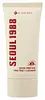
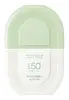
K-Secret Seoul1988 Sun : Pine Tree + Ceramide SPF 50+ Versus Ositree Dynamic Whitening Sunscreen SPF 50+ PA+++
This chemical sunscreen covers the full UV range and blocks ~98% of UVB at SPF 50.
This hybrid sunscreen covers the full UV range and blocks ~98% of UVB at SPF 50.


What's inside
What's inside
 Key Ingredients
Benefits
Concerns
Ingredients Side-by-side
Water
Skin ConditioningPropanediol
Solvent

Dibutyl Adipate
EmollientDiethylamino Hydroxybenzoyl Hexyl Benzoate
UV Filter
Butyloctyl Salicylate
Skin Conditioning
Ethylhexyl Triazone
UV Absorber
Niacinamide
Smoothing










Methylene Bis-Benzotriazolyl Tetramethylbutylphenol
UV Filter
Polymethylsilsesquioxane

Coco-Caprylate/Caprate
Emollient
Caprylyl Methicone
Skin Conditioning
Diethylhexyl Butamido Triazone
UV Absorber
Glycerin
Humectant
Pinus Sylvestris Bud Extract
Perfuming
Butylene Glycol
Humectant
1,2-Hexanediol
Skin Conditioning
Pentylene Glycol
Skin Conditioning
Cardiospermum Halicacabum Flower/Leaf/Vine Extract
Skin ConditioningHedychium Coronarium Root Extract
MaskingEchium Plantagineum Seed Oil
Skin Conditioning


Behenyl Alcohol
Emollient
Poly C10-30 Alkyl Acrylate
Emulsion StabilisingPolyglyceryl-3 Methylglucose Distearate
Emulsifying
Octyldodecanol
Emollient
Decyl Glucoside
Cleansing
Tromethamine
BufferingCarbomer
Emulsion StabilisingAcrylates/C10-30 Alkyl Acrylate Crosspolymer
Emulsion StabilisingSodium Stearoyl Glutamate
CleansingPolyacrylate Crosspolymer-6
Emulsion StabilisingEthylhexylglycerin
Skin ConditioningAdenosine
Skin Conditioning
Helianthus Annuus Seed Oil Unsaponifiables
Emollient
Xanthan Gum
EmulsifyingGlyceryl Caprylate
EmollientTocopherol
Antioxidant

Ceramide NP
Skin Conditioning
Caprylyl Glycol
Emollient
Nonapeptide-1
Skin Conditioning
Acetyl Hexapeptide-8
Humectant
Copper Tripeptide-1
Skin Conditioning
Tripeptide-1
Skin Conditioning
Palmitoyl Tetrapeptide-7
Skin Conditioning
Palmitoyl Tripeptide-1
Skin Conditioning
Palmitoyl Pentapeptide-4
Skin Conditioning
Hexapeptide-9
Skin Conditioning
Water, Propanediol, Dibutyl Adipate, Diethylamino Hydroxybenzoyl Hexyl Benzoate, Butyloctyl Salicylate, Ethylhexyl Triazone, Niacinamide, Methylene Bis-Benzotriazolyl Tetramethylbutylphenol, Polymethylsilsesquioxane, Coco-Caprylate/Caprate, Caprylyl Methicone, Diethylhexyl Butamido Triazone, Glycerin, Pinus Sylvestris Bud Extract, Butylene Glycol, 1,2-Hexanediol, Pentylene Glycol, Cardiospermum Halicacabum Flower/Leaf/Vine Extract, Hedychium Coronarium Root Extract, Echium Plantagineum Seed Oil, Behenyl Alcohol, Poly C10-30 Alkyl Acrylate, Polyglyceryl-3 Methylglucose Distearate, Octyldodecanol, Decyl Glucoside, Tromethamine, Carbomer, Acrylates/C10-30 Alkyl Acrylate Crosspolymer, Sodium Stearoyl Glutamate, Polyacrylate Crosspolymer-6, Ethylhexylglycerin, Adenosine, Helianthus Annuus Seed Oil Unsaponifiables, Xanthan Gum, Glyceryl Caprylate, Tocopherol, Ceramide NP, Caprylyl Glycol, Nonapeptide-1, Acetyl Hexapeptide-8, Copper Tripeptide-1, Tripeptide-1, Palmitoyl Tetrapeptide-7, Palmitoyl Tripeptide-1, Palmitoyl Pentapeptide-4, Hexapeptide-9
Cyclopentasiloxane
Emollient
Water
Skin ConditioningZinc Oxide
Cosmetic Colorant
Ethylhexyl Methoxycinnamate
UV Absorber
Ethylhexyl Salicylate
UV Absorber
Propylene Glycol
Humectant
Polymethyl Methacrylate
Silica
Abrasive
Isododecane
EmollientGlycerin
Humectant
Hexyl Laurate
Emollient
PEG-10 Dimethicone
Skin Conditioning
Trimethylsiloxysilicate
Emollient
Diethylamino Hydroxybenzoyl Hexyl Benzoate
UV Filter
Titanium Dioxide
Cosmetic Colorant
Cetyl PEG/PPG-10/1 Dimethicone
Emulsifying
Phenylbenzimidazole Sulfonic Acid
UV Absorber
Octocrylene
UV Absorber
Disteardimonium Hectorite
StabilisingPhenoxyethanol
Preservative
Ethylhexyl Triazone
UV Absorber
Polyglyceryl-4 Isostearate
Emulsifying
Sodium Chloride
MaskingTriethoxycaprylylsilane
Aminomethyl Propanol
BufferingPropylene Carbonate
SolventBisabolol
Antioxidant
Dimethicone
Emollient
Zingiber Officinale Root Extract
Masking
Methylparaben
Preservative
Sodium Hyaluronate
Humectant
Sodium Ascorbyl Phosphate
Antioxidant
Spirulina Maxima Extract
SmoothingLecithin
Emollient
Parfum
Masking
Cyclopentasiloxane, Water, Zinc Oxide, Ethylhexyl Methoxycinnamate, Ethylhexyl Salicylate, Propylene Glycol, Polymethyl Methacrylate, Silica, Isododecane, Glycerin, Hexyl Laurate, PEG-10 Dimethicone, Trimethylsiloxysilicate, Diethylamino Hydroxybenzoyl Hexyl Benzoate, Titanium Dioxide, Cetyl PEG/PPG-10/1 Dimethicone, Phenylbenzimidazole Sulfonic Acid, Octocrylene, Disteardimonium Hectorite, Phenoxyethanol, Ethylhexyl Triazone, Polyglyceryl-4 Isostearate, Sodium Chloride, Triethoxycaprylylsilane, Aminomethyl Propanol, Propylene Carbonate, Bisabolol, Dimethicone, Zingiber Officinale Root Extract, Methylparaben, Sodium Hyaluronate, Sodium Ascorbyl Phosphate, Spirulina Maxima Extract, Lecithin, Parfum
Reviews
Ingredients Explained
These ingredients are found in both products.
Ingredients higher up in an ingredient list are typically present in a larger amount.
Diethylamino Hydroxybenzoyl Hexyl Benzoate (DHHB) is a chemical UV-A absorber. It is formulated for high UVA protection (320-400 nm).
DHHB is well-liked for:
DHHB has been approved by the EU, Japan, Taiwan, and South America for use up to 10%. Unfortunately, it has not been approved for use in the US or Canada due to slow regulatory processes.
This ingredient is soluble in oils, fats, and lipids.
Learn more about Diethylamino Hydroxybenzoyl Hexyl BenzoateEthylhexyl Triazone (aka Octyl Triazone) is an oil-soluble organic UVB filter. It has peak absorption around 314 nm, right in the middle of the UVB range.
This ingredient is described as one of the most effective UVB filters available and small concentrations are enough to deliver a high SPF thanks to its strong UV absorbing power.
Formulators love it for its stability; its ability to filter UV stays practically unchanged even under intense radiation and it can also help boost the photostability of less stable filters like avobenzone.
It's also a great pick for water resistant products because it's insoluble in water and has a good affinity for keratin.
Because it's a big, heavy molecule, the European Scientific Committee has found to to have very low dermal penetration and negative results for allergenicity.
In vitro testing also showed a low absorption rate and clean results on irritation.
Typical use levels are 1-5% with 5% being the maximum in the EU, Japan, and other markets that allow it. However, this ingredient is not approved yet in the US or Canada.
Learn more about Ethylhexyl TriazoneGlycerin (or glycerol) is a compound naturally found in your skin. It's a powerhouse humectant that pulls water into the stratum corneum.
Topically, glycerin does several things at once:
Your skin makes glycerin on its own (mostly from sebaceous oil breakdown) and shuttles it to your outermost layer of skin, or your epidermis, via aquaporin-3.
Aquaporin-3 is a transporter that is essential for normal skin hydration, elasticity, and repair. Interestingly, mice lacking in AQP3 have dry and less elastic skin that can be fully corrected with glycerin.
This ingredient is non-irritating, plays well with almost every ingredient, and works across all skin types. Typical use is anywhere between 3-10% but can go up to 79% in some leave-on products.
Just know very high concentrations (>40%) can feel tacky in low humidity.
Glycerin is the name for this ingredient in American English. British English uses Glycerol/Glycerine.
Learn more about GlycerinWater. It's the most common cosmetic ingredient of all. You'll usually see it at the top of ingredient lists, meaning that it makes up the largest part of the product.
So why is it so popular? Water most often acts as a solvent - this means that it helps dissolve other ingredients into the formulation.
You'll also recognize water as that liquid we all need to stay alive. If you see this, drink a glass of water. Remember to stay hydrated!
Learn more about Water

