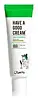
This barrier-repair moisturizer is formulated around Squalane and Centella Asiatica Extract to strengthen the skin barrier and calm redness.
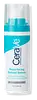
This smoothing serum is formulated around Niacinamide and Retinol to refine skin texture and fade the look of dark spots.


What's inside
What's inside
 Key Ingredients
Benefits
Concerns
Ingredients Side-by-side
Water
Skin ConditioningCetyl Ethylhexanoate
EmollientButylene Glycol
Humectant

Glycerin
Humectant
Squalane
Emollient
Centella Asiatica Extract 1.05%
Cleansing


Bacillus Ferment
Skin Conditioning

1,2-Hexanediol
Skin Conditioning
Dicaprylyl Carbonate
EmollientCetearyl Alcohol
Emollient




Cetearyl Olivate
Trehalose
Humectant
Arachidyl Alcohol
Emollient
Dimethicone
Emollient
Sorbitan Olivate
Emulsifying
Arginine
Masking
Carbomer
Emulsion StabilisingPanthenol
Skin Conditioning
Caprylyl Glycol
Emollient
Behenyl Alcohol
Emollient
Hydrogenated Lecithin
Emulsifying
Arachidyl Glucoside
EmulsifyingSimmondsia Chinensis Seed Oil
Emollient
Macadamia Ternifolia Seed Oil
Emollient
Ethylhexylglycerin
Skin ConditioningAllantoin
Skin Conditioning
Dimethicone/Vinyl Dimethicone Crosspolymer
Skin Conditioning
Sodium Hyaluronate
Humectant
Mentha Haplocalix Extract
MaskingSnail Secretion Filtrate 0.025%
Skin Conditioning
Menthyl Lactate
Masking
Disodium EDTA
ChelatingBackhousia Citriodora Leaf Oil
Masking


Phenoxyethanol
Preservative
Asiaticoside
Antioxidant
Madecassic Acid
Skin Conditioning
Asiatic Acid
Skin Conditioning
Beta-Glucan
Skin Conditioning
Citral
Perfuming
Water, Cetyl Ethylhexanoate, Butylene Glycol, Glycerin, Squalane, Centella Asiatica Extract 1.05%, Bacillus Ferment, 1,2-Hexanediol, Dicaprylyl Carbonate, Cetearyl Alcohol, Cetearyl Olivate, Trehalose, Arachidyl Alcohol, Dimethicone, Sorbitan Olivate, Arginine, Carbomer, Panthenol, Caprylyl Glycol, Behenyl Alcohol, Hydrogenated Lecithin, Arachidyl Glucoside, Simmondsia Chinensis Seed Oil, Macadamia Ternifolia Seed Oil, Ethylhexylglycerin, Allantoin, Dimethicone/Vinyl Dimethicone Crosspolymer, Sodium Hyaluronate, Mentha Haplocalix Extract, Snail Secretion Filtrate 0.025%, Menthyl Lactate, Disodium EDTA, Backhousia Citriodora Leaf Oil, Phenoxyethanol, Asiaticoside, Madecassic Acid, Asiatic Acid, Beta-Glucan, Citral
Water
Skin ConditioningPropanediol
Solvent
Dimethicone
Emollient
Cetearyl Ethylhexanoate
Emollient
Niacinamide
Smoothing





Ammonium Polyacryloyldimethyl Taurate
Emulsion StabilisingDipotassium Glycyrrhizate
Humectant
Hydrogenated Lecithin
Emulsifying
Potassium Phosphate
BufferingCeramide NP
Skin Conditioning
Ceramide AP
Skin Conditioning
Ceramide EOP
Skin Conditioning
Carbomer
Emulsion StabilisingCetearyl Alcohol
Emollient
Behentrimonium Methosulfate
SurfactantDimethiconol
Emollient
Lecithin
Emollient
Sodium Citrate
BufferingRetinol
Skin Conditioning
Sodium Hyaluronate
Humectant
Sodium Lauroyl Lactylate
EmulsifyingCholesterol
Emollient
Phenoxyethanol
Preservative
Alcohol
Antimicrobial

Isopropyl Myristate
Emollient
Caprylyl Glycol
Emollient
Citric Acid
Buffering
Trisodium Ethylenediamine Disuccinate
ChelatingPentylene Glycol
Skin Conditioning
Phytosphingosine
Skin Conditioning
Xanthan Gum
EmulsifyingPolysorbate 20
Emulsifying
Ethylhexylglycerin
Skin ConditioningWater, Propanediol, Dimethicone, Cetearyl Ethylhexanoate, Niacinamide, Ammonium Polyacryloyldimethyl Taurate, Dipotassium Glycyrrhizate, Hydrogenated Lecithin, Potassium Phosphate, Ceramide NP, Ceramide AP, Ceramide EOP, Carbomer, Cetearyl Alcohol, Behentrimonium Methosulfate, Dimethiconol, Lecithin, Sodium Citrate, Retinol, Sodium Hyaluronate, Sodium Lauroyl Lactylate, Cholesterol, Phenoxyethanol, Alcohol, Isopropyl Myristate, Caprylyl Glycol, Citric Acid, Trisodium Ethylenediamine Disuccinate, Pentylene Glycol, Phytosphingosine, Xanthan Gum, Polysorbate 20, Ethylhexylglycerin
Reviews
Ingredients Explained
These ingredients are found in both products.
Ingredients higher up in an ingredient list are typically present in a larger amount.
Caprylyl Glycol is a humectant, skin conditioner, emollient, and preservative booster derived from either caprylic acid or synthetically created.
Typical use levels vary from 0.3-1% as a preservative booster and go up to 2% to condition skin.
Because it is not a free-fatty acid, this ingredient is fungal acne safe (there's nothing for Malassezia to feed on).
Learn more about Caprylyl GlycolCarbomer is a synthetic thickening and gelling agent. It's basically the ingredient that gives a lot of serums, gels, creams, and sunscreens their smooth, non-sticky texture.
Although legally permitted at very high levels, carbomers are normally used at concentrations below 1%.
It also needs to be neutralized to actually thicken, and because it is a large molecule, it doesn't really penetrate the skin barrier.
Allergy-wise, the risk is very low. Clinical studies show carbomers have low potential for skin irritation/sensitization even at concentrations up to 100%.
A 2024 UK study patch-tested 1,302 patients and found true allergy to the parent group of carbomer to be rare with no confirmed relevant reactions.
Learn more about CarbomerCetearyl alcohol is a waxy mixture of two fatty alcohols: cetyl alcohol and stearyl alcohol. It is an emollient and emulsifier.
Despite having "alcohol" in its name, it has nothing to do with drying solvent alcohols; the FDA also allows "alcohol-free" products to contain fatty alcohols like this ingredient.
It plays several roles in a formula:
Typical use levels for this ingredient sit around 1-10% and the Cosmetic Ingredient Review Expert Panel has affirmed safety at concentrations up to 25% in leave-on products.
Multiple assessments have found it to be non-irritating and non-sensitizing to most people.
However, there have been some cases of allergic contact dermatitis in patients with chronically compromised skin barriers.
Cetearyl alcohol has a comedogenic rating of 2 and irritancy rating of 1. Both of these numbers come from the 1989 study that used rabbit ears; a "2" means mildly comedogenic and a "1" means low irritancy.
Here's the catch: rabbit skin is more sensitive than human skin and throws a lot of false positives. A 1996 reappraisal found that ingredients rated 1-2 in the rabbit ear tests are generally safe for humans.
Remember comedogenic ratings are unable to assess the entire formula of a product or how it will react on your skin. Just be sure to patch test if you are unsure about certain ingredients.
This ingredient is not fungal acne safe. Cetearyl alcohol is a fatty alcohol with chain lengths that fall within the range that Malassezia can metabolize.
A 2019 study has also observed Malassezia growth in the presence of this ingredient, confirming it to be not-fungal acne safe.
Learn more about Cetearyl AlcoholDimethicone is a type of synthetic silicone created from natural materials such as quartz. It is also known as polydimethylsiloxane.
What it does:
Dimethicone comes in different viscosities:
Depending on the viscosity, dimethicone has different properties.
Ingredients lists don't always show which type is used, so we recommend reaching out to the brand if you have questions about the viscosity.
This ingredient is unlikely to cause irritation because it does not get absorbed into skin. However, people with silicone allergies should be careful about using this ingredient.
Note: Dimethicone may contribute to pilling. This is because it is not oil or water soluble, so pilling may occur when layered with products. When mixed with heavy oils in a formula, the outcome is also quite greasy.
Learn more about DimethiconeEthylhexylglycerin is created from glycerin. It is a multitasker ingredient that:
The CIR Expert Panel found minimal skin absorption or sensitization of any kind in a safety assessment. Though this ingredient is considered well-tolerated, a small number of cases of allergic dermatitis have been published since 2002. Just be sure to patch test if you are unsure.
Industry-reported use ranges from 8% in rinse-off products and 2% in leave-on formulations.
Learn more about EthylhexylglycerinHydrogenated Lecithin is a more stable version of lecithin.
It's made by taking lecithin (a phospholipid commonly found in soybeans and egg yolks) and hydrogenating it. This just means the unsaturated fatty acids are turned into saturated ones so they don't go bad as easily.
This ingredient is an emollient, emulsifier, and penetration enhancer. As an emollient, it helps soften and hydrate skin by trapping moisture within. As an emulsifier, it prevents oil and water ingredients from separating.
Hydrogenated Lecithin can form tiny spherical structures made of phospholipid bilayers called liposomes. These liposomes are able to capture compounds inside their structure and deliver them through the skin barrier.
Because phospholipids are a natural component of our cell membranes, this ingredient is inherently compatible with skin.
A 2021 study found lecithin-based surfactants were less harsh and more tolerable comared to Sodium Lauryl Sulfate (SLS).
Learn more about Hydrogenated LecithinPhenoxyethanol is one of the most widely used preservatives in skincare (and for good reason!).
It has a large spectrum of antimicrobial activity and especially effective bacteria, yeast, and mold while only having a weak effect on your skin's natural microbiome.
On a cellular level, it disrupts the cell membranes of microbes by poking holes that make the cell leak. This shuts down the chemical reactions the microbe needs to make energy so it can no longer survive.
Another perk of this ingredient is that it stays functional across a wide pH range (3-10).
You'll often see it paired with boosters like Ethylhexylglycerin; one study showed that a 1:9 ratio of Ethylhexylglycerin to Phenoxyethanol damages bacterial membranes as effectively as doubling the Phenoxyethanol concentration on its own.
Typical use concentrations range from 0.3-1% depending on the formula, and this ingredient is capped at 1% int the EU.
Safety-wise, the fear mongering does not hold up to the evidence. The EU's Scientific Committee on Consumer Safety and FDA consider it safe as a preservative at up to 1%, including for children of all ages.
Adverse systemic effects only showed up in animal studies at exposures roughly 200x higher than what people get from cosmetics. And despite its very widespread use, this ingredient is a rare sensitizer and allergic reactions are uncommon.
Learn more about PhenoxyethanolSodium Hyaluronate is the salt form of hyaluronic acid. It is a long sugar chain that is naturally found in your skin, joints, and connective tissue that maintains hydration and elasticity.
In skincare, it works as a humectant. It pulls water from the environment and deeper layers of skin and binds it to the surface.
Interestingly, the size of the molecule affects its behavior:
Some clinical evidence links low molecular weight versions to improved wrinkle depth, elasticity, anti-inflammatory effects, and barrier repair.
Many serums use a blend of both weights so you can get surface hydration plus longer-lasting and deeper effects.
You'll typically see concentrations between 0.1-2% for this ingredient.
Learn more about Sodium HyaluronateWater. It's the most common cosmetic ingredient of all. You'll usually see it at the top of ingredient lists, meaning that it makes up the largest part of the product.
So why is it so popular? Water most often acts as a solvent - this means that it helps dissolve other ingredients into the formulation.
You'll also recognize water as that liquid we all need to stay alive. If you see this, drink a glass of water. Remember to stay hydrated!
Learn more about Water

