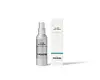
This hydrating serum is formulated around Sodium Hyaluronate and Sodium Hyaluronate Crosspolymer to hydrate skin and soften the look of wrinkles.
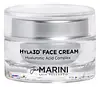
This anti-aging moisturizer is formulated around Sodium Hyaluronate and Sodium Hyaluronate Crosspolymer to soften the look of wrinkles and hydrate skin.

What's inside
What's inside
 Key Ingredients
Benefits
Concerns
Ingredients Side-by-side
Water
Skin ConditioningGlycerin
Humectant


Acrylates/C10-30 Alkyl Acrylate Crosspolymer
Emulsion StabilisingSodium Hyaluronate
Humectant


Sodium Hyaluronate Crosspolymer
Humectant
Saccharomyces Lysate Extract
Humectant

Oligopeptide-24
Skin Conditioning
Ubiquinone
Antioxidant
Calcium Ketogluconate
Skin ConditioningPeucedanum Graveolens Extract
TonicPanthenol
Skin Conditioning
Lecithin
Emollient
Hydrogenated Lecithin
Emulsifying
Tocopherol
Antioxidant


Butylene Glycol
Humectant
Dimethicone/Vinyl Dimethicone Crosspolymer
Skin Conditioning
Xanthan Gum
EmulsifyingCaprylic/Capric Triglyceride
Masking
Glycine Soja Oil
Emollient



Sodium Hydroxide
BufferingPotassium Phosphate
BufferingPentylene Glycol
Skin Conditioning
Ethylhexylglycerin
Skin ConditioningCaprylyl Glycol
Emollient
Sodium Oleate
CleansingCitric Acid
Buffering
Isoceteth-10
EmulsifyingSilica
Abrasive


Lactobacillus Ferment
Skin Conditioning
Alcohol
Antimicrobial


Hexylene Glycol
EmulsifyingDisodium EDTA
Phenoxyethanol
Preservative
Water, Glycerin, Acrylates/C10-30 Alkyl Acrylate Crosspolymer, Sodium Hyaluronate, Sodium Hyaluronate Crosspolymer, Saccharomyces Lysate Extract, Oligopeptide-24, Ubiquinone, Calcium Ketogluconate, Peucedanum Graveolens Extract, Panthenol, Lecithin, Hydrogenated Lecithin, Tocopherol, Butylene Glycol, Dimethicone/Vinyl Dimethicone Crosspolymer, Xanthan Gum, Caprylic/Capric Triglyceride, Glycine Soja Oil, Sodium Hydroxide, Potassium Phosphate, Pentylene Glycol, Ethylhexylglycerin, Caprylyl Glycol, Sodium Oleate, Citric Acid, Isoceteth-10, Silica, Lactobacillus Ferment, Alcohol, Hexylene Glycol, Disodium EDTA, Phenoxyethanol
Water
Skin ConditioningGlycerin
Humectant
Cetyl Ricinoleate
Emollient
Hexyl Laurate
Emollient
Oryza Sativa Bran Extract
Skin Conditioning
Cetyl Alcohol
Emollient
Glyceryl Stearate
Emollient
PEG-100 Stearate
Surfactant
Polysorbate 20
Emulsifying
Palmitic Acid
Emollient
Sodium Hyaluronate
Humectant
Helianthus Annuus Seed Oil
Emollient
Sodium Hyaluronate Crosspolymer
Humectant
Aloe Barbadensis Leaf Juice
Skin Conditioning
Oligopeptide-24
Skin Conditioning
Oryza Sativa Bran Oil
Emollient
Citrullus Lanatus Fruit Extract
Skin Conditioning
Lens Esculenta Fruit Extract
Skin ConditioningPyrus Malus Fruit Extract
Skin Conditioning
Sodium Lactate
Buffering
Sodium PCA
Humectant
Arnica Montana Flower Extract
Masking
Cucumis Sativus Fruit Extract
Emollient
Anacyclus Pyrethrum Root Extract
Skin ConditioningTetrahydrodiferuloylmethane
Antioxidant
Tocotrienols
Skin Conditioning
Tocopherol
Antioxidant
Glycine Soja Oil
Emollient
Hydrogenated Lecithin
Emulsifying
Sodium Oleate
CleansingCetyl Esters
Emollient
Potassium Phosphate
BufferingAlcohol
Antimicrobial
Lecithin
Emollient
Stearic Acid
Cleansing
Retinyl Palmitate/Carrot Polypeptide
Skin Conditioning

Sorbitan Stearate
Emulsifying
Carbomer
Emulsion StabilisingTriethanolamine
BufferingDiethanolamine
BufferingParfum
Masking
Linalool
Perfuming
Geraniol
Perfuming
Benzyl Salicylate
Perfuming
Eugenol
Perfuming
Amyl Cinnamal
Perfuming
Maltodextrin
Absorbent
Acacia Senegal Gum
MaskingCaprylic/Capric Triglyceride
Masking
Sucrose
Humectant
Sodium Ascorbate
Antioxidant

Silica
Abrasive
Ascorbic Acid
Antioxidant
Hydrolyzed Elastin
EmollientMyristic Acid
Cleansing
Hexylene Glycol
EmulsifyingCaprylyl Glycol
Emollient
Ethylhexylglycerin
Skin ConditioningPentylene Glycol
Skin Conditioning
Potassium Sorbate
Preservative
Sodium Benzoate
Masking
Hydrolyzed Wheat Protein
Skin ConditioningBenzyl Alcohol
Perfuming
Disodium EDTA
Phenoxyethanol
Preservative
CI 40800
Cosmetic ColorantWater, Glycerin, Cetyl Ricinoleate, Hexyl Laurate, Oryza Sativa Bran Extract, Cetyl Alcohol, Glyceryl Stearate, PEG-100 Stearate, Polysorbate 20, Palmitic Acid, Sodium Hyaluronate, Helianthus Annuus Seed Oil, Sodium Hyaluronate Crosspolymer, Aloe Barbadensis Leaf Juice, Oligopeptide-24, Oryza Sativa Bran Oil, Citrullus Lanatus Fruit Extract, Lens Esculenta Fruit Extract, Pyrus Malus Fruit Extract, Sodium Lactate, Sodium PCA, Arnica Montana Flower Extract, Cucumis Sativus Fruit Extract, Anacyclus Pyrethrum Root Extract, Tetrahydrodiferuloylmethane, Tocotrienols, Tocopherol, Glycine Soja Oil, Hydrogenated Lecithin, Sodium Oleate, Cetyl Esters, Potassium Phosphate, Alcohol, Lecithin, Stearic Acid, Retinyl Palmitate/Carrot Polypeptide, Sorbitan Stearate, Carbomer, Triethanolamine, Diethanolamine, Parfum, Linalool, Geraniol, Benzyl Salicylate, Eugenol, Amyl Cinnamal, Maltodextrin, Acacia Senegal Gum, Caprylic/Capric Triglyceride, Sucrose, Sodium Ascorbate, Silica, Ascorbic Acid, Hydrolyzed Elastin, Myristic Acid, Hexylene Glycol, Caprylyl Glycol, Ethylhexylglycerin, Pentylene Glycol, Potassium Sorbate, Sodium Benzoate, Hydrolyzed Wheat Protein, Benzyl Alcohol, Disodium EDTA, Phenoxyethanol, CI 40800
Ingredients Explained
These ingredients are found in both products.
Ingredients higher up in an ingredient list are typically present in a larger amount.
This ingredient is also called ethanol or ethyl alcohol. It is denatured, meaning made undrinkable for cosmetic use.
In formulas, it:
Is it bad for your skin?
The answer comes down to concentration. Patch and wash studies have found highly concentrated alcohol-based hand rubs (60-100%) cause less barrier disruption than washing with a basic detergent like SLS. The only measurable effect in these studies was a temporary dip in skin hydration.
Concentrations below 12-15% in leave-on cosmetics is generally well-tolerated. Concentrations above start to see increased transepidermal water loss (TEWL) and reduced hydration.
In concentrations about 58%, it creates temporary channels in your skin's lipid layers to become more permeable and allow other ingredients to slip through easily.
This ingredient can be up to 80% of the formula in alcohol-based perfumes.
Overall, this ingredient is probably harmless if found lower down an ingredients list but worth side-eyeing if it's high up (especially if your barrier is already struggling).
Alcohol can worsen dry skin, eczema, and oily skin, especially at higher concentrations. This is because it can increase transepidermal water loss and decrease hydration to disrupt the skin barrier.
According to the National Rosacea Society based in the US, you should be mindful of products with these alcohols in the top half of ingredients.
True allergic contact dermatitis to ethanol is uncommon, but be sure to patch test if you have dry or sensitive skin.
Learn more about AlcoholCaprylic/Capric Triglyceride (aka MCT Oil) is a lightweight emollient, solvent, and texture enhancer. It is considered a skin-softener by helping to prevent moisture loss.
Though it behaves like an oil, it is not technically one due to its chemical composition. One perk of this ingredient is that it is very stable, resistant to oxidation, and unlikely to go rancid.
In practice, that translates to a long shelf life and a consistently elegant skin feel.
While there is an assumption Caprylic Triglyceride can clog pores due to it being derived from coconut oil, there is no research supporting this. Just patch test if you have concerns.
Fractionated coconut oil and MCT Oil are both listed as Caprylic/Capric Triglyceride according to INCI. This is because INCI names are based on the ingredient’s final chemical composition and not its marketing name or source.
This ingredient is treated as the gold standard fungal acne safe oil. Even though it is coconut derived, the problematic lauric acid is stripped out.
This leaves just caprylic (C8) and capric (C10) acid. These chain lengths actually trend antifungal; a 2020 study found caprylic acid was enough to disrupt Malassezia furfur cell membrane, with a caprylic acid derivative damaging membrane structures at concentrations as low as 0.2%.
Learn more about Caprylic/Capric TriglycerideCaprylyl Glycol is a humectant, skin conditioner, emollient, and preservative booster derived from either caprylic acid or synthetically created.
Typical use levels vary from 0.3-1% as a preservative booster and go up to 2% to condition skin.
Because it is not a free-fatty acid, this ingredient is fungal acne safe (there's nothing for Malassezia to feed on).
Learn more about Caprylyl GlycolDisodium EDTA is a chelating agent. It grabs onto and deactivates metal ions that sneak into your products from water, packaging, or air.
This ingredient mainly works behind the scenes and helps with:
On top of that, this ingredient can counteract the effects of hard water by binding to the minerals in it.
One thing worth knowing is that Disodium EDTA has been shown to be a mild penetration enhancer. It can help other ingredients absorb into skin more effectively which can be a double-edged sword (great for actives, but can also make the active too strong if you have sensitive skin).
Clinical patch testing showed no significant skin irritation at typical use concentrations and minimal dermal absorption.
You'll most likely see this ingredient near the end of an ingredient list. It's typically found in concentrations less than 1%.
Learn more about Disodium EDTAEthylhexylglycerin is created from glycerin. It is a multitasker ingredient that:
The CIR Expert Panel found minimal skin absorption or sensitization of any kind in a safety assessment. Though this ingredient is considered well-tolerated, a small number of cases of allergic dermatitis have been published since 2002. Just be sure to patch test if you are unsure.
Industry-reported use ranges from 8% in rinse-off products and 2% in leave-on formulations.
Learn more about EthylhexylglycerinGlycerin (or glycerol) is a compound naturally found in your skin. It's a powerhouse humectant that pulls water into the stratum corneum.
Topically, glycerin does several things at once:
Your skin makes glycerin on its own (mostly from sebaceous oil breakdown) and shuttles it to your outermost layer of skin, or your epidermis, via aquaporin-3.
Aquaporin-3 is a transporter that is essential for normal skin hydration, elasticity, and repair. Interestingly, mice lacking in AQP3 have dry and less elastic skin that can be fully corrected with glycerin.
This ingredient is non-irritating, plays well with almost every ingredient, and works across all skin types. Typical use is anywhere between 3-10% but can go up to 79% in some leave-on products.
Just know very high concentrations (>40%) can feel tacky in low humidity.
Glycerin is the name for this ingredient in American English. British English uses Glycerol/Glycerine.
Learn more about GlycerinGlycine Soja Oil is a plant-derived oil from soybean seeds. Like other oils, it is rich in essential fatty acids (mostly linoleic and oleic) that support skin hydration and barrier function.
The fatty acids are able to integrate into the lipid matrix of the stratum corneum to help soften skin and reduce water loss.
On top of that, soybean oil is rich in vitamins like vitamin E, a potent antioxidant.
Research on soybean's active components also point to anti-inflammatory, collagen-stimulating, antioxidant activity, and protection against UV-induced oxidative damage.
Most of this research applies to the broader soybean plant and not just the oil fraction alone.
This ingredient may not be fungal acne safe due to the oleic acid content.
Learn more about Glycine Soja OilHexylene Glycol is a multitasker ingredient that works as a solvent, humectant, emulsifier, viscosity reducer, and preservative booster.
It is able to dissolve both water and oil-soluble ingredients to stabilize tricky actives and make products spread more easily.
As a humectant, it pulls water into the skin. But it's a pretty minor moisturizing ingredient compared to other humectants, like glycerin.
Interestingly, it can act as a mild penetration enhancer. One in vitro study on human skin found a 12% concentration upped the absorption of mometasone furoate (a medicinal ingredient used to treat inflammatory skin conditions) up to 7%.
This ingredient is typically used at levels of 0.1-10% depending on the role it's playing.
A patch test study on eczema patients didn't find a significant increase in irritation versus the control group, but the potential for irritation rises at higher concentrations.
Learn more about Hexylene GlycolHydrogenated Lecithin is a more stable version of lecithin.
It's made by taking lecithin (a phospholipid commonly found in soybeans and egg yolks) and hydrogenating it. This just means the unsaturated fatty acids are turned into saturated ones so they don't go bad as easily.
This ingredient is an emollient, emulsifier, and penetration enhancer. As an emollient, it helps soften and hydrate skin by trapping moisture within. As an emulsifier, it prevents oil and water ingredients from separating.
Hydrogenated Lecithin can form tiny spherical structures made of phospholipid bilayers called liposomes. These liposomes are able to capture compounds inside their structure and deliver them through the skin barrier.
Because phospholipids are a natural component of our cell membranes, this ingredient is inherently compatible with skin.
A 2021 study found lecithin-based surfactants were less harsh and more tolerable comared to Sodium Lauryl Sulfate (SLS).
Learn more about Hydrogenated LecithinLecithin is a term for a group of substances found in the cell membranes of plants, animals, and humans. They are made up of phospholipids.
Thanks to its amphiphilic structure (water-loving head and oil-loving tail), it is a true multitasker:
It plays well with most ingredients and is typically used at 0.1-1%. However, concentrations up to 50% have been reported in moisturizers.
Learn more about LecithinOligopeptide-24 is a peptide.
Pentylene Glycol (1,2-pentanediol) is a multitasking little diol with three main roles in a formula:
Research on alkanediols (the family pentylene glycol belongs to) show they work by disrupting microbial cell membranes. This disruption helps the primary preservative system in a product work more effectively at lower doses.
On the safety side, the Cosmetic Ingredient Review Expert Panel has concluded this ingredient to be safe as used in current cosmetic practices + concentrations.
Typical use levels in a formula run about 1-5%.
Learn more about Pentylene GlycolPhenoxyethanol is one of the most widely used preservatives in skincare (and for good reason!).
It has a large spectrum of antimicrobial activity and especially effective bacteria, yeast, and mold while only having a weak effect on your skin's natural microbiome.
On a cellular level, it disrupts the cell membranes of microbes by poking holes that make the cell leak. This shuts down the chemical reactions the microbe needs to make energy so it can no longer survive.
Another perk of this ingredient is that it stays functional across a wide pH range (3-10).
You'll often see it paired with boosters like Ethylhexylglycerin; one study showed that a 1:9 ratio of Ethylhexylglycerin to Phenoxyethanol damages bacterial membranes as effectively as doubling the Phenoxyethanol concentration on its own.
Typical use concentrations range from 0.3-1% depending on the formula, and this ingredient is capped at 1% int the EU.
Safety-wise, the fear mongering does not hold up to the evidence. The EU's Scientific Committee on Consumer Safety and FDA consider it safe as a preservative at up to 1%, including for children of all ages.
Adverse systemic effects only showed up in animal studies at exposures roughly 200x higher than what people get from cosmetics. And despite its very widespread use, this ingredient is a rare sensitizer and allergic reactions are uncommon.
Learn more about PhenoxyethanolPotassium Phosphate is the term for the salts of potassium and phosphate ions. Our bodies naturally create and use potassium phosphate.
In cosmetics, potassium phosphate is used to adjust the pH level of products. Our skin has a natural pH level. Maintaining this pH level is important for our skin barrier. If the skin barrier is disrupted, our skin can experience dehydration and irritation.
This ingredient is used in medicine to help treat low blood levels of phosphorus.
Learn more about Potassium PhosphateSilica, also known as silicon dioxide, is a naturally occurring mineral. It is used as a fine, spherical, and porous powder in cosmetics.
Though it has exfoliant properties, the function of silica varies depending on the product.
The unique structure of silica enhances the spreadability and adds smoothness, making it a great texture enhancer.
It is also used as an active carrier, emulsifier, and mattifier due to its ability to absorb excess oil.
In some products, tiny microneedles called spicules are made from silica or hydrolyzed sponge. When you rub them in, they lightly polish away dead skin layers and enhance the penetration of active ingredients.
Learn more about SilicaSodium Hyaluronate is the salt form of hyaluronic acid. It is a long sugar chain that is naturally found in your skin, joints, and connective tissue that maintains hydration and elasticity.
In skincare, it works as a humectant. It pulls water from the environment and deeper layers of skin and binds it to the surface.
Interestingly, the size of the molecule affects its behavior:
Some clinical evidence links low molecular weight versions to improved wrinkle depth, elasticity, anti-inflammatory effects, and barrier repair.
Many serums use a blend of both weights so you can get surface hydration plus longer-lasting and deeper effects.
You'll typically see concentrations between 0.1-2% for this ingredient.
Learn more about Sodium HyaluronateSodium Hyaluronate Crosspolymer is a crosslinked version of sodium hyaluronate. This just means it's linked into a 3D mesh network that lets it be more stable and sit on skin as a cohesive, gel-like film rather than sinking into skin.
A 2016 human skin study found crosslinked HA increased epidermal water content by 7.6% over the control group and reduced transepidermal water loss by 27.8%.
A follow-up clinical trial found that a topical crosslinked HA serum applied after fillers, microneedling, or chemical peels was well-tolerated and enhanced skin quality at 14 / 28 days.
More recent research suggests that concentrations as low as 0.03% can act as a penetration enhancer for other skincare actives.
Learn more about Sodium Hyaluronate CrosspolymerWe don't have a description for Sodium Oleate yet.
Tocopherol is a fat-soluble antioxidant known as Vitamin E.
You'll find this ingredient in the vast majority of skincare (for good reason). It works to neutralize free radicals, or unstable molecules generated by UV exposure, pollution, and other environmental stressors, before they can cause oxidative damage to your skin cells.
Topically applied tocopherol has been shown to protect against UV damage by ramping up the skin's own natural defense enzymes.
It also acts as a skin conditioning agent; some studies show that regular topical use can improve the skin's water-binding capacity over 2-4 weeks.
This ingredient is especially loved for being a team player. When combined with Vitamin C, the photoprotective effect of both ingredients roughly doubles and the combo also helps reduce UV-induced DNA damage.
This ingredient has some brightening potential but it's more of a prevention ingredient than spot-fader. Cell studies show it can slow down melanin production but it's worth noting that it's not the most powerful brightener out there.
In formulations, it also serves as a stabilizer that helps protect other oxidation-prone ingredients from degrading.
Concentrations usually range from 0.1-1% in most leave-on products.
Learn more about TocopherolWater. It's the most common cosmetic ingredient of all. You'll usually see it at the top of ingredient lists, meaning that it makes up the largest part of the product.
So why is it so popular? Water most often acts as a solvent - this means that it helps dissolve other ingredients into the formulation.
You'll also recognize water as that liquid we all need to stay alive. If you see this, drink a glass of water. Remember to stay hydrated!
Learn more about Water

