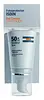
This chemical sunscreen covers the full UV range and blocks ~98% of UVB at SPF 50.
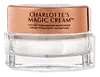
This anti-aging moisturizer is formulated around Butyrospermum Parkii Butter and Sodium Hyaluronate to soften the look of wrinkles and hydrate skin.


What's inside
What's inside
 Key Ingredients
Benefits
Concerns
Ingredients Side-by-side
Water
Skin ConditioningAlcohol Denat.
Antimicrobial




Octocrylene
UV Absorber

C12-15 Alkyl Benzoate
AntimicrobialButyl Methoxydibenzoylmethane
UV Absorber
Dibutyl Adipate
EmollientTalc
Abrasive
Bis-Ethylhexyloxyphenol Methoxyphenyl Triazine
UV Absorber
Cyclopentasiloxane
Emollient
Tromethamine
BufferingCyclohexasiloxane
Emollient
Ammonium Acryloyldimethyltaurate/Vp Copolymer
Cellulose
Absorbent
Methylene Bis-Benzotriazolyl Tetramethylbutylphenol
UV Filter
Phenylbenzimidazole Sulfonic Acid
UV Absorber
Polymethylsilsesquioxane
Polyacrylamide
PEG-40 Hydrogenated Castor Oil
Emulsifying

C13-14 Isoparaffin
Emollient
Carbomer
Emulsion StabilisingPanthenol
Skin Conditioning




Tocopheryl Acetate
Antioxidant


Parfum
Masking

Decyl Glucoside
Cleansing
Xanthan Gum
EmulsifyingAcrylates/C10-30 Alkyl Acrylate Crosspolymer
Emulsion StabilisingDisodium EDTA
Laureth-7
EmulsifyingBHT
Antioxidant
Sodium Lauroyl Glutamate
SurfactantLinalool
Perfuming
Lysine
Skin ConditioningPropylene Glycol
Humectant
Magnesium Chloride
Water, Alcohol Denat., Octocrylene, C12-15 Alkyl Benzoate, Butyl Methoxydibenzoylmethane, Dibutyl Adipate, Talc, Bis-Ethylhexyloxyphenol Methoxyphenyl Triazine, Cyclopentasiloxane, Tromethamine, Cyclohexasiloxane, Ammonium Acryloyldimethyltaurate/Vp Copolymer, Cellulose, Methylene Bis-Benzotriazolyl Tetramethylbutylphenol, Phenylbenzimidazole Sulfonic Acid, Polymethylsilsesquioxane, Polyacrylamide, PEG-40 Hydrogenated Castor Oil, C13-14 Isoparaffin, Carbomer, Panthenol, Tocopheryl Acetate, Parfum, Decyl Glucoside, Xanthan Gum, Acrylates/C10-30 Alkyl Acrylate Crosspolymer, Disodium EDTA, Laureth-7, BHT, Sodium Lauroyl Glutamate, Linalool, Lysine, Propylene Glycol, Magnesium Chloride
Water
Skin ConditioningC12-15 Alkyl Benzoate
AntimicrobialGlyceryl Stearate Se
Emulsifying
Butylene Glycol
Humectant
Glycerin
Humectant
Isononyl Isononanoate
EmollientCaprylic/Capric Triglyceride
Masking
Cetyl Alcohol
Emollient
Ethylhexyl Palmitate
Emollient
Cyclopentasiloxane
Emollient
Dimethicone
Emollient
Polyester-7
Skin ConditioningPhenoxyethanol
Preservative
Neopentyl Glycol Diheptanoate
EmollientHydrogenated Rapeseed Oil
Emollient
Butyrospermum Parkii Butter
Skin Conditioning
Steareth-21
CleansingAvena Sativa Kernel Extract
Abrasive
Carbomer
Emulsion StabilisingDimethiconol
Emollient
Potassium Cetyl Phosphate
EmulsifyingChlorphenesin
Antimicrobial
Caprylyl Glycol
Emollient
Xanthan Gum
EmulsifyingHydrolyzed Viola Tricolor Extract
Skin ProtectingAllantoin
Skin Conditioning
Aloe Barbadensis Leaf Juice Powder
Skin Conditioning
Disodium EDTA
Tocopheryl Acetate
Antioxidant
Camellia Oleifera Seed Oil
Skin Conditioning
Rosa Canina Fruit Oil
Emollient
Rosa Damascena Extract
MaskingSodium Hydroxide
BufferingHelianthus Annuus Seed Oil
Emollient
Michelia Alba Leaf Oil
Masking
Sodium Lactate
Buffering
PEG-8
HumectantEthylhexylglycerin
Skin ConditioningCoco-Glucoside
Cleansing
Sodium Hyaluronate
Humectant

Tocopherol
Antioxidant
Ascorbyl Palmitate
Antioxidant
Plumeria Rubra Flower Extract
Skin ConditioningAscorbic Acid
Antioxidant
Citric Acid
Buffering
Palmitoyl Tripeptide-1
Skin Conditioning
Palmitoyl Tetrapeptide-7
Skin Conditioning
Hydrolyzed Vegetable Protein
Skin ConditioningCitronellol
Perfuming
Geraniol
Perfuming
Linalool
Perfuming
Water, C12-15 Alkyl Benzoate, Glyceryl Stearate Se, Butylene Glycol, Glycerin, Isononyl Isononanoate, Caprylic/Capric Triglyceride, Cetyl Alcohol, Ethylhexyl Palmitate, Cyclopentasiloxane, Dimethicone, Polyester-7, Phenoxyethanol, Neopentyl Glycol Diheptanoate, Hydrogenated Rapeseed Oil, Butyrospermum Parkii Butter, Steareth-21, Avena Sativa Kernel Extract, Carbomer, Dimethiconol, Potassium Cetyl Phosphate, Chlorphenesin, Caprylyl Glycol, Xanthan Gum, Hydrolyzed Viola Tricolor Extract, Allantoin, Aloe Barbadensis Leaf Juice Powder, Disodium EDTA, Tocopheryl Acetate, Camellia Oleifera Seed Oil, Rosa Canina Fruit Oil, Rosa Damascena Extract, Sodium Hydroxide, Helianthus Annuus Seed Oil, Michelia Alba Leaf Oil, Sodium Lactate, PEG-8, Ethylhexylglycerin, Coco-Glucoside, Sodium Hyaluronate, Tocopherol, Ascorbyl Palmitate, Plumeria Rubra Flower Extract, Ascorbic Acid, Citric Acid, Palmitoyl Tripeptide-1, Palmitoyl Tetrapeptide-7, Hydrolyzed Vegetable Protein, Citronellol, Geraniol, Linalool
Reviews
Ingredients Explained
These ingredients are found in both products.
Ingredients higher up in an ingredient list are typically present in a larger amount.
C12-15 Alkyl Benzoate is a lightweight emollient made by combinig benzoic acid with fatty alcohols that are 12-15 carbons long.
In cosmetics, it plays several roles:
The Cosmetic Review Expert Panel has concluded the alkyl benzoate group to be safe as used in cosmetics; it wasn't found to be a skin irritant and unlikely to be absorbed due to its low water solubility.
This report recorded almost 1000 reported uses with concentrations up to 59% in leave-on products but your cosmetics will typically use 0.5-15% depending on the product.
It's often called a "SPF booster": this is because it keeps UV filters properly dissolved and evenly distributed to support a sunscreen's performance. It doesn't actually raise SPF on its own.
Overall, this ingredient is well tolerated.
This ingredient is fungal acne safe because it is an ester of benzoic acid.
Think of this ingredient as two parts stuck together: an oily part and an acid part. Malassezia only gets a meal when it can snip off a fatty acid to eat. With C12-15 Alkyl Benzoate, the acid part is benzoic acid, which isn't a fatty acid and which the yeast can't use as food.
Benzoic acid is actually used as a preservative to stop yeast from growing.
The oily part is a blend of C12-15 fatty alcohols but fatty alcohols in this size range can support only a little Malassezia growth (mostly for one species of Malassezia as well).
In the ingredient, those alcohols stay locked inside the molecule. The yeast can only reach them by snipping the benzoate bond, and that type of bond is harder for it to cut than a normal fatty bond.
So not much gets released. And whatever does get snipped comes packaged with benzoic acid, which discourages yeast growth.
Learn more about C12-15 Alkyl BenzoateCarbomer is a synthetic thickening and gelling agent. It's basically the ingredient that gives a lot of serums, gels, creams, and sunscreens their smooth, non-sticky texture.
Although legally permitted at very high levels, carbomers are normally used at concentrations below 1%.
It also needs to be neutralized to actually thicken, and because it is a large molecule, it doesn't really penetrate the skin barrier.
Allergy-wise, the risk is very low. Clinical studies show carbomers have low potential for skin irritation/sensitization even at concentrations up to 100%.
A 2024 UK study patch-tested 1,302 patients and found true allergy to the parent group of carbomer to be rare with no confirmed relevant reactions.
Learn more about CarbomerCyclopentasiloxane (D5) is a lightweight silicone that mostly acts as an emollient and solvent in cosmetics. Its the reason your products feel silky, fast-spreading, and non-greasy.
Since D5 is volatile, it does its thing and then evaporates off the skin quickly.
The safety profile of this ingredient is reassuring; the US CIR Expert Panel concluded D5 is safe as used in cosmetics and Health Canada concluded that D5 is not harmful to human health or the environment as currently used in cosmetics
There's a study that people mention about D5 in a rat study showing tumors. This study is related to long-term inhalation of high D5 levels.
Regulatory bodies have judged this study to be not applicable in topical skincare since skin absorption of D5 is very low and we're not really inhaling huge amounts of D5.
The only restriction for this ingredient is environmental. The European Chemicals Agency (ECHA) restricted D5 in wash-off cosmetics at or above 0.1% due to their persistence in water.
Learn more about CyclopentasiloxaneDisodium EDTA is a chelating agent. It grabs onto and deactivates metal ions that sneak into your products from water, packaging, or air.
This ingredient mainly works behind the scenes and helps with:
On top of that, this ingredient can counteract the effects of hard water by binding to the minerals in it.
One thing worth knowing is that Disodium EDTA has been shown to be a mild penetration enhancer. It can help other ingredients absorb into skin more effectively which can be a double-edged sword (great for actives, but can also make the active too strong if you have sensitive skin).
Clinical patch testing showed no significant skin irritation at typical use concentrations and minimal dermal absorption.
You'll most likely see this ingredient near the end of an ingredient list. It's typically found in concentrations less than 1%.
Learn more about Disodium EDTALinalool is a fragrance and helps add scent to products. It's derived from common plants such as cinnamon, mint, citrus, and lavender.
Like Limonene, this ingredient oxidizes when exposed to air. Oxidized linalool can cause allergies and skin sensitivity.
This ingredient has a scent that is floral, spicy tropical, and citrus-like.
Learn more about LinaloolTocopheryl Acetate is a stable, shelf-friendly form of vitamin E.
Formulators love it because plain vitamin E oxidizes quickly once it hits air. This acetate version stays stable and resists going off, helping to extend a product's shelf life.
It's actually inactive on its own and works like a slow-release "storage" form; the enzymes in your skin called esterases gradually convert it into active vitamin E over time.
One in vivo study showed 5% of the acetate in the living layer of the epidermis converted to vitamin E after 5 days of application. This study also found the skin gained protection against UV damage even though the conversion was slow and small.
Once converted, vitamin E acts as a skin's main fat-soluble antioxidant that fights free radicals to protect skin from damage.
Topical vitamin E generally boosts the skin's photoprotection, and it reduced UV-damage in animal models.
This ingredient has some brightening potential but it's more of a prevention ingredient than spot-fader. Cell studies show it can slow down melanin production but it's worth noting that it's not the most powerful brightener out there.
Overall, it has a pretty solid safety profile and has been found to be non-irritating and non-comedogenic. Allergic reactions may happen but stay rare due to how widely the ingredient gets used.
The concentration will vary depending on the formula; industry data shows 0.1% in baby lotions, 3% in lipsticks, and 5% in foot powders. You can also find this ingredient at 100% in a pure vitamin E oil.
Most leave-on skincare keeps it at the lower end, often between 0.5-1%.
Learn more about Tocopheryl AcetateWater. It's the most common cosmetic ingredient of all. You'll usually see it at the top of ingredient lists, meaning that it makes up the largest part of the product.
So why is it so popular? Water most often acts as a solvent - this means that it helps dissolve other ingredients into the formulation.
You'll also recognize water as that liquid we all need to stay alive. If you see this, drink a glass of water. Remember to stay hydrated!
Learn more about WaterXanthan gum is used as a stabilizer and thickener within cosmetic products. It helps give products a sticky, thick feeling - preventing them from being too runny.
On the technical side of things, xanthan gum is a polysaccharide - a combination consisting of multiple sugar molecules bonded together.
Xanthan gum is a pretty common and great ingredient. It is a natural, non-toxic, non-irritating ingredient that is also commonly used in food products.
Learn more about Xanthan Gum

