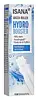
This calming eye moisturizer is formulated around Panthenol and Urea to calm redness and hydrate skin.
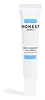
This barrier-repair eye moisturizer is formulated around Adansonia Digitata Seed Oil and Chamomilla Recutita Flower Extract to strengthen the skin barrier and hydrate skin.


What's inside
What's inside
 Key Ingredients
Benefits
Concerns
No concerns
Ingredients Side-by-side
Water
Skin ConditioningButylene Glycol
Humectant

Sorbitol
Humectant
Betaine
Humectant
Panthenol
Skin Conditioning

Glycerin
Humectant
Urea
Buffering

Caffeine
Skin Conditioning
Escin
TonicSerine
Masking
Sodium Hyaluronate
Humectant
Ruscus Aculeatus Root Extract
Astringent
Biosaccharide Gum-1
Humectant
Centella Asiatica Leaf Extract
Skin Conditioning
Algin
MaskingPullulan
Calendula Officinalis Flower Extract
Masking
Phenoxyethanol
Preservative
Glyceryl Polyacrylate
Trehalose
Humectant
Carbomer
Emulsion StabilisingEthylhexylglycerin
Skin ConditioningPentylene Glycol
Skin Conditioning
Ammonium Glycyrrhizate
MaskingSodium Hydroxide
BufferingCaprylyl Glycol
Emollient
Disodium Phosphate
BufferingHydrolyzed Yeast Protein
Skin ConditioningSodium Citrate
BufferingPantolactone
Humectant
Potassium Phosphate
BufferingCitric Acid
Buffering


Water, Butylene Glycol, Sorbitol, Betaine, Panthenol, Glycerin, Urea, Caffeine, Escin, Serine, Sodium Hyaluronate, Ruscus Aculeatus Root Extract, Biosaccharide Gum-1, Centella Asiatica Leaf Extract, Algin, Pullulan, Calendula Officinalis Flower Extract, Phenoxyethanol, Glyceryl Polyacrylate, Trehalose, Carbomer, Ethylhexylglycerin, Pentylene Glycol, Ammonium Glycyrrhizate, Sodium Hydroxide, Caprylyl Glycol, Disodium Phosphate, Hydrolyzed Yeast Protein, Sodium Citrate, Pantolactone, Potassium Phosphate, Citric Acid
Water
Skin ConditioningGlycerin
Humectant
Coco-Caprylate/Caprate
Emollient
Jojoba Esters
Emollient
Cetyl Alcohol
Emollient
Copernicia Cerifera Wax
Caprylic/Capric Triglyceride
Masking
Cetearyl Alcohol
Emollient


Candelilla/Jojoba/Rice Bran Polyglyceryl-3 Esters
Emulsifying
Glyceryl Stearate
Emollient
Undecane
EmollientAdansonia Digitata Seed Oil
Emollient
Strelitzia Nicolai Seed Aril Extract
Skin ConditioningCalendula Officinalis Flower Extract
Masking
Chamomilla Recutita Flower Extract
Masking
Cellulose Gum
Emulsion StabilisingTridecane
Perfuming
Tocopherol
Antioxidant


Sodium Phytate
Alcohol
Antimicrobial


Sodium Stearoyl Lactylate
EmulsifyingRosa Canina Fruit Extract
Astringent
Gluconolactone
Skin Conditioning



Sodium Benzoate
Masking
Calcium Gluconate
HumectantDictyopteris Polypodioides Extract
EmollientButyrospermum Parkii Butter
Skin Conditioning
Gellan Gum
Cetearyl Glucoside
Emulsifying
Arachidyl Alcohol
Emollient
Behenyl Alcohol
Emollient
Arachidyl Glucoside
EmulsifyingOpuntia Ficus-Indica Extract
Skin Conditioning
Potassium Sorbate
Preservative
Hydrolyzed Hyaluronic Acid
Humectant
Xanthan Gum
EmulsifyingRibose
HumectantAllantoin
Skin Conditioning
Sodium Hydroxide
BufferingBenzyl Alcohol
Perfuming
Water, Glycerin, Coco-Caprylate/Caprate, Jojoba Esters, Cetyl Alcohol, Copernicia Cerifera Wax, Caprylic/Capric Triglyceride, Cetearyl Alcohol, Candelilla/Jojoba/Rice Bran Polyglyceryl-3 Esters, Glyceryl Stearate, Undecane, Adansonia Digitata Seed Oil, Strelitzia Nicolai Seed Aril Extract, Calendula Officinalis Flower Extract, Chamomilla Recutita Flower Extract, Cellulose Gum, Tridecane, Tocopherol, Sodium Phytate, Alcohol, Sodium Stearoyl Lactylate, Rosa Canina Fruit Extract, Gluconolactone, Sodium Benzoate, Calcium Gluconate, Dictyopteris Polypodioides Extract, Butyrospermum Parkii Butter, Gellan Gum, Cetearyl Glucoside, Arachidyl Alcohol, Behenyl Alcohol, Arachidyl Glucoside, Opuntia Ficus-Indica Extract, Potassium Sorbate, Hydrolyzed Hyaluronic Acid, Xanthan Gum, Ribose, Allantoin, Sodium Hydroxide, Benzyl Alcohol
Ingredients Explained
These ingredients are found in both products.
Ingredients higher up in an ingredient list are typically present in a larger amount.
Calendula Officinalis Flower Extract comes from the marigold flower and has been used on skin for centuries for its calming effect.
In the lab, its active compounds appear to calm inflammation and support the early "healing" phase of minor wounds.
This is why Europe's medicines regulator has approved calendula extracts as a traditional remedy for minor skin inflammation and healing small wounds.
The stronger human evidence is around would/ulcer care rather than everyday cosmetic claims; a review that pulled together 14 studies found that calendula helped calm the early, inflamed stage of a wound and helped new skin tissue form faster.
Two studies also showed it shrank leg ulcers (the kind caused by poor circulation). Results were mixed for burns and for the skin irritation people get from radiation treatment, so it's not a sure thing there.
In cosmetics, it's mostly a skin conditioning and soothing agent.
The Cosmetic Ingredient Review panel concluded that calendula-derived ingredients are safe as used and that the ingredients are not irritating, sensitizing, or photosensitizing in clinical tests (though they may be mild eye irritants).
Typical use levels are quite low; industry data reported it used at under 0.5% (one supplier noted a 10-25% extract blend used at 1-10% in the finished product). Historical use goes up to 10%.
The only thing to keep in mind is if you have daisy/ragweed allergies. Calendula is in the same family and one patch-test study found 2% of dermatitis patients reacted to marigold. Be sure to patch test if you have sensitive or allergy-prone skin.
Learn more about Calendula Officinalis Flower ExtractGlycerin (or glycerol) is a compound naturally found in your skin. It's a powerhouse humectant that pulls water into the stratum corneum.
Topically, glycerin does several things at once:
Your skin makes glycerin on its own (mostly from sebaceous oil breakdown) and shuttles it to your outermost layer of skin, or your epidermis, via aquaporin-3.
Aquaporin-3 is a transporter that is essential for normal skin hydration, elasticity, and repair. Interestingly, mice lacking in AQP3 have dry and less elastic skin that can be fully corrected with glycerin.
This ingredient is non-irritating, plays well with almost every ingredient, and works across all skin types. Typical use is anywhere between 3-10% but can go up to 79% in some leave-on products.
Just know very high concentrations (>40%) can feel tacky in low humidity.
Glycerin is the name for this ingredient in American English. British English uses Glycerol/Glycerine.
Learn more about GlycerinSodium Hydroxide is also known as lye or caustic soda. It is used to adjust the pH of products; many ingredients require a specific pH to be effective.
In small amounts, sodium hydroxide is considered safe to use. However, large amounts may cause chemical burns due to its high alkaline.
Your skin has a natural pH and acid mantle. This acid mantle helps prevent harmful bacteria from breaking through. The acid mantle also helps keep your skin hydrated.
"Alkaline" refers to a high pH level. A low pH level would be considered acidic.
Learn more about Sodium HydroxideWater. It's the most common cosmetic ingredient of all. You'll usually see it at the top of ingredient lists, meaning that it makes up the largest part of the product.
So why is it so popular? Water most often acts as a solvent - this means that it helps dissolve other ingredients into the formulation.
You'll also recognize water as that liquid we all need to stay alive. If you see this, drink a glass of water. Remember to stay hydrated!
Learn more about Water

