

What's inside
What's inside
 Key Ingredients
Benefits
Concerns
Ingredients Side-by-side
Lactobacillus Ferment Lysate 56.88%
Skin Conditioning
Glycerin
Humectant


Propanediol
Solvent
Water
Skin ConditioningDipropylene Glycol
HumectantButylene Glycol
Humectant
Niacinamide
Smoothing








1,2-Hexanediol
Skin Conditioning
Squalane
Emollient
Glyceryl Polymethacrylate
Dimethyl Isosorbide
SolventMethyl Trimethicone
Skin Conditioning
Cetearyl Alcohol
Emollient




Hydroxyethyl Urea
Humectant
Ammonium Acryloyldimethyltaurate/Vp Copolymer
Helianthus Annuus Seed Oil
Emollient
Glycine Soja Oil
Emollient
Allantoin
Skin Conditioning
Glyceryl Stearate
Emollient
Xanthan Gum
EmulsifyingTocopherol
Antioxidant

Tocopheryl Acetate
Antioxidant
Pentylene Glycol
Skin Conditioning
Dipotassium Glycyrrhizate
Humectant
Sodium Stearoyl Glutamate
CleansingHydrogenated Lecithin
Emulsifying
Daucus Carota Sativa Root Extract
Skin Conditioning
Hydroxypinacolone Retinoate
Skin Conditioning
Stearic Acid
Cleansing
Polyglyceryl-3 Methylglucose Distearate
Emulsifying
Sodium Polyacrylate
Absorbent
Sodium Metaphosphate
BufferingKojyl Methylenedioxycinnamate
Antioxidant
Palmitic Acid
Emollient
Ethylhexylglycerin
Skin ConditioningAdenosine
Skin Conditioning
Retinol
Skin Conditioning
Sodium Hyaluronate
Humectant
Hyaluronic Acid
Humectant
Hydrolyzed Vegetable Protein
Skin ConditioningAchillea Millefolium Extract
CleansingBeta-Carotene
Skin ConditioningMyristic Acid
Cleansing
Lauric Acid
Cleansing
Pullulan
Zein
Skin ConditioningCamellia Sinensis Leaf Extract
Antimicrobial
Pectin
Emulsion StabilisingCitric Acid
Buffering
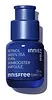
Lactobacillus Ferment Lysate 56.88%, Glycerin, Propanediol, Water, Dipropylene Glycol, Butylene Glycol, Niacinamide, 1,2-Hexanediol, Squalane, Glyceryl Polymethacrylate, Dimethyl Isosorbide, Methyl Trimethicone, Cetearyl Alcohol, Hydroxyethyl Urea, Ammonium Acryloyldimethyltaurate/Vp Copolymer, Helianthus Annuus Seed Oil, Glycine Soja Oil, Allantoin, Glyceryl Stearate, Xanthan Gum, Tocopherol, Tocopheryl Acetate, Pentylene Glycol, Dipotassium Glycyrrhizate, Sodium Stearoyl Glutamate, Hydrogenated Lecithin, Daucus Carota Sativa Root Extract, Hydroxypinacolone Retinoate, Stearic Acid, Polyglyceryl-3 Methylglucose Distearate, Sodium Polyacrylate, Sodium Metaphosphate, Kojyl Methylenedioxycinnamate, Palmitic Acid, Ethylhexylglycerin, Adenosine, Retinol, Sodium Hyaluronate, Hyaluronic Acid, Hydrolyzed Vegetable Protein, Achillea Millefolium Extract, Beta-Carotene, Myristic Acid, Lauric Acid, Pullulan, Zein, Camellia Sinensis Leaf Extract, Pectin, Citric Acid
Water
Skin ConditioningCentella Asiatica Extract
Cleansing
Propylene Glycol
Humectant
Glycerin
Humectant
Niacinamide
Smoothing
Dimethicone
Emollient
Melaleuca Alternifolia Leaf Extract
Perfuming
Salicylic Acid
Masking


Tranexamic Acid
Astringent
Allantoin
Skin Conditioning
Ceramide NP
Skin Conditioning
Hydrogenated Lecithin
Emulsifying
Sodium Hyaluronate Crosspolymer
Humectant
Sodium Hyaluronate
Humectant
Ceramide AP
Skin Conditioning
Ceramide As
Skin Conditioning
Ceramide Ns
Skin Conditioning
Sodium Acetylated Hyaluronate
Humectant
Hyaluronic Acid
Humectant
Hydrolyzed Glycosaminoglycans
HumectantHydrolyzed Sodium Hyaluronate
Skin Conditioning
Hydrolyzed Hyaluronic Acid
Humectant
Ceramide EOP
Skin Conditioning
Ammonium Acryloyldimethyltaurate/Vp Copolymer
Phenoxyethanol
Preservative
Styrene/Acrylates Copolymer
Acetyl Cysteine
Antioxidant
Vaccinium Vitis-Idaea Fruit Extract
Antioxidant
Cholesterol
Emollient
Citrus Unshiu Peel Extract
Masking
Hippophae Rhamnoides Fruit Extract
Skin Conditioning
Litchi Chinensis Seed Extract
Skin ConditioningMangifera Indica Pulp Extract
Skin Conditioning1,2-Hexanediol
Skin Conditioning
Polysorbate 60
Emulsifying
Menthol
Masking

Propanediol
Solvent
Amylopectin
Biosaccharide Gum-1
Humectant
Dextrin
AbsorbentXanthan Gum
Emulsifying2,3-Butanediol
HumectantCitric Acid
Buffering
Potassium Sorbate
Preservative
Sodium Benzoate
Masking
Glyceryl Stearate
Emollient
Sodium Sulfite
Preservative
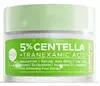
Water, Centella Asiatica Extract, Propylene Glycol, Glycerin, Niacinamide, Dimethicone, Melaleuca Alternifolia Leaf Extract, Salicylic Acid, Tranexamic Acid, Allantoin, Ceramide NP, Hydrogenated Lecithin, Sodium Hyaluronate Crosspolymer, Sodium Hyaluronate, Ceramide AP, Ceramide As, Ceramide Ns, Sodium Acetylated Hyaluronate, Hyaluronic Acid, Hydrolyzed Glycosaminoglycans, Hydrolyzed Sodium Hyaluronate, Hydrolyzed Hyaluronic Acid, Ceramide EOP, Ammonium Acryloyldimethyltaurate/Vp Copolymer, Phenoxyethanol, Styrene/Acrylates Copolymer, Acetyl Cysteine, Vaccinium Vitis-Idaea Fruit Extract, Cholesterol, Citrus Unshiu Peel Extract, Hippophae Rhamnoides Fruit Extract, Litchi Chinensis Seed Extract, Mangifera Indica Pulp Extract, 1,2-Hexanediol, Polysorbate 60, Menthol, Propanediol, Amylopectin, Biosaccharide Gum-1, Dextrin, Xanthan Gum, 2,3-Butanediol, Citric Acid, Potassium Sorbate, Sodium Benzoate, Glyceryl Stearate, Sodium Sulfite
Reviews
Ingredients Explained
These ingredients are found in both products.
Ingredients higher up in an ingredient list are typically present in a larger amount.
1,2-Hexanediol is a synthetic liquid and another multi-functional powerhouse.
It is a:
- Humectant, drawing moisture into the skin
- Emollient, helping to soften skin
- Solvent, dispersing and stabilizing formulas
- Preservative booster, enhancing the antimicrobial activity of other preservatives
Allantoin is a soothing ingredient known for its protective and moisturizing properties; it's basically a quiet workhorse ingredient you can find in a huge range of cosmetics.
Though it can be derived from the comfrey plant, allantoin is produced synthetically for cosmetic products to ensure purity.
Research shows it can encourage your skin cells to turn over and renew by stimulating keratinocyte and fibroblast proliferation.
It also has mild keratolytic properties to help loosen and shed dead skin cells without being harsh.
Studies also suggest allantoin can help calm inflammation by dialing down some of the chemical signals your skin sends out when it is irritated.
This ingredient is typically used in the 0.1-0.5% range, and the FDA recognizes it as a skin protectant in OTC products up to 2%.
Overall, allantoin is a wonderful addition to most routines; it is stable across a wide pH range (~4-8), works well with other ingredients, and is considered non-sensitizing/non-irritating.
Fun fact: Allantoin is naturally occurring in comfrey root, beets, chamomile, and wheat sprouts. Our bodies even produce it as a byproduct of uric acid metabolism.
Learn more about AllantoinAmmonium Acryloyldimethyltaurate/Vp Copolymer is a synthetically created polymer. It's used as a film-forming agent and used to thicken the consistency of products.
Think of it as a supportive ingredient that helps your gel-creams feel silky, "cloud cream-like", and spread evenly without being greasy.
The Cosmetic Ingredient Review (CIR) Expert Panel evaluated it (along with 22 other acryloyldimethyltaurate polymers) and concluded it's:
Due to its large molecular size, it sits on the surface of skin rather than penetrating it.
Learn more about Ammonium Acryloyldimethyltaurate/Vp CopolymerCitric Acid is an alpha hydroxy acid (AHA) naturally found in citrus fruits like oranges, lemons, and limes.
Like other AHAs, citric acid can exfoliate skin by breaking down the bonds that hold dead skin cells together. This helps reveal smoother and brighter skin underneath.
However, this exfoliating effect only happens at high concentrations (20%) which can be hard to find in cosmetic products.
Due to this, citric acid is usually included in small amounts as a pH adjuster. This helps keep products slightly more acidic and compatible with skin's natural pH.
In skincare formulas, citric acid can:
While it can provide some skin benefits, research shows lactic acid and glycolic acid are generally more effective and less irritating exfoliants.
Most citric acid used in skincare today is made by fermenting sugars (usually from molasses). This synthetic version is identical to the natural citrus form but easier to stabilize and use in formulations.
Read more about some other popular AHA's here:
Learn more about Citric AcidGlycerin (or glycerol) is a compound naturally found in your skin. It's a powerhouse humectant that pulls water into the stratum corneum.
Topically, glycerin does several things at once:
Your skin makes glycerin on its own (mostly from sebaceous oil breakdown) and shuttles it to your outermost layer of skin, or your epidermis, via aquaporin-3.
Aquaporin-3 is a transporter that is essential for normal skin hydration, elasticity, and repair. Interestingly, mice lacking in AQP3 have dry and less elastic skin that can be fully corrected with glycerin.
This ingredient is non-irritating, plays well with almost every ingredient, and works across all skin types. Typical use is anywhere between 3-10% but can go up to 79% in some leave-on products.
Just know very high concentrations (>40%) can feel tacky in low humidity.
Glycerin is the name for this ingredient in American English. British English uses Glycerol/Glycerine.
Learn more about GlycerinGlyceryl Stearate is made by reacting glycerin with stearic acid (typically sourced from plant oils like palm or coconut). It's an emulsifier, emollient, and mild occlusive.
Emulsifiers help ingredients like oil and water stay mixed so your formula stays nicely blended and uniform in texture.
This ingredient is typically used in concentrations between 1-10%. Studies have found it to be non-sensitizing, non-phototoxic, and non-photoallergenic.
A close cousin of this ingredient is Glyceryl Stearate SE ("self-emulsifying"). This just has a small amount of sodium or potassium stearate added so it can emulsify without a co-emulsifier.
Since this ingredient is an ester of a C18 fatty acid, it may not be fungal acne safe. The Malassezia yeast can potentially metabolize within the C11-C24 range.
Fun fact: The human body also creates Glyceryl Stearate naturally.
Learn more about Glyceryl StearateHyaluronic acid (HA) is a glycosaminoglycan (basically a long sugar chain) that your skin already makes on its own. In your skin, HA lives in the extracellular matrix and acts as the body's moisture reservoir.
Topically, HA is a humectant that binds water and helps skin look more plump, smooth, and hydrated.
The only catch is that HA isn't a single thing; it actually comes in a wide range of molecular weights (~50 - 2,000+ kDA) and size matters.
Some clinical evidence links low molecular weight versions to improved wrinkle depth, elasticity, anti-inflammatory effects, and barrier repair.
This is why the best HA serums blend the two sizes together so you get the best of both worlds.
The majority of cosmetic HA is produced by bacterial fermentation, typically using Streptococcus or Bacillus strains. Typical use levels in skincare sit around 0.1-2%.
A clinical study using a 0.2% low-molecular weight HA gel showed improvement in facial seborrheic dermatitis with excellent tolerance.
These are some other common types of Hyaluronic Acid:
Learn more about Hyaluronic AcidHydrogenated Lecithin is a more stable version of lecithin.
It's made by taking lecithin (a phospholipid commonly found in soybeans and egg yolks) and hydrogenating it. This just means the unsaturated fatty acids are turned into saturated ones so they don't go bad as easily.
This ingredient is an emollient, emulsifier, and penetration enhancer. As an emollient, it helps soften and hydrate skin by trapping moisture within. As an emulsifier, it prevents oil and water ingredients from separating.
Hydrogenated Lecithin can form tiny spherical structures made of phospholipid bilayers called liposomes. These liposomes are able to capture compounds inside their structure and deliver them through the skin barrier.
Because phospholipids are a natural component of our cell membranes, this ingredient is inherently compatible with skin.
A 2021 study found lecithin-based surfactants were less harsh and more tolerable comared to Sodium Lauryl Sulfate (SLS).
Learn more about Hydrogenated LecithinNiacinamide is a multitasking form of vitamin B3 that strengthens the skin barrier, reduces pores and dark spots, regulates oil, and improves signs of aging.
And the best part? It's gentle and well-tolerated by most skin types, including sensitive and reactive skin.
You might have heard of "niacin flush", or the reddening of skin that causes itchiness. Niacinamide has not been found to cause this.
In very rare cases, some individuals may not be able to tolerate niacinamide at all or experience an allergic reaction to it.
If you are experiencing flaking, irritation, and dryness with this ingredient, be sure to double check all your products as this ingredient can be found in all categories of skincare.
When incorporating niacinamide into your routine, look out for concentration amounts. Typically, 5% niacinamide provides benefits such as fading dark spots. However, if you have sensitive skin, it is better to begin with a smaller concentration.
When you apply niacinamide to your skin, your body converts it into nicotinamide adenine dinucleotide (NAD). NAD is an essential coenzyme that is already found in your cells as "fuel" and powers countless biological processes.
In your skin, NAD helps repair cell damage, produce new healthy cells, support collagen production, strengthen the skin barrier, and fight environmental stressors (like UV and pollution).
Our natural NAD levels start to decline with age, leading to slower skin repair, visible aging, and a weaker skin barrier. By providing your skin niacinamide, you're recharging your skin's NAD levels. This leads to stronger, healthier, and younger looking skin.
Another name for vitamin B3 is nicotinamide. This vitamin is water-soluble and our bodies don't store it. We obtain Vitamin B3 from either food or skincare. Meat, fish, wheat, yeast, and leafy greens contain vitamin B3.
The type of niacinamide used in skincare is synthetically created.
Learn more about NiacinamidePropanediol is an all-star ingredient. It softens, hydrates, and smooths the skin.
It’s often used to:
Propanediol is not likely to cause sensitivity and considered safe to use. It is derived from corn or petroleum with a clear color and no scent.
Learn more about PropanediolSodium Hyaluronate is the salt form of hyaluronic acid. It is a long sugar chain that is naturally found in your skin, joints, and connective tissue that maintains hydration and elasticity.
In skincare, it works as a humectant. It pulls water from the environment and deeper layers of skin and binds it to the surface.
Interestingly, the size of the molecule affects its behavior:
Some clinical evidence links low molecular weight versions to improved wrinkle depth, elasticity, anti-inflammatory effects, and barrier repair.
Many serums use a blend of both weights so you can get surface hydration plus longer-lasting and deeper effects.
You'll typically see concentrations between 0.1-2% for this ingredient.
Learn more about Sodium HyaluronateWater. It's the most common cosmetic ingredient of all. You'll usually see it at the top of ingredient lists, meaning that it makes up the largest part of the product.
So why is it so popular? Water most often acts as a solvent - this means that it helps dissolve other ingredients into the formulation.
You'll also recognize water as that liquid we all need to stay alive. If you see this, drink a glass of water. Remember to stay hydrated!
Learn more about WaterXanthan gum is used as a stabilizer and thickener within cosmetic products. It helps give products a sticky, thick feeling - preventing them from being too runny.
On the technical side of things, xanthan gum is a polysaccharide - a combination consisting of multiple sugar molecules bonded together.
Xanthan gum is a pretty common and great ingredient. It is a natural, non-toxic, non-irritating ingredient that is also commonly used in food products.
Learn more about Xanthan Gum
