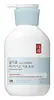
This barrier-repair moisturizer is formulated around Hydroxypropyl Bispalmitamide Mea and Ceramide NP to strengthen the skin barrier and hydrate skin.


What's inside
What's inside
 Key Ingredients
Benefits
Concerns
Ingredients Side-by-side
Water
Skin ConditioningGlycerin
Humectant


Propanediol
Solvent
Hydrogenated Rice Bran Oil
Skin Conditioning
Cyclopentasiloxane
Emollient
Hydrogenated Poly(C6-14 Olefin)
EmollientCyclohexasiloxane
Emollient
Dimethicone
Emollient
Cetyl Ethylhexanoate
EmollientDiisostearyl Malate
Emollient1,2-Hexanediol
Skin Conditioning
Butylene Glycol
Humectant
Hydroxyethyl Acrylate/Sodium Acryloyldimethyl Taurate Copolymer
Emulsion StabilisingC14-22 Alcohols
Emulsion Stabilising
Arachidyl Alcohol
Emollient
Stearic Acid
Cleansing


Glyceryl Stearate
Emollient
Palmitic Acid
Emollient

Behenyl Alcohol
Emollient
C12-20 Alkyl Glucoside
EmulsifyingGlyceryl Caprylate
EmollientArachidyl Glucoside
EmulsifyingPanax Ginseng Root Water
Masking

Disodium EDTA
ChelatingEthylhexylglycerin
Skin ConditioningSorbitan Isostearate
Emulsifying
Polysorbate 60
Emulsifying
Perilla Ocymoides Seed Extract
Antioxidant
Bupleurum Falcatum Root Extract
Skin ConditioningAngelica Acutiloba Root Extract
Skin ConditioningOphiopogon Japonicus Root Extract
Skin ConditioningHydroxypropyl Bispalmitamide Mea
Emollient
Mannitol
Humectant
Glucose
Humectant
Glycine Max Oil
Emollient
Myristic Acid
Cleansing
Acrylates/Ammonium Methacrylate Copolymer
Arachidic Acid
Cleansing
Ceramide NP
Skin Conditioning

Cholesterol
Emollient
Silica
Abrasive


Phytosphingosine
Skin Conditioning
Hydrogenated Lecithin
Emulsifying
Tocopherol
Antioxidant


Canola Oil
Emollient
Rosmarinus Officinalis Leaf Extract
AntimicrobialWater, Glycerin, Propanediol, Hydrogenated Rice Bran Oil, Cyclopentasiloxane, Hydrogenated Poly(C6-14 Olefin), Cyclohexasiloxane, Dimethicone, Cetyl Ethylhexanoate, Diisostearyl Malate, 1,2-Hexanediol, Butylene Glycol, Hydroxyethyl Acrylate/Sodium Acryloyldimethyl Taurate Copolymer, C14-22 Alcohols, Arachidyl Alcohol, Stearic Acid, Glyceryl Stearate, Palmitic Acid, Behenyl Alcohol, C12-20 Alkyl Glucoside, Glyceryl Caprylate, Arachidyl Glucoside, Panax Ginseng Root Water, Disodium EDTA, Ethylhexylglycerin, Sorbitan Isostearate, Polysorbate 60, Perilla Ocymoides Seed Extract, Bupleurum Falcatum Root Extract, Angelica Acutiloba Root Extract, Ophiopogon Japonicus Root Extract, Hydroxypropyl Bispalmitamide Mea, Mannitol, Glucose, Glycine Max Oil, Myristic Acid, Acrylates/Ammonium Methacrylate Copolymer, Arachidic Acid, Ceramide NP, Cholesterol, Silica, Phytosphingosine, Hydrogenated Lecithin, Tocopherol, Canola Oil, Rosmarinus Officinalis Leaf Extract
Water
Skin ConditioningGlycerin
Humectant
Caprylic/Capric Triglyceride
Masking
Dimethicone
Emollient
Cetearyl Alcohol
Emollient
Cetyl Alcohol
Emollient
Steareth-20
CleansingSaccharide Isomerate
Humectant
Polysorbate 20
Emulsifying
Hydrogenated Polydecene
EmollientPolyglyceryl-3 Diisostearate
Emulsifying
1,2-Hexanediol
Skin Conditioning
Behentrimonium Methosulfate
SurfactantGlyceryl Caprylate
EmollientIsopropyl Alcohol
Solvent


Hydroxyacetophenone
Antioxidant
Disodium EDTA
ChelatingCitric Acid
Buffering
Sodium Citrate
BufferingOnsen-Sui
Butylene Glycol
Humectant
Sodium Lauroyl Lactylate
EmulsifyingPentylene Glycol
Skin Conditioning
Denatonium Benzoate
Masking
Ceramide NP
Skin Conditioning
Glycyrrhiza Glabra Root Extract
Bleaching
Phenoxyethanol
Preservative
Sodium Acetylated Hyaluronate
Humectant
Sodium Hyaluronate
Humectant
Ceramide AP
Skin Conditioning
Phytosphingosine
Skin Conditioning
Cholesterol
Emollient
Centella Asiatica Extract
Cleansing
Sodium Hyaluronate Crosspolymer
Humectant
Xanthan Gum
EmulsifyingEthylhexylglycerin
Skin ConditioningCarbomer
Emulsion StabilisingCamellia Sinensis Leaf Extract
Antimicrobial
Hydrolyzed Sodium Hyaluronate
Skin Conditioning
Polygonum Cuspidatum Root Extract
Antioxidant
Scutellaria Baicalensis Root Extract
Astringent
Chamomilla Recutita Flower Extract
Masking
Rosmarinus Officinalis Leaf Extract
AntimicrobialCeramide EOP
Skin Conditioning
Water, Glycerin, Caprylic/Capric Triglyceride, Dimethicone, Cetearyl Alcohol, Cetyl Alcohol, Steareth-20, Saccharide Isomerate, Polysorbate 20, Hydrogenated Polydecene, Polyglyceryl-3 Diisostearate, 1,2-Hexanediol, Behentrimonium Methosulfate, Glyceryl Caprylate, Isopropyl Alcohol, Hydroxyacetophenone, Disodium EDTA, Citric Acid, Sodium Citrate, Onsen-Sui, Butylene Glycol, Sodium Lauroyl Lactylate, Pentylene Glycol, Denatonium Benzoate, Ceramide NP, Glycyrrhiza Glabra Root Extract, Phenoxyethanol, Sodium Acetylated Hyaluronate, Sodium Hyaluronate, Ceramide AP, Phytosphingosine, Cholesterol, Centella Asiatica Extract, Sodium Hyaluronate Crosspolymer, Xanthan Gum, Ethylhexylglycerin, Carbomer, Camellia Sinensis Leaf Extract, Hydrolyzed Sodium Hyaluronate, Polygonum Cuspidatum Root Extract, Scutellaria Baicalensis Root Extract, Chamomilla Recutita Flower Extract, Rosmarinus Officinalis Leaf Extract, Ceramide EOP
Reviews
Ingredients Explained
These ingredients are found in both products.
Ingredients higher up in an ingredient list are typically present in a larger amount.
1,2-Hexanediol is a synthetic liquid and another multi-functional powerhouse.
It is a:
- Humectant, drawing moisture into the skin
- Emollient, helping to soften skin
- Solvent, dispersing and stabilizing formulas
- Preservative booster, enhancing the antimicrobial activity of other preservatives
Butylene Glycol (or BG) is used within cosmetic products for a few different reasons:
Overall, Butylene Glycol is a safe and well-rounded ingredient that works well with other ingredients.
Though this ingredient works well with most skin types, some people with sensitive skin may experience a reaction such as allergic rashes, closed comedones, or itchiness.
Learn more about Butylene GlycolCeramide NP (formerly known as Ceramide 3) is one of the skin's naturally occurring lipids.
Since ceramides are the major lipid components of the skin, they are crucial for maintaining skin barrier and hydration. Ceramide NP most closely mirrors the dominant kind in human skin amongst ceramide subtypes.
This ceramide works by slotting into gaps within the stratum corneum's lipid matrix to limit trans-epidermal water loss (TEWL) and shield the skin against external irritants.
A study with 312 patients found that using a ceramide-containing routine for 4 weeks reduced the severity of atopic dermatitis by over 61%.
Another clinical study in subjects aged 60 and older found that a ceramide body wash and moisturizer improved skin dryness and itchy skin in 15 days.
Overall, ceramides are considered non-irritating and safety tests have found little to no observable adverse effects from using this ingredient.
Ceramide NP is usually sourced from plants (like soybean or rice bran), or produced synthetically.
Learn more about Ceramide NPCholesterol is a lipid that is naturally found in human skin and is one of the three key components of your skin barrier. In skincare, it is an emollient and barrier-repairing ingredient.
It works by fitting directly into the lipid layers of skin to help restore structure and reduce transepidermal water loss (TEWL).
This is a great ingredient for dry, compromised, or aging skin; our skin starts to produce less cholesterol with age.
Research shows cholesterol works best in combination with ceramides and fatty acids, the other two major components in your skin barrier.
Cholesterol is also a well-establish penetration enhancer and can help other actives absorb more effectively.
Cosmetic-grade cholesterol is usually derived from lanolin but plant and synthetic options also exist. We recommend reaching out to the brand if you have questions about their source of cholesterol.
Learn more about CholesterolDimethicone is a type of synthetic silicone created from natural materials such as quartz. It is also known as polydimethylsiloxane.
What it does:
Dimethicone comes in different viscosities:
Depending on the viscosity, dimethicone has different properties.
Ingredients lists don't always show which type is used, so we recommend reaching out to the brand if you have questions about the viscosity.
This ingredient is unlikely to cause irritation because it does not get absorbed into skin. However, people with silicone allergies should be careful about using this ingredient.
Note: Dimethicone may contribute to pilling. This is because it is not oil or water soluble, so pilling may occur when layered with products. When mixed with heavy oils in a formula, the outcome is also quite greasy.
Learn more about DimethiconeDisodium EDTA is a chelating agent. It grabs onto and deactivates metal ions that sneak into your products from water, packaging, or air.
This ingredient mainly works behind the scenes and helps with:
On top of that, this ingredient can counteract the effects of hard water by binding to the minerals in it.
One thing worth knowing is that Disodium EDTA has been shown to be a mild penetration enhancer. It can help other ingredients absorb into skin more effectively which can be a double-edged sword (great for actives, but can also make the active too strong if you have sensitive skin).
Clinical patch testing showed no significant skin irritation at typical use concentrations and minimal dermal absorption.
You'll most likely see this ingredient near the end of an ingredient list. It's typically found in concentrations less than 1%.
Learn more about Disodium EDTAEthylhexylglycerin is created from glycerin. It is a multitasker ingredient that:
The CIR Expert Panel found minimal skin absorption or sensitization of any kind in a safety assessment. Though this ingredient is considered well-tolerated, a small number of cases of allergic dermatitis have been published since 2002. Just be sure to patch test if you are unsure.
Industry-reported use ranges from 8% in rinse-off products and 2% in leave-on formulations.
Learn more about EthylhexylglycerinGlycerin (or glycerol) is a compound naturally found in your skin. It's a powerhouse humectant that pulls water into the stratum corneum.
Topically, glycerin does several things at once:
Your skin makes glycerin on its own (mostly from sebaceous oil breakdown) and shuttles it to your outermost layer of skin, or your epidermis, via aquaporin-3.
Aquaporin-3 is a transporter that is essential for normal skin hydration, elasticity, and repair. Interestingly, mice lacking in AQP3 have dry and less elastic skin that can be fully corrected with glycerin.
This ingredient is non-irritating, plays well with almost every ingredient, and works across all skin types. Typical use is anywhere between 3-10% but can go up to 79% in some leave-on products.
Just know very high concentrations (>40%) can feel tacky in low humidity.
Glycerin is the name for this ingredient in American English. British English uses Glycerol/Glycerine.
Learn more about GlycerinGlyceryl Caprylate comes from glycerin and caprylic acid. It is an emollient, co-emulsifier, and preservative booster.
Its short C8 fatty acid chain makes it behave differently from its longer-chain emollient cousins like Glyceryl Stearate. It feels more lightweight, fast-absorbing, and silky instead of rich and waxy.
As a co-emulsifier, its "head" and "tail" sit at the oil-water interface. But overall, the short C8 tail and not being water soluble means it doesn't really have the muscle to emulsify a formula on its own. That's why you'll often see it paired with a primary emulsifier like Cetearyl Glucoside.
Interestingly, Glyceryl Caprylate acts as a preservative booster. This is because its fatty-acid backbone disrupts microbial lipid membranes. It shows excellent activity against bacteria and yeast but is weaker against mold.
Typical concentrations range from 0.5-1% and this ingredient is generally non-irritating.
Because this ingredient has a C8 fatty acid chain, it is outside the range that the Malassezia yeast metabolizes (making it fungal acne safe).
Learn more about Glyceryl CaprylatePhytosphingosine is a phospholipid naturally found in our skin as a building block for ceramides.. It helps moisturize, soothe, and protect skin.
Phytosphingosine contributes to your skin's natural moisturizing factor (NMF). The NMF is responsible for hydration, a strong barrier, and plasticity. Our NMF decreases with age. Increasing NMF leads to more healthy and hydrated skin.
Studies show products formulated with NMF ingredients help strengthen our skin's barrier. Having a healthy skin barrier reduces irritation and increases hydration. Our skin barrier is responsible for having plump and firm skin. It also helps protect our skin against infection, allergies, and inflammation.
Fun fact: Phytosphingosine is abundant in plants and fungi.
More ingredients that help boost collagen in skin:
Learn more about PhytosphingosineThis is a botanical extract from the rosemary plant (the same one you cook with). In skincare, it mostly works as a skin conditioning agent.
Its activity comes from a handful of polyphenols, carnosic acid, carnosol, and rosmarinic acid. Almost 90% of the antioxidant activity of this ingredient can be attributed to canosol and carnosic acid.
These compounds protect your skin two ways:
1) They fight off free radicals, or the unstable molecules from things like sun and pollution that age and damage skin.
2) They help calm inflammation by switching off the chemical signals that tell skin to get red and irritated.
Lab studies also suggest that rosmarinic acid may help protect collagen and slow sugar-related damage to it.
The Cosmetic Ingredient Review has concluded rosemary-derived ingredients to be safe when formulated to be non-sensitizing.
Rosemary can occasionally cause allergic contact dermatitis (due to carnosol), so be sure to patch test if you have reactive or fragrance-sensitive skin.
Learn more about Rosmarinus Officinalis Leaf ExtractWater. It's the most common cosmetic ingredient of all. You'll usually see it at the top of ingredient lists, meaning that it makes up the largest part of the product.
So why is it so popular? Water most often acts as a solvent - this means that it helps dissolve other ingredients into the formulation.
You'll also recognize water as that liquid we all need to stay alive. If you see this, drink a glass of water. Remember to stay hydrated!
Learn more about Water

