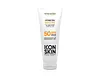
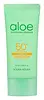
Icon Skin Hydrating Sunscreen SPF 50 Versus Holika Holika Aloe Soothing Essence Waterproof Sun Cream SPF 50+
This hybrid sunscreen covers the full UV range and blocks ~98% of UVB at SPF 50.
This chemical sunscreen covers the full UV range and blocks ~98% of UVB at SPF 50.


What's inside
What's inside
 Key Ingredients
Benefits
Concerns
Ingredients Side-by-side
Water
Skin ConditioningBis-Ethylhexyloxyphenol Methoxyphenyl Triazine
UV Absorber
Coco-Caprylate/Caprate
Emollient
Ethylhexyl Methoxycinnamate
UV Absorber

Homosalate
Skin Conditioning
Glyceryl Stearate
Emollient

Titanium Dioxide
Cosmetic Colorant
Cetearyl Alcohol
Emollient



Disodium Cetearyl Sulfosuccinate
CleansingCetearyl Olivate
Sorbitan Olivate
Emulsifying
PEG-40 Hydrogenated Castor Oil
Emulsifying
Trehalose
Humectant


Silica
Abrasive


Potassium Cetyl Phosphate
EmulsifyingAmmonium Acryloyldimethyltaurate/Vp Copolymer
Xanthan Gum
EmulsifyingPanthenol
Skin Conditioning


Bisabolol
Antioxidant
Tocopherol
Antioxidant


Beta-Sitosterol
Emulsion Stabilising
Squalene
Emollient
Phenoxyethanol
Preservative
Ethylhexylglycerin
Skin ConditioningDisodium EDTA
Lactic Acid
Buffering

Water, Bis-Ethylhexyloxyphenol Methoxyphenyl Triazine, Coco-Caprylate/Caprate, Ethylhexyl Methoxycinnamate, Homosalate, Glyceryl Stearate, Titanium Dioxide, Cetearyl Alcohol, Disodium Cetearyl Sulfosuccinate, Cetearyl Olivate, Sorbitan Olivate, PEG-40 Hydrogenated Castor Oil, Trehalose, Silica, Potassium Cetyl Phosphate, Ammonium Acryloyldimethyltaurate/Vp Copolymer, Xanthan Gum, Panthenol, Bisabolol, Tocopherol, Beta-Sitosterol, Squalene, Phenoxyethanol, Ethylhexylglycerin, Disodium EDTA, Lactic Acid
Water
Skin ConditioningDibutyl Adipate
EmollientPropanediol
Solvent
Diethylamino Hydroxybenzoyl Hexyl Benzoate
UV Filter
Polymethylsilsesquioxane

Ethylhexyl Triazone
UV Absorber
Niacinamide
Smoothing

Methylene Bis-Benzotriazolyl Tetramethylbutylphenol
UV Filter
Coco-Caprylate/Caprate
Emollient
Caprylyl Methicone
Skin Conditioning
Diethylhexyl Butamido Triazone
UV Absorber
Glycerin
Humectant
Butylene Glycol
Humectant
1,2-Hexanediol
Skin Conditioning
Pentylene Glycol
Skin Conditioning
Behenyl Alcohol
Emollient
Poly C10-30 Alkyl Acrylate
Emulsion StabilisingPolyglyceryl-3 Methylglucose Distearate
Emulsifying
Decyl Glucoside
Cleansing
Tromethamine
BufferingCarbomer
Emulsion StabilisingAcrylates/C10-30 Alkyl Acrylate Crosspolymer
Emulsion StabilisingParfum
Masking

Sodium Stearoyl Glutamate
CleansingPolyacrylate Crosspolymer-6
Emulsion StabilisingEthylhexylglycerin
Skin ConditioningAdenosine
Skin Conditioning
Xanthan Gum
EmulsifyingT-Butyl Alcohol
Perfuming

Tocopherol
Antioxidant
Hippophae Rhamnoides Fruit Extract
Skin Conditioning
Ascorbic Acid
Antioxidant
Daucus Carota Sativa Root Extract
Skin Conditioning
Rosa Canina Fruit Extract
Astringent
Pyrus Malus Fruit Extract
Skin Conditioning
Prunus Armeniaca Juice
MoisturisingMoringa Oleifera Seed Oil
Emollient
Ceramide AP
Skin Conditioning
Phytosphingosine
Skin Conditioning
Aloe Ferox Leaf Extract
Skin ConditioningHydrogenated Lecithin
Emulsifying
Artemisia Capillaris Extract
Water, Dibutyl Adipate, Propanediol, Diethylamino Hydroxybenzoyl Hexyl Benzoate, Polymethylsilsesquioxane, Ethylhexyl Triazone, Niacinamide, Methylene Bis-Benzotriazolyl Tetramethylbutylphenol, Coco-Caprylate/Caprate, Caprylyl Methicone, Diethylhexyl Butamido Triazone, Glycerin, Butylene Glycol, 1,2-Hexanediol, Pentylene Glycol, Behenyl Alcohol, Poly C10-30 Alkyl Acrylate, Polyglyceryl-3 Methylglucose Distearate, Decyl Glucoside, Tromethamine, Carbomer, Acrylates/C10-30 Alkyl Acrylate Crosspolymer, Parfum, Sodium Stearoyl Glutamate, Polyacrylate Crosspolymer-6, Ethylhexylglycerin, Adenosine, Xanthan Gum, T-Butyl Alcohol, Tocopherol, Hippophae Rhamnoides Fruit Extract, Ascorbic Acid, Daucus Carota Sativa Root Extract, Rosa Canina Fruit Extract, Pyrus Malus Fruit Extract, Prunus Armeniaca Juice, Moringa Oleifera Seed Oil, Ceramide AP, Phytosphingosine, Aloe Ferox Leaf Extract, Hydrogenated Lecithin, Artemisia Capillaris Extract
Reviews
Ingredients Explained
These ingredients are found in both products.
Ingredients higher up in an ingredient list are typically present in a larger amount.
Coco-Caprylate/Caprate is a lightweight ester created from coconut oil fatty acids, caprylic acid, and capric acid.
It is an emollient that helps soften skin and reduce transepidermal water loss (TEWL). What sets it apart from heavier emollients is its ultralight, non-greasy feel.
Once applied, this ingredient dries down quickly and leaves a dry, silky finish behind. This also helps improve spreadability and texture.
This ingredient has an excellent safety-record and is non-irritating.
Typical concentrations for cosmetics range from 0.5-62%.
Research on Malassezia growth found no growth on fatty acid esters with chain lengths shorter than 12 carbons (it prefers C11-24).
Since Coco-Caprylate/Caprate is built on C8 and C10 fatty acids, it is out of the range that Malassezia metabolizes, and therefore safe for fungal acne.
Learn more about Coco-Caprylate/CaprateEthylhexylglycerin is created from glycerin. It is a multitasker ingredient that:
The CIR Expert Panel found minimal skin absorption or sensitization of any kind in a safety assessment. Though this ingredient is considered well-tolerated, a small number of cases of allergic dermatitis have been published since 2002. Just be sure to patch test if you are unsure.
Industry-reported use ranges from 8% in rinse-off products and 2% in leave-on formulations.
Learn more about EthylhexylglycerinTocopherol is a fat-soluble antioxidant known as Vitamin E.
You'll find this ingredient in the vast majority of skincare (for good reason). It works to neutralize free radicals, or unstable molecules generated by UV exposure, pollution, and other environmental stressors, before they can cause oxidative damage to your skin cells.
Topically applied tocopherol has been shown to protect against UV damage by ramping up the skin's own natural defense enzymes.
It also acts as a skin conditioning agent; some studies show that regular topical use can improve the skin's water-binding capacity over 2-4 weeks.
This ingredient is especially loved for being a team player. When combined with Vitamin C, the photoprotective effect of both ingredients roughly doubles and the combo also helps reduce UV-induced DNA damage.
This ingredient has some brightening potential but it's more of a prevention ingredient than spot-fader. Cell studies show it can slow down melanin production but it's worth noting that it's not the most powerful brightener out there.
In formulations, it also serves as a stabilizer that helps protect other oxidation-prone ingredients from degrading.
Concentrations usually range from 0.1-1% in most leave-on products.
Learn more about TocopherolWater. It's the most common cosmetic ingredient of all. You'll usually see it at the top of ingredient lists, meaning that it makes up the largest part of the product.
So why is it so popular? Water most often acts as a solvent - this means that it helps dissolve other ingredients into the formulation.
You'll also recognize water as that liquid we all need to stay alive. If you see this, drink a glass of water. Remember to stay hydrated!
Learn more about WaterXanthan gum is used as a stabilizer and thickener within cosmetic products. It helps give products a sticky, thick feeling - preventing them from being too runny.
On the technical side of things, xanthan gum is a polysaccharide - a combination consisting of multiple sugar molecules bonded together.
Xanthan gum is a pretty common and great ingredient. It is a natural, non-toxic, non-irritating ingredient that is also commonly used in food products.
Learn more about Xanthan Gum

