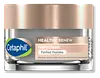
This anti-aging night moisturizer is formulated around Panthenol and Niacinamide to soften the look of wrinkles and strengthen the skin barrier.


What's inside
What's inside
 Key Ingredients
Benefits
Concerns
Ingredients Side-by-side
Water
Skin ConditioningKaolin
Abrasive



Dipropylene Glycol
HumectantPropanediol
Solvent

Cetyl Alcohol
Emollient



Cellulose
Absorbent
Caprylic/Capric Triglyceride
Masking
1,2-Hexanediol
Skin Conditioning
Arachidyl Alcohol
Emollient
Glyceryl Stearate
Emollient
Isononyl Isononanoate
EmollientPalmitic Acid
Emollient
Beta Vulgaris Root Powder 1.5%
Antioxidant
Stearic Acid
Cleansing
Behenyl Alcohol
Emollient
Beta Vulgaris Root Extract
Skin ConditioningCocos Nucifera Fruit Powder
Skin Conditioning
Bentonite
Absorbent
Arachidyl Glucoside
EmulsifyingPrunus Persica Seed Powder
Abrasive
Polyacrylate-13
Xanthan Gum
EmulsifyingHydrogenated Polyisobutene
EmollientPotassium Cetyl Phosphate
EmulsifyingDisodium EDTA
CI 77491
Cosmetic ColorantPolyglyceryl-10 Laurate
Skin Conditioning
Ethylhexyl Palmitate
Emollient

Myristic Acid
Cleansing
Sorbitan Isostearate
Emulsifying
Glucose
Humectant
Panthenol
Skin Conditioning

Sucrose
Humectant
Gluconolactone
Skin Conditioning



Citric Acid
Buffering
Parfum
Masking


Hydroxyacetophenone
Antioxidant
Ethylhexylglycerin
Skin ConditioningWater, Kaolin, Dipropylene Glycol, Propanediol, Cetyl Alcohol, Cellulose, Caprylic/Capric Triglyceride, 1,2-Hexanediol, Arachidyl Alcohol, Glyceryl Stearate, Isononyl Isononanoate, Palmitic Acid, Beta Vulgaris Root Powder 1.5%, Stearic Acid, Behenyl Alcohol, Beta Vulgaris Root Extract, Cocos Nucifera Fruit Powder, Bentonite, Arachidyl Glucoside, Prunus Persica Seed Powder, Polyacrylate-13, Xanthan Gum, Hydrogenated Polyisobutene, Potassium Cetyl Phosphate, Disodium EDTA, CI 77491, Polyglyceryl-10 Laurate, Ethylhexyl Palmitate, Myristic Acid, Sorbitan Isostearate, Glucose, Panthenol, Sucrose, Gluconolactone, Citric Acid, Parfum, Hydroxyacetophenone, Ethylhexylglycerin
Water
Skin ConditioningPropanediol
Solvent
Cetyl Ethylhexanoate
EmollientDibutyl Adipate
EmollientHydrogenated Polydecene
EmollientCoco-Caprylate/Caprate
Emollient
Panthenol
Skin Conditioning
Polyglyceryl-6 Stearate
Emollient
Glycerin
Humectant
Beeswax
Emulsion Stabilising
Cetearyl Alcohol
Emollient
Niacinamide
Smoothing

Palmitic Acid
Emollient
Stearic Acid
Cleansing
Butyrospermum Parkii Butter
Skin Conditioning
Glyceryl Stearate
Emollient
Sodium Acrylate/Sodium Acryloyldimethyl Taurate Copolymer
Emulsion StabilisingCaprylyl Glycol
Emollient
Isohexadecane
EmollientLeontopodium Alpinum Extract
Skin ConditioningPolyglyceryl-6 Behenate
Emulsion Stabilising
Ethylhexylglycerin
Skin ConditioningCarbomer
Emulsion StabilisingTromethamine
BufferingHydrogenated Olive Oil Unsaponifiables
Emollient
Oryza Sativa Lees Extract
Skin ConditioningTocopheryl Acetate
Antioxidant
Polysorbate 80
Emulsifying
1,2-Hexanediol
Skin Conditioning
Adenosine
Skin Conditioning
Sorbitan Oleate
Emulsifying
Citric Acid
Buffering
Sodium Benzoate
Masking
Potassium Sorbate
Preservative
Hydrolyzed Soy Flour
Skin ConditioningBuddleja Davidii Extract
Skin ConditioningThymus Vulgaris Extract
Perfuming
Water, Propanediol, Cetyl Ethylhexanoate, Dibutyl Adipate, Hydrogenated Polydecene, Coco-Caprylate/Caprate, Panthenol, Polyglyceryl-6 Stearate, Glycerin, Beeswax, Cetearyl Alcohol, Niacinamide, Palmitic Acid, Stearic Acid, Butyrospermum Parkii Butter, Glyceryl Stearate, Sodium Acrylate/Sodium Acryloyldimethyl Taurate Copolymer, Caprylyl Glycol, Isohexadecane, Leontopodium Alpinum Extract, Polyglyceryl-6 Behenate, Ethylhexylglycerin, Carbomer, Tromethamine, Hydrogenated Olive Oil Unsaponifiables, Oryza Sativa Lees Extract, Tocopheryl Acetate, Polysorbate 80, 1,2-Hexanediol, Adenosine, Sorbitan Oleate, Citric Acid, Sodium Benzoate, Potassium Sorbate, Hydrolyzed Soy Flour, Buddleja Davidii Extract, Thymus Vulgaris Extract
Reviews
Ingredients Explained
These ingredients are found in both products.
Ingredients higher up in an ingredient list are typically present in a larger amount.
1,2-Hexanediol is a synthetic liquid and another multi-functional powerhouse.
It is a:
- Humectant, drawing moisture into the skin
- Emollient, helping to soften skin
- Solvent, dispersing and stabilizing formulas
- Preservative booster, enhancing the antimicrobial activity of other preservatives
Citric Acid is an alpha hydroxy acid (AHA) naturally found in citrus fruits like oranges, lemons, and limes.
Like other AHAs, citric acid can exfoliate skin by breaking down the bonds that hold dead skin cells together. This helps reveal smoother and brighter skin underneath.
However, this exfoliating effect only happens at high concentrations (20%) which can be hard to find in cosmetic products.
Due to this, citric acid is usually included in small amounts as a pH adjuster. This helps keep products slightly more acidic and compatible with skin's natural pH.
In skincare formulas, citric acid can:
While it can provide some skin benefits, research shows lactic acid and glycolic acid are generally more effective and less irritating exfoliants.
Most citric acid used in skincare today is made by fermenting sugars (usually from molasses). This synthetic version is identical to the natural citrus form but easier to stabilize and use in formulations.
Read more about some other popular AHA's here:
Learn more about Citric AcidEthylhexylglycerin is created from glycerin. It is a multitasker ingredient that:
The CIR Expert Panel found minimal skin absorption or sensitization of any kind in a safety assessment. Though this ingredient is considered well-tolerated, a small number of cases of allergic dermatitis have been published since 2002. Just be sure to patch test if you are unsure.
Industry-reported use ranges from 8% in rinse-off products and 2% in leave-on formulations.
Learn more about EthylhexylglycerinGlyceryl Stearate is made by reacting glycerin with stearic acid (typically sourced from plant oils like palm or coconut). It's an emulsifier, emollient, and mild occlusive.
Emulsifiers help ingredients like oil and water stay mixed so your formula stays nicely blended and uniform in texture.
This ingredient is typically used in concentrations between 1-10%. Studies have found it to be non-sensitizing, non-phototoxic, and non-photoallergenic.
A close cousin of this ingredient is Glyceryl Stearate SE ("self-emulsifying"). This just has a small amount of sodium or potassium stearate added so it can emulsify without a co-emulsifier.
Since this ingredient is an ester of a C18 fatty acid, it may not be fungal acne safe. The Malassezia yeast can potentially metabolize within the C11-C24 range.
Fun fact: The human body also creates Glyceryl Stearate naturally.
Learn more about Glyceryl StearatePalmitic Acid is a fatty acid naturally found in our skin and in many plant and animal sources.
In cosmetics, it is usually derived from palm oil. It serves many purposes in skincare, acting as a cleanser, emollient, and emulsifier.
Interestingly, topically applied Palmitic Acid can be elongated into longer chain fatty acids and ceramides. A 2019 study found low levels of Palmitic Acid lead to slower development of cells, suggesting it plays a role in keeping your skin's renewal process on track.
The CIR (Cosmetic Ingredient Review) panel determined it safe as used in cosmetics at concentrations up to 13%. It is non-irritating and non-sensitizing in clinical studies.
The culprit behind fungal acne, the Malassezia yeast, feeds on fatty acids with carbon chain lengths between C11-C24. Palmitic Acid, at C16, falls right into that sweet spot.
In vitro studies have shown that Palmitic Acid is one of the fatty acids that induce rapid Malassezia growth in lab settings.
It's worth noting that what feeds yeast in a lab doesn't necessarily feed it on your face since formulation and your skin's chemistry play a bigger role.
Learn more about Palmitic AcidPanthenol is a common ingredient that helps hydrate and soothe the skin. It is found naturally in our skin and hair.
There are two forms of panthenol: D and L.
D-panthenol is also known as dexpanthenol. Most cosmetics use dexpanthenol or a mixture of D and L-panthenol.
Panthenol is famous due to its ability to go deeper into the skin's layers. Using this ingredient has numerous pros (and no cons):
Like hyaluronic acid, panthenol is a humectant. Humectants are able to bind and hold large amounts of water to keep skin hydrated.
This ingredient works well for wound healing. It works by increasing tissue in the wound and helps close open wounds.
Once oxidized, panthenol converts to pantothenic acid. Panthothenic acid is found in all living cells.
This ingredient is also referred to as pro-vitamin B5.
Learn more about PanthenolPropanediol is an all-star ingredient. It softens, hydrates, and smooths the skin.
It’s often used to:
Propanediol is not likely to cause sensitivity and considered safe to use. It is derived from corn or petroleum with a clear color and no scent.
Learn more about PropanediolStearic Acid is a fatty acid that is already found in your skin. It's one of the free fatty acids that works alongside ceramides and cholesterols to maintain your barrier.
In cosmetics, it is a multitasker:
Safety-wise, the CIR Expert Panel has concluded it to be safe in cosmetics when formulated to be non-irritating and non-sensitizing.
Free stearic acid is a C18 fatty acid that the Malassezia yeast can substrate, so this ingredient may not be fungal acne safe.
Learn more about Stearic AcidWater. It's the most common cosmetic ingredient of all. You'll usually see it at the top of ingredient lists, meaning that it makes up the largest part of the product.
So why is it so popular? Water most often acts as a solvent - this means that it helps dissolve other ingredients into the formulation.
You'll also recognize water as that liquid we all need to stay alive. If you see this, drink a glass of water. Remember to stay hydrated!
Learn more about Water

