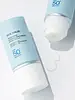
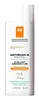
HUE_CALM Birch Aqua Ampoule Sun Cream SPF50+ PA++++ Versus La Roche-Posay Anthelios 50 Mineral Ultra-Light Sunscreen
This chemical sunscreen covers the full UV range and blocks ~98% of UVB at SPF 50.
This hybrid sunscreen covers the full UV range, though its SPF isn't confirmed on file yet.


What's inside
What's inside
 Key Ingredients
Benefits
Concerns
Ingredients Side-by-side
Water
Skin ConditioningBetula Platyphylla Japonica Juice
Skin Conditioning
Dibutyl Adipate
EmollientPropanediol
Solvent
Butyloctyl Salicylate
Skin Conditioning

Diethylamino Hydroxybenzoyl Hexyl Benzoate
UV Filter
Ethylhexyl Triazone
UV Absorber
Niacinamide
Smoothing










Methylene Bis-Benzotriazolyl Tetramethylbutylphenol
UV Filter
Caprylyl Methicone
Skin Conditioning
Diethylhexyl Butamido Triazone
UV Absorber
1,2-Hexanediol
Skin Conditioning
Pentylene Glycol
Skin Conditioning
Polymethylsilsesquioxane
Centella Asiatica Extract
Cleansing
Orange Roughy Oil
Skin Conditioning
Citrus Nobilis Peel Oil
Masking
Litsea Cubeba Fruit Oil
Masking


Sodium Hyaluronate
Humectant
Behenyl Alcohol
Emollient
Poly C10-30 Alkyl Acrylate
Emulsion StabilisingVp/Eicosene Copolymer
Polyglyceryl-3 Methylglucose Distearate
Emulsifying

Dimethicone/Vinyl Dimethicone Crosspolymer
Skin Conditioning
Decyl Glucoside
Cleansing
Tromethamine
BufferingAcrylates/C10-30 Alkyl Acrylate Crosspolymer
Emulsion StabilisingCarbomer
Emulsion StabilisingSodium Stearoyl Glutamate
CleansingEthylhexylglycerin
Skin ConditioningPolyacrylate Crosspolymer-6
Emulsion StabilisingAdenosine
Skin Conditioning
Silica
Abrasive
Glycerin
Humectant
Butylene Glycol
Humectant
Xanthan Gum
EmulsifyingCeramide NP
Skin Conditioning
Panthenol
Skin Conditioning
Hydrolyzed Sodium Hyaluronate
Skin Conditioning
Hydrolyzed Hyaluronic Acid
Humectant
Limonene
Perfuming

Citral
Perfuming
Linalool
Perfuming
Citronellol
Perfuming
Water, Betula Platyphylla Japonica Juice, Dibutyl Adipate, Propanediol, Butyloctyl Salicylate, Diethylamino Hydroxybenzoyl Hexyl Benzoate, Ethylhexyl Triazone, Niacinamide, Methylene Bis-Benzotriazolyl Tetramethylbutylphenol, Caprylyl Methicone, Diethylhexyl Butamido Triazone, 1,2-Hexanediol, Pentylene Glycol, Polymethylsilsesquioxane, Centella Asiatica Extract, Orange Roughy Oil, Citrus Nobilis Peel Oil, Litsea Cubeba Fruit Oil, Sodium Hyaluronate, Behenyl Alcohol, Poly C10-30 Alkyl Acrylate, Vp/Eicosene Copolymer, Polyglyceryl-3 Methylglucose Distearate, Dimethicone/Vinyl Dimethicone Crosspolymer, Decyl Glucoside, Tromethamine, Acrylates/C10-30 Alkyl Acrylate Crosspolymer, Carbomer, Sodium Stearoyl Glutamate, Ethylhexylglycerin, Polyacrylate Crosspolymer-6, Adenosine, Silica, Glycerin, Butylene Glycol, Xanthan Gum, Ceramide NP, Panthenol, Hydrolyzed Sodium Hyaluronate, Hydrolyzed Hyaluronic Acid, Limonene, Citral, Linalool, Citronellol
Titanium Dioxide 6%
Cosmetic Colorant
Zinc Oxide 5%
Cosmetic Colorant
Undecane
EmollientTriethylhexanoin
MaskingIsohexadecane
EmollientNylon-12
Caprylyl Methicone
Skin Conditioning
Butyloctyl Salicylate
Skin Conditioning
Phenethyl Benzoate
Emollient
Styrene/Acrylates Copolymer
Silica
Abrasive
Tridecane
Perfuming
Dicaprylyl Carbonate
EmollientDicaprylyl Ether
Emollient
Talc
Abrasive
Dimethicone/PEG-10/15 Crosspolymer
Aluminum Stearate
Cosmetic ColorantPentylene Glycol
Skin Conditioning
PEG-9 Polydimethylsiloxyethyl Dimethicone
Emulsifying
Alumina
Abrasive
Polyhydroxystearic Acid
Emulsifying
Phenoxyethanol
Preservative
Magnesium Sulfate
Propylene Glycol
Humectant
Caprylyl Glycol
Emollient
PEG-8 Laurate
Emulsifying
Disteardimonium Hectorite
StabilisingTriethoxycaprylylsilane
Diethylhexyl Syringylidenemalonate
Skin Protecting
Tocopherol
Antioxidant

Propylene Carbonate
SolventCassia Alata Leaf Extract
AstringentMaltodextrin
Absorbent
Benzoic Acid
Masking
PEG-9
HumectantTitanium Dioxide 6%, Zinc Oxide 5%, Undecane, Triethylhexanoin, Isohexadecane, Nylon-12, Caprylyl Methicone, Butyloctyl Salicylate, Phenethyl Benzoate, Styrene/Acrylates Copolymer, Silica, Tridecane, Dicaprylyl Carbonate, Dicaprylyl Ether, Talc, Dimethicone/PEG-10/15 Crosspolymer, Aluminum Stearate, Pentylene Glycol, PEG-9 Polydimethylsiloxyethyl Dimethicone, Alumina, Polyhydroxystearic Acid, Phenoxyethanol, Magnesium Sulfate, Propylene Glycol, Caprylyl Glycol, PEG-8 Laurate, Disteardimonium Hectorite, Triethoxycaprylylsilane, Diethylhexyl Syringylidenemalonate, Tocopherol, Propylene Carbonate, Cassia Alata Leaf Extract, Maltodextrin, Benzoic Acid, PEG-9
Ingredients Explained
These ingredients are found in both products.
Ingredients higher up in an ingredient list are typically present in a larger amount.
Butyloctyl Salicylate is a chemical UV filter structurally similar to octisalate. It is a photostabilizer, SPF booster, emollient and solvent. This ingredient helps evenly spread out ingredients.
According to a manufacturer, it is suitable for pairing with micro Titanium Dioxide, Zinc Oxide, and pigments.
Photostabilizers help stabilize UV-filters and prevents them from degrading quickly.
Learn more about Butyloctyl SalicylateCaprylyl Methicone is a synthetic and lightweight silicone fluid. It gives products a silky, dry-touch finish without the heaviness of pure oils.
Though the EU CosIng Database lists this ingredient as a skin conditioner, it is also used for sensory reasons. It spreads easily, cuts greasiness, and reduces tackiness.
This ingredient is volatile which means it will mostly evaporate (but it evaporates slower than older cyclomethicones, like Cyclotetrasiloxane).
Typical concentration ranges from 1-30% depending on if it's being used to tweak the feel of a product or acting as the main emollient.
Learn more about Caprylyl MethiconePentylene Glycol (1,2-pentanediol) is a multitasking little diol with three main roles in a formula:
Research on alkanediols (the family pentylene glycol belongs to) show they work by disrupting microbial cell membranes. This disruption helps the primary preservative system in a product work more effectively at lower doses.
On the safety side, the Cosmetic Ingredient Review Expert Panel has concluded this ingredient to be safe as used in current cosmetic practices + concentrations.
Typical use levels in a formula run about 1-5%.
Learn more about Pentylene GlycolSilica, also known as silicon dioxide, is a naturally occurring mineral. It is used as a fine, spherical, and porous powder in cosmetics.
Though it has exfoliant properties, the function of silica varies depending on the product.
The unique structure of silica enhances the spreadability and adds smoothness, making it a great texture enhancer.
It is also used as an active carrier, emulsifier, and mattifier due to its ability to absorb excess oil.
In some products, tiny microneedles called spicules are made from silica or hydrolyzed sponge. When you rub them in, they lightly polish away dead skin layers and enhance the penetration of active ingredients.
Learn more about Silica

