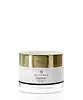
This anti-aging day moisturizer is formulated around Niacinamide and 3-O-Ethyl Ascorbic Acid to soften the look of wrinkles and hydrate skin.
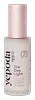
This barrier-repair day moisturizer is formulated around Niacinamide and Ceramide NP to strengthen the skin barrier and hydrate skin.


What's inside
What's inside
 Key Ingredients
Benefits
Concerns
Ingredients Side-by-side
Water
Skin ConditioningC12-15 Alkyl Benzoate
AntimicrobialCetearyl Alcohol
Emollient






Ethylhexyl Salicylate
UV Absorber

Propylheptyl Caprylate
EmollientGlyceryl Stearate
Emollient
Arachidyl Alcohol
Emollient
Coco-Caprylate
Emollient
Diethylhexyl Butamido Triazone
UV Absorber
Behenyl Alcohol
Emollient
Methylpropanediol
SolventButyl Methoxydibenzoylmethane
UV Absorber
Glycerin
Humectant

Simmondsia Chinensis Seed Oil
Emollient
Tocopheryl Acetate
Antioxidant


Niacinamide
Smoothing








Bis-Ethylhexyloxyphenol Methoxyphenyl Triazine
UV Absorber
Butyrospermum Parkii Butter
Skin Conditioning
Potassium Cetyl Phosphate
EmulsifyingBuddleja Davidii Meristem Cell Culture
Skin ConditioningManilkara Multinervis Leaf Extract
Skin ConditioningSilybum Marianum Fruit Extract
Skin Conditioning
Glucuronic Acid
Buffering
3-O-Ethyl Ascorbic Acid
Skin Conditioning
Hydrolyzed Hyaluronic Acid
Humectant
Tocotrienols
Skin Conditioning
Tocopherol
Antioxidant
Ellagic Acid
Skin Conditioning
Anogeissus Leiocarpa Bark Extract
Skin ConditioningPolyacrylate Crosspolymer-6
Emulsion StabilisingPhenoxyethanol
Preservative
Arachidyl Glucoside
EmulsifyingCaprylyl Glycol
Emollient
Hydroxyacetophenone
Antioxidant
Parfum
Masking


Dimethicone
Emollient
Sodium Hyaluronate
Humectant
Phosphatidylcholine
EmulsifyingCaprylhydroxamic Acid
ChelatingEthylhexylglycerin
Skin ConditioningXanthan Gum
EmulsifyingGalactaric Acid
ChelatingPropanediol
Solvent
Lecithin
Emollient
Carnosine
Skin Conditioning
Maltodextrin
Absorbent
Elaeis Guineensis Oil
Emollient
Benzyl Salicylate
Perfuming
Sodium Hydroxide
BufferingLinalool
Perfuming
Ascorbyl Palmitate
Antioxidant
Hydroxycitronellal
Perfuming
Geraniol
Perfuming
Cinnamyl Alcohol
Perfuming
Citric Acid
Buffering
Water, C12-15 Alkyl Benzoate, Cetearyl Alcohol, Ethylhexyl Salicylate, Propylheptyl Caprylate, Glyceryl Stearate, Arachidyl Alcohol, Coco-Caprylate, Diethylhexyl Butamido Triazone, Behenyl Alcohol, Methylpropanediol, Butyl Methoxydibenzoylmethane, Glycerin, Simmondsia Chinensis Seed Oil, Tocopheryl Acetate, Niacinamide, Bis-Ethylhexyloxyphenol Methoxyphenyl Triazine, Butyrospermum Parkii Butter, Potassium Cetyl Phosphate, Buddleja Davidii Meristem Cell Culture, Manilkara Multinervis Leaf Extract, Silybum Marianum Fruit Extract, Glucuronic Acid, 3-O-Ethyl Ascorbic Acid, Hydrolyzed Hyaluronic Acid, Tocotrienols, Tocopherol, Ellagic Acid, Anogeissus Leiocarpa Bark Extract, Polyacrylate Crosspolymer-6, Phenoxyethanol, Arachidyl Glucoside, Caprylyl Glycol, Hydroxyacetophenone, Parfum, Dimethicone, Sodium Hyaluronate, Phosphatidylcholine, Caprylhydroxamic Acid, Ethylhexylglycerin, Xanthan Gum, Galactaric Acid, Propanediol, Lecithin, Carnosine, Maltodextrin, Elaeis Guineensis Oil, Benzyl Salicylate, Sodium Hydroxide, Linalool, Ascorbyl Palmitate, Hydroxycitronellal, Geraniol, Cinnamyl Alcohol, Citric Acid
Rosa Centifolia Flower Water
Skin ConditioningPropanediol
Solvent
Glycerin
Humectant
Niacinamide
Smoothing
Caprylic/Capric Triglyceride
Masking
Water
Skin ConditioningDicaprylyl Carbonate
Emollient1,2-Hexanediol
Skin Conditioning
Butylene Glycol
Humectant
Cetearyl Olivate
Artemisia Princeps Leaf Extract
Skin ConditioningPunica Granatum Fruit Extract
Antioxidant
Sodium Hyaluronate
Humectant
Origanum Vulgare Leaf Extract
Skin ConditioningSalix Alba Bark Extract
Astringent
Hyaluronic Acid
Humectant
Sclerotium Gum
Emulsion StabilisingChamaecyparis Obtusa Leaf Extract
Skin ConditioningCinnamomum Cassia Bark Extract
Masking
Lactobacillus/Soybean Ferment Extract
Skin ConditioningPortulaca Oleracea Extract
Skin Conditioning
Scutellaria Baicalensis Root Extract
Astringent
Saccharide Isomerate
Humectant
Cetyl Ethylhexanoate
EmollientAcetyl Hexapeptide-8
Humectant
Sorbitan Olivate
Emulsifying
Polyglyceryl-3 Distearate
Emulsifying
Glyceryl Stearate Citrate
Emollient
Ceramide NP
Skin Conditioning
Cyanocobalamin
Skin ConditioningCopper Tripeptide-1
Skin Conditioning
Oligopeptide-29
Antioxidant
Oligopeptide-32
Antiseborrhoeic
Palmitoyl Pentapeptide-4
Skin Conditioning
Xanthan Gum
EmulsifyingEthylhexylglycerin
Skin ConditioningTocopherol
Antioxidant
Rosa Centifolia Flower Water, Propanediol, Glycerin, Niacinamide, Caprylic/Capric Triglyceride, Water, Dicaprylyl Carbonate, 1,2-Hexanediol, Butylene Glycol, Cetearyl Olivate, Artemisia Princeps Leaf Extract, Punica Granatum Fruit Extract, Sodium Hyaluronate, Origanum Vulgare Leaf Extract, Salix Alba Bark Extract, Hyaluronic Acid, Sclerotium Gum, Chamaecyparis Obtusa Leaf Extract, Cinnamomum Cassia Bark Extract, Lactobacillus/Soybean Ferment Extract, Portulaca Oleracea Extract, Scutellaria Baicalensis Root Extract, Saccharide Isomerate, Cetyl Ethylhexanoate, Acetyl Hexapeptide-8, Sorbitan Olivate, Polyglyceryl-3 Distearate, Glyceryl Stearate Citrate, Ceramide NP, Cyanocobalamin, Copper Tripeptide-1, Oligopeptide-29, Oligopeptide-32, Palmitoyl Pentapeptide-4, Xanthan Gum, Ethylhexylglycerin, Tocopherol
Reviews
Ingredients Explained
These ingredients are found in both products.
Ingredients higher up in an ingredient list are typically present in a larger amount.
Ethylhexylglycerin is created from glycerin. It is a multitasker ingredient that:
The CIR Expert Panel found minimal skin absorption or sensitization of any kind in a safety assessment. Though this ingredient is considered well-tolerated, a small number of cases of allergic dermatitis have been published since 2002. Just be sure to patch test if you are unsure.
Industry-reported use ranges from 8% in rinse-off products and 2% in leave-on formulations.
Learn more about EthylhexylglycerinGlycerin (or glycerol) is a compound naturally found in your skin. It's a powerhouse humectant that pulls water into the stratum corneum.
Topically, glycerin does several things at once:
Your skin makes glycerin on its own (mostly from sebaceous oil breakdown) and shuttles it to your outermost layer of skin, or your epidermis, via aquaporin-3.
Aquaporin-3 is a transporter that is essential for normal skin hydration, elasticity, and repair. Interestingly, mice lacking in AQP3 have dry and less elastic skin that can be fully corrected with glycerin.
This ingredient is non-irritating, plays well with almost every ingredient, and works across all skin types. Typical use is anywhere between 3-10% but can go up to 79% in some leave-on products.
Just know very high concentrations (>40%) can feel tacky in low humidity.
Glycerin is the name for this ingredient in American English. British English uses Glycerol/Glycerine.
Learn more about GlycerinNiacinamide is a multitasking form of vitamin B3 that strengthens the skin barrier, reduces pores and dark spots, regulates oil, and improves signs of aging.
And the best part? It's gentle and well-tolerated by most skin types, including sensitive and reactive skin.
You might have heard of "niacin flush", or the reddening of skin that causes itchiness. Niacinamide has not been found to cause this.
In very rare cases, some individuals may not be able to tolerate niacinamide at all or experience an allergic reaction to it.
If you are experiencing flaking, irritation, and dryness with this ingredient, be sure to double check all your products as this ingredient can be found in all categories of skincare.
When incorporating niacinamide into your routine, look out for concentration amounts. Typically, 5% niacinamide provides benefits such as fading dark spots. However, if you have sensitive skin, it is better to begin with a smaller concentration.
When you apply niacinamide to your skin, your body converts it into nicotinamide adenine dinucleotide (NAD). NAD is an essential coenzyme that is already found in your cells as "fuel" and powers countless biological processes.
In your skin, NAD helps repair cell damage, produce new healthy cells, support collagen production, strengthen the skin barrier, and fight environmental stressors (like UV and pollution).
Our natural NAD levels start to decline with age, leading to slower skin repair, visible aging, and a weaker skin barrier. By providing your skin niacinamide, you're recharging your skin's NAD levels. This leads to stronger, healthier, and younger looking skin.
Another name for vitamin B3 is nicotinamide. This vitamin is water-soluble and our bodies don't store it. We obtain Vitamin B3 from either food or skincare. Meat, fish, wheat, yeast, and leafy greens contain vitamin B3.
The type of niacinamide used in skincare is synthetically created.
Learn more about NiacinamidePropanediol is an all-star ingredient. It softens, hydrates, and smooths the skin.
It’s often used to:
Propanediol is not likely to cause sensitivity and considered safe to use. It is derived from corn or petroleum with a clear color and no scent.
Learn more about PropanediolSodium Hyaluronate is the salt form of hyaluronic acid. It is a long sugar chain that is naturally found in your skin, joints, and connective tissue that maintains hydration and elasticity.
In skincare, it works as a humectant. It pulls water from the environment and deeper layers of skin and binds it to the surface.
Interestingly, the size of the molecule affects its behavior:
Some clinical evidence links low molecular weight versions to improved wrinkle depth, elasticity, anti-inflammatory effects, and barrier repair.
Many serums use a blend of both weights so you can get surface hydration plus longer-lasting and deeper effects.
You'll typically see concentrations between 0.1-2% for this ingredient.
Learn more about Sodium HyaluronateTocopherol is a fat-soluble antioxidant known as Vitamin E.
You'll find this ingredient in the vast majority of skincare (for good reason). It works to neutralize free radicals, or unstable molecules generated by UV exposure, pollution, and other environmental stressors, before they can cause oxidative damage to your skin cells.
Topically applied tocopherol has been shown to protect against UV damage by ramping up the skin's own natural defense enzymes.
It also acts as a skin conditioning agent; some studies show that regular topical use can improve the skin's water-binding capacity over 2-4 weeks.
This ingredient is especially loved for being a team player. When combined with Vitamin C, the photoprotective effect of both ingredients roughly doubles and the combo also helps reduce UV-induced DNA damage.
This ingredient has some brightening potential but it's more of a prevention ingredient than spot-fader. Cell studies show it can slow down melanin production but it's worth noting that it's not the most powerful brightener out there.
In formulations, it also serves as a stabilizer that helps protect other oxidation-prone ingredients from degrading.
Concentrations usually range from 0.1-1% in most leave-on products.
Learn more about TocopherolWater. It's the most common cosmetic ingredient of all. You'll usually see it at the top of ingredient lists, meaning that it makes up the largest part of the product.
So why is it so popular? Water most often acts as a solvent - this means that it helps dissolve other ingredients into the formulation.
You'll also recognize water as that liquid we all need to stay alive. If you see this, drink a glass of water. Remember to stay hydrated!
Learn more about WaterXanthan gum is used as a stabilizer and thickener within cosmetic products. It helps give products a sticky, thick feeling - preventing them from being too runny.
On the technical side of things, xanthan gum is a polysaccharide - a combination consisting of multiple sugar molecules bonded together.
Xanthan gum is a pretty common and great ingredient. It is a natural, non-toxic, non-irritating ingredient that is also commonly used in food products.
Learn more about Xanthan Gum


