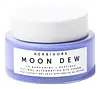
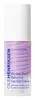
Herbivore Moon Dew 1% Bakuchiol + Peptides Retinol Alternative Eye Cream Versus Olehenriksen Wrinkle Blur Bakuchiol Eye Gel Creme
This anti-aging eye moisturizer is formulated around Bakuchiol and Chenopodium Quinoa Seed Extract to soften the look of wrinkles and hydrate skin.
This anti-aging eye moisturizer is formulated around Bakuchiol and Palmitoyl Tripeptide-1 to soften the look of wrinkles and refine skin texture.


What's inside
What's inside
 Key Ingredients
Benefits
Concerns
Ingredients Side-by-side
Water
Skin ConditioningCaprylic/Capric Triglyceride
Masking


Octyldodecanol
Emollient
Glycerin
Humectant
Cetearyl Alcohol
Emollient




Squalane
Emollient
Butyrospermum Parkii Butter
Skin Conditioning
Glyceryl Stearate
Emollient
Vaccinium Myrtillus Seed Oil
Skin Conditioning
Cetearyl Olivate
Melia Azadirachta Flower Extract
Skin ConditioningGlyceryl Caprylate
EmollientSorbitan Olivate
Emulsifying
Bakuchiol
Antimicrobial







Pullulan
Aloe Barbadensis Flower Extract
EmollientChenopodium Quinoa Seed Extract
Skin Conditioning
Coccinia Indica Fruit Extract
Skin Conditioning
Corallina Officinalis Extract
Skin Conditioning
Melia Azadirachta Leaf Extract
Skin ConditioningRosa Damascena Extract
MaskingTremella Fuciformis Sporocarp Extract
Antioxidant
Vaccinium Angustifolium Fruit Extract
Skin Protecting
Vanilla Planifolia Fruit Extract
Skin Conditioning
Citrus Aurantium Amara Leaf/Twig Extract
Skin ConditioningCitrus Aurantium Dulcis Peel Extract
Emulsion Stabilising
Musa Sapientum Fruit Extract
Skin ConditioningPyrus Malus Fruit Extract
Skin Conditioning
Rubus Idaeus Fruit Extract
AstringentLavandula Angustifolia Flower/Leaf/Stem Extract
Masking
Gleditsia Triacanthos Seed Extract
Ocimum Basilicum Flower/Leaf Extract
TonicCurcuma Longa Root Extract
Antioxidant
Ocimum Sanctum Leaf Extract
Skin ConditioningSolanum Melongena Fruit Extract
Skin ConditioningDecyl Glucoside
Cleansing
Lauryl Glucoside
CleansingSodium Stearoyl Glutamate
CleansingCetyl Hydroxyethylcellulose
Emulsion StabilisingCitric Acid
Buffering
Caprylhydroxamic Acid
ChelatingAlcohol
Antimicrobial

Hydrated Silica
Abrasive
Sodium Nitrate
SoothingDisodium Phosphate
BufferingSilica Dimethyl Silylate
EmollientSodium Phosphate
BufferingCaprylyl Glycol
Emollient
Sodium Benzoate
Masking
Water, Caprylic/Capric Triglyceride, Octyldodecanol, Glycerin, Cetearyl Alcohol, Squalane, Butyrospermum Parkii Butter, Glyceryl Stearate, Vaccinium Myrtillus Seed Oil, Cetearyl Olivate, Melia Azadirachta Flower Extract, Glyceryl Caprylate, Sorbitan Olivate, Bakuchiol, Pullulan, Aloe Barbadensis Flower Extract, Chenopodium Quinoa Seed Extract, Coccinia Indica Fruit Extract, Corallina Officinalis Extract, Melia Azadirachta Leaf Extract, Rosa Damascena Extract, Tremella Fuciformis Sporocarp Extract, Vaccinium Angustifolium Fruit Extract, Vanilla Planifolia Fruit Extract, Citrus Aurantium Amara Leaf/Twig Extract, Citrus Aurantium Dulcis Peel Extract, Musa Sapientum Fruit Extract, Pyrus Malus Fruit Extract, Rubus Idaeus Fruit Extract, Lavandula Angustifolia Flower/Leaf/Stem Extract, Gleditsia Triacanthos Seed Extract, Ocimum Basilicum Flower/Leaf Extract, Curcuma Longa Root Extract, Ocimum Sanctum Leaf Extract, Solanum Melongena Fruit Extract, Decyl Glucoside, Lauryl Glucoside, Sodium Stearoyl Glutamate, Cetyl Hydroxyethylcellulose, Citric Acid, Caprylhydroxamic Acid, Alcohol, Hydrated Silica, Sodium Nitrate, Disodium Phosphate, Silica Dimethyl Silylate, Sodium Phosphate, Caprylyl Glycol, Sodium Benzoate
Water
Skin ConditioningDimethicone
Emollient
Glycerin
Humectant
Neopentyl Glycol Diheptanoate
EmollientPentylene Glycol
Skin Conditioning
Dimethicone Crosspolymer
Emulsion Stabilising
Propanediol
Solvent
Bakuchiol
Antimicrobial
Palmitoyl Tripeptide-1
Skin Conditioning
Palmitoyl Tetrapeptide-7
Skin Conditioning
Hydrolyzed Rice Protein
Skin ConditioningCalanthe Discolor Extract
Skin ConditioningAloe Barbadensis Leaf Juice
Skin Conditioning
Chamomilla Recutita Flower Extract
Masking
Glycyrrhiza Glabra Root Extract
Bleaching
Santalum Album Extract
CleansingCitrus Limon Fruit Extract
Masking
Saccharum Officinarum Extract
MoisturisingGlycine Soja Protein
EmulsifyingBiotin
AntiseborrhoeicPanthenol
Skin Conditioning
Tocopheryl Acetate
Antioxidant
Allantoin
Skin Conditioning
Pullulan
Superoxide Dismutase
Antioxidant
Chrysin
Skin ConditioningLeuconostoc/Radish Root Ferment Filtrate
Antimicrobial
Gluconolactone
Chelating


N-Hydroxysuccinimide
Skin ConditioningCaprylhydroxamic Acid
ChelatingPEG/PPG-18/18 Dimethicone
Emulsifying
Triethoxycaprylylsilane
Tetrasodium Glutamate Diacetate
ChelatingSteareth-20
CleansingGlyceryl Acrylate/Acrylic Acid Copolymer
HumectantSodium Dextran Sulfate
Gel FormingXanthan Gum
EmulsifyingCarbomer
Emulsion StabilisingSodium Citrate
BufferingSodium Glycolate
BufferingCitric Acid
Buffering
Calcium Gluconate
HumectantSodium Formate
Buffering
Sodium Hydroxide
Buffering1,2-Hexanediol
Skin Conditioning
Caprylyl Glycol
Emollient
Potassium Sorbate
Preservative
Chlorhexidine Digluconate
Antimicrobial
Sodium Benzoate
Masking
Phenoxyethanol
Preservative
Parfum
Masking
Limonene
Perfuming
Linalool
Perfuming
Citral
Perfuming
CI 77007
Cosmetic ColorantCI 77891
Cosmetic ColorantWater, Dimethicone, Glycerin, Neopentyl Glycol Diheptanoate, Pentylene Glycol, Dimethicone Crosspolymer, Propanediol, Bakuchiol, Palmitoyl Tripeptide-1, Palmitoyl Tetrapeptide-7, Hydrolyzed Rice Protein, Calanthe Discolor Extract, Aloe Barbadensis Leaf Juice, Chamomilla Recutita Flower Extract, Glycyrrhiza Glabra Root Extract, Santalum Album Extract, Citrus Limon Fruit Extract, Saccharum Officinarum Extract, Glycine Soja Protein, Biotin, Panthenol, Tocopheryl Acetate, Allantoin, Pullulan, Superoxide Dismutase, Chrysin, Leuconostoc/Radish Root Ferment Filtrate, Gluconolactone, N-Hydroxysuccinimide, Caprylhydroxamic Acid, PEG/PPG-18/18 Dimethicone, Triethoxycaprylylsilane, Tetrasodium Glutamate Diacetate, Steareth-20, Glyceryl Acrylate/Acrylic Acid Copolymer, Sodium Dextran Sulfate, Xanthan Gum, Carbomer, Sodium Citrate, Sodium Glycolate, Citric Acid, Calcium Gluconate, Sodium Formate, Sodium Hydroxide, 1,2-Hexanediol, Caprylyl Glycol, Potassium Sorbate, Chlorhexidine Digluconate, Sodium Benzoate, Phenoxyethanol, Parfum, Limonene, Linalool, Citral, CI 77007, CI 77891
Reviews
Ingredients Explained
These ingredients are found in both products.
Ingredients higher up in an ingredient list are typically present in a larger amount.
Bakuchiol is a plant-derived antioxidant from the seeds of the Psoralea corylifolia plant. It has antimicrobial, emollient, skin conditioning, and antioxidant properties.
You'll likely see it called a "retinol replacement" but the two are technically not related. This is because bakuchiol is able to flip many of the same switches in your skin cells to tell them to:
1) produce more collagen (type I, III, and IV)
2) activate the same genes retinoids do
Unlike retinoids, this ingredient will not increase photosensitivity and is safe to use during pregnancy (but please still check in with your doctor!).
The flagship clinical trial from Dhaliwal et al. 2019 found 0.5% bakuchiol (twice daily) and 0.5% retinol (once daily) reduced wrinkles and hyperpigmentation equally, but bakuchiol had significantly less irritation.
Systematic reviews also back this up:
Bakuchiol is comparable to retinol for photoaging but with better tolerability. It also has mild antibacterial properties against Cutibacterium acnes and antifungal activity in vitro against Candida and dermatophytes.
The reason bakuchiol works well is due to its structure; it is a meroterpene phenol, or a hybrid molecule. The phenol half acts as an antioxidant while the terpene half is fat-loving. This helps the molecule slip through the skin barrier.
This ingredient is usually used between 0.5-2%. Only one case of contact dermatitis has ever been reported for this ingredient.
Learn more about BakuchiolCaprylhydroxamic Acid is a chelating agent that helps cosmetics stay fresh, stable, and consistent over time.
Chelating agents help prevent metal ions from binding to other ingredients. This helps prevent unwanted reactions and effects from using the product. It also helps prevent the growth of unwanted microbes in products that contain water.
Caprylhydroxamic Acid is often used with natural antimicrobial products as an alternative to preservatives.
Learn more about Caprylhydroxamic AcidCaprylyl Glycol is a humectant, skin conditioner, emollient, and preservative booster derived from either caprylic acid or synthetically created.
Typical use levels vary from 0.3-1% as a preservative booster and go up to 2% to condition skin.
Because it is not a free-fatty acid, this ingredient is fungal acne safe (there's nothing for Malassezia to feed on).
Learn more about Caprylyl GlycolCitric Acid is an alpha hydroxy acid (AHA) naturally found in citrus fruits like oranges, lemons, and limes.
Like other AHAs, citric acid can exfoliate skin by breaking down the bonds that hold dead skin cells together. This helps reveal smoother and brighter skin underneath.
However, this exfoliating effect only happens at high concentrations (20%) which can be hard to find in cosmetic products.
Due to this, citric acid is usually included in small amounts as a pH adjuster. This helps keep products slightly more acidic and compatible with skin's natural pH.
In skincare formulas, citric acid can:
While it can provide some skin benefits, research shows lactic acid and glycolic acid are generally more effective and less irritating exfoliants.
Most citric acid used in skincare today is made by fermenting sugars (usually from molasses). This synthetic version is identical to the natural citrus form but easier to stabilize and use in formulations.
Rosacea skin has a lower threshold for acids generally, with 62.5% of rosacea subjects in one study reacting to lactic acid in a sting test. This is why we mark citric acid as a potential rosacea trigger.
However, this ingredient shows up as a pH adjuster or chelator at roughly 0.1-1% in many products. These low levels are unlikely to be an issue for rosacea skin and becomes a potential trigger at exfoliating concentrations (20%). Because everybody's skin is unique, we recommend a patch test if you are unsure.
Learn more about Citric AcidGlycerin (or glycerol) is a compound naturally found in your skin. It's a powerhouse humectant that pulls water into the stratum corneum.
Topically, glycerin does several things at once:
Your skin makes glycerin on its own (mostly from sebaceous oil breakdown) and shuttles it to your outermost layer of skin, or your epidermis, via aquaporin-3.
Aquaporin-3 is a transporter that is essential for normal skin hydration, elasticity, and repair. Interestingly, mice lacking in AQP3 have dry and less elastic skin that can be fully corrected with glycerin.
This ingredient is non-irritating, plays well with almost every ingredient, and works across all skin types. Typical use is anywhere between 3-10% but can go up to 79% in some leave-on products.
Just know very high concentrations (>40%) can feel tacky in low humidity.
Glycerin is the name for this ingredient in American English. British English uses Glycerol/Glycerine.
Learn more about GlycerinPullulan is a low viscosity polysaccharide (a long chain carbohydrate) with binding and film forming properties when dissolved in water. It is used to create a "silicone-like" or silky feel in cosmetics without adding viscosity.
According to a manufacturer, this ingredient's ability to easily dissolves makes it a great carrier for active ingredients.
Due to it being edible and tasteless, you'll likely find this ingredient in breath freshener strips. This ingredient is produced from the starch of the fungus, Aureobasidium pullulans.
Pullulan is stable over a broad-range of pH.
Learn more about PullulanSodium Benzoate is a preservative. It's used in both cosmetic and food products to inhibit the growth of mold and bacteria. It is typically produced synthetically.
Both the US FDA and EU Health Committee have approved the use of sodium benzoate. In the US, levels of 0.1% (of the total product) are allowed.
Sodium benzoate works as a preservative by inhibiting the growth of bacteria inside of cells. It prevents the cell from fermenting a type of sugar using an enzyme called phosphofructokinase.
It is the salt of benzoic acid. Foods containing sodium benzoate include soda, salad dressings, condiments, fruit juices, wines, and snack foods.
Studies for using ascorbic acid and sodium benzoate in cosmetics are lacking, especially in skincare routines with multiple steps.
We always recommend speaking with a professional, such as a dermatologist, if you have any concerns.
Learn more about Sodium BenzoateWater. It's the most common cosmetic ingredient of all. You'll usually see it at the top of ingredient lists, meaning that it makes up the largest part of the product.
So why is it so popular? Water most often acts as a solvent - this means that it helps dissolve other ingredients into the formulation.
You'll also recognize water as that liquid we all need to stay alive. If you see this, drink a glass of water. Remember to stay hydrated!
Learn more about Water

