
What's inside
What's inside
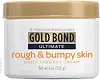 Key Ingredients
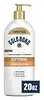
Benefits
Concerns
Ingredients Side-by-side
Water
Skin ConditioningGluconolactone
Chelating







Hydroxyethyl Urea
Humectant
Butyrospermum Parkii Butter Extract
Skin Conditioning

Cetyl Alcohol
Emollient

Ammonium Lactate
Buffering

Petrolatum
Emollient

Potassium Hydroxide
BufferingPropanediol
Solvent
Salicylic Acid
Masking



Dimethicone
Emollient
Glyceryl Stearate
Emollient
Steareth-21
CleansingAloe Barbadensis Leaf Juice
Skin Conditioning

Jojoba Esters
Emollient
Theobroma Cacao Seed Butter
Emollient
Caprylyl Methicone
Skin Conditioning
Polyacrylate Crosspolymer-6
Emulsion StabilisingPPG-3 Benzyl Ether Myristate
EmollientCitrus Limon Fruit Extract
Masking
Citrus Aurantium Dulcis Fruit Extract
MaskingPyrus Malus Fruit Extract
Skin Conditioning
Saccharum Officinarum Extract
MoisturisingZingiber Officinale Root Extract
Masking
Camellia Sinensis Leaf Extract
Antimicrobial
Tocopheryl Acetate
Antioxidant
Magnesium Ascorbyl Phosphate
Antioxidant
Panthenol
Skin Conditioning
Bisabolol
Antioxidant
Polyglyceryl-4 Laurate/Succinate
Stearamidopropyl Pg-Dimonium Chloride Phosphate
Phenoxyethanol
Preservative
Propylene Glycol
Humectant
Hydroxyethylcellulose
Emulsion StabilisingWater, Gluconolactone, Hydroxyethyl Urea, Butyrospermum Parkii Butter Extract, Cetyl Alcohol, Ammonium Lactate, Petrolatum, Potassium Hydroxide, Propanediol, Salicylic Acid, Dimethicone, Glyceryl Stearate, Steareth-21, Aloe Barbadensis Leaf Juice, Jojoba Esters, Theobroma Cacao Seed Butter, Caprylyl Methicone, Polyacrylate Crosspolymer-6, PPG-3 Benzyl Ether Myristate, Citrus Limon Fruit Extract, Citrus Aurantium Dulcis Fruit Extract, Pyrus Malus Fruit Extract, Saccharum Officinarum Extract, Zingiber Officinale Root Extract, Camellia Sinensis Leaf Extract, Tocopheryl Acetate, Magnesium Ascorbyl Phosphate, Panthenol, Bisabolol, Polyglyceryl-4 Laurate/Succinate, Stearamidopropyl Pg-Dimonium Chloride Phosphate, Phenoxyethanol, Propylene Glycol, Hydroxyethylcellulose
Water
Skin ConditioningGlycerin
Humectant
Hydroxyethyl Urea
Humectant
Dimethicone
Emollient
Cocos Nucifera Oil
Masking
Jojoba Esters
Emollient
Petrolatum
Emollient
Steareth-21
CleansingCetyl Alcohol
Emollient
Distearyldimonium Chloride
Aloe Barbadensis Leaf Juice
Skin Conditioning
Stearyl Alcohol
Emollient
Cyclopentasiloxane
Emollient
Cetearyl Alcohol
Emollient
Behentrimonium Methosulfate
SurfactantButyrospermum Parkii Butter Extract
Skin Conditioning
Glyceryl Stearate
Emollient
Methyl Gluceth-20
Humectant
Theobroma Cacao Seed Butter
Emollient
Silk Amino Acids
HumectantPanthenol
Skin Conditioning
Ceramide Ng
Skin Conditioning
Chamomilla Recutita Flower Extract
Masking
Magnesium Ascorbyl Phosphate
Antioxidant
Tocopheryl Acetate
Antioxidant
Retinyl Palmitate
Skin Conditioning

Hydrolyzed Jojoba Esters
Skin Conditioning
Palmitoyl Hexapeptide-12
Skin Conditioning
Lavandula Angustifolia Extract
Skin Conditioning
Acacia Farnesiana Flower Extract
Perfuming
Ethylhexylglycerin
Skin ConditioningPEG-10 Phytosterol
EmulsifyingButylene Glycol
Humectant
Dimethiconol
Emollient
C12-15 Alkyl Benzoate
AntimicrobialPropylene Glycol
Humectant
Stearamidopropyl Pg-Dimonium Chloride Phosphate
Polysorbate 60
Emulsifying
EDTA
ChelatingMethylparaben
Preservative

Parfum
Masking
Potassium Hydroxide
BufferingRosmarinus Officinalis Leaf Extract
AntimicrobialIsopropyl Myristate
Emollient
Tribehenin
Emollient
Water, Glycerin, Hydroxyethyl Urea, Dimethicone, Cocos Nucifera Oil, Jojoba Esters, Petrolatum, Steareth-21, Cetyl Alcohol, Distearyldimonium Chloride, Aloe Barbadensis Leaf Juice, Stearyl Alcohol, Cyclopentasiloxane, Cetearyl Alcohol, Behentrimonium Methosulfate, Butyrospermum Parkii Butter Extract, Glyceryl Stearate, Methyl Gluceth-20, Theobroma Cacao Seed Butter, Silk Amino Acids, Panthenol, Ceramide Ng, Chamomilla Recutita Flower Extract, Magnesium Ascorbyl Phosphate, Tocopheryl Acetate, Retinyl Palmitate, Hydrolyzed Jojoba Esters, Palmitoyl Hexapeptide-12, Lavandula Angustifolia Extract, Acacia Farnesiana Flower Extract, Ethylhexylglycerin, PEG-10 Phytosterol, Butylene Glycol, Dimethiconol, C12-15 Alkyl Benzoate, Propylene Glycol, Stearamidopropyl Pg-Dimonium Chloride Phosphate, Polysorbate 60, EDTA, Methylparaben, Parfum, Potassium Hydroxide, Rosmarinus Officinalis Leaf Extract, Isopropyl Myristate, Tribehenin
Reviews
Ingredients Explained
These ingredients are found in both products.
Ingredients higher up in an ingredient list are typically present in a larger amount.
Aloe Barbadensis Leaf Juice is the filtered, stabilized liquid pressed from the inner gel of the aloe vera leaf.
In cosmetics, it shows up as either soothing active or a water-replacement base. It is roughly 98-99% water and the last 1-2% is an interesting mix of polysaccharides, amino acids, vitamins, minerals, and enzymes.
The polysaccharides do most of the work: they bind water at the skin surface for a light, non-greasy hydration boost. And one of the polysaccharides, glycomannan, is linked to fibroblast stimulation + collagen synthesis. This is also why aloe has such a long track record in wound and burn healing.
This ingredient is also calming with anti-inflammatory and mild antimicrobial activity, making it a great pick for sensitive, irritated, or post-sun skin.
Realistic expectations matter though; the solid evidence is mostly limited to hydration, soothing, and wound support. Deeper claims about anti-aging or sun protection are not well backed, and science reviews note it does not prevent radiation-induced skin injury.
Because it plays well with almost everything, it's commonly used as a base alongside other actives like niacinamide or vitamin C.
Typical usage concentrations range from 0.5% (where hydration benefits already show up) all the way to 90%+ (where it replaces water as the main base).
The safety for this ingredient is well-establish as well. Overall, this is a great supporting ingredient for those who want a boost in hydration.
Learn more about Aloe Barbadensis Leaf JuiceButyrospermum Parkii Butter Extract is from the fruit of the Shea Tree. It is an effective skin hydrator and emollient.
Shea butter is rich in antioxidants. Antioxidants help fight free-radicals, or molecules that may harm the body. It is also full of fatty acids including stearic acid and linoleic acid. These acids help replenish the skin and keep skin moisturized.
Cetyl Alcohol is a fatty alcohol. Fatty Alcohols are most often used as an emollient or to thicken a product.
Its main roles are:
Though it has "alcohol" in the name, it is not related to denatured alcohol or ethyl alcohol.
The FDA allows products labeled "alcohol-free" to have fatty alcohols.
This ingredient may not be fungal acne safe. It is a primary fatty alcohol with a chain length above 12 carbons. A study from 2019 show Malassezia can feed on fatty alcohols in this range, so it may trigger fungal acne in those prone to it.
Learn more about Cetyl AlcoholDimethicone is a type of synthetic silicone created from natural materials such as quartz. It is also known as polydimethylsiloxane.
What it does:
Dimethicone comes in different viscosities:
Depending on the viscosity, dimethicone has different properties.
Ingredients lists don't always show which type is used, so we recommend reaching out to the brand if you have questions about the viscosity.
This ingredient is unlikely to cause irritation because it does not get absorbed into skin. However, people with silicone allergies should be careful about using this ingredient.
Note: Dimethicone may contribute to pilling. This is because it is not oil or water soluble, so pilling may occur when layered with products. When mixed with heavy oils in a formula, the outcome is also quite greasy.
Learn more about DimethiconeGlyceryl Stearate is made by reacting glycerin with stearic acid (typically sourced from plant oils like palm or coconut). It's an emulsifier, emollient, and mild occlusive.
Emulsifiers help ingredients like oil and water stay mixed so your formula stays nicely blended and uniform in texture.
This ingredient is typically used in concentrations between 1-10%. Studies have found it to be non-sensitizing, non-phototoxic, and non-photoallergenic.
A close cousin of this ingredient is Glyceryl Stearate SE ("self-emulsifying"). This just has a small amount of sodium or potassium stearate added so it can emulsify without a co-emulsifier.
Since this ingredient is an ester of a C18 fatty acid, it may not be fungal acne safe. The Malassezia yeast can potentially metabolize within the C11-C24 range.
Fun fact: The human body also creates Glyceryl Stearate naturally.
Learn more about Glyceryl StearateJojoba Esters is a wax created from Jojoba oil. It is an emollient and film-forming ingredient. In bead form, it is an exfoliator.
This ingredient has high oxidative stability, meaning it doesn't break down when exposed to oxygen.
Its similarity to our skin's natural oils makes it a great emollient. Emollients help soften and soothe our skin by creating a barrier on top. This barrier helps trap moisture in, keeping skin hydrated.
It is created using either the hydrogenation or transesterification processes on jojoba oil.
Learn more about Jojoba EstersMagnesium Ascorbyl Phosphate (MAP) is a water-soluble form of Vitamin C. It is used in skincare because it tends to be more formulation friendly than pure vitamin C (ascorbic acid).
According to research, MAP has three major benefits:
While MAP is gentler on the skin than ascorbic acid, it is thought to be less easily absorbed into the skin.
In a well-known absorption study, pure vitamin C increased skin vitamin C levels when formulated correctly, but derivatives like MAP did not in that experiment. This suggests MAP may not always convert into active vitamin C in the skin.
Due to MAP's stability up to a pH level of 7, it is more stable to air and sunlight exposure than ascorbic acid. The best pH range for MAP is between 5 and 6.
Learn more about Magnesium Ascorbyl PhosphatePanthenol is a common ingredient that helps hydrate and soothe the skin. It is found naturally in our skin and hair.
There are two forms of panthenol: D and L.
D-panthenol is also known as dexpanthenol. Most cosmetics use dexpanthenol or a mixture of D and L-panthenol.
Panthenol is famous due to its ability to go deeper into the skin's layers. Using this ingredient has numerous pros (and no cons):
Like hyaluronic acid, panthenol is a humectant. Humectants are able to bind and hold large amounts of water to keep skin hydrated.
This ingredient works well for wound healing. It works by increasing tissue in the wound and helps close open wounds.
Once oxidized, panthenol converts to pantothenic acid. Panthothenic acid is found in all living cells.
This ingredient is also referred to as pro-vitamin B5.
Learn more about PanthenolPetrolatum is more commonly known as petroleum jelly. It is created by mixing waxes and mineral oils.
This ingredient is effective at reducing water loss by 99%. This is because it is an occlusive. Occlusives create a hydrophobic barrier on the skin to prevent evaporation. This property makes it great for hydrating dry skin.
Pro tip: Use occlusives, such as this ingredient, on damp skin for the best results.
The quality or origin of petrolatum is only known when disclosed by the brand. Most cosmetic petrolatum has gone through several purification stages.
Another benefit of occlusives is it protects your skin against infection or allergies.
Petrolatum is fungal acne safe. It is a hydrocarbon with no fatty acid structure, so Malassezia cannot metabolize it. In-vitro studies support negligible growth stimulation as well.
It's also worth noting that petrolatum has a comedogenic rating of 0. In updated rabbit ear testing (and in human testing), petrolatum was found to be not comedogenic. This means it didn’t promote comedone formation in standard models.
Learn more about PetrolatumPotassium Hydroxide (also known as potash) is a strong alkaline ingredient that does one job: it nudges a product's pH up so the whole formula lands in a skin-friendly range.
It's also the base that turns oils into liquid soap during the soap making process.
An expert safety panel reviewed it and found it safe when formulations are made to be non-irritating.
As a pH adjuster, it's typically used well under 1% though regulatory caps go much higher: 5% in nail cuticle removers and 2-4.5% in hair straighteners.
Though there is some concern for irritation from raw or high pH material, a well-balanced formula will be a non-issue for the vast majority of people.
Learn more about Potassium HydroxidePropylene Glycol is a synthetic, colorless, odorless liquid that has been a staple in cosmetics for decades. It is a skin conditioning agent, humectant, and solvent.
As a humectant, it draw water to the skin to reduce flaking and restore suppleness. It's also a solvent that helps dissolve other actives and keeps formulas stable across temperature changes.
The CIR Expert Panel has confirmed this ingredient to be nontoxic and clinical studies show no sensitization at cosmetic use concentrations.
True allergic reactions are quite rare: a 15-year retrospective study of 6,751 patients found only 0.31% had a positive reaction (and less than half were considered clinically relevant).
It seemed that when sensitization does occur, it's most commonly linked to topical medication (like corticosteroids) and not cosmetics. Allergic contact dermatitis also appears largely limited to individuals with underlying skin conditions.
Overall, propylene glycol is a well-studied ingredient that most people can tolerate without issue.
Learn more about Propylene GlycolWe don't have a description for Stearamidopropyl Pg-Dimonium Chloride Phosphate yet.
Steareth-21 is a nonionic emulsifier made by reacting stearyl alcohol with 21 units of ethylene oxide. It is mainly a cleansing agent and emulsifier.
The "21" in the name just tells you it has a longer water-loving chain. This makes it more gentle and less likely to irritate skin compared to lower-numbered steareths.
You'll most likely see it paired with steareth-2 because the two work together to create stable formulations.
1,4-dioxane is often brought up as a concern but this is usually removed through purification.
Learn more about Steareth-21This ingredient is also known as Cocoa butter; it's the fat pressed out of roasted cocoa beans.
Cocoa butter is solid at room temperature and melts right around body temperature, which is why it feels waxy in the jar and slippery on skin.
It has a very saturated profile (stearic acid ~34 to 36%, oleic acid ~30 to 40%, and palmitic acid ~24 to 29%) that makes it a strong occlusive: it sits on top and slows water escaping from skin.
Concentration data shows that it can show up anywhere from a few percent in lotions up to 100% in balms, and the FDA lists cocoa butter as an OTC skin protectant active at 50-100%.
The CIR has reviewed it and concluded it to be safe as used in cosmetics.
This is one of the ingredients with a comedogenic score of 4/5 from the rabbit ear test. Just know that a later human study did find that finished products containing high-comedogenic ingredients like cocoa butter did not increase microcomedone formation.
The fair call here is that this ingredient is most likely fine on body or low-percentage formulas, but can potentially be riskier as a heavy leave-on facial product if you break out easily.
Cocoa butter may not be fungal acne safe; it is a triglyceride of C16-18 fatty acids that the Malassezia yeast can metabolize.
Allergies to cocoa butter are rare and uncommon, but a few cases have been documented (mostly in cases where the person ate chocolate). So if you have a tree nut allergy, be sure to patch test or avoid.
Learn more about Theobroma Cacao Seed ButterTocopheryl Acetate is a stable, shelf-friendly form of vitamin E.
Formulators love it because plain vitamin E oxidizes quickly once it hits air. This acetate version stays stable and resists going off, helping to extend a product's shelf life.
It's actually inactive on its own and works like a slow-release "storage" form; the enzymes in your skin called esterases gradually convert it into active vitamin E over time.
One in vivo study showed 5% of the acetate in the living layer of the epidermis converted to vitamin E after 5 days of application. This study also found the skin gained protection against UV damage even though the conversion was slow and small.
Once converted, vitamin E acts as a skin's main fat-soluble antioxidant that fights free radicals to protect skin from damage.
Topical vitamin E generally boosts the skin's photoprotection, and it reduced UV-damage in animal models.
This ingredient has some brightening potential but it's more of a prevention ingredient than spot-fader. Cell studies show it can slow down melanin production but it's worth noting that it's not the most powerful brightener out there.
Overall, it has a pretty solid safety profile and has been found to be non-irritating and non-comedogenic. Allergic reactions may happen but stay rare due to how widely the ingredient gets used.
The concentration will vary depending on the formula; industry data shows 0.1% in baby lotions, 3% in lipsticks, and 5% in foot powders. You can also find this ingredient at 100% in a pure vitamin E oil.
Most leave-on skincare keeps it at the lower end, often between 0.5-1%.
Learn more about Tocopheryl AcetateWater. It's the most common cosmetic ingredient of all. You'll usually see it at the top of ingredient lists, meaning that it makes up the largest part of the product.
So why is it so popular? Water most often acts as a solvent - this means that it helps dissolve other ingredients into the formulation.
You'll also recognize water as that liquid we all need to stay alive. If you see this, drink a glass of water. Remember to stay hydrated!
Learn more about Water

