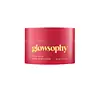
This calming moisturizer is formulated around Niacinamide and Snail Secretion Filtrate to calm redness and strengthen the skin barrier.
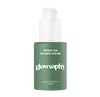
This anti-aging serum is formulated around Niacinamide and Retinol to soften the look of wrinkles and calm redness.

What's inside
What's inside
 Key Ingredients
Benefits
Concerns
Ingredients Side-by-side
Water
Skin ConditioningDimethicone
Emollient

Butylene Glycol
Humectant

Betaine
Humectant
Methyl Gluceth-20
Humectant
Caprylic/Capric Triglyceride
Masking
Niacinamide
Smoothing








Cetearyl Olivate


Sorbitan Olivate
Emulsifying
Carbomer
Emulsion StabilisingTriethanolamine
BufferingHydroxyacetophenone
Antioxidant
Phenoxyethanol
Preservative
Allantoin
Skin Conditioning
Sodium Polyacrylate
Absorbent
Panthenol
Skin Conditioning
Parfum
Masking



Ethylhexylglycerin
Skin ConditioningSnail Secretion Filtrate
Skin Conditioning
Saururus Chinensis Leaf/Root Extract
Antimicrobial
Taraxacum Officinale Leaf Extract
Skin Conditioning1,2-Hexanediol
Skin Conditioning
Glycerin
Humectant
Fructose
Humectant
Sodium Hyaluronate
Humectant
Chrysanthellum Indicum Extract
Skin Conditioning
Calendula Officinalis Flower Extract
Masking
Phosphatidylcholine
EmulsifyingStephania Tetrandra Root Extract
Skin ConditioningCeramide NP
Skin Conditioning
Polyglyceryl-10 Oleate
Skin Conditioning
Centella Asiatica Root Extract
Skin Conditioning
Sodium Stearoyl Glutamate
CleansingGlyceryl Caprylate
EmollientWater, Dimethicone, Butylene Glycol, Betaine, Methyl Gluceth-20, Caprylic/Capric Triglyceride, Niacinamide, Cetearyl Olivate, Sorbitan Olivate, Carbomer, Triethanolamine, Hydroxyacetophenone, Phenoxyethanol, Allantoin, Sodium Polyacrylate, Panthenol, Parfum, Ethylhexylglycerin, Snail Secretion Filtrate, Saururus Chinensis Leaf/Root Extract, Taraxacum Officinale Leaf Extract, 1,2-Hexanediol, Glycerin, Fructose, Sodium Hyaluronate, Chrysanthellum Indicum Extract, Calendula Officinalis Flower Extract, Phosphatidylcholine, Stephania Tetrandra Root Extract, Ceramide NP, Polyglyceryl-10 Oleate, Centella Asiatica Root Extract, Sodium Stearoyl Glutamate, Glyceryl Caprylate
Water
Skin ConditioningButylene Glycol
Humectant
Glycerin
Humectant
Caprylic/Capric Triglyceride
Masking
PEG-40 Hydrogenated Castor Oil
Emulsifying
Cetyl Ethylhexanoate
EmollientNiacinamide
Smoothing
Butyrospermum Parkii Butter
Skin Conditioning

Cyclopentasiloxane
Emollient
1,2-Hexanediol
Skin Conditioning
Cetearyl Alcohol
Emollient
PEG-20 Stearate
Emulsifying
Hydroxyacetophenone
Antioxidant
Acrylates/C10-30 Alkyl Acrylate Crosspolymer
Emulsion StabilisingTriethanolamine
BufferingCyclohexasiloxane
Emollient
Dipotassium Glycyrrhizate
Humectant
Retinol
Skin Conditioning
Polyglyceryl-6 Caprylate
EmulsifyingPolyglyceryl-3 Cocoate
Emulsifying
Polyglyceryl-4 Caprate
EmulsifyingPolyglyceryl-6 Ricinoleate
Emulsifying
Panthenol
Skin Conditioning
Sodium Hyaluronate
Humectant
Glycyrrhiza Uralensis Root Extract
Skin Conditioning
Propylene Glycol
Humectant
Parfum
Masking
Lactobacillus Ferment
Skin Conditioning
Saccharomyces Ferment
Skin Conditioning
Rehmannia Glutinosa Root Extract
Skin ConditioningSorbitan Olivate
Emulsifying
Cetearyl Olivate
Glyceryl Acrylate/Acrylic Acid Copolymer
HumectantDendrobium Nobile Stem Extract
Skin ConditioningGlycyrrhiza Glabra Root Extract
Bleaching
Asparagus Cochinchinensis Root Extract
Skin ConditioningEriobotrya Japonica Leaf Extract
Skin ConditioningScutellaria Baicalensis Root Extract
Astringent
Citrus Aurantium Tachibana Peel Extract
HumectantArtemisia Capillaris Extract
Ophiopogon Japonicus Seed Extract
Skin ProtectingPvm/Ma Copolymer
Emulsion StabilisingSaururus Chinensis Leaf/Root Extract
Antimicrobial
Taraxacum Officinale Leaf Extract
Skin ConditioningPogostemon Cablin Leaf/Stem Extract
Antimicrobial
Sodium Benzoate
Masking
Tocopheryl Acetate
Antioxidant
Mentha Piperita Leaf Extract
Skin ConditioningPotassium Sorbate
Preservative
Stephania Tetrandra Root Extract
Skin ConditioningCamellia Sinensis Extract
Antioxidant
CI 19140
Cosmetic ColorantTocopherol
Antioxidant
Water, Butylene Glycol, Glycerin, Caprylic/Capric Triglyceride, PEG-40 Hydrogenated Castor Oil, Cetyl Ethylhexanoate, Niacinamide, Butyrospermum Parkii Butter, Cyclopentasiloxane, 1,2-Hexanediol, Cetearyl Alcohol, PEG-20 Stearate, Hydroxyacetophenone, Acrylates/C10-30 Alkyl Acrylate Crosspolymer, Triethanolamine, Cyclohexasiloxane, Dipotassium Glycyrrhizate, Retinol, Polyglyceryl-6 Caprylate, Polyglyceryl-3 Cocoate, Polyglyceryl-4 Caprate, Polyglyceryl-6 Ricinoleate, Panthenol, Sodium Hyaluronate, Glycyrrhiza Uralensis Root Extract, Propylene Glycol, Parfum, Lactobacillus Ferment, Saccharomyces Ferment, Rehmannia Glutinosa Root Extract, Sorbitan Olivate, Cetearyl Olivate, Glyceryl Acrylate/Acrylic Acid Copolymer, Dendrobium Nobile Stem Extract, Glycyrrhiza Glabra Root Extract, Asparagus Cochinchinensis Root Extract, Eriobotrya Japonica Leaf Extract, Scutellaria Baicalensis Root Extract, Citrus Aurantium Tachibana Peel Extract, Artemisia Capillaris Extract, Ophiopogon Japonicus Seed Extract, Pvm/Ma Copolymer, Saururus Chinensis Leaf/Root Extract, Taraxacum Officinale Leaf Extract, Pogostemon Cablin Leaf/Stem Extract, Sodium Benzoate, Tocopheryl Acetate, Mentha Piperita Leaf Extract, Potassium Sorbate, Stephania Tetrandra Root Extract, Camellia Sinensis Extract, CI 19140, Tocopherol
Ingredients Explained
These ingredients are found in both products.
Ingredients higher up in an ingredient list are typically present in a larger amount.
1,2-Hexanediol is a synthetic liquid and another multi-functional powerhouse.
It is a:
- Humectant, drawing moisture into the skin
- Emollient, helping to soften skin
- Solvent, dispersing and stabilizing formulas
- Preservative booster, enhancing the antimicrobial activity of other preservatives
Butylene Glycol (or BG) is used within cosmetic products for a few different reasons:
Overall, Butylene Glycol is a safe and well-rounded ingredient that works well with other ingredients.
Though this ingredient works well with most skin types, some people with sensitive skin may experience a reaction such as allergic rashes, closed comedones, or itchiness.
Learn more about Butylene GlycolCaprylic/Capric Triglyceride (aka MCT Oil) is a lightweight emollient, solvent, and texture enhancer. It is considered a skin-softener by helping to prevent moisture loss.
Though it behaves like an oil, it is not technically one due to its chemical composition. One perk of this ingredient is that it is very stable, resistant to oxidation, and unlikely to go rancid.
In practice, that translates to a long shelf life and a consistently elegant skin feel.
While there is an assumption Caprylic Triglyceride can clog pores due to it being derived from coconut oil, there is no research supporting this. Just patch test if you have concerns.
Fractionated coconut oil and MCT Oil are both listed as Caprylic/Capric Triglyceride according to INCI. This is because INCI names are based on the ingredient’s final chemical composition and not its marketing name or source.
This ingredient is treated as the gold standard fungal acne safe oil. Even though it is coconut derived, the problematic lauric acid is stripped out.
This leaves just caprylic (C8) and capric (C10) acid. These chain lengths actually trend antifungal; a 2020 study found caprylic acid was enough to disrupt Malassezia furfur cell membrane, with a caprylic acid derivative damaging membrane structures at concentrations as low as 0.2%.
Learn more about Caprylic/Capric TriglycerideCetearyl Olivate is a plant-derived emulsifier and texture enhancer. It helps keep the oil and water phases from separating so your formulas stay stable.
You'll likely see it combined with Sorbitan Olivate (together sold as the trade name Olivem 1000). This combination generates a liquid crystal structure that closely resemble the lipid organization of the stratum corneum.
These "skin-like" liquid crystals improve skin barrier integrity and promote the delivery of actives into the skin.
This ingredient is well-tolerated and has no significant sensitization data.
Because it is derived from the fatty acids in olive oil, this ingredient may not be fungal acne safe.
Learn more about Cetearyl OlivateGlycerin (or glycerol) is a compound naturally found in your skin. It's a powerhouse humectant that pulls water into the stratum corneum.
Topically, glycerin does several things at once:
Your skin makes glycerin on its own (mostly from sebaceous oil breakdown) and shuttles it to your outermost layer of skin, or your epidermis, via aquaporin-3.
Aquaporin-3 is a transporter that is essential for normal skin hydration, elasticity, and repair. Interestingly, mice lacking in AQP3 have dry and less elastic skin that can be fully corrected with glycerin.
This ingredient is non-irritating, plays well with almost every ingredient, and works across all skin types. Typical use is anywhere between 3-10% but can go up to 79% in some leave-on products.
Just know very high concentrations (>40%) can feel tacky in low humidity.
Glycerin is the name for this ingredient in American English. British English uses Glycerol/Glycerine.
Learn more about GlycerinHydroxyacetophenone is a small phenolic molecule that earns its place in a formulas as an antioxidant and preservative booster.
As a phenol, it is able to neutralize free radicals to protect both the product and the skin from oxidative stress.
Though it can't kill microbes on its own, it works as a good supporting agent when combined with other preservatives like Phenoxyethanol or 1,2-Hexanediol.
This ingredient naturally occurs as piceol in Norwegian spruce needles (~0.4-1.1% dry weight and in cloudberries). Though the cosmetic-grade material is synthesized for purity and consistency.
You'll usually see it used at low levels and suppliers recommend up to 1% added to a water phase.
Safety testing was done at concentrations like 0.05% in SPF products and 0.5% in a Human Repeated Insult Patch Test. The safety evidence is assuring; this ingredient is safe for cosmetics in current use and also holds safety status as a food flavoring as well.
An honest caveat: the "soothing" and "anti-inflammatory" claims come mostly from supplier marketing rather than published clinical trials. The Cosmetic Ingredient Review's own literature search found no useful efficacy studies on this ingredient.
So the antioxidant and preservative-boosting roles are the well supported ones while the calming benefit is plausible but thinly evidenced.
Overall, this is a well-tolerated, low-irritation multitasker that quietly helps a formula stay fresh and stable.
Learn more about HydroxyacetophenoneNiacinamide is a multitasking form of vitamin B3 that strengthens the skin barrier, reduces pores and dark spots, regulates oil, and improves signs of aging.
And the best part? It's gentle and well-tolerated by most skin types, including sensitive and reactive skin.
You might have heard of "niacin flush", or the reddening of skin that causes itchiness. Niacinamide has not been found to cause this.
In very rare cases, some individuals may not be able to tolerate niacinamide at all or experience an allergic reaction to it.
If you are experiencing flaking, irritation, and dryness with this ingredient, be sure to double check all your products as this ingredient can be found in all categories of skincare.
When incorporating niacinamide into your routine, look out for concentration amounts. Typically, 5% niacinamide provides benefits such as fading dark spots. However, if you have sensitive skin, it is better to begin with a smaller concentration.
When you apply niacinamide to your skin, your body converts it into nicotinamide adenine dinucleotide (NAD). NAD is an essential coenzyme that is already found in your cells as "fuel" and powers countless biological processes.
In your skin, NAD helps repair cell damage, produce new healthy cells, support collagen production, strengthen the skin barrier, and fight environmental stressors (like UV and pollution).
Our natural NAD levels start to decline with age, leading to slower skin repair, visible aging, and a weaker skin barrier. By providing your skin niacinamide, you're recharging your skin's NAD levels. This leads to stronger, healthier, and younger looking skin.
Another name for vitamin B3 is nicotinamide. This vitamin is water-soluble and our bodies don't store it. We obtain Vitamin B3 from either food or skincare. Meat, fish, wheat, yeast, and leafy greens contain vitamin B3.
The type of niacinamide used in skincare is synthetically created.
Learn more about NiacinamidePanthenol is a common ingredient that helps hydrate and soothe the skin. It is found naturally in our skin and hair.
There are two forms of panthenol: D and L.
D-panthenol is also known as dexpanthenol. Most cosmetics use dexpanthenol or a mixture of D and L-panthenol.
Panthenol is famous due to its ability to go deeper into the skin's layers. Using this ingredient has numerous pros (and no cons):
Like hyaluronic acid, panthenol is a humectant. Humectants are able to bind and hold large amounts of water to keep skin hydrated.
This ingredient works well for wound healing. It works by increasing tissue in the wound and helps close open wounds.
Once oxidized, panthenol converts to pantothenic acid. Panthothenic acid is found in all living cells.
This ingredient is also referred to as pro-vitamin B5.
Learn more about PanthenolParfum is a catch-all term for an ingredient or more that is used to give a scent to products.
Also called "fragrance", this ingredient can be a blend of hundreds of chemicals or plant oils. This means every product with "fragrance" or "parfum" in the ingredients list is a different mixture.
For instance, Habanolide is a proprietary trade name for a specific aroma chemical. When used as a fragrance ingredient in cosmetics, most aroma chemicals fall under the broad labeling category of “FRAGRANCE” or “PARFUM” according to EU and US regulations.
The term 'parfum' or 'fragrance' is not regulated in many countries. In many cases, it is up to the brand to define this term.
For instance, many brands choose to label themselves as "fragrance-free" because they are not using synthetic fragrances. However, their products may still contain ingredients such as essential oils that are considered a fragrance by INCI standards.
One example is Calendula flower extract. Calendula is an essential oil that still imparts a scent or 'fragrance'.
Depending on the blend, the ingredients in the mixture can cause allergies and sensitivities on the skin. Some ingredients that are known EU allergens include linalool and citronellol.
Parfum can also be used to mask or cover an unpleasant scent.
The bottom line is: not all fragrances/parfum/ingredients are created equally. If you are worried about fragrances, we recommend taking a closer look at an ingredient. And of course, we always recommend speaking with a professional.
Learn more about ParfumSaururus Chinensis Leaf/Root Extract is an antioxidant.
Sodium Hyaluronate is the salt form of hyaluronic acid. It is a long sugar chain that is naturally found in your skin, joints, and connective tissue that maintains hydration and elasticity.
In skincare, it works as a humectant. It pulls water from the environment and deeper layers of skin and binds it to the surface.
Interestingly, the size of the molecule affects its behavior:
Some clinical evidence links low molecular weight versions to improved wrinkle depth, elasticity, anti-inflammatory effects, and barrier repair.
Many serums use a blend of both weights so you can get surface hydration plus longer-lasting and deeper effects.
You'll typically see concentrations between 0.1-2% for this ingredient.
Learn more about Sodium HyaluronateSorbitan Olivate is created from the fatty acids in olive oil and sorbitol.
This ingredient is an oil in water emulsifier. It helps stabilize a product by preventing oils and waters from separating. Sorbitan Olivate also helps hydrate the skin.
This ingredient is also known as part of Olivem 1000, with Cetearyl Olivate being the other part.
According to a manufacturer, this ingredient helps preserve the natural microbiome of skin. Having a healthy microbiome helps keep our skin healthy and protects against harmful bacteria.
Please note, having a healthy microbiome is different from fungal acne; a healthy microbiome includes small amounts of yeast that normally live on your skin without causing problems.
Fungal acne happens when one type of yeast (Malassezia) grows out of control. This is usually because it's feeding on certain oils or fatty acids. Due to the olive oil base, this ingredient may not be fungal acne safe.
Learn more about Sorbitan OlivateWe don't have a description for Stephania Tetrandra Root Extract yet.
This ingredient is also known as Dandelion leaf extract.
Studies show the leaf, stem, and roots of this plant are rich in antioxidants such as caffeic acid and polysaccharides, which act as humectants to help hydrate the skin.
Triethanolamine (TEA) is an emulsifier and pH adjuster. It is created using ethylene oxide and ammonia. This gives Triethanolamine a nitrogen core and a similar scent to ammonia.
As an emulsifier, it prevents ingredients from separating and enhances texture by adding volume to a product.
PH adjusters are common in cosmetic products. The pH of a product can affect the effectiveness of other ingredients. A product with a high pH may also irritate the skin.
If you are looking for the tea leaf ingredient, click here.
Learn more about TriethanolamineWater. It's the most common cosmetic ingredient of all. You'll usually see it at the top of ingredient lists, meaning that it makes up the largest part of the product.
So why is it so popular? Water most often acts as a solvent - this means that it helps dissolve other ingredients into the formulation.
You'll also recognize water as that liquid we all need to stay alive. If you see this, drink a glass of water. Remember to stay hydrated!
Learn more about Water


