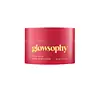
This calming moisturizer is formulated around Niacinamide and Snail Secretion Filtrate to calm redness and strengthen the skin barrier.
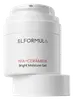
This brightening moisturizer is formulated around Niacinamide and Alpha-Arbutin to brighten dull-looking skin and strengthen the skin barrier.

What's inside
What's inside
 Key Ingredients
Benefits
Concerns
Ingredients Side-by-side
Water
Skin ConditioningDimethicone
Emollient

Butylene Glycol
Humectant

Betaine
Humectant
Methyl Gluceth-20
Humectant
Caprylic/Capric Triglyceride
Masking
Niacinamide
Smoothing








Cetearyl Olivate


Sorbitan Olivate
Emulsifying
Carbomer
Emulsion StabilisingTriethanolamine
BufferingHydroxyacetophenone
Antioxidant
Phenoxyethanol
Preservative
Allantoin
Skin Conditioning
Sodium Polyacrylate
Absorbent
Panthenol
Skin Conditioning
Parfum
Masking



Ethylhexylglycerin
Skin ConditioningSnail Secretion Filtrate
Skin Conditioning
Saururus Chinensis Leaf/Root Extract
Antimicrobial
Taraxacum Officinale Leaf Extract
Skin Conditioning1,2-Hexanediol
Skin Conditioning
Glycerin
Humectant
Fructose
Humectant
Sodium Hyaluronate
Humectant
Chrysanthellum Indicum Extract
Skin Conditioning
Calendula Officinalis Flower Extract
Masking
Phosphatidylcholine
EmulsifyingStephania Tetrandra Root Extract
Skin ConditioningCeramide NP
Skin Conditioning
Polyglyceryl-10 Oleate
Skin Conditioning
Centella Asiatica Root Extract
Skin Conditioning
Sodium Stearoyl Glutamate
CleansingGlyceryl Caprylate
EmollientWater, Dimethicone, Butylene Glycol, Betaine, Methyl Gluceth-20, Caprylic/Capric Triglyceride, Niacinamide, Cetearyl Olivate, Sorbitan Olivate, Carbomer, Triethanolamine, Hydroxyacetophenone, Phenoxyethanol, Allantoin, Sodium Polyacrylate, Panthenol, Parfum, Ethylhexylglycerin, Snail Secretion Filtrate, Saururus Chinensis Leaf/Root Extract, Taraxacum Officinale Leaf Extract, 1,2-Hexanediol, Glycerin, Fructose, Sodium Hyaluronate, Chrysanthellum Indicum Extract, Calendula Officinalis Flower Extract, Phosphatidylcholine, Stephania Tetrandra Root Extract, Ceramide NP, Polyglyceryl-10 Oleate, Centella Asiatica Root Extract, Sodium Stearoyl Glutamate, Glyceryl Caprylate
Water
Skin ConditioningDimethicone
Emollient
Butylene Glycol
Humectant
Niacinamide
Smoothing
PEG/PPG/Polybutylene Glycol-8/5/3 Glycerin
HumectantPEG/PPG-17/6 Copolymer
SolventAlpha-Arbutin
Antioxidant
Betaine
Humectant
Cyclopentasiloxane
Emollient
1,2-Hexanediol
Skin Conditioning
Hydroxyacetophenone
Antioxidant
Acetyl Glucosamine
Skin Conditioning
PEG-12 Dimethicone
Skin Conditioning
Ammonium Acryloyldimethyltaurate/Vp Copolymer
Sodium Acrylate/Sodium Acryloyldimethyl Taurate Copolymer
Emulsion StabilisingPanthenol
Skin Conditioning
Acrylates/C10-30 Alkyl Acrylate Crosspolymer
Emulsion StabilisingTriethanolamine
BufferingIsohexadecane
EmollientPolysilicone-3
Skin Conditioning
Bisabolol
Antioxidant
Polysorbate 80
Emulsifying
Bis-PEG-15 Methyl Ether Dimethicone
Emulsifying
Disodium EDTA
ChelatingLaureth-7
EmulsifyingSaccharomyces/Rice Ferment Filtrate
Skin Conditioning
Sodium Hyaluronate
Humectant
Ceramide EOP
Skin Conditioning
Ceramide AP
Skin Conditioning
Beta-Glucan
Skin Conditioning
Saururus Chinensis Leaf/Root Extract
Antimicrobial
Taraxacum Officinale Leaf Extract
Skin ConditioningPropanediol
Solvent
Sorbitan Oleate
Emulsifying
Hydrolyzed Oats
Skin ConditioningFructose
Humectant
Glycerin
Humectant
Stephania Tetrandra Root Extract
Skin ConditioningPhosphatidylcholine
EmulsifyingChrysanthellum Indicum Extract
Skin Conditioning
Calendula Officinalis Flower Extract
Masking
CI 16255
Cosmetic ColorantCeramide NP
Skin Conditioning
Polyglyceryl-10 Oleate
Skin Conditioning
Lespedeza Capitata Leaf/Stem Extract
Skin ConditioningCentella Asiatica Root Extract
Skin Conditioning
Tocopherol
Antioxidant
Sodium Stearoyl Glutamate
CleansingPhenoxyethanol
Preservative
Glyceryl Caprylate
EmollientEthylhexylglycerin
Skin ConditioningWater, Dimethicone, Butylene Glycol, Niacinamide, PEG/PPG/Polybutylene Glycol-8/5/3 Glycerin, PEG/PPG-17/6 Copolymer, Alpha-Arbutin, Betaine, Cyclopentasiloxane, 1,2-Hexanediol, Hydroxyacetophenone, Acetyl Glucosamine, PEG-12 Dimethicone, Ammonium Acryloyldimethyltaurate/Vp Copolymer, Sodium Acrylate/Sodium Acryloyldimethyl Taurate Copolymer, Panthenol, Acrylates/C10-30 Alkyl Acrylate Crosspolymer, Triethanolamine, Isohexadecane, Polysilicone-3, Bisabolol, Polysorbate 80, Bis-PEG-15 Methyl Ether Dimethicone, Disodium EDTA, Laureth-7, Saccharomyces/Rice Ferment Filtrate, Sodium Hyaluronate, Ceramide EOP, Ceramide AP, Beta-Glucan, Saururus Chinensis Leaf/Root Extract, Taraxacum Officinale Leaf Extract, Propanediol, Sorbitan Oleate, Hydrolyzed Oats, Fructose, Glycerin, Stephania Tetrandra Root Extract, Phosphatidylcholine, Chrysanthellum Indicum Extract, Calendula Officinalis Flower Extract, CI 16255, Ceramide NP, Polyglyceryl-10 Oleate, Lespedeza Capitata Leaf/Stem Extract, Centella Asiatica Root Extract, Tocopherol, Sodium Stearoyl Glutamate, Phenoxyethanol, Glyceryl Caprylate, Ethylhexylglycerin
Ingredients Explained
These ingredients are found in both products.
Ingredients higher up in an ingredient list are typically present in a larger amount.
1,2-Hexanediol is a synthetic liquid and another multi-functional powerhouse.
It is a:
- Humectant, drawing moisture into the skin
- Emollient, helping to soften skin
- Solvent, dispersing and stabilizing formulas
- Preservative booster, enhancing the antimicrobial activity of other preservatives
Betaine is a humectant. Like hyaluronic acid, it helps attract and retain moisture in the skin. It’s known for being gentle and for helping the skin maintain balanced hydration.
Betaine is mainly used to improve hydration and support calmer skin. It helps skin cells regulate water balance because it functions as an osmolyte.
Some studies suggest betaine may support making skin tone more even.
Fun fact: Betaine naturally exists in the skin and the body. In cosmetic products, it can be either plant-derived (most commonly from sugar beets) or synthetically produced for consistency and stability.
Betaine is also known as trimethylglycine.
Learn more about BetaineButylene Glycol (or BG) is used within cosmetic products for a few different reasons:
Overall, Butylene Glycol is a safe and well-rounded ingredient that works well with other ingredients.
Though this ingredient works well with most skin types, some people with sensitive skin may experience a reaction such as allergic rashes, closed comedones, or itchiness.
Learn more about Butylene GlycolCalendula Officinalis Flower Extract comes from the marigold flower and has been used on skin for centuries for its calming effect.
In the lab, its active compounds appear to calm inflammation and support the early "healing" phase of minor wounds.
This is why Europe's medicines regulator has approved calendula extracts as a traditional remedy for minor skin inflammation and healing small wounds.
The stronger human evidence is around would/ulcer care rather than everyday cosmetic claims; a review that pulled together 14 studies found that calendula helped calm the early, inflamed stage of a wound and helped new skin tissue form faster.
Two studies also showed it shrank leg ulcers (the kind caused by poor circulation). Results were mixed for burns and for the skin irritation people get from radiation treatment, so it's not a sure thing there.
In cosmetics, it's mostly a skin conditioning and soothing agent.
The Cosmetic Ingredient Review panel concluded that calendula-derived ingredients are safe as used and that the ingredients are not irritating, sensitizing, or photosensitizing in clinical tests (though they may be mild eye irritants).
Typical use levels are quite low; industry data reported it used at under 0.5% (one supplier noted a 10-25% extract blend used at 1-10% in the finished product). Historical use goes up to 10%.
The only thing to keep in mind is if you have daisy/ragweed allergies. Calendula is in the same family and one patch-test study found 2% of dermatitis patients reacted to marigold. Be sure to patch test if you have sensitive or allergy-prone skin.
Learn more about Calendula Officinalis Flower ExtractCentella Asiatica Root Extract can be good for sensitive skin. It can help to reduce redness.
Ceramide NP (formerly known as Ceramide 3) is one of the skin's naturally occurring lipids.
Since ceramides are the major lipid components of the skin, they are crucial for maintaining skin barrier and hydration. Ceramide NP most closely mirrors the dominant kind in human skin amongst ceramide subtypes.
This ceramide works by slotting into gaps within the stratum corneum's lipid matrix to limit trans-epidermal water loss (TEWL) and shield the skin against external irritants.
A study with 312 patients found that using a ceramide-containing routine for 4 weeks reduced the severity of atopic dermatitis by over 61%.
Another clinical study in subjects aged 60 and older found that a ceramide body wash and moisturizer improved skin dryness and itchy skin in 15 days.
Overall, ceramides are considered non-irritating and safety tests have found little to no observable adverse effects from using this ingredient.
Ceramide NP is usually sourced from plants (like soybean or rice bran), or produced synthetically.
Learn more about Ceramide NPThis ingredient is also known as golden chamomile extract. It is rich in antioxidants and has skin conditioning properties.
It has an interesting effect on capillary health and has been shown to strengthen capillaries/improve blood flow in the skin. A 2005 study using a cream with this ingredient significantly reduced redness and rosacea severity over 12 weeks with minimal side effects.
French patent research also backs up the anti-inflammatory and circulation supporting properties at concentrations of 0.01-2%.
Learn more about Chrysanthellum Indicum ExtractDimethicone is a type of synthetic silicone created from natural materials such as quartz. It is also known as polydimethylsiloxane.
What it does:
Dimethicone comes in different viscosities:
Depending on the viscosity, dimethicone has different properties.
Ingredients lists don't always show which type is used, so we recommend reaching out to the brand if you have questions about the viscosity.
This ingredient is unlikely to cause irritation because it does not get absorbed into skin. However, people with silicone allergies should be careful about using this ingredient.
Note: Dimethicone may contribute to pilling. This is because it is not oil or water soluble, so pilling may occur when layered with products. When mixed with heavy oils in a formula, the outcome is also quite greasy.
Learn more about DimethiconeEthylhexylglycerin is created from glycerin. It is a multitasker ingredient that:
The CIR Expert Panel found minimal skin absorption or sensitization of any kind in a safety assessment. Though this ingredient is considered well-tolerated, a small number of cases of allergic dermatitis have been published since 2002. Just be sure to patch test if you are unsure.
Industry-reported use ranges from 8% in rinse-off products and 2% in leave-on formulations.
Learn more about EthylhexylglycerinGlycerin (or glycerol) is a compound naturally found in your skin. It's a powerhouse humectant that pulls water into the stratum corneum.
Topically, glycerin does several things at once:
Your skin makes glycerin on its own (mostly from sebaceous oil breakdown) and shuttles it to your outermost layer of skin, or your epidermis, via aquaporin-3.
Aquaporin-3 is a transporter that is essential for normal skin hydration, elasticity, and repair. Interestingly, mice lacking in AQP3 have dry and less elastic skin that can be fully corrected with glycerin.
This ingredient is non-irritating, plays well with almost every ingredient, and works across all skin types. Typical use is anywhere between 3-10% but can go up to 79% in some leave-on products.
Just know very high concentrations (>40%) can feel tacky in low humidity.
Glycerin is the name for this ingredient in American English. British English uses Glycerol/Glycerine.
Learn more about GlycerinGlyceryl Caprylate comes from glycerin and caprylic acid. It is an emollient, co-emulsifier, and preservative booster.
Its short C8 fatty acid chain makes it behave differently from its longer-chain emollient cousins like Glyceryl Stearate. It feels more lightweight, fast-absorbing, and silky instead of rich and waxy.
As a co-emulsifier, its "head" and "tail" sit at the oil-water interface. But overall, the short C8 tail and not being water soluble means it doesn't really have the muscle to emulsify a formula on its own. That's why you'll often see it paired with a primary emulsifier like Cetearyl Glucoside.
Interestingly, Glyceryl Caprylate acts as a preservative booster. This is because its fatty-acid backbone disrupts microbial lipid membranes. It shows excellent activity against bacteria and yeast but is weaker against mold.
Typical concentrations range from 0.5-1% and this ingredient is generally non-irritating.
Because this ingredient has a C8 fatty acid chain, it is outside the range that the Malassezia yeast metabolizes (making it fungal acne safe).
Learn more about Glyceryl CaprylateHydroxyacetophenone is a small phenolic molecule that earns its place in a formulas as an antioxidant and preservative booster.
As a phenol, it is able to neutralize free radicals to protect both the product and the skin from oxidative stress.
Though it can't kill microbes on its own, it works as a good supporting agent when combined with other preservatives like Phenoxyethanol or 1,2-Hexanediol.
This ingredient naturally occurs as piceol in Norwegian spruce needles (~0.4-1.1% dry weight and in cloudberries). Though the cosmetic-grade material is synthesized for purity and consistency.
You'll usually see it used at low levels and suppliers recommend up to 1% added to a water phase.
Safety testing was done at concentrations like 0.05% in SPF products and 0.5% in a Human Repeated Insult Patch Test. The safety evidence is assuring; this ingredient is safe for cosmetics in current use and also holds safety status as a food flavoring as well.
An honest caveat: the "soothing" and "anti-inflammatory" claims come mostly from supplier marketing rather than published clinical trials. The Cosmetic Ingredient Review's own literature search found no useful efficacy studies on this ingredient.
So the antioxidant and preservative-boosting roles are the well supported ones while the calming benefit is plausible but thinly evidenced.
Overall, this is a well-tolerated, low-irritation multitasker that quietly helps a formula stay fresh and stable.
Learn more about HydroxyacetophenoneNiacinamide is a multitasking form of vitamin B3 that strengthens the skin barrier, reduces pores and dark spots, regulates oil, and improves signs of aging.
And the best part? It's gentle and well-tolerated by most skin types, including sensitive and reactive skin.
You might have heard of "niacin flush", or the reddening of skin that causes itchiness. Niacinamide has not been found to cause this.
In very rare cases, some individuals may not be able to tolerate niacinamide at all or experience an allergic reaction to it.
If you are experiencing flaking, irritation, and dryness with this ingredient, be sure to double check all your products as this ingredient can be found in all categories of skincare.
When incorporating niacinamide into your routine, look out for concentration amounts. Typically, 5% niacinamide provides benefits such as fading dark spots. However, if you have sensitive skin, it is better to begin with a smaller concentration.
When you apply niacinamide to your skin, your body converts it into nicotinamide adenine dinucleotide (NAD). NAD is an essential coenzyme that is already found in your cells as "fuel" and powers countless biological processes.
In your skin, NAD helps repair cell damage, produce new healthy cells, support collagen production, strengthen the skin barrier, and fight environmental stressors (like UV and pollution).
Our natural NAD levels start to decline with age, leading to slower skin repair, visible aging, and a weaker skin barrier. By providing your skin niacinamide, you're recharging your skin's NAD levels. This leads to stronger, healthier, and younger looking skin.
Another name for vitamin B3 is nicotinamide. This vitamin is water-soluble and our bodies don't store it. We obtain Vitamin B3 from either food or skincare. Meat, fish, wheat, yeast, and leafy greens contain vitamin B3.
The type of niacinamide used in skincare is synthetically created.
Learn more about NiacinamidePanthenol is a common ingredient that helps hydrate and soothe the skin. It is found naturally in our skin and hair.
There are two forms of panthenol: D and L.
D-panthenol is also known as dexpanthenol. Most cosmetics use dexpanthenol or a mixture of D and L-panthenol.
Panthenol is famous due to its ability to go deeper into the skin's layers. Using this ingredient has numerous pros (and no cons):
Like hyaluronic acid, panthenol is a humectant. Humectants are able to bind and hold large amounts of water to keep skin hydrated.
This ingredient works well for wound healing. It works by increasing tissue in the wound and helps close open wounds.
Once oxidized, panthenol converts to pantothenic acid. Panthothenic acid is found in all living cells.
This ingredient is also referred to as pro-vitamin B5.
Learn more about PanthenolPhenoxyethanol is one of the most widely used preservatives in skincare (and for good reason!).
It has a large spectrum of antimicrobial activity and especially effective bacteria, yeast, and mold while only having a weak effect on your skin's natural microbiome.
On a cellular level, it disrupts the cell membranes of microbes by poking holes that make the cell leak. This shuts down the chemical reactions the microbe needs to make energy so it can no longer survive.
Another perk of this ingredient is that it stays functional across a wide pH range (3-10).
You'll often see it paired with boosters like Ethylhexylglycerin; one study showed that a 1:9 ratio of Ethylhexylglycerin to Phenoxyethanol damages bacterial membranes as effectively as doubling the Phenoxyethanol concentration on its own.
Typical use concentrations range from 0.3-1% depending on the formula, and this ingredient is capped at 1% int the EU.
Safety-wise, the fear mongering does not hold up to the evidence. The EU's Scientific Committee on Consumer Safety and FDA consider it safe as a preservative at up to 1%, including for children of all ages.
Adverse systemic effects only showed up in animal studies at exposures roughly 200x higher than what people get from cosmetics. And despite its very widespread use, this ingredient is a rare sensitizer and allergic reactions are uncommon.
Learn more about PhenoxyethanolPhosphatidylcholine (PC) is a type of phospholipid, a class of molecule that makes up our own cell membranes.
It has a glycerol backbone, two fatty acid tails (mostly linoleic, palmitic, and oleic), and a phosphate-choline head group.
In skincare, PC pulls double duty:
The linoleic acid it carries gets incorporated into skin ceramides and helps reinforce the lipid matrix.
Interestingly, it can help top of the omega-6 fatty acid that's often low in acne-prone and atopic skin. There's a sizeable body of literature that supports its use in dry, barrier-impaired, and breakout-prone skin.
There are two kinds of PC you'll see on ingredient lists.
Use levels range from <1% as a liposomal carrier and between 20-40% in lamellar matrix sytems.
Learn more about PhosphatidylcholinePolyglyceryl-10 Oleate is made by combining ten units of glycerin with oleic acid.
According to a manufacturer, it is a low-irritation and hydrophilic (water loving) skin conditioning agent. It also improves the sensory feel and texture of a product.
Fungal acne note:
Since this ingredient is made from oleic acid, it might not be fungal acne safe. The Malassezia yeast survives by eating certain fats, including oleic acid.
However, it should be noted this oleic acid is chemically bound to a large polyglycerol molecule, so it might not trigger fungal acne for everyone.
Learn more about Polyglyceryl-10 OleateSaururus Chinensis Leaf/Root Extract is an antioxidant.
Sodium Hyaluronate is the salt form of hyaluronic acid. It is a long sugar chain that is naturally found in your skin, joints, and connective tissue that maintains hydration and elasticity.
In skincare, it works as a humectant. It pulls water from the environment and deeper layers of skin and binds it to the surface.
Interestingly, the size of the molecule affects its behavior:
Some clinical evidence links low molecular weight versions to improved wrinkle depth, elasticity, anti-inflammatory effects, and barrier repair.
Many serums use a blend of both weights so you can get surface hydration plus longer-lasting and deeper effects.
You'll typically see concentrations between 0.1-2% for this ingredient.
Learn more about Sodium HyaluronateSodium Stearoyl Glutamate is an amino-acid based emulsifier. It is made by combining stearic acid with L-glutamic acid and neutralizing it to a sodium salt.
As an emulsifier, it works mainly as an oil-in-water one and helps keep the oil and water in your formulas blended. It also contributes to a smooth, non-greasy skin feel.
This ingredient is biodegradable and commonly available in natural/COSMOS-certified grades.
Learn more about Sodium Stearoyl GlutamateWe don't have a description for Stephania Tetrandra Root Extract yet.
This ingredient is also known as Dandelion leaf extract.
Studies show the leaf, stem, and roots of this plant are rich in antioxidants such as caffeic acid and polysaccharides, which act as humectants to help hydrate the skin.
Triethanolamine (TEA) is an emulsifier and pH adjuster. It is created using ethylene oxide and ammonia. This gives Triethanolamine a nitrogen core and a similar scent to ammonia.
As an emulsifier, it prevents ingredients from separating and enhances texture by adding volume to a product.
PH adjusters are common in cosmetic products. The pH of a product can affect the effectiveness of other ingredients. A product with a high pH may also irritate the skin.
If you are looking for the tea leaf ingredient, click here.
Learn more about TriethanolamineWater. It's the most common cosmetic ingredient of all. You'll usually see it at the top of ingredient lists, meaning that it makes up the largest part of the product.
So why is it so popular? Water most often acts as a solvent - this means that it helps dissolve other ingredients into the formulation.
You'll also recognize water as that liquid we all need to stay alive. If you see this, drink a glass of water. Remember to stay hydrated!
Learn more about Water

