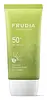
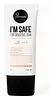
Frudia Avocado Greenery Relief Sun Cream SPF50+ PA++++ Versus Suntique I'm Safe For Sensitive Skin SPF 35 PA+++
This mineral sunscreen covers the full UV range and blocks ~98% of UVB at SPF 50.
This sunscreen offers SPF 35 protection with a matte finish that helps control shine.

What's inside
What's inside
 Key Ingredients
Benefits
Concerns
Ingredients Side-by-side
Water
Skin ConditioningZinc Oxide
Cosmetic Colorant


Cyclopentasiloxane
Emollient
Propanediol
Solvent

Cyclohexasiloxane
Emollient
Butylene Glycol Dicaprylate/Dicaprate
EmollientTitanium Dioxide
Cosmetic Colorant
Lauryl PEG-10 Tris(Trimethylsiloxy)Silylethyl Dimethicone
Emulsifying
Caprylyl Methicone
Skin Conditioning
1,2-Hexanediol
Skin Conditioning
Diisostearyl Malate
EmollientNiacinamide
Smoothing









Cetyl PEG/PPG-10/1 Dimethicone
Emulsifying
Disteardimonium Hectorite
StabilisingMagnesium Sulfate
Triethoxycaprylylsilane
Aluminum Hydroxide
EmollientStearic Acid
Cleansing


Persea Gratissima Fruit Extract
EmollientPunica Granatum Fruit Extract
Antioxidant
Caprylic/Capric Triglyceride
Masking
Dimethicone/Vinyl Dimethicone Crosspolymer
Skin Conditioning
Adenosine
Skin Conditioning
Limonene
Perfuming



Citrus Aurantium Bergamia Fruit Oil
Masking

Lavandula Hybrida Oil
Emollient
Juniperus Virginiana Oil
Masking
Cupressus Sempervirens Leaf/Nut/Stem Oil
Emollient
Butylene Glycol
Humectant
Centella Asiatica Extract
Cleansing
Camellia Sinensis Leaf Oil
Antioxidant
Cinnamomum Camphora Bark Oil
Masking
Cocos Nucifera Oil
Masking
Citrus Aurantium Dulcis Peel Oil
Masking
Aesculus Hippocastanum Extract
Antioxidant
Glycerin
Humectant
Citrus Paradisi Peel Oil
Masking
Biosaccharide Gum-4
Skin Conditioning
Ethylhexylglycerin
Skin ConditioningHamamelis Virginiana Leaf Extract
Skin Conditioning
Madecassic Acid
Skin Conditioning
Asiaticoside
Antioxidant
Gardenia Taitensis Flower
Skin ConditioningMalpighia Emarginata Fruit Extract
Skin ConditioningAsiatic Acid
Skin Conditioning
Leucine
Skin ConditioningPhenylalanine
Masking
Methionine
Skin ConditioningLysine
Skin ConditioningHistidine
Humectant
Isoleucine
Skin ConditioningValine
MaskingThreonine
Tocopherol
Antioxidant
Tryptophan
MaskingWater, Zinc Oxide, Cyclopentasiloxane, Propanediol, Cyclohexasiloxane, Butylene Glycol Dicaprylate/Dicaprate, Titanium Dioxide, Lauryl PEG-10 Tris(Trimethylsiloxy)Silylethyl Dimethicone, Caprylyl Methicone, 1,2-Hexanediol, Diisostearyl Malate, Niacinamide, Cetyl PEG/PPG-10/1 Dimethicone, Disteardimonium Hectorite, Magnesium Sulfate, Triethoxycaprylylsilane, Aluminum Hydroxide, Stearic Acid, Persea Gratissima Fruit Extract, Punica Granatum Fruit Extract, Caprylic/Capric Triglyceride, Dimethicone/Vinyl Dimethicone Crosspolymer, Adenosine, Limonene, Citrus Aurantium Bergamia Fruit Oil, Lavandula Hybrida Oil, Juniperus Virginiana Oil, Cupressus Sempervirens Leaf/Nut/Stem Oil, Butylene Glycol, Centella Asiatica Extract, Camellia Sinensis Leaf Oil, Cinnamomum Camphora Bark Oil, Cocos Nucifera Oil, Citrus Aurantium Dulcis Peel Oil, Aesculus Hippocastanum Extract, Glycerin, Citrus Paradisi Peel Oil, Biosaccharide Gum-4, Ethylhexylglycerin, Hamamelis Virginiana Leaf Extract, Madecassic Acid, Asiaticoside, Gardenia Taitensis Flower, Malpighia Emarginata Fruit Extract, Asiatic Acid, Leucine, Phenylalanine, Methionine, Lysine, Histidine, Isoleucine, Valine, Threonine, Tocopherol, Tryptophan
Water
Skin ConditioningPropanediol
Solvent
CI 77891
Cosmetic ColorantPhenyl Trimethicone
Skin Conditioning
Dicaprylyl Carbonate
EmollientMethylpropanediol
SolventCyclopentasiloxane
Emollient
1,2-Hexanediol
Skin Conditioning
Glycereth-26
Humectant
Methyl Trimethicone
Skin Conditioning
Polyglyceryl-2 Caprate
EmulsifyingMethyl Methacrylate Crosspolymer
Styrene/Ma Copolymer
Emulsion StabilisingSucrose Stearate
EmollientTromethamine
BufferingSimmondsia Chinensis Seed Oil
Emollient
Acrylates/C10-30 Alkyl Acrylate Crosspolymer
Emulsion StabilisingCellulose Gum
Emulsion StabilisingHydroxypropyl Methylcellulose
Emulsion StabilisingCetyl Hydroxyethylcellulose
Emulsion StabilisingStearic Acid
Cleansing
Alumina
Abrasive
Betaine
Humectant
Trehalose
Humectant
Glyceryl Caprylate
EmollientButylene Glycol
Humectant
Pentylene Glycol
Skin Conditioning
Ethylhexylglycerin
Skin ConditioningSqualane
Emollient
Centella Asiatica Extract
Cleansing
Aloe Barbadensis Leaf Extract
Emollient
Madecassoside
Antioxidant
Butylene Glycol Dicaprylate/Dicaprate
EmollientCarbomer
Emulsion StabilisingPolyacrylate Crosspolymer-6
Emulsion StabilisingT-Butyl Alcohol
Perfuming

Parfum
Masking
Water, Propanediol, CI 77891, Phenyl Trimethicone, Dicaprylyl Carbonate, Methylpropanediol, Cyclopentasiloxane, 1,2-Hexanediol, Glycereth-26, Methyl Trimethicone, Polyglyceryl-2 Caprate, Methyl Methacrylate Crosspolymer, Styrene/Ma Copolymer, Sucrose Stearate, Tromethamine, Simmondsia Chinensis Seed Oil, Acrylates/C10-30 Alkyl Acrylate Crosspolymer, Cellulose Gum, Hydroxypropyl Methylcellulose, Cetyl Hydroxyethylcellulose, Stearic Acid, Alumina, Betaine, Trehalose, Glyceryl Caprylate, Butylene Glycol, Pentylene Glycol, Ethylhexylglycerin, Squalane, Centella Asiatica Extract, Aloe Barbadensis Leaf Extract, Madecassoside, Butylene Glycol Dicaprylate/Dicaprate, Carbomer, Polyacrylate Crosspolymer-6, T-Butyl Alcohol, Parfum
Reviews
Ingredients Explained
These ingredients are found in both products.
Ingredients higher up in an ingredient list are typically present in a larger amount.
1,2-Hexanediol is a synthetic liquid and another multi-functional powerhouse.
It is a:
- Humectant, drawing moisture into the skin
- Emollient, helping to soften skin
- Solvent, dispersing and stabilizing formulas
- Preservative booster, enhancing the antimicrobial activity of other preservatives
Butylene Glycol (or BG) is used within cosmetic products for a few different reasons:
Overall, Butylene Glycol is a safe and well-rounded ingredient that works well with other ingredients.
Though this ingredient works well with most skin types, some people with sensitive skin may experience a reaction such as allergic rashes, closed comedones, or itchiness.
Learn more about Butylene GlycolThis is a lightweight diester (caprylic/capric acid + butylene glycol) with emollient and skin conditioning properties.
According to a manufacturer, this ingredient can help add a "cushiony" oil phase without making it heavy.
Centella Asiatica Extract (Centella) is one of the most researched botanical extracts in skincare with decades of studies backing its effects on inflammation, collagen, and the skin barrier.
That research keeps pointing back to the same four triterpenoid saponins: Asiaticoside, Madecassoside, Asiatic Acid, and Madecassic Acid.
These compounds allow centella to dial back inflammation, encourage the skin to build and hold onto collagen, support the barrier and hydration, and bring solid antioxidant activity to protect against signs of aging.
Centella also carries a nice supporting cast of Vitamin A, vitamin C, several B vitamins, and amino acids. Put it all together and you get an ingredient that soothes, hydrates, and protects, all at once.
Most of centella's magic comes from the four big compounds (Asiaticoside, Madecassoside, Asiatic Acid, and Madecassic Acid). These are the actives doing the heavy lifting in almost every centella study.
Here is the short version of what they do in the skin:
So it is not just soothing for the sake of soothing. Centella calms the skin AND helps it rebuild.
Just FYI, not all centella on an ingredient list is the same. What you are getting actually depends on the extract:
Fun fact on the ratios: the leaves tend to be richest in Madecassoside and Asiaticoside, and lower in the two acids. The exact amounts shift with where the plant is grown and how it is processed. This means purity really does vary brand to brand.
Centella is one of the most easygoing actives out there.
It layers well with basically everything: niacinamide, hyaluronic acid, peptides, and vitamin C, and also pairs nicely with stronger actives like retinoids and exfoliating acids where it can help take the edge off irritation.
On the safety side, centella and its triterpenes are classified as weak sensitizers, meaning allergic reactions are possible but uncommon.
Patch tests at 1% and 5% came back negative in test panels, and creams at typical use levels did not cause allergic reactions across large groups of people.
But as with any new active, a patch test is still a smart move for very reactive skin.
Centella is widely used because it is effective at low percentages. For context, human safety testing found no meaningful irritation from creams containing centella extract at everyday use levels (the tested amounts were well under 1%).
The irritancy threshold in animal testing was also above 30% (so real-world formulas sit far below anything concerning).
In collagen lab studies, higher concentrations drove more collagen synthesis, so serums built around centella tend to feature it more prominently.
Bottom line: you will find centella working nicely anywhere from a fraction of a percent up to hero-ingredient levels depending on whether it is a supporting soother or the main event.
Fun fact: Centella has been used as a medicine and in food for many centuries. As a medicine, it is used to treat burns, scratches, and wounds.
Learn more about Centella Asiatica ExtractCyclopentasiloxane (D5) is a lightweight silicone that mostly acts as an emollient and solvent in cosmetics. Its the reason your products feel silky, fast-spreading, and non-greasy.
Since D5 is volatile, it does its thing and then evaporates off the skin quickly.
The safety profile of this ingredient is reassuring; the US CIR Expert Panel concluded D5 is safe as used in cosmetics and Health Canada concluded that D5 is not harmful to human health or the environment as currently used in cosmetics
There's a study that people mention about D5 in a rat study showing tumors. This study is related to long-term inhalation of high D5 levels.
Regulatory bodies have judged this study to be not applicable in topical skincare since skin absorption of D5 is very low and we're not really inhaling huge amounts of D5.
The only restriction for this ingredient is environmental. The European Chemicals Agency (ECHA) restricted D5 in wash-off cosmetics at or above 0.1% due to their persistence in water.
Learn more about CyclopentasiloxaneEthylhexylglycerin is created from glycerin. It is a multitasker ingredient that:
The CIR Expert Panel found minimal skin absorption or sensitization of any kind in a safety assessment. Though this ingredient is considered well-tolerated, a small number of cases of allergic dermatitis have been published since 2002. Just be sure to patch test if you are unsure.
Industry-reported use ranges from 8% in rinse-off products and 2% in leave-on formulations.
Learn more about EthylhexylglycerinPropanediol is an all-star ingredient. It softens, hydrates, and smooths the skin.
It’s often used to:
Propanediol is not likely to cause sensitivity and considered safe to use. It is derived from corn or petroleum with a clear color and no scent.
Learn more about PropanediolStearic Acid is a fatty acid that is already found in your skin. It's one of the free fatty acids that works alongside ceramides and cholesterols to maintain your barrier.
In cosmetics, it is a multitasker:
Safety-wise, the CIR Expert Panel has concluded it to be safe in cosmetics when formulated to be non-irritating and non-sensitizing.
Free stearic acid is a C18 fatty acid that the Malassezia yeast can substrate, so this ingredient may not be fungal acne safe.
This ingredient does have a comedogenic rating of 2-3, but this doesn't mean a formula with this ingredient will clog pores.
Human testing has proved that any finished product with this ingredient won't automatically make you break out; it really comes down to concentration, formula, and your skin.
Learn more about Stearic AcidWater. It's the most common cosmetic ingredient of all. You'll usually see it at the top of ingredient lists, meaning that it makes up the largest part of the product.
So why is it so popular? Water most often acts as a solvent - this means that it helps dissolve other ingredients into the formulation.
You'll also recognize water as that liquid we all need to stay alive. If you see this, drink a glass of water. Remember to stay hydrated!
Learn more about Water

