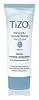
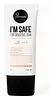
TIZO 2 Non-Tinted Facial Mineral Sunscreen SPF 40 Versus Suntique I'm Safe For Sensitive Skin SPF 35 PA+++
This mineral sunscreen covers the full UV range and blocks ~98% of UVB at SPF 40.
This sunscreen offers SPF 35 protection with a matte finish that helps control shine.


What's inside
What's inside
 Key Ingredients
Benefits
Concerns
No concerns
Ingredients Side-by-side
Titanium Dioxide 8%
Cosmetic Colorant

Zinc Oxide 3.8%
Cosmetic Colorant
Alumina
Abrasive
Cyclohexasiloxane
Emollient
Cyclopentasiloxane
Emollient
Dimethicone
Emollient
Dimethicone Crosspolymer
Emulsion Stabilising
Dimethicone/Vinyl Dimethicone Crosspolymer
Skin Conditioning
Dimethiconol
Emollient
Lauryl PEG/PPG-18/18 Methicone
Skin Conditioning
Hydrogen Dimethicone
PEG-10 Dimethicone
Skin Conditioning
Tetrahexyldecyl Ascorbate
Antioxidant





Tocopheryl Acetate
Antioxidant
Titanium Dioxide 8%, Zinc Oxide 3.8%, Alumina, Cyclohexasiloxane, Cyclopentasiloxane, Dimethicone, Dimethicone Crosspolymer, Dimethicone/Vinyl Dimethicone Crosspolymer, Dimethiconol, Lauryl PEG/PPG-18/18 Methicone, Hydrogen Dimethicone, PEG-10 Dimethicone, Tetrahexyldecyl Ascorbate, Tocopheryl Acetate
Water
Skin ConditioningPropanediol
Solvent

CI 77891
Cosmetic ColorantPhenyl Trimethicone
Skin Conditioning
Dicaprylyl Carbonate
EmollientMethylpropanediol
SolventCyclopentasiloxane
Emollient
1,2-Hexanediol
Skin Conditioning
Glycereth-26
Humectant
Methyl Trimethicone
Skin Conditioning
Polyglyceryl-2 Caprate
EmulsifyingMethyl Methacrylate Crosspolymer
Styrene/Ma Copolymer
Emulsion StabilisingSucrose Stearate
EmollientTromethamine
BufferingSimmondsia Chinensis Seed Oil
Emollient


Acrylates/C10-30 Alkyl Acrylate Crosspolymer
Emulsion StabilisingCellulose Gum
Emulsion StabilisingHydroxypropyl Methylcellulose
Emulsion StabilisingCetyl Hydroxyethylcellulose
Emulsion StabilisingStearic Acid
Cleansing
Alumina
Abrasive
Betaine
Humectant
Trehalose
Humectant
Glyceryl Caprylate
EmollientButylene Glycol
Humectant
Pentylene Glycol
Skin Conditioning
Ethylhexylglycerin
Skin ConditioningSqualane
Emollient
Centella Asiatica Extract
Cleansing
Aloe Barbadensis Leaf Extract
Emollient
Madecassoside
Antioxidant
Butylene Glycol Dicaprylate/Dicaprate
EmollientCarbomer
Emulsion StabilisingPolyacrylate Crosspolymer-6
Emulsion StabilisingT-Butyl Alcohol
Perfuming




Parfum
Masking
Water, Propanediol, CI 77891, Phenyl Trimethicone, Dicaprylyl Carbonate, Methylpropanediol, Cyclopentasiloxane, 1,2-Hexanediol, Glycereth-26, Methyl Trimethicone, Polyglyceryl-2 Caprate, Methyl Methacrylate Crosspolymer, Styrene/Ma Copolymer, Sucrose Stearate, Tromethamine, Simmondsia Chinensis Seed Oil, Acrylates/C10-30 Alkyl Acrylate Crosspolymer, Cellulose Gum, Hydroxypropyl Methylcellulose, Cetyl Hydroxyethylcellulose, Stearic Acid, Alumina, Betaine, Trehalose, Glyceryl Caprylate, Butylene Glycol, Pentylene Glycol, Ethylhexylglycerin, Squalane, Centella Asiatica Extract, Aloe Barbadensis Leaf Extract, Madecassoside, Butylene Glycol Dicaprylate/Dicaprate, Carbomer, Polyacrylate Crosspolymer-6, T-Butyl Alcohol, Parfum
Reviews
Ingredients Explained
These ingredients are found in both products.
Ingredients higher up in an ingredient list are typically present in a larger amount.
Alumina (aka aluminum oxide) is an inorganic mineral powder refined from bauxite that works as a quiet workhorse in a formula.
It shows up often as an abrasive, absorbent, anticaking, bulking, and viscosity-controlling agent.
One of its most common jobs is acting as a pigment carrier and dispersant.
Alumina platelets are often blended with inorganic sunscreens like Titanium Dioxide (or with colorants) and then coated with a silicone such as Triethoxycaprylylsilane so the pigment spreads evenly and smoothly.
In makeup, it can also double as a light-diffusing powder or oil absorber to keep formulas from looking greasy.
The Cosmetic Ingredient Review Expert Panel has concluded alumina to be safe in present practices of use and concentration.
They note it's a stable, oxidized compound and scientific research has failed to establish links to health issues.
Concentrations vary depending on the product:
Learn more about AluminaCyclopentasiloxane (D5) is a lightweight silicone that mostly acts as an emollient and solvent in cosmetics. Its the reason your products feel silky, fast-spreading, and non-greasy.
Since D5 is volatile, it does its thing and then evaporates off the skin quickly.
The safety profile of this ingredient is reassuring; the US CIR Expert Panel concluded D5 is safe as used in cosmetics and Health Canada concluded that D5 is not harmful to human health or the environment as currently used in cosmetics
There's a study that people mention about D5 in a rat study showing tumors. This study is related to long-term inhalation of high D5 levels.
Regulatory bodies have judged this study to be not applicable in topical skincare since skin absorption of D5 is very low and we're not really inhaling huge amounts of D5.
The only restriction for this ingredient is environmental. The European Chemicals Agency (ECHA) restricted D5 in wash-off cosmetics at or above 0.1% due to their persistence in water.
Learn more about Cyclopentasiloxane

