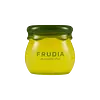
This calming lip moisturizer is formulated around Madecassoside and Panthenol to calm redness and hydrate lips.
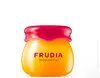
This anti-aging lip moisturizer is formulated around Petrolatum and Punica Granatum Fruit Extract to soften the look of wrinkles and hydrate lips.

What's inside
What's inside
 Key Ingredients
Benefits
Concerns
Ingredients Side-by-side
Hydrogenated Polyisobutene
EmollientSynthetic Beeswax
Emulsion Stabilising

Hydrogenated Castor Oil Dimer Dilinoleate
Skin Conditioning
Hydrogenated Vegetable Oil
Emollient


Helianthus Annuus Seed Wax
Skin Conditioning
Silica Dimethyl Silylate
EmollientEthylene/Propylene/Styrene Copolymer
Polyglyceryl-2 Triisostearate
Emulsifying
Sucrose Tetrastearate Triacetate
Emollient
Persea Gratissima Fruit Extract
EmollientMadecassic Acid
Skin Conditioning




Asiaticoside
Antioxidant

Asiatic Acid
Skin Conditioning
Madecassoside
Antioxidant
Panthenol
Skin Conditioning
Centella Asiatica Extract
Cleansing
Camellia Sinensis Leaf Oil
Antioxidant
Cinnamomum Camphora Bark Oil
Masking
Leucine
Skin ConditioningPhenylalanine
Masking
Methionine
Skin ConditioningLysine
Skin ConditioningHistidine
Humectant
Isoleucine
Skin ConditioningValine
MaskingThreonine
Tryptophan
MaskingHydrogenated Castor Oil
Emollient
Glyceryl Caprylate
EmollientTocopherol
Antioxidant


Butyrospermum Parkii Butter
Skin Conditioning
Mauritia Flexuosa Fruit Oil
Skin Conditioning
Butylene/Ethylene/Styrene Copolymer
Water
Skin ConditioningGlycerin
Humectant
Pentaerythrityl Tetra-Di-T-Butyl Hydroxyhydrocinnamate
Antioxidant
Caprylic/Capric Triglyceride
Masking
Butylene Glycol
Humectant
Hydrogenated Lecithin
Emulsifying
Pentylene Glycol
Skin Conditioning
Caprylyl Glycol
Emollient
Phytosterols
Skin Conditioning
Ethylhexylglycerin
Skin Conditioning1,2-Hexanediol
Skin Conditioning
Citrus Aurantium Dulcis Peel Oil
Masking
Citrus Aurantium Bergamia Fruit Oil
Masking


Citrus Paradisi Peel Oil
Masking
Mentha Viridis Leaf Oil
Astringent
Citrus Nobilis Peel Oil
Masking
Limonene
Perfuming
Linalool
Perfuming
Hydrogenated Polyisobutene, Synthetic Beeswax, Hydrogenated Castor Oil Dimer Dilinoleate, Hydrogenated Vegetable Oil, Helianthus Annuus Seed Wax, Silica Dimethyl Silylate, Ethylene/Propylene/Styrene Copolymer, Polyglyceryl-2 Triisostearate, Sucrose Tetrastearate Triacetate, Persea Gratissima Fruit Extract, Madecassic Acid, Asiaticoside, Asiatic Acid, Madecassoside, Panthenol, Centella Asiatica Extract, Camellia Sinensis Leaf Oil, Cinnamomum Camphora Bark Oil, Leucine, Phenylalanine, Methionine, Lysine, Histidine, Isoleucine, Valine, Threonine, Tryptophan, Hydrogenated Castor Oil, Glyceryl Caprylate, Tocopherol, Butyrospermum Parkii Butter, Mauritia Flexuosa Fruit Oil, Butylene/Ethylene/Styrene Copolymer, Water, Glycerin, Pentaerythrityl Tetra-Di-T-Butyl Hydroxyhydrocinnamate, Caprylic/Capric Triglyceride, Butylene Glycol, Hydrogenated Lecithin, Pentylene Glycol, Caprylyl Glycol, Phytosterols, Ethylhexylglycerin, 1,2-Hexanediol, Citrus Aurantium Dulcis Peel Oil, Citrus Aurantium Bergamia Fruit Oil, Citrus Paradisi Peel Oil, Mentha Viridis Leaf Oil, Citrus Nobilis Peel Oil, Limonene, Linalool
Petrolatum
Emollient
Hydrogenated Polyisobutene
EmollientPhytosteryl/Isostearyl/Cetyl/Stearyl/Behenyl Dimer Dilinoleate
Skin Conditioning
Mentha Arvensis Leaf Oil
Masking
Menthol
Masking
Punica Granatum Fruit Extract
Antioxidant
Soluble Collagen
Humectant
Prunus Armeniaca Kernel Oil
Masking
Vitis Vinifera Seed Oil
Emollient
Citrus Paradisi Seed Oil
Perfuming
Mangifera Indica Seed Oil
Emollient
Punica Granatum Seed Oil
Emollient
Solanum Lycopersicum Seed Oil
Emollient
Tocopherol
Antioxidant
Sodium Hyaluronate
Humectant
Adenosine
Skin Conditioning
Panthenol
Skin Conditioning
Hyaluronic Acid
Humectant
Fucus Vesiculosus Extract
Emollient
Prunella Vulgaris Extract
Antioxidant
Diisostearyl Malate
EmollientCoco-Caprylate/Caprate
Emollient
Aluminum Hydroxide
EmollientWater
Skin ConditioningButyrospermum Parkii Butter
Skin Conditioning
Anemarrhena Asphodeloides Root Extract
Skin Conditioning
Butylene Glycol
Humectant
Glycerin
Humectant
Honey Extract
Humectant
Caprylic/Capric Triglyceride
Masking
Zingiber Officinale Root Extract
Masking
Ethylhexylglycerin
Skin ConditioningHydrogenated Lecithin
Emulsifying
Citric Acid
Buffering
Phytosterols
Skin Conditioning
Phenoxyethanol
Preservative
1,2-Hexanediol
Skin Conditioning
CI 73360
Cosmetic ColorantMentha Viridis Leaf Oil
Astringent
Limonene
Perfuming
Petrolatum, Hydrogenated Polyisobutene, Phytosteryl/Isostearyl/Cetyl/Stearyl/Behenyl Dimer Dilinoleate, Mentha Arvensis Leaf Oil, Menthol, Punica Granatum Fruit Extract, Soluble Collagen, Prunus Armeniaca Kernel Oil, Vitis Vinifera Seed Oil, Citrus Paradisi Seed Oil, Mangifera Indica Seed Oil, Punica Granatum Seed Oil, Solanum Lycopersicum Seed Oil, Tocopherol, Sodium Hyaluronate, Adenosine, Panthenol, Hyaluronic Acid, Fucus Vesiculosus Extract, Prunella Vulgaris Extract, Diisostearyl Malate, Coco-Caprylate/Caprate, Aluminum Hydroxide, Water, Butyrospermum Parkii Butter, Anemarrhena Asphodeloides Root Extract, Butylene Glycol, Glycerin, Honey Extract, Caprylic/Capric Triglyceride, Zingiber Officinale Root Extract, Ethylhexylglycerin, Hydrogenated Lecithin, Citric Acid, Phytosterols, Phenoxyethanol, 1,2-Hexanediol, CI 73360, Mentha Viridis Leaf Oil, Limonene
Reviews
Ingredients Explained
These ingredients are found in both products.
Ingredients higher up in an ingredient list are typically present in a larger amount.
1,2-Hexanediol is a synthetic liquid and another multi-functional powerhouse.
It is a:
- Humectant, drawing moisture into the skin
- Emollient, helping to soften skin
- Solvent, dispersing and stabilizing formulas
- Preservative booster, enhancing the antimicrobial activity of other preservatives
Butylene Glycol (or BG) is used within cosmetic products for a few different reasons:
Overall, Butylene Glycol is a safe and well-rounded ingredient that works well with other ingredients.
Though this ingredient works well with most skin types, some people with sensitive skin may experience a reaction such as allergic rashes, closed comedones, or itchiness.
Learn more about Butylene GlycolThis ingredient is also known as shea butter. It is a plant-derived extract from the nuts of the Africa shea tree and one of the most well-studied emollients.
Because it has a high concentration of fatty acids (primarily oleic, stearic, and linoleic) it is able to form a protective barrier on the skin's surface. This helps seal in moisture and prevents transepidermal water loss (TEWL).
In vitro research found an increase in skin hydration by 58% and a decrease in TEWL by 37.8% after 24 hours of applying this ingredient (pretty impressive for a single ingredient!).
Besides hydration, shea butter also contains triterpenes that have anti-inflammatory potential. In particule, lupeol cinnamate has shown the highest anti-inflammatory activity in vivo.
Shea butter also contains vitamins A and E which may contribute to antioxidant activity.
While Shea Butter has an SPF rating of about 3-4, it is not a sunscreen replacement.
This ingredient may not be fungal acne safe because its fatty acids fall within the C11-C24 range that the Malassezia yeast can metabolize.
This ingredient shows up on a lot of "pore-clogging" lists but there's no real evidence behind that. It doesn't even have a comedogenic rating from an actual study; the numbers you'll find online come from blogs citing other blogs.
Ratings for other ingredients mostly come from a 1980s rabbit ear test. This test doesn't translate well to human skin or to real products because the ingredient sits at a much lower percentage.
Some people still find it breaks them out. So if that's you, definitely trust your skin. Just know this one's based on experience and not evidence.
Learn more about Butyrospermum Parkii ButterCaprylic/Capric Triglyceride (aka MCT Oil) is a lightweight emollient, solvent, and texture enhancer. It is considered a skin-softener by helping to prevent moisture loss.
Though it behaves like an oil, it is not technically one due to its chemical composition. One perk of this ingredient is that it is very stable, resistant to oxidation, and unlikely to go rancid.
In practice, that translates to a long shelf life and a consistently elegant skin feel.
While there is an assumption Caprylic Triglyceride can clog pores due to it being derived from coconut oil, there is no research supporting this. Just patch test if you have concerns.
Fractionated coconut oil and MCT Oil are both listed as Caprylic/Capric Triglyceride according to INCI. This is because INCI names are based on the ingredient’s final chemical composition and not its marketing name or source.
This ingredient is treated as the gold standard fungal acne safe oil. Even though it is coconut derived, the problematic lauric acid is stripped out.
This leaves just caprylic (C8) and capric (C10) acid. These chain lengths actually trend antifungal; a 2020 study found caprylic acid was enough to disrupt Malassezia furfur cell membrane, with a caprylic acid derivative damaging membrane structures at concentrations as low as 0.2%.
Learn more about Caprylic/Capric TriglycerideEthylhexylglycerin is created from glycerin. It is a multitasker ingredient that:
The CIR Expert Panel found minimal skin absorption or sensitization of any kind in a safety assessment. Though this ingredient is considered well-tolerated, a small number of cases of allergic dermatitis have been published since 2002. Just be sure to patch test if you are unsure.
Industry-reported use ranges from 8% in rinse-off products and 2% in leave-on formulations.
Learn more about EthylhexylglycerinGlycerin (or glycerol) is a compound naturally found in your skin. It's a powerhouse humectant that pulls water into the stratum corneum.
Topically, glycerin does several things at once:
Your skin makes glycerin on its own (mostly from sebaceous oil breakdown) and shuttles it to your outermost layer of skin, or your epidermis, via aquaporin-3.
Aquaporin-3 is a transporter that is essential for normal skin hydration, elasticity, and repair. Interestingly, mice lacking in AQP3 have dry and less elastic skin that can be fully corrected with glycerin.
This ingredient is non-irritating, plays well with almost every ingredient, and works across all skin types. Typical use is anywhere between 3-10% but can go up to 79% in some leave-on products.
Just know very high concentrations (>40%) can feel tacky in low humidity.
Glycerin is the name for this ingredient in American English. British English uses Glycerol/Glycerine.
Learn more about GlycerinHydrogenated Lecithin is a more stable version of lecithin.
It's made by taking lecithin (a phospholipid commonly found in soybeans and egg yolks) and hydrogenating it. This just means the unsaturated fatty acids are turned into saturated ones so they don't go bad as easily.
This ingredient is an emollient, emulsifier, and penetration enhancer. As an emollient, it helps soften and hydrate skin by trapping moisture within. As an emulsifier, it prevents oil and water ingredients from separating.
Hydrogenated Lecithin can form tiny spherical structures made of phospholipid bilayers called liposomes. These liposomes are able to capture compounds inside their structure and deliver them through the skin barrier.
Because phospholipids are a natural component of our cell membranes, this ingredient is inherently compatible with skin.
A 2021 study found lecithin-based surfactants were less harsh and more tolerable comared to Sodium Lauryl Sulfate (SLS).
Learn more about Hydrogenated LecithinHydrogenated Polyisobutene is a synthetic polymer. Polymers are compounds with high molecular weight. Hydrogenated Polyisobutene is an emollient and texture enhancer.
In one study, Hydrogenated Polyisobutene showed better skin hydration levels than Caprylic/Capric Triglyceride. As an emollient, it helps keep your skin soft and hydrated by trapping moisture in.
Hydrogenated Polyisobutene is often used as a mineral oil replacement.
Learn more about Hydrogenated PolyisobuteneLimonene is the compound that gives citrus peel its smell.
In skincare, it shows up as a standalone fragrance ingredient or as a natural compound of citrus and other essential oils.
You'll typically see this ingredient used in very small amounts; anything above 0.001% in a leave-on product or 0.01% in a rinse-off has to be named on the label in the EU. The citrus oils that carry it sit around 0.5-1% in a finished formula.
Fresh limonene is a weak allergen; the real issue is that it slowly reacts with air and then breaks down from oxidation to create hydroperoxides (which are strong sensitizers). This is why suppliers are required to keep the peroxide value below 20 mmol.
Positive reactions in people being investigated for eczema vary:
It's worth skipping if you have a known fragrance allergy or a compromised barrier, but the risk is low for most people.
Older or long-opened products are also more likely to bother you than fresh ones due to oxidation.
Learn more about LimoneneThis ingredient is also called spearmint oil. It contains carvone (41-79%), limonene (10-22%), and small amounts of other monoterpenes depending on where it's grown.
In cosmetics, this ingredient mostly acts as a fragrancing/masking ingredient and mild astringent.
Lab studies show carvone to have antioxidant and antimicrobial activity, but it is a recognized fragrance allergen. Carvone is a mild skin sensitizer while limonene is a well-known one.
In a 21-year retrospective from a Swedish patch test clinic, 3.5% of patients tested positive for sensitive towards carvone.
Learn more about Mentha Viridis Leaf OilPanthenol is a common ingredient that helps hydrate and soothe the skin. It is found naturally in our skin and hair.
There are two forms of panthenol: D and L.
D-panthenol is also known as dexpanthenol. Most cosmetics use dexpanthenol or a mixture of D and L-panthenol.
Panthenol is famous due to its ability to go deeper into the skin's layers. Using this ingredient has numerous pros (and no cons):
Like hyaluronic acid, panthenol is a humectant. Humectants are able to bind and hold large amounts of water to keep skin hydrated.
This ingredient works well for wound healing. It works by increasing tissue in the wound and helps close open wounds.
Once oxidized, panthenol converts to pantothenic acid. Panthothenic acid is found in all living cells.
This ingredient is also referred to as pro-vitamin B5.
Learn more about PanthenolPhytosterols are plant-derived sterols (you can think of them as the plant world's version of cholesterol). In cosmetics, this ingredient is usually sourced from soybean, rice bran, shea, sunflower, and other seed oils.
The main actors in this group are β-sitosterol, campesterol, and stigmasterol (the CIR covers 27 phytosterols).
They work by fitting perfectly into your stratum corneum's lipid matrix since they're structurally similar to cholesterol. Here, they reinforce your skin's barrier.
One small in vivo human study showed topical soybean phytosterols sped up barrier recovery within three days on tape-stripped skin.
Broader research credits them with:
Formulation use typically sit under 5%.
Testing in soy-allergic subjects found no sensitization signals, but be sure to patch test if you are unsure or have existing allergies.
Learn more about PhytosterolsTocopherol is a fat-soluble antioxidant known as Vitamin E.
You'll find this ingredient in the vast majority of skincare (for good reason). It works to neutralize free radicals, or unstable molecules generated by UV exposure, pollution, and other environmental stressors, before they can cause oxidative damage to your skin cells.
Topically applied tocopherol has been shown to protect against UV damage by ramping up the skin's own natural defense enzymes.
It also acts as a skin conditioning agent; some studies show that regular topical use can improve the skin's water-binding capacity over 2-4 weeks.
This ingredient is especially loved for being a team player. When combined with Vitamin C, the photoprotective effect of both ingredients roughly doubles and the combo also helps reduce UV-induced DNA damage.
This ingredient has some brightening potential but it's more of a prevention ingredient than spot-fader. Cell studies show it can slow down melanin production but it's worth noting that it's not the most powerful brightener out there.
In formulations, it also serves as a stabilizer that helps protect other oxidation-prone ingredients from degrading.
Concentrations usually range from 0.1-1% in most leave-on products.
Learn more about TocopherolWater. It's the most common cosmetic ingredient of all. You'll usually see it at the top of ingredient lists, meaning that it makes up the largest part of the product.
So why is it so popular? Water most often acts as a solvent - this means that it helps dissolve other ingredients into the formulation.
You'll also recognize water as that liquid we all need to stay alive. If you see this, drink a glass of water. Remember to stay hydrated!
Learn more about Water

