For Skin’s Sake (FSS) Retinal Eye Cream Versus Some By Mi Retinol Intense Advanced Triple Action Eye Cream
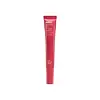
This anti-aging eye moisturizer is formulated around Retinal and Caffeine to soften the look of wrinkles and refine skin texture.
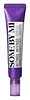
This anti-aging eye moisturizer is formulated around Niacinamide and Retinol to soften the look of wrinkles and fade the look of dark spots.


What's inside
What's inside
 Key Ingredients
Benefits
Concerns
Ingredients Side-by-side
Water
Skin ConditioningCaprylic/Capric Triglyceride
Masking


Glycerin
Humectant
Propanediol
Solvent
Sodium Acrylates Copolymer
Caffeine
Skin Conditioning

Phenoxyethanol
Preservative
Lecithin
Emollient
Butylene Glycol
Humectant
Squalane
Emollient
Mica
Cosmetic ColorantTocopheryl Acetate
Antioxidant


Polysorbate 80
Emulsifying

Retinal
Skin Conditioning






Sucrose Laurate
Emollient
1,2-Hexanediol
Skin Conditioning
Acetyl Tetrapeptide-5
Humectant
Water
Skin ConditioningGlycerin
Humectant
Caprylic/Capric Triglyceride
Masking
Dimethicone
Emollient
Polysorbate 60
Emulsifying
Niacinamide
Smoothing

Methylpropanediol
SolventCetyl Alcohol
Emollient
Polymethylsilsesquioxane
Centella Asiatica Extract
Cleansing
Dioscorea Japonica Root Extract
Skin Conditioning
Piper Methysticum Leaf/Root/Stem Extract
Skin ConditioningMelaleuca Alternifolia Leaf Extract
Perfuming
Panax Ginseng Berry Extract
Skin Conditioning
Artemisia Capillaris Extract
Ganoderma Lucidum Stem Extract
Skin ConditioningChlorella Vulgaris Extract
Skin ConditioningGlycine Soja Seed Extract
Skin Conditioning
Nymphaea Alba Flower Extract
Skin ConditioningElaeis Guineensis Oil
Emollient


Hydrogenated Lecithin
Emulsifying
Sodium Hyaluronate
Humectant
1,2-Hexanediol
Skin Conditioning
Dimethicone/Vinyl Dimethicone Crosspolymer
Skin Conditioning
Panthenol
Skin Conditioning
BHT
Antioxidant
Cyclopentasiloxane
Emollient
Steareth-21
CleansingPEG-10 Dimethicone/Vinyl Dimethicone Crosspolymer
Stabilising
Polyacrylamide
Steareth-2
EmulsifyingIsohexadecane
EmollientCarbomer
Emulsion StabilisingHydroxyacetophenone
Antioxidant
C13-14 Isoparaffin
Emollient
Tromethamine
BufferingPalmitic Acid
Emollient
Polyquaternium-51
Skin Conditioning
Stearic Acid
Cleansing
Polysorbate 20
Emulsifying
Retinol 0.1%
Skin Conditioning
Ethylhexylglycerin
Skin ConditioningGlyceryl Caprylate
EmollientTocopheryl Acetate
Antioxidant
Polyglyceryl-10 Myristate
Skin Conditioning
PEG-30 Dipolyhydroxystearate
Emulsifying
Hydroxyethylcellulose
Emulsion StabilisingGlycosyl Trehalose
Emulsion StabilisingBeta-Glucan
Skin Conditioning
Glyceryl Polymethacrylate
Laureth-7
EmulsifyingButylene Glycol
Humectant
Disodium EDTA
ChelatingHydrogenated Starch Hydrolysate
HumectantAdenosine
Skin Conditioning
Raffinose
Skin ConditioningDipotassium Glycyrrhizate
Humectant
Lecithin
Emollient
Tocopherol
Antioxidant
Pentylene Glycol
Skin Conditioning
BHA
Antioxidant
Myristic Acid
Cleansing
Tranexamic Acid
Astringent
Propanediol
Solvent
Dipropylene Glycol
HumectantDisodium Phosphate
BufferingCaprylyl Glycol
Emollient
Collagen
Moisturising
Madecassic Acid
Skin Conditioning
Biosaccharide Gum-1
Humectant
Asiaticoside
Antioxidant
Sodium Palmitoyl Proline
Skin ConditioningLeuconostoc/Radish Root Ferment Filtrate
Antimicrobial
Asiatic Acid
Skin Conditioning
Glutathione
Retinal
Skin Conditioning
Madecassoside
Antioxidant
Sodium Phosphate
BufferingFerulic Acid
Antimicrobial
Acetyl Hexapeptide-8
Humectant
Ammonium Acryloyldimethyltaurate/Vp Copolymer
Tetrahydropiperine
Skin ConditioningPhloretin
Antioxidant
Arginine
Masking
Parfum
Masking
Water, Glycerin, Caprylic/Capric Triglyceride, Dimethicone, Polysorbate 60, Niacinamide, Methylpropanediol, Cetyl Alcohol, Polymethylsilsesquioxane, Centella Asiatica Extract, Dioscorea Japonica Root Extract, Piper Methysticum Leaf/Root/Stem Extract, Melaleuca Alternifolia Leaf Extract, Panax Ginseng Berry Extract, Artemisia Capillaris Extract, Ganoderma Lucidum Stem Extract, Chlorella Vulgaris Extract, Glycine Soja Seed Extract, Nymphaea Alba Flower Extract, Elaeis Guineensis Oil, Hydrogenated Lecithin, Sodium Hyaluronate, 1,2-Hexanediol, Dimethicone/Vinyl Dimethicone Crosspolymer, Panthenol, BHT, Cyclopentasiloxane, Steareth-21, PEG-10 Dimethicone/Vinyl Dimethicone Crosspolymer, Polyacrylamide, Steareth-2, Isohexadecane, Carbomer, Hydroxyacetophenone, C13-14 Isoparaffin, Tromethamine, Palmitic Acid, Polyquaternium-51, Stearic Acid, Polysorbate 20, Retinol 0.1%, Ethylhexylglycerin, Glyceryl Caprylate, Tocopheryl Acetate, Polyglyceryl-10 Myristate, PEG-30 Dipolyhydroxystearate, Hydroxyethylcellulose, Glycosyl Trehalose, Beta-Glucan, Glyceryl Polymethacrylate, Laureth-7, Butylene Glycol, Disodium EDTA, Hydrogenated Starch Hydrolysate, Adenosine, Raffinose, Dipotassium Glycyrrhizate, Lecithin, Tocopherol, Pentylene Glycol, BHA, Myristic Acid, Tranexamic Acid, Propanediol, Dipropylene Glycol, Disodium Phosphate, Caprylyl Glycol, Collagen, Madecassic Acid, Biosaccharide Gum-1, Asiaticoside, Sodium Palmitoyl Proline, Leuconostoc/Radish Root Ferment Filtrate, Asiatic Acid, Glutathione, Retinal, Madecassoside, Sodium Phosphate, Ferulic Acid, Acetyl Hexapeptide-8, Ammonium Acryloyldimethyltaurate/Vp Copolymer, Tetrahydropiperine, Phloretin, Arginine, Parfum
Reviews
Ingredients Explained
These ingredients are found in both products.
Ingredients higher up in an ingredient list are typically present in a larger amount.
1,2-Hexanediol is a synthetic liquid and another multi-functional powerhouse.
It is a:
- Humectant, drawing moisture into the skin
- Emollient, helping to soften skin
- Solvent, dispersing and stabilizing formulas
- Preservative booster, enhancing the antimicrobial activity of other preservatives
Butylene Glycol (or BG) is used within cosmetic products for a few different reasons:
Overall, Butylene Glycol is a safe and well-rounded ingredient that works well with other ingredients.
Though this ingredient works well with most skin types, some people with sensitive skin may experience a reaction such as allergic rashes, closed comedones, or itchiness.
Learn more about Butylene GlycolCaprylic/Capric Triglyceride (aka MCT Oil) is a lightweight emollient, solvent, and texture enhancer. It is considered a skin-softener by helping to prevent moisture loss.
Though it behaves like an oil, it is not technically one due to its chemical composition. One perk of this ingredient is that it is very stable, resistant to oxidation, and unlikely to go rancid.
In practice, that translates to a long shelf life and a consistently elegant skin feel.
While there is an assumption Caprylic Triglyceride can clog pores due to it being derived from coconut oil, there is no research supporting this. Just patch test if you have concerns.
Fractionated coconut oil and MCT Oil are both listed as Caprylic/Capric Triglyceride according to INCI. This is because INCI names are based on the ingredient’s final chemical composition and not its marketing name or source.
This ingredient is treated as the gold standard fungal acne safe oil. Even though it is coconut derived, the problematic lauric acid is stripped out.
This leaves just caprylic (C8) and capric (C10) acid. These chain lengths actually trend antifungal; a 2020 study found caprylic acid was enough to disrupt Malassezia furfur cell membrane, with a caprylic acid derivative damaging membrane structures at concentrations as low as 0.2%.
Learn more about Caprylic/Capric TriglycerideGlycerin (or glycerol) is a compound naturally found in your skin. It's a powerhouse humectant that pulls water into the stratum corneum.
Topically, glycerin does several things at once:
Your skin makes glycerin on its own (mostly from sebaceous oil breakdown) and shuttles it to your outermost layer of skin, or your epidermis, via aquaporin-3.
Aquaporin-3 is a transporter that is essential for normal skin hydration, elasticity, and repair. Interestingly, mice lacking in AQP3 have dry and less elastic skin that can be fully corrected with glycerin.
This ingredient is non-irritating, plays well with almost every ingredient, and works across all skin types. Typical use is anywhere between 3-10% but can go up to 79% in some leave-on products.
Just know very high concentrations (>40%) can feel tacky in low humidity.
Glycerin is the name for this ingredient in American English. British English uses Glycerol/Glycerine.
Learn more about GlycerinLecithin is a term for a group of substances found in the cell membranes of plants, animals, and humans. They are made up of phospholipids.
Thanks to its amphiphilic structure (water-loving head and oil-loving tail), it is a true multitasker:
It plays well with most ingredients and is typically used at 0.1-1%. However, concentrations up to 50% have been reported in moisturizers.
Learn more about LecithinPropanediol is an all-star ingredient. It softens, hydrates, and smooths the skin.
It’s often used to:
Propanediol is not likely to cause sensitivity and considered safe to use. It is derived from corn or petroleum with a clear color and no scent.
Learn more about PropanediolRetinal (aka retinaldehyde) is a form of retinoid that formulators use mainly as an antiaging and skin-renewing active.
What makes it special is its position in the retinoid family; skin converts it to retinoic acid (the prescription gold standard) in just one step.
Because retinal only requires 1 conversion step to become retinoic acid, it's the strongest over-the-counter retinoid. It also works at lower concentrations than retinol, since retinal is about 10x more bioavailable.
Studies back up its efficacy in skin:
A foundational trial showed that applying 0.05-0.5% retinal for 1-3 months produced a dose-dependent and significant increase in epidermal thickness + cell turnover markers.
And a head-to-head comparison of 0.05% retinal against a 0.05% retinoid acid found both formulations were effective for the basis of wrinkle/skin roughness features, but retinoic acid caused more local irritation.
More recent controlled trials confirm it improves wrinkles, dermal density, and firmness over 12-24 weeks, with significant improvements in skin texture and firmness (particularly with the higher 0.1% concentration).
Retinal also has one trick the other retinoids do not: it directly fights against acne bacteria since a clinical study showed retinaldehyde-treated areas displayed a significant decrease in counts of viable P. acnes.
This makes it a great pick for people who want to treat aging and breakouts.
Typical cosmetic use sits in the 0.05-0.1% range with 0.05% being the gentle starting point and 0.1% giving stronger results.
Like all retinoids, retinal works best with nightly use, a good moisturizer, and daytime sunscreen. It can cause some irritation so ease into it slowly rather than going all in.
The "ramp up" method works well: start with Retinal once a week to give your skin time to adjust, which keeps irritation low.
Slowly add more nights until you reach your goal frequency once your skin feels comfortable.
Retinoids also make your skin more sensitive to the sun in the first few weeks, so wear sunscreen every morning and protect your skin from direct sun while you build up tolerance.
Learn more about RetinalTocopheryl Acetate is a stable, shelf-friendly form of vitamin E.
Formulators love it because plain vitamin E oxidizes quickly once it hits air. This acetate version stays stable and resists going off, helping to extend a product's shelf life.
It's actually inactive on its own and works like a slow-release "storage" form; the enzymes in your skin called esterases gradually convert it into active vitamin E over time.
One in vivo study showed 5% of the acetate in the living layer of the epidermis converted to vitamin E after 5 days of application. This study also found the skin gained protection against UV damage even though the conversion was slow and small.
Once converted, vitamin E acts as a skin's main fat-soluble antioxidant that fights free radicals to protect skin from damage.
Topical vitamin E generally boosts the skin's photoprotection, and it reduced UV-damage in animal models.
This ingredient has some brightening potential but it's more of a prevention ingredient than spot-fader. Cell studies show it can slow down melanin production but it's worth noting that it's not the most powerful brightener out there.
Overall, it has a pretty solid safety profile and has been found to be non-irritating and non-comedogenic. Allergic reactions may happen but stay rare due to how widely the ingredient gets used.
The concentration will vary depending on the formula; industry data shows 0.1% in baby lotions, 3% in lipsticks, and 5% in foot powders. You can also find this ingredient at 100% in a pure vitamin E oil.
Most leave-on skincare keeps it at the lower end, often between 0.5-1%.
Learn more about Tocopheryl AcetateWater. It's the most common cosmetic ingredient of all. You'll usually see it at the top of ingredient lists, meaning that it makes up the largest part of the product.
So why is it so popular? Water most often acts as a solvent - this means that it helps dissolve other ingredients into the formulation.
You'll also recognize water as that liquid we all need to stay alive. If you see this, drink a glass of water. Remember to stay hydrated!
Learn more about Water

