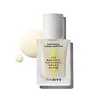
This anti-aging ampoule is formulated around Bakuchiol to soften the look of wrinkles and brighten dull-looking skin.
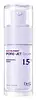
This pore-care serum is formulated around Niacinamide and Panthenol to refine the look of pores and calm redness.

What's inside
What's inside
 Key Ingredients
Benefits
Concerns
Ingredients Side-by-side
Myrciaria Dubia Fruit Juice 74%
Antioxidant
Bakuchiol 3%
Antimicrobial








Panthenol
Skin Conditioning

Water
Skin ConditioningPropanediol
Solvent
Glycerin
Humectant
1,2-Hexanediol
Skin Conditioning
Isopentyldiol
Humectant
Dipropylene Glycol
HumectantMethyl Gluceth-20
Humectant
Polyglyceryl-3 Methylglucose Distearate
Emulsifying

Bisabolol
Antioxidant
Hydroxyacetophenone
Antioxidant
Polyacrylate Crosspolymer-6
Emulsion StabilisingCetearyl Olivate
Hippophae Rhamnoides Seed Oil
Skin Protecting
Sorbitan Olivate
Emulsifying
Disodium EDTA
ChelatingGlyceryl Acrylate/Acrylic Acid Copolymer
HumectantEthylhexylglycerin
Skin ConditioningTocopherol
Antioxidant
Caprylyl Glycol
Emollient
Ascorbic Acid
Antioxidant
Sodium Hyaluronate Crosspolymer
Humectant
Hydrolyzed Glycosaminoglycans
HumectantSodium Hyaluronate
Humectant
Ferulic Acid
Antimicrobial
Benzyl Glycol
SolventBeta-Glucan
Skin Conditioning
Hydrolyzed Hyaluronic Acid
Humectant
Hyaluronic Acid
Humectant
Myrciaria Dubia Fruit Juice 74%, Bakuchiol 3%, Panthenol, Water, Propanediol, Glycerin, 1,2-Hexanediol, Isopentyldiol, Dipropylene Glycol, Methyl Gluceth-20, Polyglyceryl-3 Methylglucose Distearate, Bisabolol, Hydroxyacetophenone, Polyacrylate Crosspolymer-6, Cetearyl Olivate, Hippophae Rhamnoides Seed Oil, Sorbitan Olivate, Disodium EDTA, Glyceryl Acrylate/Acrylic Acid Copolymer, Ethylhexylglycerin, Tocopherol, Caprylyl Glycol, Ascorbic Acid, Sodium Hyaluronate Crosspolymer, Hydrolyzed Glycosaminoglycans, Sodium Hyaluronate, Ferulic Acid, Benzyl Glycol, Beta-Glucan, Hydrolyzed Hyaluronic Acid, Hyaluronic Acid
Water
Skin ConditioningPropanediol
Solvent
Niacinamide
Smoothing


Butylene Glycol
Humectant
Caprylic/Capric Triglyceride
Masking
Glycerin
Humectant
Polyglyceryl-3 Distearate
Emulsifying
Methyl Trimethicone
Skin Conditioning
Squalane
Emollient
1,2-Hexanediol
Skin Conditioning
Panthenol
Skin Conditioning
Glyceryl Stearate
Emollient
Polyglyceryl-6 Stearate
Emollient
Cetearyl Alcohol
Emollient


Borago Officinalis Extract
Emollient
Diphenyl Dimethicone
Emollient
Bakuchiol
Antimicrobial
Caprylyl Glycol
Emollient
Triethylhexanoin
MaskingCarbomer
Emulsion StabilisingHydroxyethyl Acrylate/Sodium Acryloyldimethyl Taurate Copolymer
Emulsion StabilisingTromethamine
BufferingTocopherol
Antioxidant
Allantoin
Skin Conditioning
Dipotassium Glycyrrhizate
Humectant
Xanthan Gum
EmulsifyingGlyceryl Stearate Citrate
Emollient
Polyglyceryl-10 Oleate
Skin Conditioning
Hydrogenated Lecithin
Emulsifying
Disodium EDTA
ChelatingAdenosine
Skin Conditioning
Polyglyceryl-6 Behenate
Emulsion Stabilising
Ethylhexylglycerin
Skin ConditioningCentella Asiatica Leaf Extract
Skin Conditioning
Dipropylene Glycol
HumectantFructooligosaccharides
Humectant
Sorbitan Isostearate
Emulsifying
Pyrus Communis Fruit Extract
Skin ConditioningPinus Densiflora Leaf Extract
Antimicrobial
Cetyl Ethylhexanoate
EmollientPyrus Malus Fruit Extract
Skin Conditioning
Fragaria Chiloensis Fruit Extract
Skin Conditioning
Sodium Hyaluronate Crosspolymer
Humectant
Hydrolyzed Collagen
Emollient
Sodium Ascorbyl Phosphate
Antioxidant
Lavandula Angustifolia Flower Extract
Cleansing

Ceramide NP
Skin Conditioning
Cholesterol
Emollient
Linoleic Acid
Cleansing
Palmitic Acid
Emollient
Sodium Hyaluronate
Humectant
Tremella Fuciformis Polysaccharide
Emulsion Stabilising
Malus Domestica Fruit Cell Culture Extract
Skin ConditioningCentella Asiatica Extract
Cleansing
Sodium DNA
Skin Conditioning
Water, Propanediol, Niacinamide, Butylene Glycol, Caprylic/Capric Triglyceride, Glycerin, Polyglyceryl-3 Distearate, Methyl Trimethicone, Squalane, 1,2-Hexanediol, Panthenol, Glyceryl Stearate, Polyglyceryl-6 Stearate, Cetearyl Alcohol, Borago Officinalis Extract, Diphenyl Dimethicone, Bakuchiol, Caprylyl Glycol, Triethylhexanoin, Carbomer, Hydroxyethyl Acrylate/Sodium Acryloyldimethyl Taurate Copolymer, Tromethamine, Tocopherol, Allantoin, Dipotassium Glycyrrhizate, Xanthan Gum, Glyceryl Stearate Citrate, Polyglyceryl-10 Oleate, Hydrogenated Lecithin, Disodium EDTA, Adenosine, Polyglyceryl-6 Behenate, Ethylhexylglycerin, Centella Asiatica Leaf Extract, Dipropylene Glycol, Fructooligosaccharides, Sorbitan Isostearate, Pyrus Communis Fruit Extract, Pinus Densiflora Leaf Extract, Cetyl Ethylhexanoate, Pyrus Malus Fruit Extract, Fragaria Chiloensis Fruit Extract, Sodium Hyaluronate Crosspolymer, Hydrolyzed Collagen, Sodium Ascorbyl Phosphate, Lavandula Angustifolia Flower Extract, Ceramide NP, Cholesterol, Linoleic Acid, Palmitic Acid, Sodium Hyaluronate, Tremella Fuciformis Polysaccharide, Malus Domestica Fruit Cell Culture Extract, Centella Asiatica Extract, Sodium DNA
Reviews
Ingredients Explained
These ingredients are found in both products.
Ingredients higher up in an ingredient list are typically present in a larger amount.
1,2-Hexanediol is a synthetic liquid and another multi-functional powerhouse.
It is a:
- Humectant, drawing moisture into the skin
- Emollient, helping to soften skin
- Solvent, dispersing and stabilizing formulas
- Preservative booster, enhancing the antimicrobial activity of other preservatives
Bakuchiol is a plant-derived antioxidant from the seeds of the Psoralea corylifolia plant. It has antimicrobial, emollient, skin conditioning, and antioxidant properties.
You'll likely see it called a "retinol replacement" but the two are technically not related. This is because bakuchiol is able to flip many of the same switches in your skin cells to tell them to:
1) produce more collagen (type I, III, and IV)
2) activate the same genes retinoids do
Unlike retinoids, this ingredient will not increase photosensitivity and is safe to use during pregnancy (but please still check in with your doctor!).
The flagship clinical trial from Dhaliwal et al. 2019 found 0.5% bakuchiol (twice daily) and 0.5% retinol (once daily) reduced wrinkles and hyperpigmentation equally, but bakuchiol had significantly less irritation.
Systematic reviews also back this up:
Bakuchiol is comparable to retinol for photoaging but with better tolerability. It also has mild antibacterial properties against Cutibacterium acnes and antifungal activity in vitro against Candida and dermatophytes.
The reason bakuchiol works well is due to its structure; it is a meroterpene phenol, or a hybrid molecule. The phenol half acts as an antioxidant while the terpene half is fat-loving. This helps the molecule slip through the skin barrier.
This ingredient is usually used between 0.5-2%. Only one case of contact dermatitis has ever been reported for this ingredient.
Learn more about BakuchiolCaprylyl Glycol is a humectant, skin conditioner, emollient, and preservative booster derived from either caprylic acid or synthetically created.
Typical use levels vary from 0.3-1% as a preservative booster and go up to 2% to condition skin.
Because it is not a free-fatty acid, this ingredient is fungal acne safe (there's nothing for Malassezia to feed on).
Learn more about Caprylyl GlycolDipropylene Glycol is a synthetically created humectant, stabilizer, and solvent.
This ingredient helps:
Dipropylene glycol is technically an alcohol, but it belongs to the glycol family (often considered part of the ‘good’ alcohols). This means it is hydrating and gentle on skin unlike drying solvent alcohols like denatured alcohol.
As a masking agent, Dipropylene Glycol can be used to cover the smell of other ingredients. However, it does not have a scent.
Studies show Dipropylene Glycol is considered safe to use in skincare.
Learn more about Dipropylene GlycolDisodium EDTA is a chelating agent. It grabs onto and deactivates metal ions that sneak into your products from water, packaging, or air.
This ingredient mainly works behind the scenes and helps with:
On top of that, this ingredient can counteract the effects of hard water by binding to the minerals in it.
One thing worth knowing is that Disodium EDTA has been shown to be a mild penetration enhancer. It can help other ingredients absorb into skin more effectively which can be a double-edged sword (great for actives, but can also make the active too strong if you have sensitive skin).
Clinical patch testing showed no significant skin irritation at typical use concentrations and minimal dermal absorption.
You'll most likely see this ingredient near the end of an ingredient list. It's typically found in concentrations less than 1%.
Learn more about Disodium EDTAEthylhexylglycerin is created from glycerin. It is a multitasker ingredient that:
The CIR Expert Panel found minimal skin absorption or sensitization of any kind in a safety assessment. Though this ingredient is considered well-tolerated, a small number of cases of allergic dermatitis have been published since 2002. Just be sure to patch test if you are unsure.
Industry-reported use ranges from 8% in rinse-off products and 2% in leave-on formulations.
Learn more about EthylhexylglycerinGlycerin (or glycerol) is a compound naturally found in your skin. It's a powerhouse humectant that pulls water into the stratum corneum.
Topically, glycerin does several things at once:
Your skin makes glycerin on its own (mostly from sebaceous oil breakdown) and shuttles it to your outermost layer of skin, or your epidermis, via aquaporin-3.
Aquaporin-3 is a transporter that is essential for normal skin hydration, elasticity, and repair. Interestingly, mice lacking in AQP3 have dry and less elastic skin that can be fully corrected with glycerin.
This ingredient is non-irritating, plays well with almost every ingredient, and works across all skin types. Typical use is anywhere between 3-10% but can go up to 79% in some leave-on products.
Just know very high concentrations (>40%) can feel tacky in low humidity.
Glycerin is the name for this ingredient in American English. British English uses Glycerol/Glycerine.
Learn more about GlycerinPanthenol is a common ingredient that helps hydrate and soothe the skin. It is found naturally in our skin and hair.
There are two forms of panthenol: D and L.
D-panthenol is also known as dexpanthenol. Most cosmetics use dexpanthenol or a mixture of D and L-panthenol.
Panthenol is famous due to its ability to go deeper into the skin's layers. Using this ingredient has numerous pros (and no cons):
Like hyaluronic acid, panthenol is a humectant. Humectants are able to bind and hold large amounts of water to keep skin hydrated.
This ingredient works well for wound healing. It works by increasing tissue in the wound and helps close open wounds.
Once oxidized, panthenol converts to pantothenic acid. Panthothenic acid is found in all living cells.
This ingredient is also referred to as pro-vitamin B5.
Learn more about PanthenolPropanediol is an all-star ingredient. It softens, hydrates, and smooths the skin.
It’s often used to:
Propanediol is not likely to cause sensitivity and considered safe to use. It is derived from corn or petroleum with a clear color and no scent.
Learn more about PropanediolSodium Hyaluronate is the salt form of hyaluronic acid. It is a long sugar chain that is naturally found in your skin, joints, and connective tissue that maintains hydration and elasticity.
In skincare, it works as a humectant. It pulls water from the environment and deeper layers of skin and binds it to the surface.
Interestingly, the size of the molecule affects its behavior:
Some clinical evidence links low molecular weight versions to improved wrinkle depth, elasticity, anti-inflammatory effects, and barrier repair.
Many serums use a blend of both weights so you can get surface hydration plus longer-lasting and deeper effects.
You'll typically see concentrations between 0.1-2% for this ingredient.
Learn more about Sodium HyaluronateSodium Hyaluronate Crosspolymer is a crosslinked version of sodium hyaluronate. This just means it's linked into a 3D mesh network that lets it be more stable and sit on skin as a cohesive, gel-like film rather than sinking into skin.
A 2016 human skin study found crosslinked HA increased epidermal water content by 7.6% over the control group and reduced transepidermal water loss by 27.8%.
A follow-up clinical trial found that a topical crosslinked HA serum applied after fillers, microneedling, or chemical peels was well-tolerated and enhanced skin quality at 14 / 28 days.
More recent research suggests that concentrations as low as 0.03% can act as a penetration enhancer for other skincare actives.
Learn more about Sodium Hyaluronate CrosspolymerTocopherol is a fat-soluble antioxidant known as Vitamin E.
You'll find this ingredient in the vast majority of skincare (for good reason). It works to neutralize free radicals, or unstable molecules generated by UV exposure, pollution, and other environmental stressors, before they can cause oxidative damage to your skin cells.
Topically applied tocopherol has been shown to protect against UV damage by ramping up the skin's own natural defense enzymes.
It also acts as a skin conditioning agent; some studies show that regular topical use can improve the skin's water-binding capacity over 2-4 weeks.
This ingredient is especially loved for being a team player. When combined with Vitamin C, the photoprotective effect of both ingredients roughly doubles and the combo also helps reduce UV-induced DNA damage.
This ingredient has some brightening potential but it's more of a prevention ingredient than spot-fader. Cell studies show it can slow down melanin production but it's worth noting that it's not the most powerful brightener out there.
In formulations, it also serves as a stabilizer that helps protect other oxidation-prone ingredients from degrading.
Concentrations usually range from 0.1-1% in most leave-on products.
Learn more about TocopherolWater. It's the most common cosmetic ingredient of all. You'll usually see it at the top of ingredient lists, meaning that it makes up the largest part of the product.
So why is it so popular? Water most often acts as a solvent - this means that it helps dissolve other ingredients into the formulation.
You'll also recognize water as that liquid we all need to stay alive. If you see this, drink a glass of water. Remember to stay hydrated!
Learn more about Water

