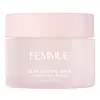
This hydrating overnight mask is formulated around Rosa Damascena Flower Water and Squalane to hydrate skin and calm redness.
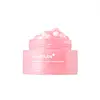
This anti-aging moisturizer is formulated around Niacinamide and Sodium DNA to soften the look of wrinkles.

What's inside
What's inside
 Key Ingredients
Benefits
Concerns
Ingredients Side-by-side
Rosa Damascena Flower Water
Masking

Glycerin
Humectant


1,2-Hexanediol
Skin Conditioning
Squalane
Emollient
Betaine
Humectant
Olea Europaea Fruit Oil
Masking





Polyglyceryl-3 Methylglucose Distearate
Emulsifying
Tromethamine
BufferingCarbomer
Emulsion StabilisingSorbitan Sesquioleate
Emulsifying
Caprylic/Capric Triglyceride
Masking
Panthenol
Skin Conditioning
Butylene Glycol
Humectant
Water
Skin ConditioningEclipta Prostrata Extract
Skin Conditioning
Citrus Limon Peel Oil
Masking



Pelargonium Graveolens Flower Oil
Masking
Centella Asiatica Extract
Cleansing
Jasminum Sambac Flower Oil
Masking
Juniperus Mexicana Oil
Masking
Melia Azadirachta Leaf Extract
Skin ConditioningRosa Damascena Flower Oil
Masking
Citrus Aurantium Bergamia Fruit Oil
Masking
Scutellaria Baicalensis Root Extract
Astringent
Polygonum Cuspidatum Root Extract
Antioxidant
Glycyrrhiza Glabra Root Extract
Bleaching

Camellia Sinensis Leaf Extract
Antimicrobial

Moringa Oleifera Seed Oil
Emollient
Chamomilla Recutita Flower Extract
Masking
Rosmarinus Officinalis Leaf Extract
AntimicrobialLimonene
Perfuming
Geraniol
Perfuming
Linalool
Perfuming
Citronellol
Perfuming
Rosa Damascena Flower Water, Glycerin, 1,2-Hexanediol, Squalane, Betaine, Olea Europaea Fruit Oil, Polyglyceryl-3 Methylglucose Distearate, Tromethamine, Carbomer, Sorbitan Sesquioleate, Caprylic/Capric Triglyceride, Panthenol, Butylene Glycol, Water, Eclipta Prostrata Extract, Citrus Limon Peel Oil, Pelargonium Graveolens Flower Oil, Centella Asiatica Extract, Jasminum Sambac Flower Oil, Juniperus Mexicana Oil, Melia Azadirachta Leaf Extract, Rosa Damascena Flower Oil, Citrus Aurantium Bergamia Fruit Oil, Scutellaria Baicalensis Root Extract, Polygonum Cuspidatum Root Extract, Glycyrrhiza Glabra Root Extract, Camellia Sinensis Leaf Extract, Moringa Oleifera Seed Oil, Chamomilla Recutita Flower Extract, Rosmarinus Officinalis Leaf Extract, Limonene, Geraniol, Linalool, Citronellol
Water
Skin ConditioningGlycerin
Humectant
Niacinamide
Smoothing

Methylpropanediol
SolventPropanediol
Solvent
1,2-Hexanediol
Skin Conditioning
Dipropylene Glycol
HumectantCaprylic/Capric Triglyceride
Masking
Glycereth-26
Humectant
Arginine
Masking
Butylene Glycol
Humectant
Ethylhexyl Palmitate
Emollient
Cetearyl Alcohol
Emollient
Carbomer
Emulsion StabilisingCetearyl Olivate
Sorbitan Olivate
Emulsifying
Ammonium Acryloyldimethyltaurate/Vp Copolymer
Simethicone
Emollient
Eclipta Prostrata Extract
Skin Conditioning
Ethylhexylglycerin
Skin ConditioningAdenosine
Skin Conditioning
Polyacrylate-13
Sodium DNA
Skin Conditioning
Disodium EDTA
ChelatingMelia Azadirachta Leaf Extract
Skin ConditioningPolyisobutene
Hydrolyzed Sclerotium Gum
HumectantGlyceryl Stearate
Emollient
Moringa Oleifera Seed Oil
Emollient
Polysorbate 20
Emulsifying
Sorbitan Isostearate
Emulsifying
Sodium Hyaluronate
Humectant
Glutathione
Octyldodecanol
Emollient
Hydroxypropyltrimonium Hyaluronate
Salmon Egg Extract
Hydrogenated Lecithin
Emulsifying
Ceramide NP
Skin Conditioning
Cyanocobalamin
Skin ConditioningThioctic Acid
Antioxidant
Hydrolyzed Hyaluronic Acid
Humectant
Hydrolyzed Collagen Extract
Skin Protecting
Sodium Acetylated Hyaluronate
Humectant
Acetyl Hexapeptide-8
Humectant
Copper Tripeptide-1
Skin Conditioning
Hyaluronic Acid
Humectant
Caprylyl Glycol
Emollient
Palmitoyl Pentapeptide-4
Skin Conditioning
Hydrolyzed Sodium Hyaluronate
Skin Conditioning
Palmitoyl Hexapeptide-12
Skin Conditioning
Sodium Hyaluronate Crosspolymer
Humectant
Potassium Hyaluronate
Skin ConditioningWater, Glycerin, Niacinamide, Methylpropanediol, Propanediol, 1,2-Hexanediol, Dipropylene Glycol, Caprylic/Capric Triglyceride, Glycereth-26, Arginine, Butylene Glycol, Ethylhexyl Palmitate, Cetearyl Alcohol, Carbomer, Cetearyl Olivate, Sorbitan Olivate, Ammonium Acryloyldimethyltaurate/Vp Copolymer, Simethicone, Eclipta Prostrata Extract, Ethylhexylglycerin, Adenosine, Polyacrylate-13, Sodium DNA, Disodium EDTA, Melia Azadirachta Leaf Extract, Polyisobutene, Hydrolyzed Sclerotium Gum, Glyceryl Stearate, Moringa Oleifera Seed Oil, Polysorbate 20, Sorbitan Isostearate, Sodium Hyaluronate, Glutathione, Octyldodecanol, Hydroxypropyltrimonium Hyaluronate, Salmon Egg Extract, Hydrogenated Lecithin, Ceramide NP, Cyanocobalamin, Thioctic Acid, Hydrolyzed Hyaluronic Acid, Hydrolyzed Collagen Extract, Sodium Acetylated Hyaluronate, Acetyl Hexapeptide-8, Copper Tripeptide-1, Hyaluronic Acid, Caprylyl Glycol, Palmitoyl Pentapeptide-4, Hydrolyzed Sodium Hyaluronate, Palmitoyl Hexapeptide-12, Sodium Hyaluronate Crosspolymer, Potassium Hyaluronate
Reviews
Ingredients Explained
These ingredients are found in both products.
Ingredients higher up in an ingredient list are typically present in a larger amount.
1,2-Hexanediol is a synthetic liquid and another multi-functional powerhouse.
It is a:
- Humectant, drawing moisture into the skin
- Emollient, helping to soften skin
- Solvent, dispersing and stabilizing formulas
- Preservative booster, enhancing the antimicrobial activity of other preservatives
Butylene Glycol (or BG) is used within cosmetic products for a few different reasons:
Overall, Butylene Glycol is a safe and well-rounded ingredient that works well with other ingredients.
Though this ingredient works well with most skin types, some people with sensitive skin may experience a reaction such as allergic rashes, closed comedones, or itchiness.
Learn more about Butylene GlycolCaprylic/Capric Triglyceride (aka MCT Oil) is a lightweight emollient, solvent, and texture enhancer. It is considered a skin-softener by helping to prevent moisture loss.
Though it behaves like an oil, it is not technically one due to its chemical composition. One perk of this ingredient is that it is very stable, resistant to oxidation, and unlikely to go rancid.
In practice, that translates to a long shelf life and a consistently elegant skin feel.
While there is an assumption Caprylic Triglyceride can clog pores due to it being derived from coconut oil, there is no research supporting this. Just patch test if you have concerns.
Fractionated coconut oil and MCT Oil are both listed as Caprylic/Capric Triglyceride according to INCI. This is because INCI names are based on the ingredient’s final chemical composition and not its marketing name or source.
This ingredient is treated as the gold standard fungal acne safe oil. Even though it is coconut derived, the problematic lauric acid is stripped out.
This leaves just caprylic (C8) and capric (C10) acid. These chain lengths actually trend antifungal; a 2020 study found caprylic acid was enough to disrupt Malassezia furfur cell membrane, with a caprylic acid derivative damaging membrane structures at concentrations as low as 0.2%.
Learn more about Caprylic/Capric TriglycerideCarbomer is a synthetic thickening and gelling agent. It's basically the ingredient that gives a lot of serums, gels, creams, and sunscreens their smooth, non-sticky texture.
Although legally permitted at very high levels, carbomers are normally used at concentrations below 1%.
It also needs to be neutralized to actually thicken, and because it is a large molecule, it doesn't really penetrate the skin barrier.
Allergy-wise, the risk is very low. Clinical studies show carbomers have low potential for skin irritation/sensitization even at concentrations up to 100%.
A 2024 UK study patch-tested 1,302 patients and found true allergy to the parent group of carbomer to be rare with no confirmed relevant reactions.
Learn more about CarbomerThis ingredient is also known as Bhringaraj extract or False Daisy. It is a skin conditioning ingredient that keeps skin soft and hydrated.
Research shows it has antioxidant properties; lab studies have found it can protect skin cells from UV-induced damage and help suppress inflammation.
There's also some interesting research on its potential to support hair growth by promoting the growth phase of the hair cycle.
Those with an allergy to plants in the daisy family may want to patch test this ingredient. This ingredient is generally well-tolerated otherwise.
Learn more about Eclipta Prostrata ExtractGlycerin (or glycerol) is a compound naturally found in your skin. It's a powerhouse humectant that pulls water into the stratum corneum.
Topically, glycerin does several things at once:
Your skin makes glycerin on its own (mostly from sebaceous oil breakdown) and shuttles it to your outermost layer of skin, or your epidermis, via aquaporin-3.
Aquaporin-3 is a transporter that is essential for normal skin hydration, elasticity, and repair. Interestingly, mice lacking in AQP3 have dry and less elastic skin that can be fully corrected with glycerin.
This ingredient is non-irritating, plays well with almost every ingredient, and works across all skin types. Typical use is anywhere between 3-10% but can go up to 79% in some leave-on products.
Just know very high concentrations (>40%) can feel tacky in low humidity.
Glycerin is the name for this ingredient in American English. British English uses Glycerol/Glycerine.
Learn more about GlycerinThis ingredient is also known as neem leaf extract. It contains natural compounds like nimbidin, quercetin, and other polyphenols that give it antibacterial, antifungal, and anti-inflammatory activity.
Lab studies have shown neem leaf extract can inhibit acne-related bacteria and help calm skin. Animal studies on wound gels using 1-3% neem leaf extract found it sped up healing without causing irritation.
A wound-healing study testing gels with the extract at 1%, 2%, and 3% concentrations and found none of them irritated the skin.
Most commercial products also use it in a similar low range (typically under 5%).
Allergy-wise, there are some case reports on neem oil causing allergic contact dermatitis so people with plant/botanical sensitivities may want to patch test first.
Learn more about Melia Azadirachta Leaf ExtractMoringa Oleifera Seed Oil is a lightweight oil from the seeds of the Moringa oleifera tree. In cosmetics, it's an emollient that forms a light film to slow water loss and soften skin.
Its fatty acid composition is dominated by oleic acid (70-78%), with smaller amounts of behenic, palmitic, and stearic acids (this profile is actually pretty similar to olive oil).
Notably, this ingredient is oxidatively stable for an oil and resists going rancid as fast as other oils.
A small, in vivo study on 32 participants found a cream with this ingredient increased skin hydration with no reported skin irritation. It also found the tocopherol content gave it some antioxidant activity as well.
Because this oil is so high in oleic acid, Malassezia can use it as a food source and this ingredient may not be fungal acne safe.
For everyone else, this ingredient is well-tolerated and nourishing with a good safety track record.
This ingredient shows up on a lot of "pore-clogging" lists but there's no real evidence behind that. It doesn't even have a comedogenic rating from an actual study; the numbers you'll find online come from blogs citing other blogs.
Ratings for other ingredients mostly come from a 1980s rabbit ear test. This test doesn't translate well to human skin or to real products because the ingredient sits at a much lower percentage.
Some people still find it breaks them out. So if that's you, definitely trust your skin.
Learn more about Moringa Oleifera Seed OilWater. It's the most common cosmetic ingredient of all. You'll usually see it at the top of ingredient lists, meaning that it makes up the largest part of the product.
So why is it so popular? Water most often acts as a solvent - this means that it helps dissolve other ingredients into the formulation.
You'll also recognize water as that liquid we all need to stay alive. If you see this, drink a glass of water. Remember to stay hydrated!
Learn more about Water

