Farmacy Honey Halo Ultra-Hydrating Ceramide Moisturizer Versus Farmacy Honey Drop Lightweight Moisturizer
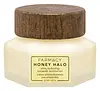
This barrier-repair moisturizer is formulated around Butyrospermum Parkii Butter and Honey Extract to strengthen the skin barrier and hydrate skin.
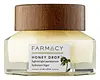
This calming moisturizer is formulated around Honey Extract and Propolis Extract to calm redness and hydrate skin.

What's inside
What's inside
 Key Ingredients
Benefits
Concerns
Ingredients Side-by-side
Water
Skin ConditioningGlycerin
Humectant


Butyrospermum Parkii Butter
Skin Conditioning




Caprylic/Capric Triglyceride
Masking
C13-15 Alkane
SolventCetearyl Alcohol
Emollient
Pentaerythrityl Tetraisostearate
Emollient
1,2-Hexanediol
Skin Conditioning
Bis-Diglyceryl Polyacyladipate-1
Emollient
Diisostearyl Malate
EmollientXylitylglucoside
Humectant
Honey Extract
Humectant
Betaine
Humectant
Panthenol
Skin Conditioning
Hydrogenated Rapeseed Oil
Emollient
Helianthus Annuus Seed Oil Unsaponifiables
Emollient
Ceramide NP
Skin Conditioning

Propolis Extract
Skin Conditioning

Royal Jelly Extract
Skin Conditioning
Tocopherol
Antioxidant



Ficus Carica Fruit Extract
Humectant
Hippophae Rhamnoides Oil
Emollient
Glucose
Humectant
Bisabolol
Antioxidant
Xylitol
Humectant
Anhydroxylitol
Humectant
Cetearyl Glucoside
Emulsifying
Triolein
Skin Conditioning
Acrylates/C10-30 Alkyl Acrylate Crosspolymer
Emulsion StabilisingHydroxyethyl Acrylate/Sodium Acryloyldimethyl Taurate Copolymer
Emulsion StabilisingArginine
Masking
Aroma


Hydroxyacetophenone
Antioxidant
Xanthan Gum
EmulsifyingGlyceryl Dioleate
Emollient
Sodium Dilauramidoglutamide Lysine
HumectantSodium Phytate
ChelatingSorbitan Isostearate
Emulsifying
Citric Acid
Buffering
Potassium Sorbate
Preservative
Sodium Benzoate
Masking
Water, Glycerin, Butyrospermum Parkii Butter, Caprylic/Capric Triglyceride, C13-15 Alkane, Cetearyl Alcohol, Pentaerythrityl Tetraisostearate, 1,2-Hexanediol, Bis-Diglyceryl Polyacyladipate-1, Diisostearyl Malate, Xylitylglucoside, Honey Extract, Betaine, Panthenol, Hydrogenated Rapeseed Oil, Helianthus Annuus Seed Oil Unsaponifiables, Ceramide NP, Propolis Extract, Royal Jelly Extract, Tocopherol, Ficus Carica Fruit Extract, Hippophae Rhamnoides Oil, Glucose, Bisabolol, Xylitol, Anhydroxylitol, Cetearyl Glucoside, Triolein, Acrylates/C10-30 Alkyl Acrylate Crosspolymer, Hydroxyethyl Acrylate/Sodium Acryloyldimethyl Taurate Copolymer, Arginine, Aroma, Hydroxyacetophenone, Xanthan Gum, Glyceryl Dioleate, Sodium Dilauramidoglutamide Lysine, Sodium Phytate, Sorbitan Isostearate, Citric Acid, Potassium Sorbate, Sodium Benzoate
Water
Skin ConditioningGlycereth-26
Humectant
Glycerin
Humectant
C13-15 Alkane
SolventAlcohol Denat.
Antimicrobial


Camellia Japonica Seed Oil
Emollient
Methyl Gluceth-20
Humectant
Echinacea Purpurea Root Extract
MoisturisingHoney Extract
Humectant
Propolis Extract
Skin Conditioning
Royal Jelly Extract
Skin Conditioning
Hydrolyzed Hyaluronic Acid
Humectant
Hydrolyzed Sodium Hyaluronate
Skin Conditioning
Sodium Hyaluronate
Humectant
Theobroma Grandiflorum Seed Butter
Skin Conditioning
Limnanthes Alba Seed Oil
Skin Conditioning
Paeonia Suffruticosa Root Extract
Skin ProtectingScutellaria Baicalensis Root Extract
Astringent
Allantoin
Skin Conditioning
Melia Azadirachta Flower Extract
Skin ConditioningLactobacillus/Soybean Ferment Extract
Skin ConditioningMelia Azadirachta Leaf Extract
Skin ConditioningImperata Cylindrica Root Extract
Skin ConditioningViscum Album Leaf Extract
SoothingSolanum Melongena Fruit Extract
Skin ConditioningOcimum Basilicum Flower/Leaf Extract
TonicCoccinia Indica Fruit Extract
Skin Conditioning
Adenosine
Skin Conditioning
Betaine
Humectant
Capryloyl Glycerin/Sebacic Acid Copolymer
Skin ConditioningCurcuma Longa Root Extract
Antioxidant
Aloe Barbadensis Flower Extract
EmollientCorallina Officinalis Extract
Skin Conditioning
Ocimum Sanctum Leaf Extract
Skin ConditioningEclipta Prostrata Extract
Skin Conditioning
Aroma
Sorbitan Olivate
Emulsifying
Sucrose Stearate
EmollientAcrylates/C10-30 Alkyl Acrylate Crosspolymer
Emulsion StabilisingDisodium EDTA
ChelatingGlyceryl Polyacrylate
Agar
MaskingCalcium Alginate
MaskingMica
Cosmetic ColorantCI 77492
Cosmetic ColorantPropanediol
Solvent
1,2-Hexanediol
Skin Conditioning
Diheptyl Succinate
EmollientButylene Glycol
Humectant
Carbomer
Emulsion StabilisingHydroxyacetophenone
Antioxidant
Tromethamine
BufferingCetearyl Olivate
Phenoxyethanol
Preservative
Caprylyl Glycol
Emollient
Water, Glycereth-26, Glycerin, C13-15 Alkane, Alcohol Denat., Camellia Japonica Seed Oil, Methyl Gluceth-20, Echinacea Purpurea Root Extract, Honey Extract, Propolis Extract, Royal Jelly Extract, Hydrolyzed Hyaluronic Acid, Hydrolyzed Sodium Hyaluronate, Sodium Hyaluronate, Theobroma Grandiflorum Seed Butter, Limnanthes Alba Seed Oil, Paeonia Suffruticosa Root Extract, Scutellaria Baicalensis Root Extract, Allantoin, Melia Azadirachta Flower Extract, Lactobacillus/Soybean Ferment Extract, Melia Azadirachta Leaf Extract, Imperata Cylindrica Root Extract, Viscum Album Leaf Extract, Solanum Melongena Fruit Extract, Ocimum Basilicum Flower/Leaf Extract, Coccinia Indica Fruit Extract, Adenosine, Betaine, Capryloyl Glycerin/Sebacic Acid Copolymer, Curcuma Longa Root Extract, Aloe Barbadensis Flower Extract, Corallina Officinalis Extract, Ocimum Sanctum Leaf Extract, Eclipta Prostrata Extract, Aroma, Sorbitan Olivate, Sucrose Stearate, Acrylates/C10-30 Alkyl Acrylate Crosspolymer, Disodium EDTA, Glyceryl Polyacrylate, Agar, Calcium Alginate, Mica, CI 77492, Propanediol, 1,2-Hexanediol, Diheptyl Succinate, Butylene Glycol, Carbomer, Hydroxyacetophenone, Tromethamine, Cetearyl Olivate, Phenoxyethanol, Caprylyl Glycol
Reviews
Ingredients Explained
These ingredients are found in both products.
Ingredients higher up in an ingredient list are typically present in a larger amount.
1,2-Hexanediol is a synthetic liquid and another multi-functional powerhouse.
It is a:
- Humectant, drawing moisture into the skin
- Emollient, helping to soften skin
- Solvent, dispersing and stabilizing formulas
- Preservative booster, enhancing the antimicrobial activity of other preservatives
Acrylates/C10-30 Alkyl Acrylate Crosspolymer is a synthetic polymer. It is used to thicken, emulsify, and improve the texture of products.
As an emulsifier, it helps stabilize oil-in-water emulsions to give products an elegant feel when applied.
It can also form a thin protective film on skin. One study found that a formula using this polymer helped slow down how quickly other ingredients (like DEET) were absorbed through skin.
A 2024 study of over 1,300 patients confirmed that sensitization to this ingredient is rare. It is also non-mutagenic and has a clean track record.
Learn more about Acrylates/C10-30 Alkyl Acrylate CrosspolymerAroma refers to an ingredient, or mixture of ingredients, that impart or mask a flavor.
The name is slightly confusing. This is because INCI associates aroma with flavor instead of smell.
Here is the official definition from the The International Cosmetic Ingredient Dictionary and Handbook:
“Aroma is a term for ingredient labeling used to identify that a product contains a material or combination of materials normally added to a cosmetic to produce or to mask a particular flavor.”
INCI shows the only purpose of aroma to be "flavouring".
However, due to regulation differences, some companies may use aroma in place of parfum.
In Canada, this ingredient only has to be listed in concentrations above 1%.
Learn more about AromaBetaine is a humectant. Like hyaluronic acid, it helps attract and retain moisture in the skin. It’s known for being gentle and for helping the skin maintain balanced hydration.
Betaine is mainly used to improve hydration and support calmer skin. It helps skin cells regulate water balance because it functions as an osmolyte.
Some studies suggest betaine may support making skin tone more even.
Fun fact: Betaine naturally exists in the skin and the body. In cosmetic products, it can be either plant-derived (most commonly from sugar beets) or synthetically produced for consistency and stability.
Betaine is also known as trimethylglycine.
Learn more about BetaineC13-15 Alkane is a group of alkanes with 13 to 15 carbon atoms in the alkyl chain.
It is a solvent and texture enhancer. Solvents are used to keep ingredients together in a product. They can help dissolve ingredients to stable bases or help evenly distribute ingredients throughout the product.
Glycerin (or glycerol) is a compound naturally found in your skin. It's a powerhouse humectant that pulls water into the stratum corneum.
Topically, glycerin does several things at once:
Your skin makes glycerin on its own (mostly from sebaceous oil breakdown) and shuttles it to your outermost layer of skin, or your epidermis, via aquaporin-3.
Aquaporin-3 is a transporter that is essential for normal skin hydration, elasticity, and repair. Interestingly, mice lacking in AQP3 have dry and less elastic skin that can be fully corrected with glycerin.
This ingredient is non-irritating, plays well with almost every ingredient, and works across all skin types. Typical use is anywhere between 3-10% but can go up to 79% in some leave-on products.
Just know very high concentrations (>40%) can feel tacky in low humidity.
Glycerin is the name for this ingredient in American English. British English uses Glycerol/Glycerine.
Learn more about GlycerinThis ingredient comes from honey made by bees. It is hydrating, antibacterial, anti-aging, and skin soothing.
Honey also contains amino acids, peptides, Vitamins A, C, and E.
The humectant property of honey draws moisture from the air to your skin. This makes it great at helping to hydrate the skin.
Honey may help reduce the signs of aging due to its antioxidant properties. Fun fact: darker honey has more antioxidants than light honey. The antibacterial property of honey may make it effective at helping to treat acne by killing acne-causing bacteria.
Many people wonder if honey extract is vegan. It is technically a byproduct from bees. This is because honey is created from the digestive enzymes in a bee's stomach.
Remember to be kind to bees :) They are important for many ecosystems and are endangered.
Learn more about Honey ExtractHydroxyacetophenone is a small phenolic molecule that earns its place in a formulas as an antioxidant and preservative booster.
As a phenol, it is able to neutralize free radicals to protect both the product and the skin from oxidative stress.
Though it can't kill microbes on its own, it works as a good supporting agent when combined with other preservatives like Phenoxyethanol or 1,2-Hexanediol.
This ingredient naturally occurs as piceol in Norwegian spruce needles (~0.4-1.1% dry weight and in cloudberries). Though the cosmetic-grade material is synthesized for purity and consistency.
You'll usually see it used at low levels and suppliers recommend up to 1% added to a water phase.
Safety testing was done at concentrations like 0.05% in SPF products and 0.5% in a Human Repeated Insult Patch Test. The safety evidence is assuring; this ingredient is safe for cosmetics in current use and also holds safety status as a food flavoring as well.
An honest caveat: the "soothing" and "anti-inflammatory" claims come mostly from supplier marketing rather than published clinical trials. The Cosmetic Ingredient Review's own literature search found no useful efficacy studies on this ingredient.
So the antioxidant and preservative-boosting roles are the well supported ones while the calming benefit is plausible but thinly evidenced.
Overall, this is a well-tolerated, low-irritation multitasker that quietly helps a formula stay fresh and stable.
Learn more about HydroxyacetophenonePropolis Extract is a natural ingredient derived from propolis (also known as bee glue). Bees make propolis by mixing their saliva and beeswax with resins collected from tree buds and plants.
This ingredient is packed with bioactive compounds like flavonoids, phenolic acids, and amino acids that give it antioxidant and anti-inflammatory properties.
Research shows it can help:
It also pairs nicely with hydrating ingredients like niacinamide and ceramides.
Just so you know, Propolis Extract is recognized as a contact allergen. In patch tests done in the EU, roughly 1-6% of patients react to it. Be sure to steer clear of this ingredient if you have a known allergy to bee products.
Since it is an animal-derived product, this ingredient is not considered vegan. For vegan alternatives, check out Galactomyces Ferment Filtrate or Centella Asiatica Extract.
Learn more about Propolis ExtractRoyal Jelly Extract comes from a secretion made by worker honeybees. This secretion is white and described as creamy.
This compound has antibacterial, anti-aging, and anti-inflammatory properties.
Studies show Royal Jelly to contain amino acids, fatty acids, and a variety of vitamins, including Vitamin Bs. Many of these components are antioxidants, which help with anti-aging. The fatty acids in Royal Jelly make it a hydrating ingredient.
Several animal studies show Royal Jelly to boost collagen production and reduce inflammation.
The Vitamin Bs found in Royal Jelly include:
Royal Jelly is derived from honeybees. This means it is not vegan.
Learn more about Royal Jelly ExtractWater. It's the most common cosmetic ingredient of all. You'll usually see it at the top of ingredient lists, meaning that it makes up the largest part of the product.
So why is it so popular? Water most often acts as a solvent - this means that it helps dissolve other ingredients into the formulation.
You'll also recognize water as that liquid we all need to stay alive. If you see this, drink a glass of water. Remember to stay hydrated!
Learn more about Water

