Farmacy Daily Greens Oil-Free Gel Moisturizer Versus Farmacy Honey Glow 17% AHA + BHA Resurfacing Acid Serum
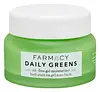
This oil-control moisturizer is formulated around Niacinamide to balance excess oil.
This smoothing serum is formulated around Glycolic Acid and Lactic Acid to refine skin texture and brighten dull-looking skin.

What's inside
What's inside
 Key Ingredients
Benefits
Concerns
No concerns
Ingredients Side-by-side
Water
Skin ConditioningPropanediol
Solvent

C13-15 Alkane
SolventGlycerin
Humectant
1,2-Hexanediol
Skin Conditioning
Niacinamide
Smoothing









Betaine
Humectant
Inulin
Skin Conditioning
Moringa Oleifera Leaf Water
Skin ConditioningMoringa Oleifera Seed Extract
Skin Conditioning
Carica Papaya Fruit Extract
Skin ConditioningFructose
Humectant
Sodium Polyglutamate
HumectantSodium Hyaluronate Crosspolymer
Humectant
Sodium Acetylated Hyaluronate
Humectant
Hydrolyzed Sodium Hyaluronate
Skin Conditioning
Sodium Hyaluronate
Humectant
Saccharide Isomerate
Humectant
Corallina Officinalis Extract
Skin Conditioning
Melia Azadirachta Leaf Extract
Skin ConditioningMelia Azadirachta Flower Extract
Skin ConditioningAllantoin
Skin Conditioning
Sodium Polyacrylate
Absorbent
Carbomer
Emulsion StabilisingCellulose Gum
Emulsion StabilisingPentylene Glycol
Skin Conditioning
Sodium Phytate
Potassium Hydroxide
BufferingXanthan Gum
EmulsifyingCellulose
Absorbent
Glucose
Humectant
Silica
Abrasive
Ethylhexylglycerin
Skin ConditioningSodium Benzoate
Masking
Maltodextrin
Absorbent
Gluconolactone
Skin Conditioning
Curcuma Longa Root Extract
Antioxidant

Ocimum Basilicum Flower/Leaf Extract
TonicOcimum Sanctum Leaf Extract
Skin ConditioningTocopherol
Antioxidant
Xylitylglucoside
Humectant
Arachidyl Alcohol
Emollient
Behenyl Alcohol
Emollient
Arachidyl Glucoside
EmulsifyingPhenethyl Alcohol
MaskingXylitol
Humectant
Anhydroxylitol
Humectant
Water, Propanediol, C13-15 Alkane, Glycerin, 1,2-Hexanediol, Niacinamide, Betaine, Inulin, Moringa Oleifera Leaf Water, Moringa Oleifera Seed Extract, Carica Papaya Fruit Extract, Fructose, Sodium Polyglutamate, Sodium Hyaluronate Crosspolymer, Sodium Acetylated Hyaluronate, Hydrolyzed Sodium Hyaluronate, Sodium Hyaluronate, Saccharide Isomerate, Corallina Officinalis Extract, Melia Azadirachta Leaf Extract, Melia Azadirachta Flower Extract, Allantoin, Sodium Polyacrylate, Carbomer, Cellulose Gum, Pentylene Glycol, Sodium Phytate, Potassium Hydroxide, Xanthan Gum, Cellulose, Glucose, Silica, Ethylhexylglycerin, Sodium Benzoate, Maltodextrin, Gluconolactone, Curcuma Longa Root Extract, Ocimum Basilicum Flower/Leaf Extract, Ocimum Sanctum Leaf Extract, Tocopherol, Xylitylglucoside, Arachidyl Alcohol, Behenyl Alcohol, Arachidyl Glucoside, Phenethyl Alcohol, Xylitol, Anhydroxylitol
Water
Skin ConditioningGlycolic Acid
Buffering


Vitis Vinifera Seed Oil
Emollient

Propanediol
Solvent
Saccharomyces Ferment
Skin Conditioning
Lactic Acid
Buffering
C13-15 Alkane
SolventArginine
Masking
Inositol
Humectant
Potassium Hydroxide
BufferingCarthamus Tinctorius Oleosomes
Emollient
Isopentyldiol
Humectant
Cetearyl Alcohol
Emollient


Opuntia Ficus-Indica Stem Extract
Skin Conditioning
Squalane
Emollient
Salix Alba Bark Extract
Astringent
Vitis Vinifera Fruit Extract
Skin ConditioningHoney Extract
Humectant
Hyaluronic Acid
Humectant
Propolis Extract
Skin Conditioning
Royal Jelly Extract
Skin Conditioning
Glycerin
Humectant
Ubiquinone
Antioxidant
Tocopherol
Antioxidant
Helianthus Annuus Seed Oil
Emollient
Jojoba Esters
Emollient
Lecithin
Emollient
Gluconolactone
Skin Conditioning
Coco-Glucoside
Cleansing
Sodium Phytate
Maltodextrin
Absorbent
Potassium Sorbate
Preservative
Sodium Polyacryloyldimethyl Taurate
Emulsion StabilisingSclerotium Gum
Emulsion StabilisingSodium Benzoate
Masking
Water, Glycolic Acid, Vitis Vinifera Seed Oil, Propanediol, Saccharomyces Ferment, Lactic Acid, C13-15 Alkane, Arginine, Inositol, Potassium Hydroxide, Carthamus Tinctorius Oleosomes, Isopentyldiol, Cetearyl Alcohol, Opuntia Ficus-Indica Stem Extract, Squalane, Salix Alba Bark Extract, Vitis Vinifera Fruit Extract, Honey Extract, Hyaluronic Acid, Propolis Extract, Royal Jelly Extract, Glycerin, Ubiquinone, Tocopherol, Helianthus Annuus Seed Oil, Jojoba Esters, Lecithin, Gluconolactone, Coco-Glucoside, Sodium Phytate, Maltodextrin, Potassium Sorbate, Sodium Polyacryloyldimethyl Taurate, Sclerotium Gum, Sodium Benzoate
Reviews
Ingredients Explained
These ingredients are found in both products.
Ingredients higher up in an ingredient list are typically present in a larger amount.
C13-15 Alkane is a group of alkanes with 13 to 15 carbon atoms in the alkyl chain.
It is a solvent and texture enhancer. Solvents are used to keep ingredients together in a product. They can help dissolve ingredients to stable bases or help evenly distribute ingredients throughout the product.
Gluconolactone is a PHA. PHAs are a great gentle alternative to traditional AHAs.
When applied, Gluconolactone has the same affect on skin as AHAs such as lactic acid. It helps dissolve the dead skin cells in the top layer of your skin. This improves texture and brightens the skin.
PHAs are more gentle than AHAs due to their larger structure. They do not penetrate as deeply as AHAs and take a longer time to dissolve dead cells. Studies show PHAs do not cause as much irritation.
Gluconolactone has some interesting properties:
In a 2004 study, Gluconolactone was found to prevent UV damage in mouse skin cells and has not been found to increase sun sensitivity. However, we still recommend wearing SPF daily.
This ingredient is is an created by reacting gluconic acid with an alcohol.
Learn more about GluconolactoneGlycerin (or glycerol) is a compound naturally found in your skin. It's a powerhouse humectant that pulls water into the stratum corneum.
Topically, glycerin does several things at once:
Your skin makes glycerin on its own (mostly from sebaceous oil breakdown) and shuttles it to your outermost layer of skin, or your epidermis, via aquaporin-3.
Aquaporin-3 is a transporter that is essential for normal skin hydration, elasticity, and repair. Interestingly, mice lacking in AQP3 have dry and less elastic skin that can be fully corrected with glycerin.
This ingredient is non-irritating, plays well with almost every ingredient, and works across all skin types. Typical use is anywhere between 3-10% but can go up to 79% in some leave-on products.
Just know very high concentrations (>40%) can feel tacky in low humidity.
Glycerin is the name for this ingredient in American English. British English uses Glycerol/Glycerine.
Learn more about GlycerinMaltodextrin is a plant-derived carbohydrate made by breaking down starch (usually from corn, potato, or rice). In cosmetic formulas, it's a multitasking absorbent, emulsion stabilizer, and skin conditioner.
This ingredient is mostly used to stabilize emulsions and improve the powdery, non-greasy feel of products (like dry shampoos).
Safety-wise, this ingredient is pretty solid; it's even recognized as a food additive. Both animal and clinical studies found no adverse effects at the levels used in cosmetics.
Industry data shows this ingredient is used up to 45.7% in spray products and up to 33% in powder products.
Learn more about MaltodextrinPotassium Hydroxide (also known as potash) is a strong alkaline ingredient that does one job: it nudges a product's pH up so the whole formula lands in a skin-friendly range.
It's also the base that turns oils into liquid soap during the soap making process.
An expert safety panel reviewed it and found it safe when formulations are made to be non-irritating.
As a pH adjuster, it's typically used well under 1% though regulatory caps go much higher: 5% in nail cuticle removers and 2-4.5% in hair straighteners.
Though there is some concern for irritation from raw or high pH material, a well-balanced formula will be a non-issue for the vast majority of people.
Learn more about Potassium HydroxidePropanediol is an all-star ingredient. It softens, hydrates, and smooths the skin.
It’s often used to:
Propanediol is not likely to cause sensitivity and considered safe to use. It is derived from corn or petroleum with a clear color and no scent.
Learn more about PropanediolSodium Benzoate is a preservative. It's used in both cosmetic and food products to inhibit the growth of mold and bacteria. It is typically produced synthetically.
Both the US FDA and EU Health Committee have approved the use of sodium benzoate. In the US, levels of 0.1% (of the total product) are allowed.
Sodium benzoate works as a preservative by inhibiting the growth of bacteria inside of cells. It prevents the cell from fermenting a type of sugar using an enzyme called phosphofructokinase.
It is the salt of benzoic acid. Foods containing sodium benzoate include soda, salad dressings, condiments, fruit juices, wines, and snack foods.
Studies for using ascorbic acid and sodium benzoate in cosmetics are lacking, especially in skincare routines with multiple steps.
We always recommend speaking with a professional, such as a dermatologist, if you have any concerns.
Learn more about Sodium BenzoateSodium Phytate is the synthetic salt form of phytic acid. Phytic acid is an antioxidant and can be found in plant seeds.
Sodium Phytate is a chelating agent. Chelating agents help prevent metals from binding to water. This helps stabilize the ingredients and the product.
Tocopherol is a fat-soluble antioxidant known as Vitamin E.
You'll find this ingredient in the vast majority of skincare (for good reason). It works to neutralize free radicals, or unstable molecules generated by UV exposure, pollution, and other environmental stressors, before they can cause oxidative damage to your skin cells.
Topically applied tocopherol has been shown to protect against UV damage by ramping up the skin's own natural defense enzymes.
It also acts as a skin conditioning agent; some studies show that regular topical use can improve the skin's water-binding capacity over 2-4 weeks.
This ingredient is especially loved for being a team player. When combined with Vitamin C, the photoprotective effect of both ingredients roughly doubles and the combo also helps reduce UV-induced DNA damage.
This ingredient has some brightening potential but it's more of a prevention ingredient than spot-fader. Cell studies show it can slow down melanin production but it's worth noting that it's not the most powerful brightener out there.
In formulations, it also serves as a stabilizer that helps protect other oxidation-prone ingredients from degrading.
Concentrations usually range from 0.1-1% in most leave-on products.
Learn more about TocopherolWater. It's the most common cosmetic ingredient of all. You'll usually see it at the top of ingredient lists, meaning that it makes up the largest part of the product.
So why is it so popular? Water most often acts as a solvent - this means that it helps dissolve other ingredients into the formulation.
You'll also recognize water as that liquid we all need to stay alive. If you see this, drink a glass of water. Remember to stay hydrated!
Learn more about Water

