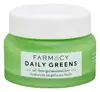
This oil-control moisturizer is formulated around Niacinamide and Moringa Oleifera Seed Extract to balance excess oil and hydrate skin.
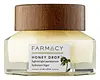
This calming moisturizer is formulated around Honey Extract and Propolis Extract to calm redness and hydrate skin.

What's inside
What's inside
 Key Ingredients
Benefits
Concerns
No concerns
Ingredients Side-by-side
Water
Skin ConditioningPropanediol
Solvent

C13-15 Alkane
SolventGlycerin
Humectant
1,2-Hexanediol
Skin Conditioning
Niacinamide
Smoothing









Betaine
Humectant
Inulin
Skin Conditioning
Moringa Oleifera Leaf Water
Skin ConditioningMoringa Oleifera Seed Extract
Skin Conditioning
Carica Papaya Fruit Extract
Skin ConditioningFructose
Humectant
Sodium Polyglutamate
HumectantSodium Hyaluronate Crosspolymer
Humectant
Sodium Acetylated Hyaluronate
Humectant
Hydrolyzed Sodium Hyaluronate
Skin Conditioning
Sodium Hyaluronate
Humectant
Saccharide Isomerate
Humectant
Allantoin
Skin Conditioning
Sodium Polyacrylate
Absorbent
Carbomer
Emulsion StabilisingCellulose Gum
Emulsion StabilisingPentylene Glycol
Skin Conditioning
Sodium Phytate
ChelatingPotassium Hydroxide
BufferingXanthan Gum
EmulsifyingCellulose
Absorbent
Glucose
Humectant
Silica
Abrasive
Ethylhexylglycerin
Skin ConditioningSodium Benzoate
Masking
Maltodextrin
Absorbent
Gluconolactone
Chelating
Tocopherol
Antioxidant

Xylitylglucoside
Humectant
Arachidyl Alcohol
Emollient
Behenyl Alcohol
Emollient
Arachidyl Glucoside
EmulsifyingPhenethyl Alcohol
MaskingXylitol
Humectant
Anhydroxylitol
Humectant
CI 19140
Cosmetic ColorantCI 42090
Cosmetic ColorantWater, Propanediol, C13-15 Alkane, Glycerin, 1,2-Hexanediol, Niacinamide, Betaine, Inulin, Moringa Oleifera Leaf Water, Moringa Oleifera Seed Extract, Carica Papaya Fruit Extract, Fructose, Sodium Polyglutamate, Sodium Hyaluronate Crosspolymer, Sodium Acetylated Hyaluronate, Hydrolyzed Sodium Hyaluronate, Sodium Hyaluronate, Saccharide Isomerate, Allantoin, Sodium Polyacrylate, Carbomer, Cellulose Gum, Pentylene Glycol, Sodium Phytate, Potassium Hydroxide, Xanthan Gum, Cellulose, Glucose, Silica, Ethylhexylglycerin, Sodium Benzoate, Maltodextrin, Gluconolactone, Tocopherol, Xylitylglucoside, Arachidyl Alcohol, Behenyl Alcohol, Arachidyl Glucoside, Phenethyl Alcohol, Xylitol, Anhydroxylitol, CI 19140, CI 42090
Water
Skin ConditioningGlycereth-26
Humectant
Glycerin
Humectant
C13-15 Alkane
SolventAlcohol Denat.
Antimicrobial




Camellia Japonica Seed Oil
Emollient

Methyl Gluceth-20
Humectant
Echinacea Purpurea Root Extract
MoisturisingHoney Extract
Humectant
Propolis Extract
Skin Conditioning
Royal Jelly Extract
Skin Conditioning
Hydrolyzed Hyaluronic Acid
Humectant
Hydrolyzed Sodium Hyaluronate
Skin Conditioning
Sodium Hyaluronate
Humectant
Theobroma Grandiflorum Seed Butter
Skin Conditioning
Limnanthes Alba Seed Oil
Skin Conditioning
Paeonia Suffruticosa Root Extract
Skin ProtectingScutellaria Baicalensis Root Extract
Astringent
Allantoin
Skin Conditioning
Melia Azadirachta Flower Extract
Skin ConditioningLactobacillus/Soybean Ferment Extract
Skin ConditioningMelia Azadirachta Leaf Extract
Skin ConditioningImperata Cylindrica Root Extract
Skin ConditioningViscum Album Leaf Extract
SoothingSolanum Melongena Fruit Extract
Skin ConditioningOcimum Basilicum Flower/Leaf Extract
TonicCoccinia Indica Fruit Extract
Skin Conditioning
Adenosine
Skin Conditioning
Betaine
Humectant
Capryloyl Glycerin/Sebacic Acid Copolymer
Skin ConditioningCurcuma Longa Root Extract
Antioxidant
Aloe Barbadensis Flower Extract
EmollientCorallina Officinalis Extract
Skin Conditioning
Ocimum Sanctum Leaf Extract
Skin ConditioningEclipta Prostrata Extract
Skin Conditioning
Aroma

Sorbitan Olivate
Emulsifying
Sucrose Stearate
EmollientAcrylates/C10-30 Alkyl Acrylate Crosspolymer
Emulsion StabilisingDisodium EDTA
ChelatingGlyceryl Polyacrylate
Agar
MaskingCalcium Alginate
MaskingMica
Cosmetic ColorantCI 77492
Cosmetic ColorantPropanediol
Solvent
1,2-Hexanediol
Skin Conditioning
Diheptyl Succinate
EmollientButylene Glycol
Humectant
Carbomer
Emulsion StabilisingHydroxyacetophenone
Antioxidant
Tromethamine
BufferingCetearyl Olivate
Phenoxyethanol
Preservative
Caprylyl Glycol
Emollient
Water, Glycereth-26, Glycerin, C13-15 Alkane, Alcohol Denat., Camellia Japonica Seed Oil, Methyl Gluceth-20, Echinacea Purpurea Root Extract, Honey Extract, Propolis Extract, Royal Jelly Extract, Hydrolyzed Hyaluronic Acid, Hydrolyzed Sodium Hyaluronate, Sodium Hyaluronate, Theobroma Grandiflorum Seed Butter, Limnanthes Alba Seed Oil, Paeonia Suffruticosa Root Extract, Scutellaria Baicalensis Root Extract, Allantoin, Melia Azadirachta Flower Extract, Lactobacillus/Soybean Ferment Extract, Melia Azadirachta Leaf Extract, Imperata Cylindrica Root Extract, Viscum Album Leaf Extract, Solanum Melongena Fruit Extract, Ocimum Basilicum Flower/Leaf Extract, Coccinia Indica Fruit Extract, Adenosine, Betaine, Capryloyl Glycerin/Sebacic Acid Copolymer, Curcuma Longa Root Extract, Aloe Barbadensis Flower Extract, Corallina Officinalis Extract, Ocimum Sanctum Leaf Extract, Eclipta Prostrata Extract, Aroma, Sorbitan Olivate, Sucrose Stearate, Acrylates/C10-30 Alkyl Acrylate Crosspolymer, Disodium EDTA, Glyceryl Polyacrylate, Agar, Calcium Alginate, Mica, CI 77492, Propanediol, 1,2-Hexanediol, Diheptyl Succinate, Butylene Glycol, Carbomer, Hydroxyacetophenone, Tromethamine, Cetearyl Olivate, Phenoxyethanol, Caprylyl Glycol
Reviews
Ingredients Explained
These ingredients are found in both products.
Ingredients higher up in an ingredient list are typically present in a larger amount.
1,2-Hexanediol is a synthetic liquid and another multi-functional powerhouse.
It is a:
- Humectant, drawing moisture into the skin
- Emollient, helping to soften skin
- Solvent, dispersing and stabilizing formulas
- Preservative booster, enhancing the antimicrobial activity of other preservatives
Allantoin is a soothing ingredient known for its protective and moisturizing properties; it's basically a quiet workhorse ingredient you can find in a huge range of cosmetics.
Though it can be derived from the comfrey plant, allantoin is produced synthetically for cosmetic products to ensure purity.
Research shows it can encourage your skin cells to turn over and renew by stimulating keratinocyte and fibroblast proliferation.
It also has mild keratolytic properties to help loosen and shed dead skin cells without being harsh.
Studies also suggest allantoin can help calm inflammation by dialing down some of the chemical signals your skin sends out when it is irritated.
This ingredient is typically used in the 0.1-0.5% range, and the FDA recognizes it as a skin protectant in OTC products up to 2%.
Overall, allantoin is a wonderful addition to most routines; it is stable across a wide pH range (~4-8), works well with other ingredients, and is considered non-sensitizing/non-irritating.
Fun fact: Allantoin is naturally occurring in comfrey root, beets, chamomile, and wheat sprouts. Our bodies even produce it as a byproduct of uric acid metabolism.
Learn more about AllantoinBetaine is a humectant. Like hyaluronic acid, it helps attract and retain moisture in the skin. It’s known for being gentle and for helping the skin maintain balanced hydration.
Betaine is mainly used to improve hydration and support calmer skin. It helps skin cells regulate water balance because it functions as an osmolyte.
Some studies suggest betaine may support making skin tone more even.
Fun fact: Betaine naturally exists in the skin and the body. In cosmetic products, it can be either plant-derived (most commonly from sugar beets) or synthetically produced for consistency and stability.
Betaine is also known as trimethylglycine.
Learn more about BetaineC13-15 Alkane is a group of alkanes with 13 to 15 carbon atoms in the alkyl chain.
It is a solvent and texture enhancer. Solvents are used to keep ingredients together in a product. They can help dissolve ingredients to stable bases or help evenly distribute ingredients throughout the product.
Carbomer is a synthetic thickening and gelling agent. It's basically the ingredient that gives a lot of serums, gels, creams, and sunscreens their smooth, non-sticky texture.
Although legally permitted at very high levels, carbomers are normally used at concentrations below 1%.
It also needs to be neutralized to actually thicken, and because it is a large molecule, it doesn't really penetrate the skin barrier.
Allergy-wise, the risk is very low. Clinical studies show carbomers have low potential for skin irritation/sensitization even at concentrations up to 100%.
A 2024 UK study patch-tested 1,302 patients and found true allergy to the parent group of carbomer to be rare with no confirmed relevant reactions.
Learn more about CarbomerGlycerin (or glycerol) is a compound naturally found in your skin. It's a powerhouse humectant that pulls water into the stratum corneum.
Topically, glycerin does several things at once:
Your skin makes glycerin on its own (mostly from sebaceous oil breakdown) and shuttles it to your outermost layer of skin, or your epidermis, via aquaporin-3.
Aquaporin-3 is a transporter that is essential for normal skin hydration, elasticity, and repair. Interestingly, mice lacking in AQP3 have dry and less elastic skin that can be fully corrected with glycerin.
This ingredient is non-irritating, plays well with almost every ingredient, and works across all skin types. Typical use is anywhere between 3-10% but can go up to 79% in some leave-on products.
Just know very high concentrations (>40%) can feel tacky in low humidity.
Glycerin is the name for this ingredient in American English. British English uses Glycerol/Glycerine.
Learn more about GlycerinThis ingredient is created by putting sodium hyaluronate through hydrolysis.
You might know this as 'mini' or 'ultra low-molecular weight' hyaluronic acid. The small molecule size means it is able to travel deeper in the skin.
According to studies, low molecular-weight hyaluronic acid can:
One study from 2011 found ultra-low weight HA to show pro-inflammatory properties. Another study from 2022 found it to downregulate UV-B induced inflammation.
Hydrolysis is a process of changing a molecule using water or enzymes.
This ingredient is water-soluble.
Learn more about Hydrolyzed Sodium HyaluronatePropanediol is an all-star ingredient. It softens, hydrates, and smooths the skin.
It’s often used to:
Propanediol is not likely to cause sensitivity and considered safe to use. It is derived from corn or petroleum with a clear color and no scent.
Learn more about PropanediolSodium Hyaluronate is the salt form of hyaluronic acid. It is a long sugar chain that is naturally found in your skin, joints, and connective tissue that maintains hydration and elasticity.
In skincare, it works as a humectant. It pulls water from the environment and deeper layers of skin and binds it to the surface.
Interestingly, the size of the molecule affects its behavior:
Some clinical evidence links low molecular weight versions to improved wrinkle depth, elasticity, anti-inflammatory effects, and barrier repair.
Many serums use a blend of both weights so you can get surface hydration plus longer-lasting and deeper effects.
You'll typically see concentrations between 0.1-2% for this ingredient.
Learn more about Sodium HyaluronateWater. It's the most common cosmetic ingredient of all. You'll usually see it at the top of ingredient lists, meaning that it makes up the largest part of the product.
So why is it so popular? Water most often acts as a solvent - this means that it helps dissolve other ingredients into the formulation.
You'll also recognize water as that liquid we all need to stay alive. If you see this, drink a glass of water. Remember to stay hydrated!
Learn more about Water

